The Best Fluffy Pancakes recipe you will fall in love with. Full of tips and tricks to help you make the best pancakes.
I first started thinking about DIY wall art ideas the day I looked at our bare apartment walls and felt completely uninspired. I had just written my article about 10 Amazing Entryway Table Ideas, yet those tables seemed far more exciting than the space above our sofa.
At first, it felt impossible. I had never really made anything beyond a few sketches back in college. Measuring, cutting, and arranging wood or canvases made me doubt whether I even had the patience or skill for it.
Then I decided to just play. I bought untreated kiln-dried wood, a sheet of MDF, and some glue, and started cutting hundreds of pieces into flat and angled shapes. I arranged them randomly, letting the process guide me instead of overthinking every detail.
The project became really fun once I realized mistakes were part of the process. One block fell to the floor, and I just popped it back into place. Each tiny adjustment made the piece feel more personal and real, messy in the best way.
It really came together when I experimented with paint and painter’s tape. I spaced the canvases carefully, painted over the tape, and removed it at just the right moment. The straight lines looked professional, something I never imagined I could achieve on my own.
Reusing materials made the whole project even more exciting. Free canvases from a friend, thrifted paintings, and even freezer paper stencils turned into textured, colorful pieces that fit our home perfectly, all without spending much.
As the walls started to fill, I could see the apartment transform. The space finally felt lived-in. Each piece told a small story of trial and creativity. In the end, DIY wall art solved the emptiness I felt. It wasn’t about perfection or expensive art. It was about experimenting with blank walls into something that truly reflected our home.
8. Framed Fabric Wall Panels
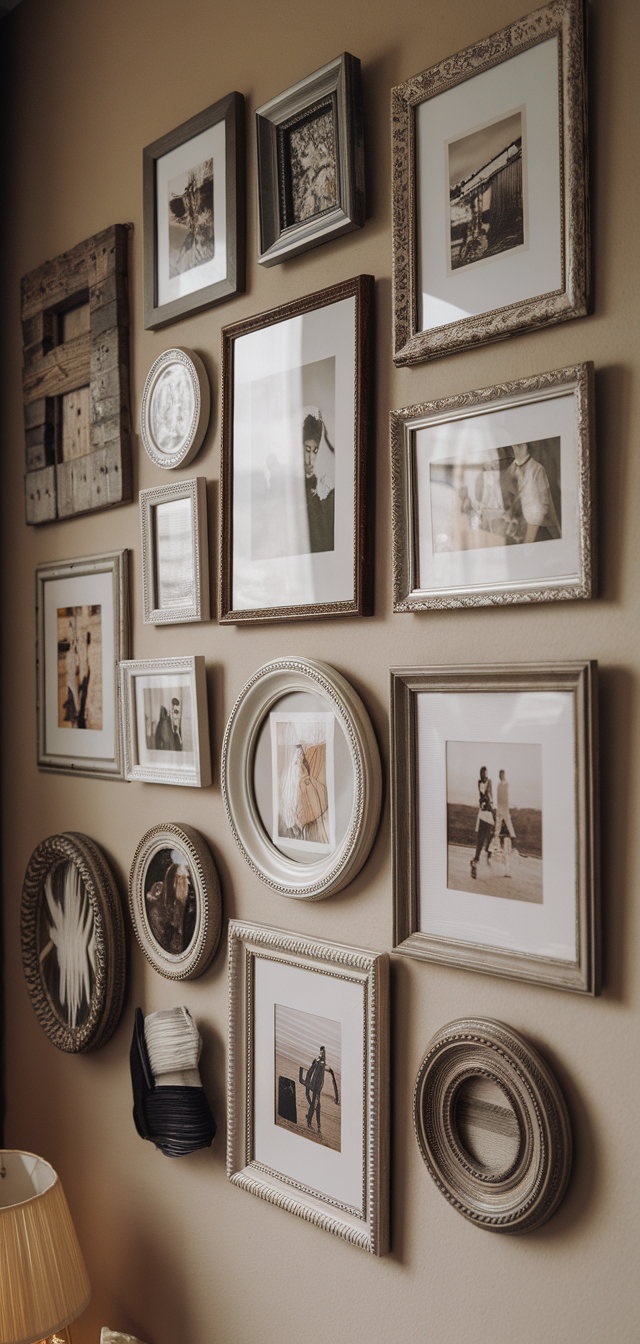
Framed fabric wall panels introduce depth and softness to otherwise flat walls, making them ideal for bedrooms, living rooms, and transitional spaces. Fabric absorbs light differently than paint or prints, creating subtle shadows and visual warmth that enhance comfort. This approach works exceptionally well in large rooms where traditional framed art may feel too sparse or cold.
DIY wall art ideas: Select medium-weight fabrics with visible weave or pattern to add texture without overwhelming the space. Stretch fabric tightly over backing boards before framing to avoid wrinkles. Using identical frame finishes maintains cohesion, while varying fabric patterns introduces controlled visual interest.
7. Hand-Painted Abstract Canvas Art
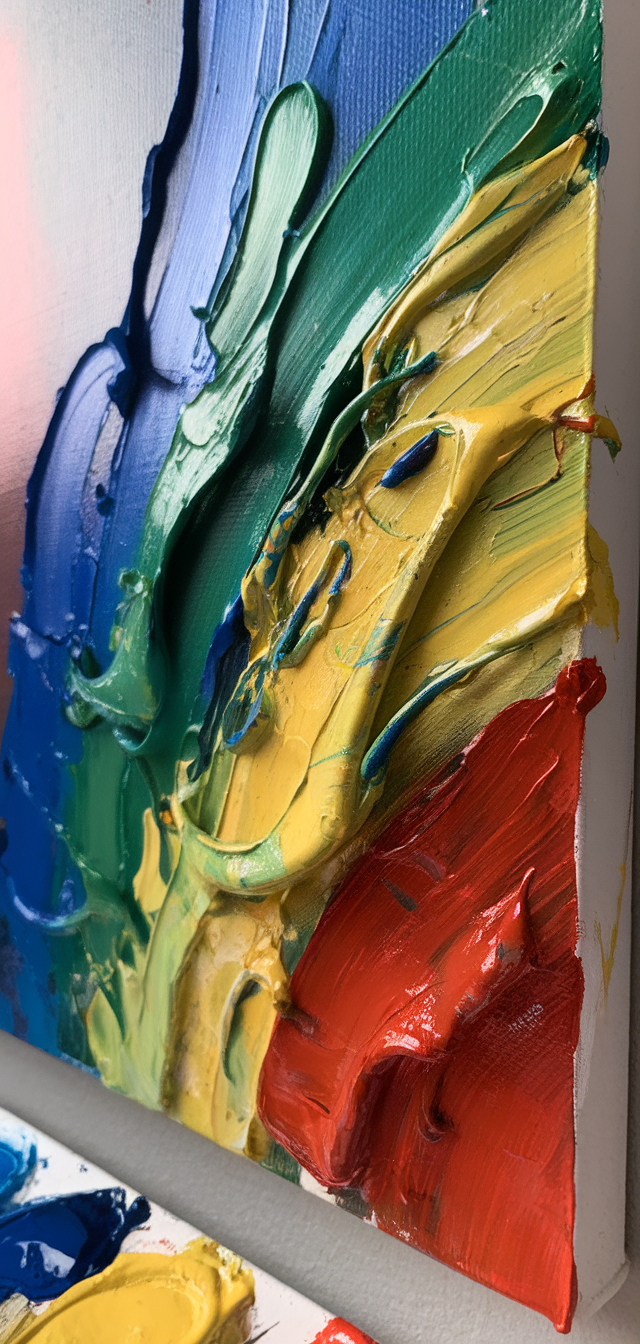
Hand-painted abstract canvas art delivers expressive energy and originality, making each piece truly one of a kind. Abstract compositions allow for emotional expression through movement, color flow, and layering, which can soften rigid architectural lines. These pieces adapt effortlessly to modern, contemporary, and creative interiors.
DIY wall art ideas: Begin with a neutral base coat to unify subsequent layers. Build depth gradually using translucent layers and varied brush techniques. Stepping back frequently during the process ensures balance and prevents overcrowding of visual elements.
6. Wood Slice or Reclaimed Wood Art
Reclaimed wood wall art introduces organic texture and natural variation, grounding interiors with warmth and authenticity. Each piece carries unique grain patterns and imperfections, creating visual richness that mass-produced décor cannot replicate.
DIY wall art ideas: Sand surfaces lightly while preserving natural texture to prevent splinters. Seal with a matte or satin finish to protect the wood without altering its character. Arranging pieces in geometric patterns adds modern structure to rustic materials.
5. Pressed Botanical and Floral Art
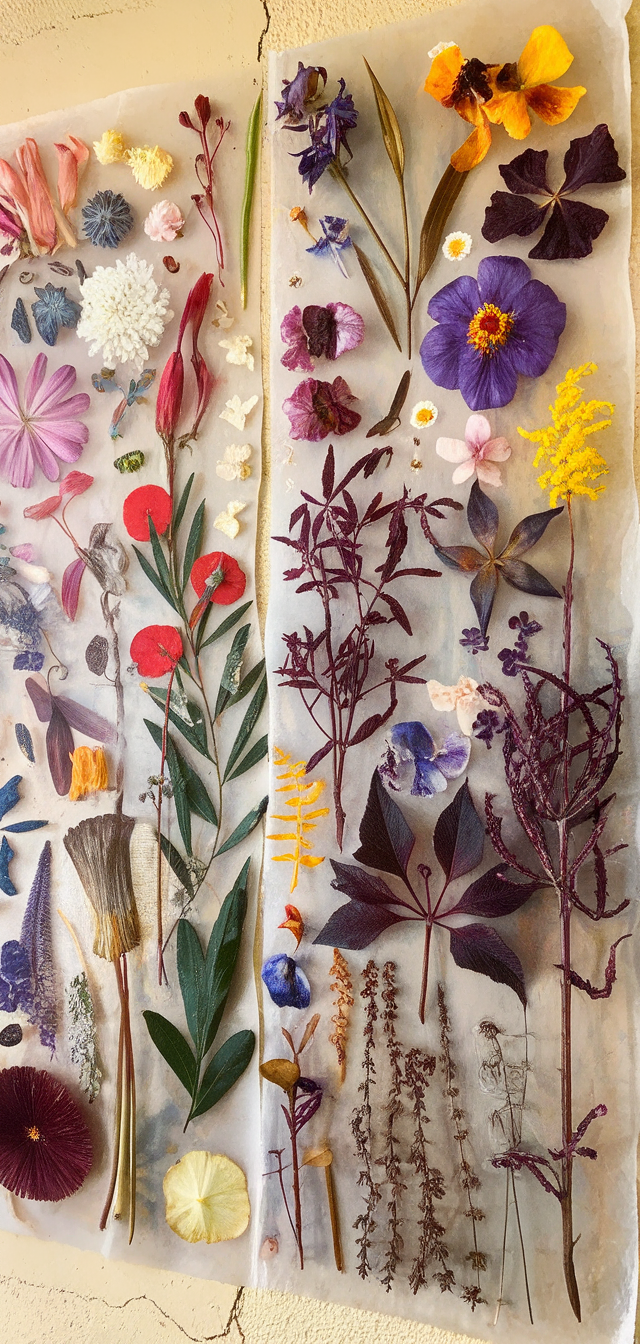
Pressed botanical art brings nature indoors in a refined, timeless way. The organic forms of leaves and flowers introduce softness and calm, making this style especially suitable for bedrooms, hallways, and serene living spaces.
DIY wall art ideas: Press botanicals fully flat to ensure a clean presentation. Neutral or off-white backgrounds allow colors and shapes to stand out clearly. Grouping multiple frames creates a cohesive botanical gallery that feels intentional and balanced.
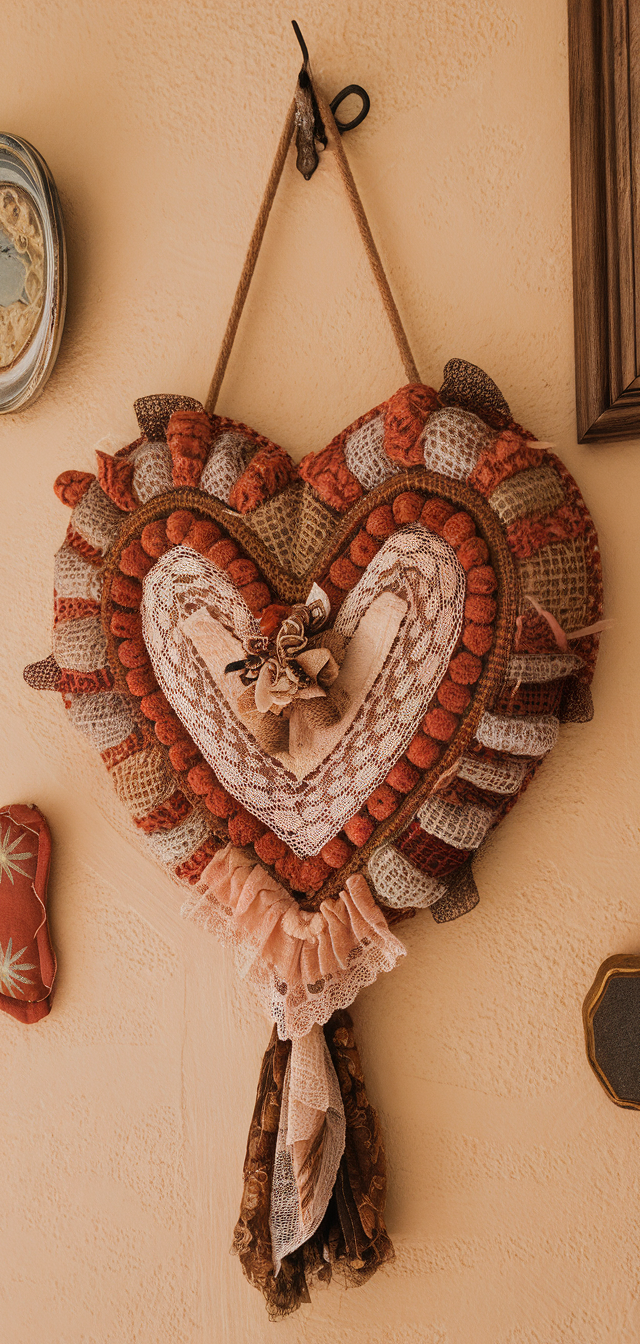
4. Textured Wall Hangings
Textured wall hangings add dimensional contrast and artisanal character to walls. Materials such as yarn, rope, and woven fibers soften architectural lines and enhance acoustic comfort, particularly in minimalist or modern spaces.
DIY wall art ideas: Vary fiber thickness to create layered depth. Keeping the color palette restrained allows texture to remain the focal point. Mounting pieces slightly away from the wall enhances shadow play and visual interest.
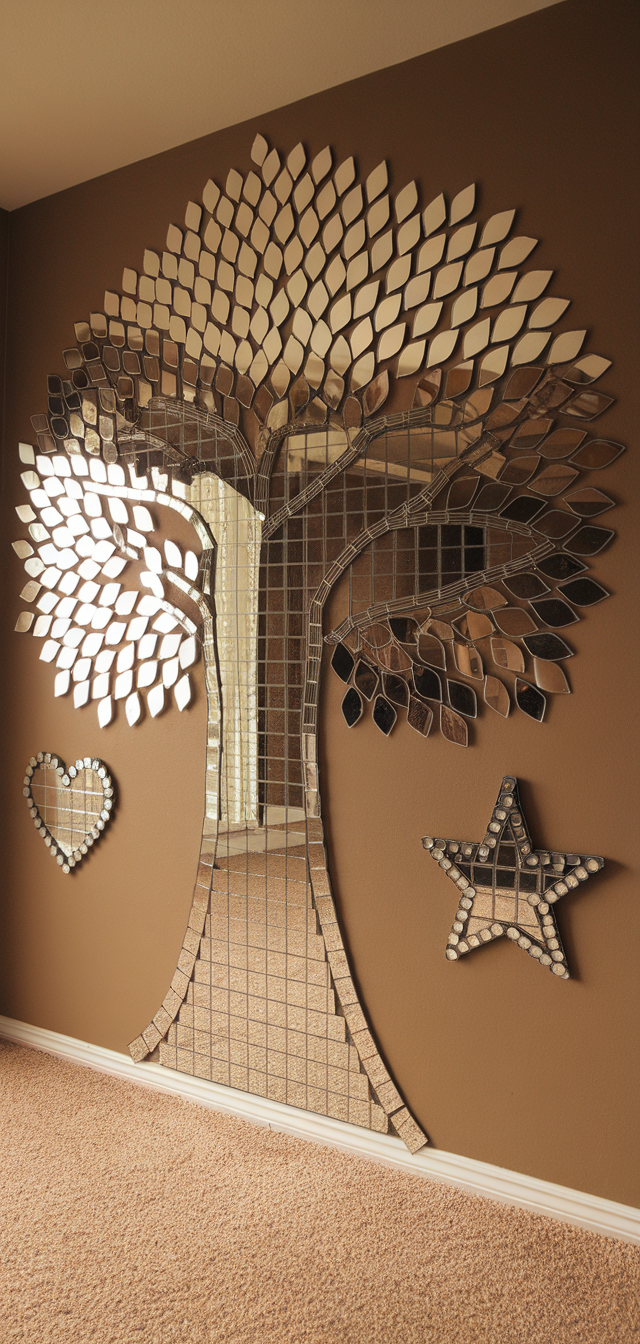
3. Mirror-Based Wall Art Designs
Mirror-based wall art serves both aesthetic and functional purposes, reflecting light while visually expanding space. This makes it especially effective in smaller rooms or areas with limited natural light. Decorative mirror compositions add elegance without visual heaviness.
DIY wall art ideas: Arrange mirrors to reflect windows, artwork, or architectural details rather than blank walls. Consistent frame finishes maintain cohesion, while varying shapes introduce movement and sophistication.
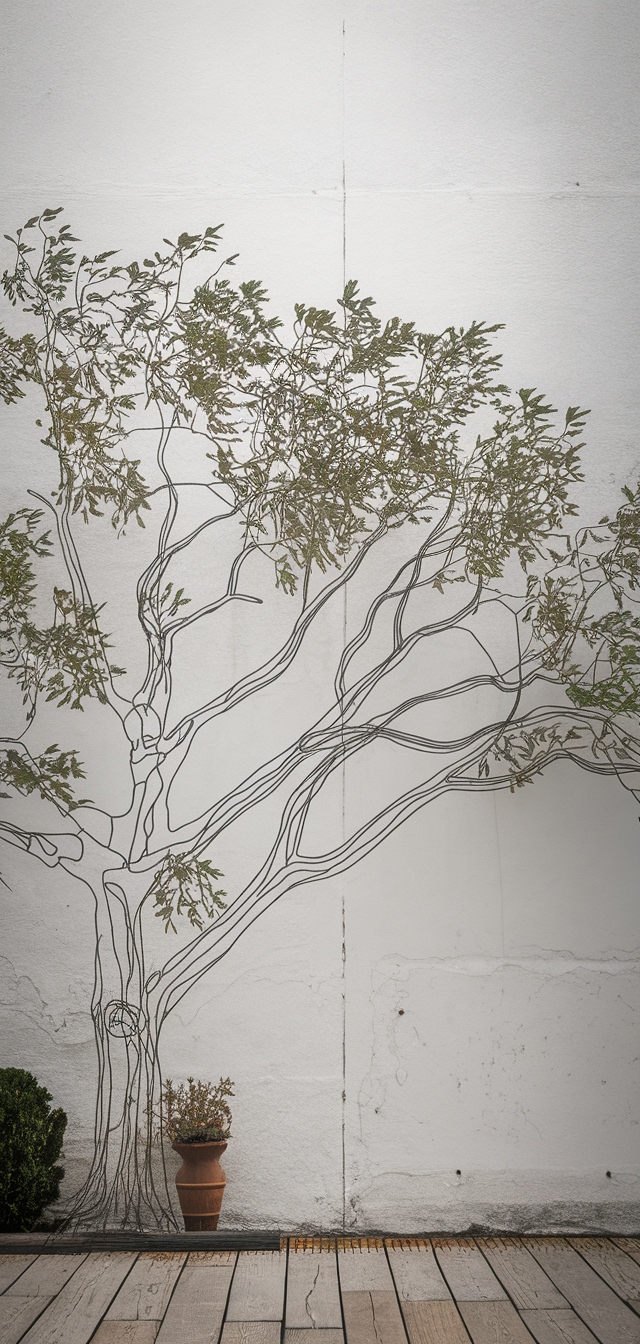
2. Large-Scale Minimalist Line Art

Minimalist line art relies on simplicity, proportion, and negative space to create powerful visual statements. Oversized pieces draw the eye without overwhelming the room, making them ideal focal points for modern interiors.
DIY wall art ideas: Use continuous lines to maintain flow and visual calm. Position artwork with sufficient surrounding space to emphasize scale and elegance. Neutral backgrounds enhance clarity and timeless appeal.
1. Multi-Panel Statement Wall Art
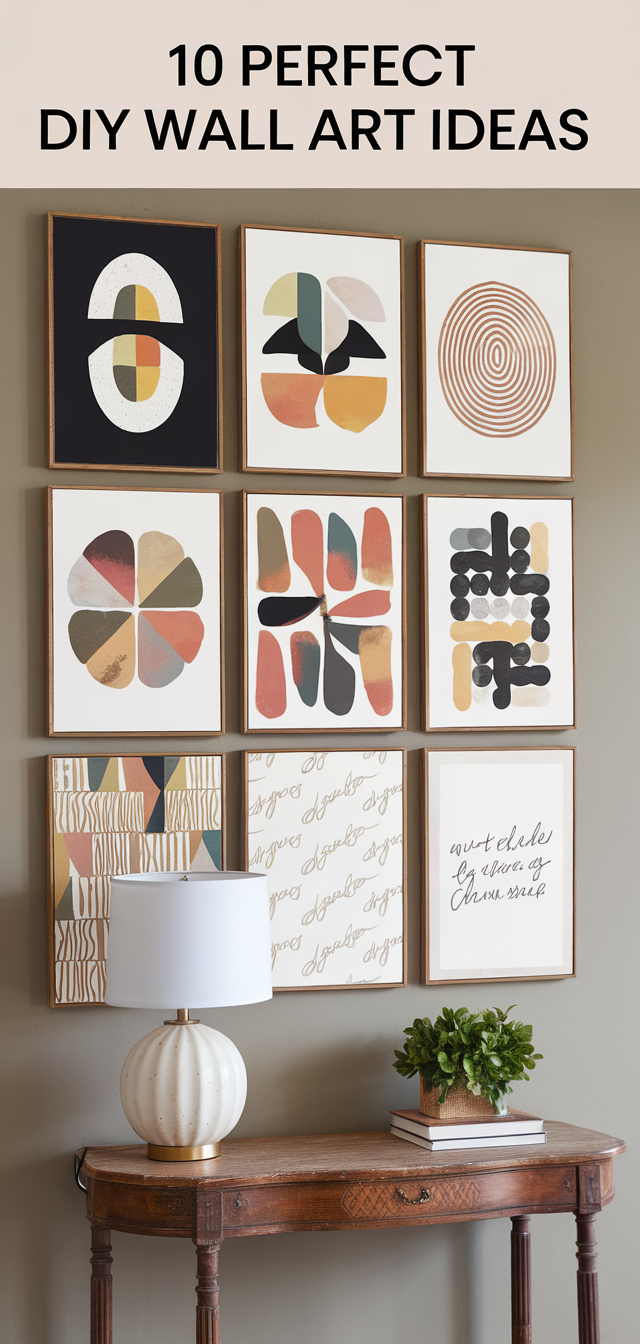
Multi-panel statement wall art commands attention through scale and repetition, making it ideal for large walls and open-plan layouts. Dividing a single image or theme across panels adds movement and architectural structure.
DIY wall art ideas: Maintain equal spacing between panels to ensure visual continuity. Align panels horizontally or vertically based on wall proportions. Choosing a cohesive color palette reinforces unity across the composition.
Conclusion
These DIY wall art ideas demonstrate how thoughtful design, material selection, and composition transform walls into meaningful design statements. By combining creativity with structure, DIY wall art enhances atmosphere, reflects personal style, and delivers lasting visual impact across every interior space.