Every Thanksgiving, my table centerpiece situation was the same last-minute scramble: a grocery store bouquet grabbed the day before, jammed into whatever vase I could find, wilting slightly by the time guests actually sat down. It looked fine, technically, but it never felt like it belonged to the holiday specifically; it could have been sitting on my table any random Tuesday in October. Meanwhile, I’d see gorgeous, natural-looking centerpieces online and assume they required a florist’s budget and skill set I simply didn’t have.
If you’ve ever thrown together a Thanksgiving centerpiece at the last minute and felt like it didn’t quite match the effort you put into everything else on the table, you’re definitely not alone. The good news is that the most striking Thanksgiving centerpieces often aren’t built from expensive florals at all; they’re built from natural, seasonal materials that are affordable, long-lasting, and genuinely easy to arrange well.
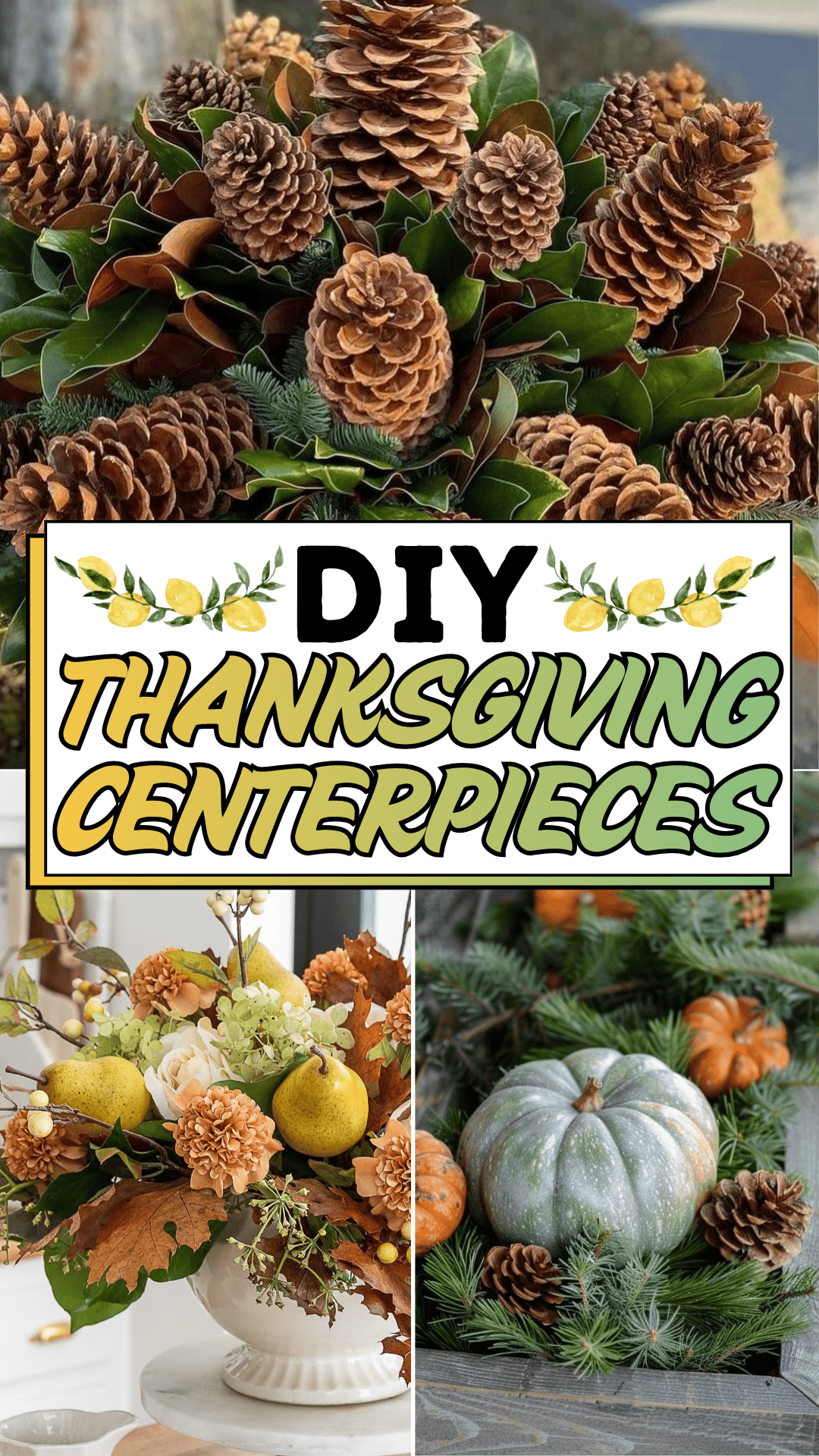
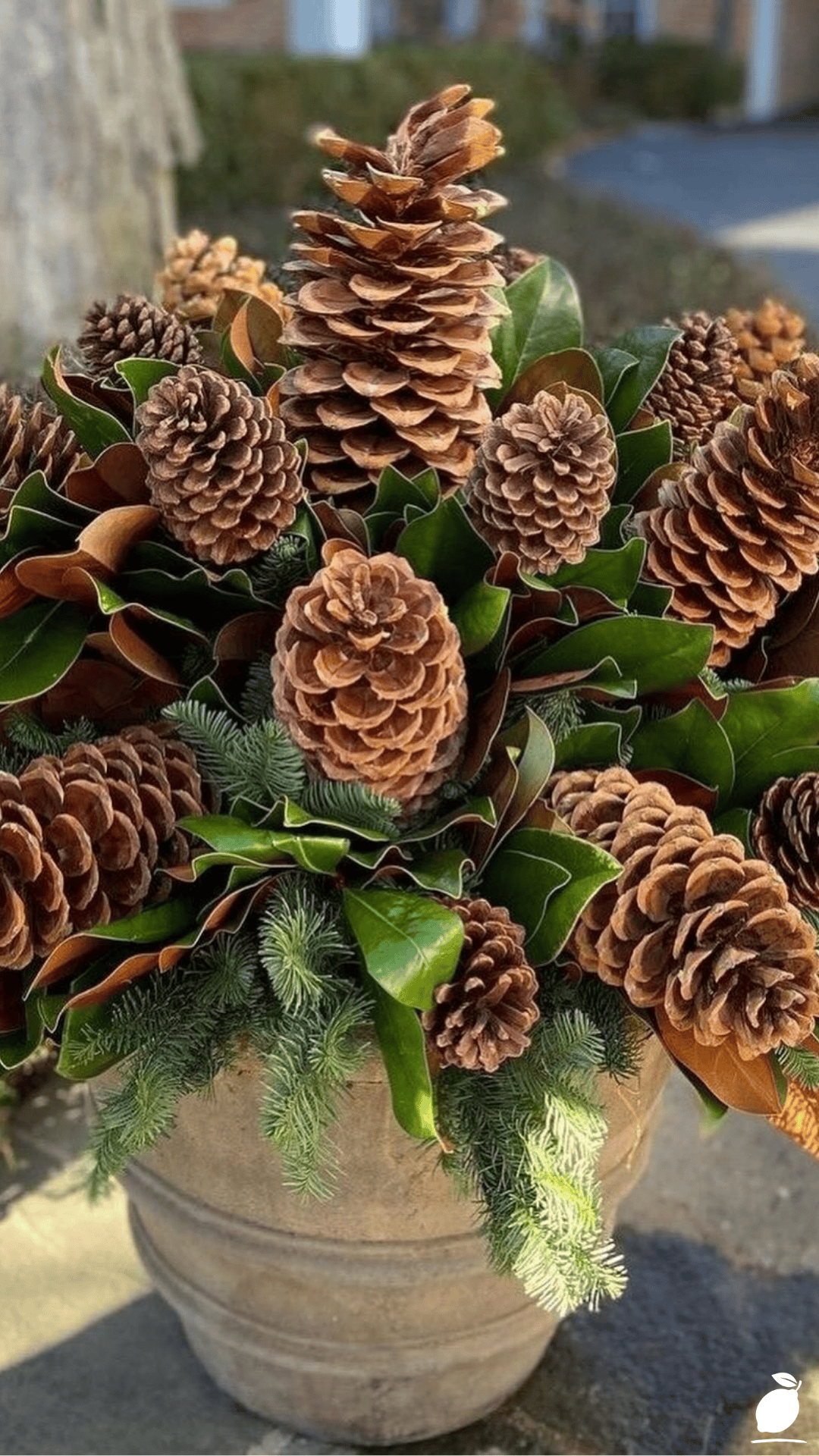
That clicked for me looking at a simple arrangement in a light ceramic pot: clusters of weathered brown pinecones nestled among fresh green magnolia leaves, dark fir branches adding texture and depth, the whole thing photographed against a soft, blurred backdrop. It wasn’t flowers at all; it was texture, natural color, and thoughtful layering doing all the work. That single image became my go-to formula for DIY Thanksgiving centerpieces, and here’s exactly how to build one yourself.
The Thanksgiving Centerpieces Blueprint
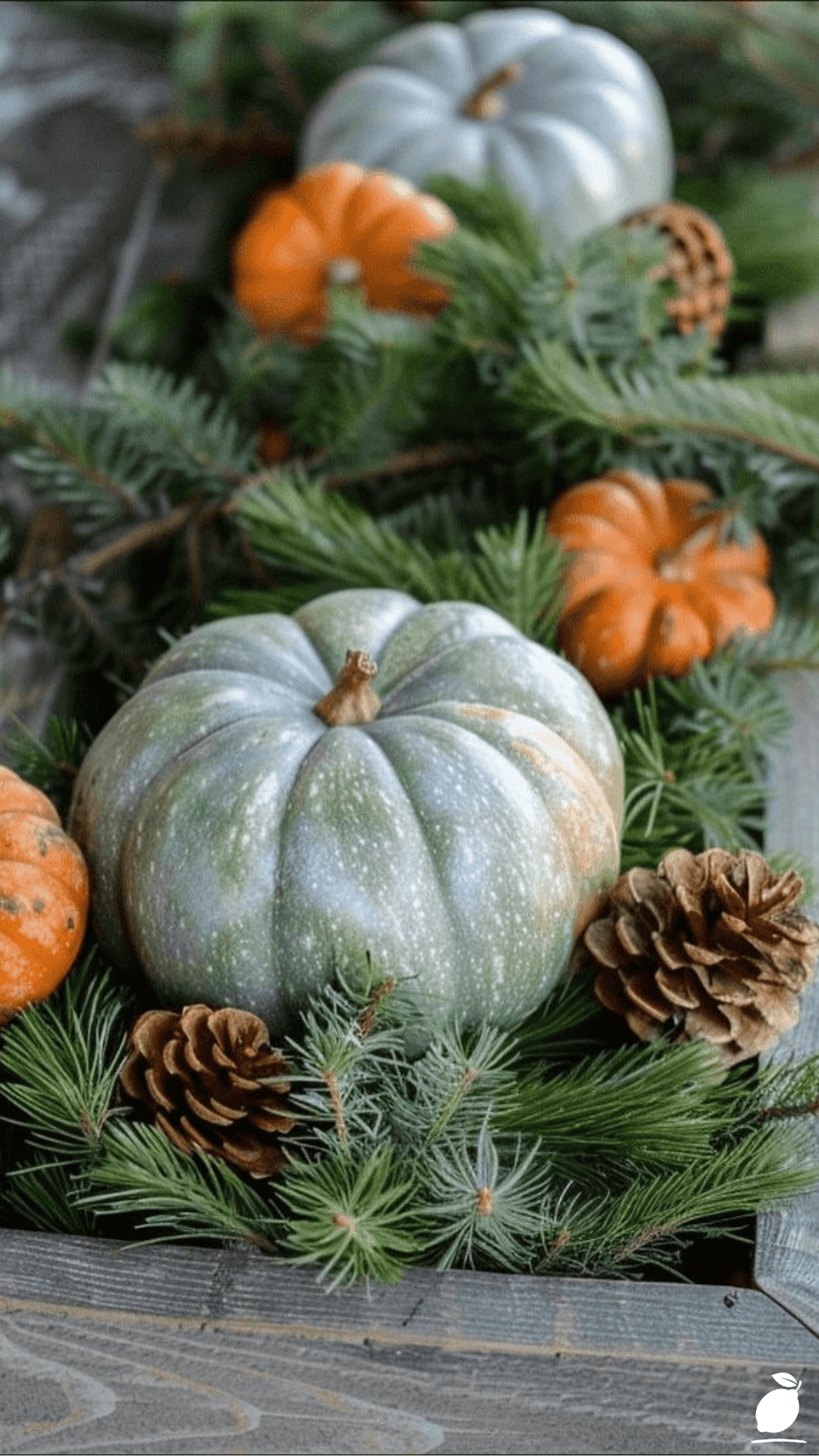
Building beautiful, natural Thanksgiving centerpieces comes down to a simple sequence: choose a container, gather materials, and layer texture and height in the right order. Follow these steps for a display that looks professionally styled every time.
Step 1: Choose Your Base Container
Select a simple, sturdy container a ceramic pot, wide bowl, or shallow tray in a neutral tone like beige, white, or terracotta that won’t compete with the natural materials you’ll be arranging inside it.
Step 2: Gather Natural Foraged Materials
Collect pinecones, evergreen branches (fir, cedar, or pine), and broad leaves like magnolia from your yard, a local park, or a craft store if foraging isn’t an option. Natural materials like these hold up far longer than fresh flowers and cost little to nothing, making them ideal for budget-friendly Thanksgiving centerpieces.
Step 3: Prep Your Materials
Clean pinecones of any dirt or debris, and trim branch and leaf stems to your desired length. If using fresh-cut greenery, a quick rinse and pat-dry keeps everything looking crisp for the display.
Step 4: Build a Base Layer of Greenery
Arrange your largest leaves or branches first, layering them around the base of your container to establish the overall shape and fill in the foundational structure of the centerpiece.
Step 5: Add Pinecones for Texture and Height
Cluster pinecones of varying sizes throughout the greenery, nestling some deeper into the arrangement and letting others sit more prominently on top for visual texture and dimension.
Step 6: Layer in Additional Greenery for Depth
Tuck smaller sprigs of fir or other evergreen branches into any gaps, filling out the arrangement and adding depth so no single element looks isolated or sparse.
Step 7: Adjust for Balance and Fullness
Step back and assess the arrangement from multiple angles, rotating the container and adding or repositioning elements until the centerpiece looks full and balanced from every side the table will actually be viewed from.
Step 8: Add a Finishing Touch
Consider adding a few small seasonal accents, such as a scattering of dried berries, a thin ribbon, or a few small gourds for a personal touch, while keeping the overall look natural rather than overly decorated.
Expert Secrets for Success
Pro-Tips for a Better Result
- Use a mix of pinecone sizes for the most natural, professionally styled look; the best Thanksgiving centerpieces almost always rely on this kind of intentional size variation rather than uniform pieces.
- Choose long-lasting greenery like fir, cedar, or magnolia, which hold up well without water for weeks, unlike more delicate fresh-cut flowers.
- Keep your centerpiece low enough that guests can comfortably see and talk across the table during the meal.
- Spray pinecones lightly with a clear sealant if you want extra shine and a slightly more polished, finished appearance.
Common Mistakes to Avoid
- Don’t overcrowd the arrangement with too many different materials; a limited, cohesive material palette (pinecones, one type of greenery, one accent) looks more intentional than a mix of everything available in most Thanksgiving centerpieces.
- Avoid using fresh flowers without water access if the centerpiece needs to last multiple days; natural, dried materials are far more practical for a display meant to sit out for an extended holiday period.
- Don’t skip cleaning foraged materials before use; dirt, insects, or debris can detract from an otherwise beautiful natural arrangement.
- Resist making the centerpiece too tall or wide for your table; oversized arrangements can block sightlines and make conversation across the table awkward.
Why Thanksgiving Centerpieces Matter
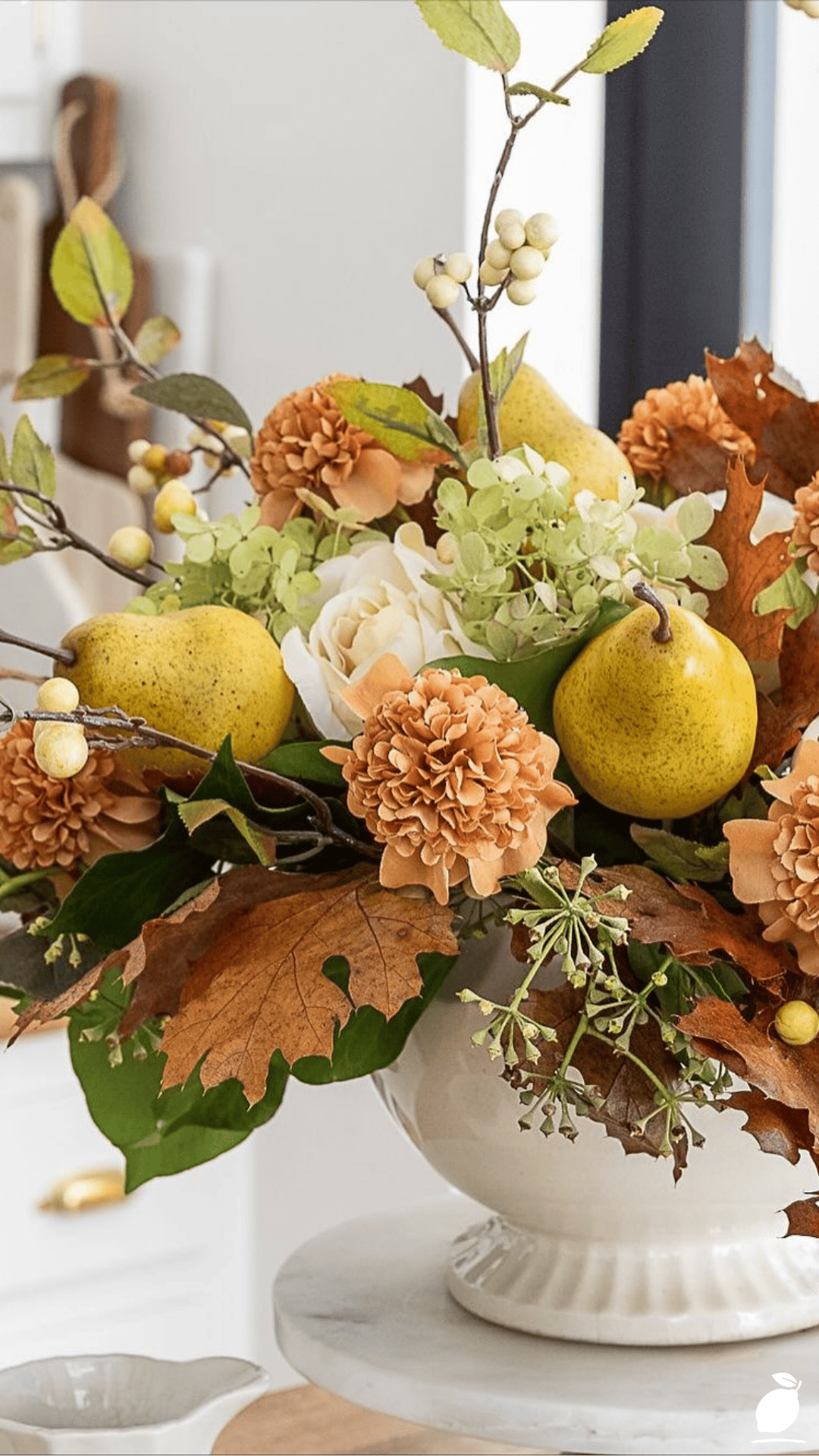
A centerpiece does more than fill space on a table; it sets the emotional tone for the entire gathering, signaling that real thought and care went into the meal beyond just the food itself. A beautifully arranged, handmade centerpiece becomes something guests genuinely notice, a small but meaningful detail that elevates the whole experience of sitting down together.
There’s also a quiet satisfaction that comes from creating something with your own hands using materials gathered from your own yard or a simple trip outside. DIY Thanksgiving centerpieces don’t require expensive florals or professional styling skills just a little intention and a handful of natural materials. That small, achievable project brings a real sense of calm and pride to the table, and to the whole holiday.
FAQ
How long do natural pinecone and greenery centerpieces last?
Arrangements made primarily from pinecones and evergreen branches can last several weeks without water, making them significantly longer-lasting than fresh floral centerpieces.
Can I use materials I find outside for a DIY centerpiece?
Yes, foraged pinecones, branches, and leaves are a popular, budget-friendly choice for natural centerpieces, as long as they’re cleaned of dirt and debris before use.
What container works best for a natural Thanksgiving centerpiece?
A simple, neutral-toned container like a ceramic pot, wide bowl, or shallow tray works best, since it won’t compete visually with the natural textures and colors of the arrangement itself.
How do I keep a centerpiece from looking too plain or too cluttered?
Stick to two or three main materials (like pinecones, one type of greenery, and one accent) arranged with varying heights and textures for a balanced, intentional look.
Can DIY Thanksgiving centerpieces be reused for other fall or winter occasions?
Yes, natural material arrangements using pinecones and evergreen branches often transition seamlessly from Thanksgiving into winter holiday décor with minimal or no adjustments needed.