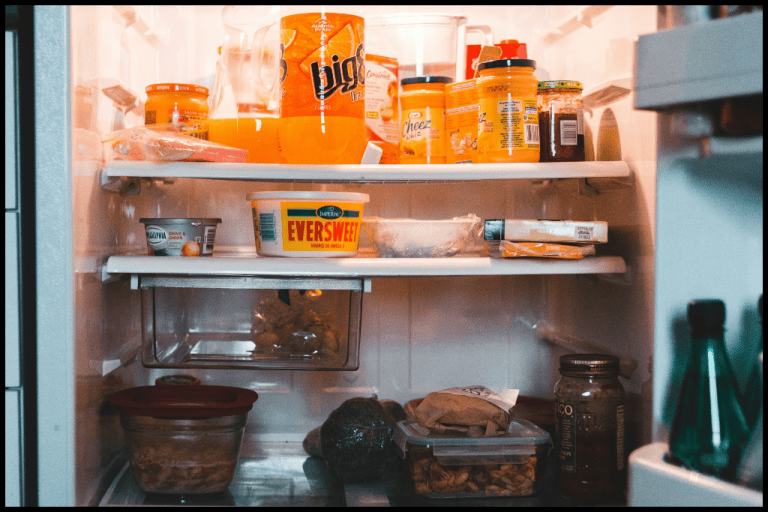
It’s 6:15 on Thanksgiving morning, and you’re standing in the kitchen in your robe, staring at a turkey that should have gone in the oven twenty minutes ago, while a sticky note on the fridge lists four side dishes you haven’t started and a text from your mother-in-law asking what time to arrive. Somewhere in the last three weeks, “I’ll figure it out as I go” felt like a reasonable plan. It is not. By 9 a.m., you’re sweating over timing math you never learned in school: how long does a turkey actually take per pound, and why does every source online say something different while your kids ask when they can eat and the smoke detector chirps because something in the back of the oven caught.
If that scene feels a little too familiar, you’re in good company. Thanksgiving is, by a wide margin, the most logistically demanding meal most people cook all year: one oven, one timeline, and six or seven dishes that all need to land on the table warm, at the same moment, without anyone standing over a stove in tears. Without a plan, the day turns into a blur of guesswork, and even a genuinely delicious meal can leave the cook too frazzled to actually enjoy it.
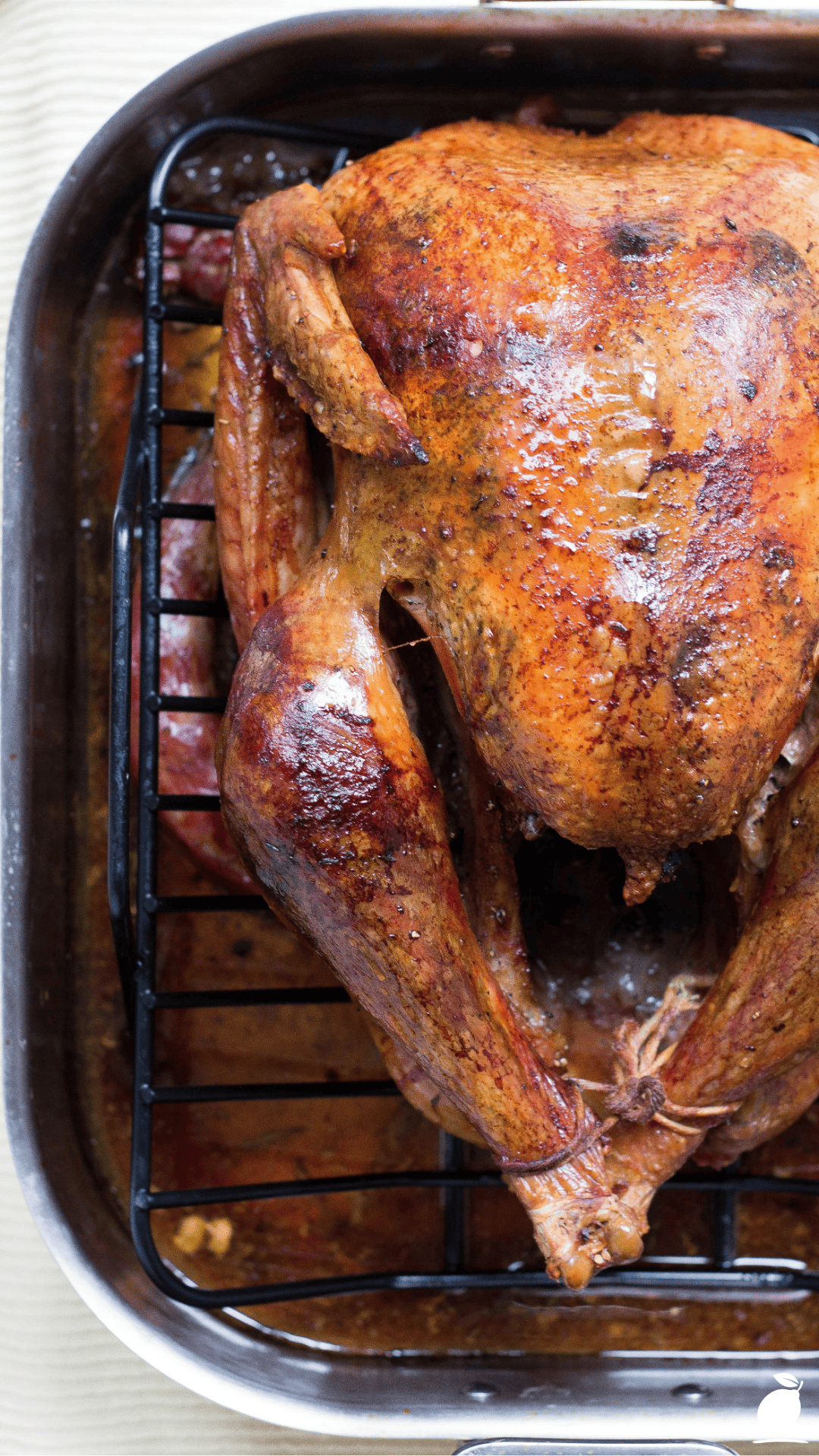
Now picture the alternative: a single, perfectly roasted turkey, golden and glossy, resting calmly on its rack, juices pooled neatly beneath it, nothing rushed, nothing burnt, nothing forgotten. That image is what a real plan produces. It’s the entire idea behind this guide. Consider this your less-stress Thanksgiving planner: a clear, repeatable system that turns “figuring it out as I go” into a calm, confident countdown to dinner.
The Thanksgiving Planner Blueprint
A good Thanksgiving planner isn’t a vague list of reminders; it’s a sequenced timeline that tells you exactly what to do, and when, so nothing gets left to chance on the day itself. Here’s the full blueprint, broken into the stages every effective Thanksgiving planner should cover.
Step 1: Set Your Guest Count and Menu Three Weeks Out
Every good Thanksgiving planner starts here. Lock in how many people you’re feeding and finalize your full menu at least three weeks before the day. This single decision determines your grocery list, your oven schedule, and your table setup, so getting it settled early prevents a dozen smaller decisions from piling up later.
Step 2: Build a Two-Week Shopping List
Split your shopping into two trips: a two-week-out trip for the turkey, pantry staples, and anything frozen, and a two-to-three-day-out trip for fresh produce, dairy, and bread. A well-organized Thanksgiving planner always separates shelf-stable items from perishables so nothing wilts before you need it.
Step 3: Create a Reverse Timeline from Dinner Time
Working backward from your target serving time, map out exactly when the turkey needs to go in, when it needs to rest, and when every side dish needs oven or stovetop time. This reverse-timeline step is the true heart of any effective Thanksgiving planner, because it’s what prevents the classic Thanksgiving bottleneck of six dishes needing the same oven slot at once.
Step 4: Thaw and Prep the Turkey Properly
If frozen, calculate thaw time using roughly 24 hours per 4–5 pounds in the refrigerator, and build that window directly into your Thanksgiving planner so you’re never caught with a rock-solid bird on Thanksgiving Eve. Pat it dry and season it the night before for the crispest, most evenly browned skin.
Step 5: Prep Make-Ahead Dishes Two Days Out
Cranberry sauce, pie crusts, and many casseroles can be made up to two days ahead and reheated beautifully. Slotting these into your Thanksgiving planner early frees up your oven and your energy for the dishes that truly need same-day attention.
Step 6: Set the Table the Night Before
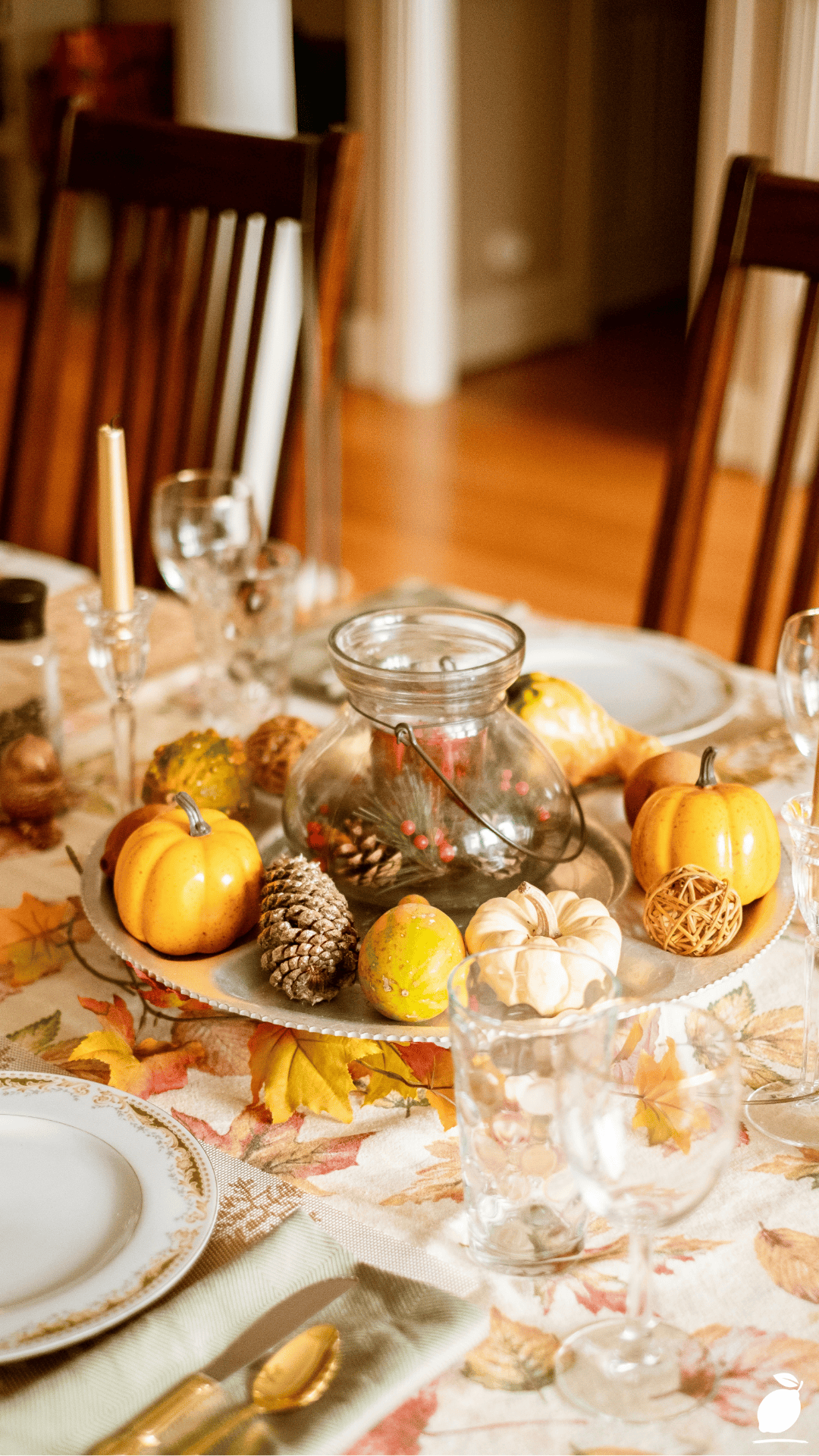
Full table setup plates, silverware, centerpiece, name cards if you’re using them can happen the evening before with zero downside. This is one of the easiest wins any Thanksgiving planner can include, since it removes an entire category of stress from the morning of.
Step 7: Roast the Turkey on Schedule
Follow your reverse timeline exactly, using a meat thermometer rather than guesswork; the internal temperature should reach 165°F in the thickest part of the thigh. This is the step every other part of your Thanksgiving planner exists to protect, so give it your full, undistracted attention when the moment arrives.
Step 8: Rest, Carve, and Coordinate the Final Sides
Let the turkey rest for at least 20–30 minutes before carving; this resting window is actually a gift, since it’s the exact time you can use to finish reheating sides and get everything plated. A well-timed Thanksgiving planner treats this rest period as active prep time, not dead air.
Step 9: Serve, Sit Down, and Actually Enjoy It
Once the table is full, put down the serving spoons and sit. The entire purpose of building a Thanksgiving planner in the first place is to buy yourself this moment: a meal you get to actually experience instead of manage from the sidelines.
Expert Secrets for Success

Pro-Tips for a Better Result
Use a physical or digital countdown, not memory. The single best upgrade to any Thanksgiving planner is writing your reverse timeline somewhere visible: a printed sheet on the fridge or a shared note so you’re never relying on stressed, sleep-deprived memory on the day itself.
Buy a second meat thermometer as backup. Nothing derails a Thanksgiving planner faster than a dead battery at the worst possible moment. A five-dollar backup thermometer solves this completely.
Prep in “zones.” Divide your kitchen into zones: oven tasks, stovetop tasks, no-cook tasks, and batch similar work together. This small structural trick makes any Thanksgiving planner far easier to execute under pressure.
Assign one dish per helper. If anyone offers to help, hand them full ownership of one specific item rather than vague assistance. A Thanksgiving planner works best when tasks are clearly divided, not shared ambiguously.
Build in 30 minutes of slack. Add a built-in buffer to your reverse timeline for the inevitable small delay. A Thanksgiving planner without slack time is a plan that breaks the moment anything runs even slightly late.
Common Mistakes to Avoid
Skipping the reverse timeline entirely. Without this step, even a well-stocked kitchen turns chaotic fast. It’s the single most important piece of any working Thanksgiving planner.
Underestimating thaw time. A frozen turkey that isn’t fully thawed won’t cook evenly, and no Thanksgiving planner can fix that once the bird is already in the oven.
Overloading the oven at the same time. Trying to bake, roast, and reheat everything simultaneously is the fastest way to blow past your timeline. Stagger, don’t stack.
Forgetting to rest the turkey. Carving too early releases all the juices onto the cutting board instead of into the meat. Build resting time directly into your Thanksgiving planner, not as an afterthought.
Not writing anything down. Verbal plans get forgotten under stress. A Thanksgiving planner only works if it exists somewhere you can actually look at it mid-cooking.
Why a Thanksgiving Planner Matters
It’s tempting to treat a Thanksgiving planner as a purely practical tool, a way to avoid a cold turkey or a missed side dish. But the real value runs much deeper than logistics. A good plan is what allows the person doing the cooking to actually be present at their own holiday, instead of mentally cycling through a dozen half-finished tasks while everyone else is already seated and chatting.
There’s a direct line between a calm kitchen and a calm household. When the cook isn’t frantic, the whole house feels it: kids sense less tension, conversations flow more easily, and the day starts to feel like the gathering it was meant to be rather than a performance under pressure. A thoughtful Thanksgiving planner isn’t about control for its own sake; it’s about protecting your own bandwidth so you have something left to give once the table is finally set.
This is exactly the philosophy behind everything we build at Easy Peasy Life Matters: small systems that create outsized peace of mind. A Thanksgiving planner is, at its core, a mental-clarity tool disguised as a cooking schedule one that lets you trade morning-of chaos for the kind of steady, golden-turkey calm you see in a perfectly styled photo, and actually live inside that calm instead of just admiring it from a distance.
FAQ
How far in advance should I start using a Thanksgiving planner?
Ideally, begin at least three weeks before the holiday. This gives you time to finalize your guest count and menu, shop in two manageable trips, and build a realistic reverse timeline without feeling rushed.
What’s the most important part of any Thanksgiving planner?
The reverse timeline, working backward from your intended serving time to schedule every dish, is the single most important element. It’s the piece that prevents oven bottlenecks and last-minute scrambling more than any other step.
Can a Thanksgiving planner really help if I’m cooking for a large group?
Yes, and arguably it matters even more for larger groups. The more dishes and guests involved, the more a written, sequenced Thanksgiving planner protects you from the compounding chaos that comes with scale.
How do I build a Thanksgiving planner if I’ve never hosted before?
Start simple: list your menu, calculate thaw and cook time for your turkey, and work backward from your serving time to slot in every other dish. Even a basic first-time Thanksgiving planner dramatically outperforms no plan at all.
What should I do if my Thanksgiving planner timeline starts slipping on the day?
Lean on your built-in buffer time first, and if you’re still behind, prioritize the turkey and one or two key sides over less essential dishes. A flexible Thanksgiving planner should bend without breaking; a slightly later dinner is always better than a stressed, rushed one.