The fiddle leaf fig lasted exactly six weeks. You’d seen it in every apartment tour online, dramatic and glossy, practically begging to be the centerpiece of your living room corner, so you bought one, found it the “perfect” spot by the window, and watched it slowly drop leaf after leaf until it was basically a stick with two sad survivors clinging on. Before that it was a fern that crisped up within days, and before that a succulent that somehow rotted despite living in what you were sure was a sunny window.
If your apartment windows face a brick wall, a shaded courtyard, or just don’t get the kind of golden, filtered light influencers seem to have on tap, you already know this frustration intimately. Most popular houseplants are bred and marketed for bright, ideal conditions that a huge number of city apartments simply don’t have. It’s not that you lack a green thumb; it’s that you’ve been trying to keep the wrong plants alive in the wrong light, over and over, and blaming yourself every time.
Then there’s the alternative: a softly lit corner with a plush rug, a comfortable chair, and open wooden shelves absolutely thriving with green trailing pothos spilling over the edges, a tall, upright snake plant holding its own in the shade, leafy trailing varieties tucked in ceramic pots, all of it calm, lush, and clearly low-effort. That’s not a fluke or a rare sunny apartment. It’s simply the right houseplant choices for low light, and this guide walks through exactly which ones will actually survive and thrive in your space.
The Houseplant Guide
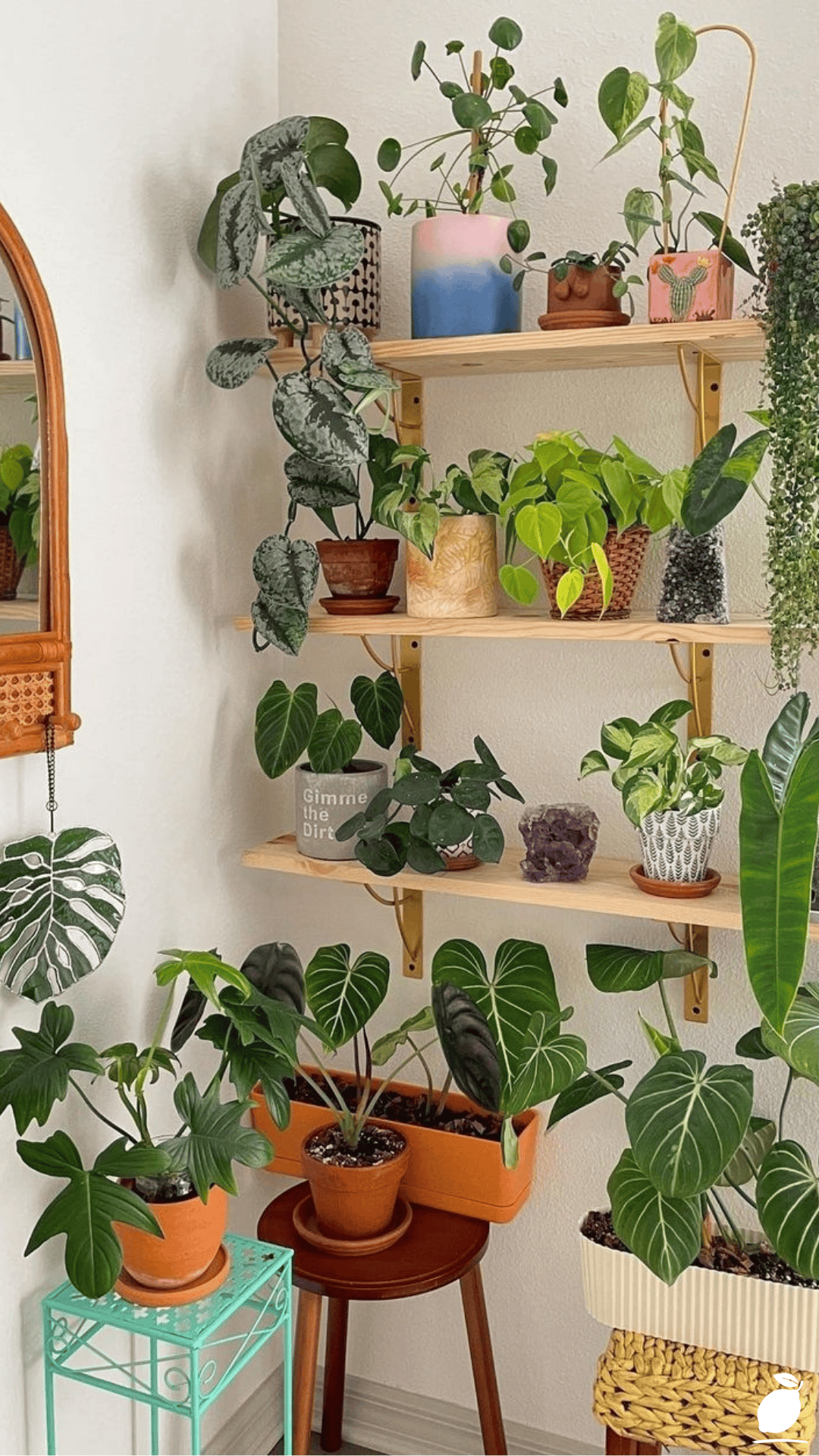
Each of these plants was chosen specifically because it tolerates low, indirect light and forgives the occasional missed watering, making them ideal for apartments without much natural sunlight.
Pothos
With trailing vines and heart-shaped leaves in shades of green, gold, or variegated white, pothos is one of the most forgiving and adaptable houseplants available.
Why it works: Pothos tolerates low light exceptionally well, grows quickly even in less-than-ideal conditions, and can go a week or two between waterings without any visible stress.
Snake Plant
Tall, upright, and architectural, the snake plant’s stiff green leaves add structure to any shelf or corner without needing bright light to look striking.
Why it works: As one of the most drought-tolerant and low-light-tolerant houseplants around, snake plants can survive weeks of neglect and actually prefer to dry out fully between waterings.
ZZ Plant
With glossy, dark green leaves and a naturally sculptural growth habit, the ZZ plant brings a polished look to low-light spaces with almost zero maintenance.
Why it works: ZZ plants store water in their rhizomes, allowing them to thrive in low light and survive infrequent watering better than almost any other popular houseplant.
Peace Lily
This elegant plant features glossy leaves and occasional white blooms, adding softness and a touch of drama to shaded corners.
Why it works: Peace lilies tolerate low light well and dramatically droop when thirsty, giving you a clear, visual reminder to water rather than leaving you guessing.
Cast Iron Plant
True to its name, this rugged, dark green leafy plant is famous for surviving conditions that kill most other houseplants.
Why it works: Extremely tolerant of low light, temperature fluctuations, and irregular watering, the cast iron plant is often recommended as the single hardest houseplant to kill.
Chinese Evergreen
With patterned, silvery-green leaves, Chinese evergreen brings color variation to a shaded shelf without needing direct sun to keep its markings vivid.
Why it works: This houseplant is specifically bred to tolerate low-light indoor environments and stays compact and manageable, even on a smaller shelf.
Philodendron (Heartleaf)
Similar in look to pothos but with softer, slightly thinner leaves, heartleaf philodendron trails beautifully from shelves or hanging planters.
Why it works: This houseplant adapts easily to low light, grows steadily with minimal care, and is easy to propagate if you want to fill more shelves for free.
Expert Secrets for Success
Pro-Tips for Better Results
Rotate your plants regularly. Turning each houseplant a quarter turn every week or two encourages even growth toward whatever light source is available, preventing lopsided leaning.
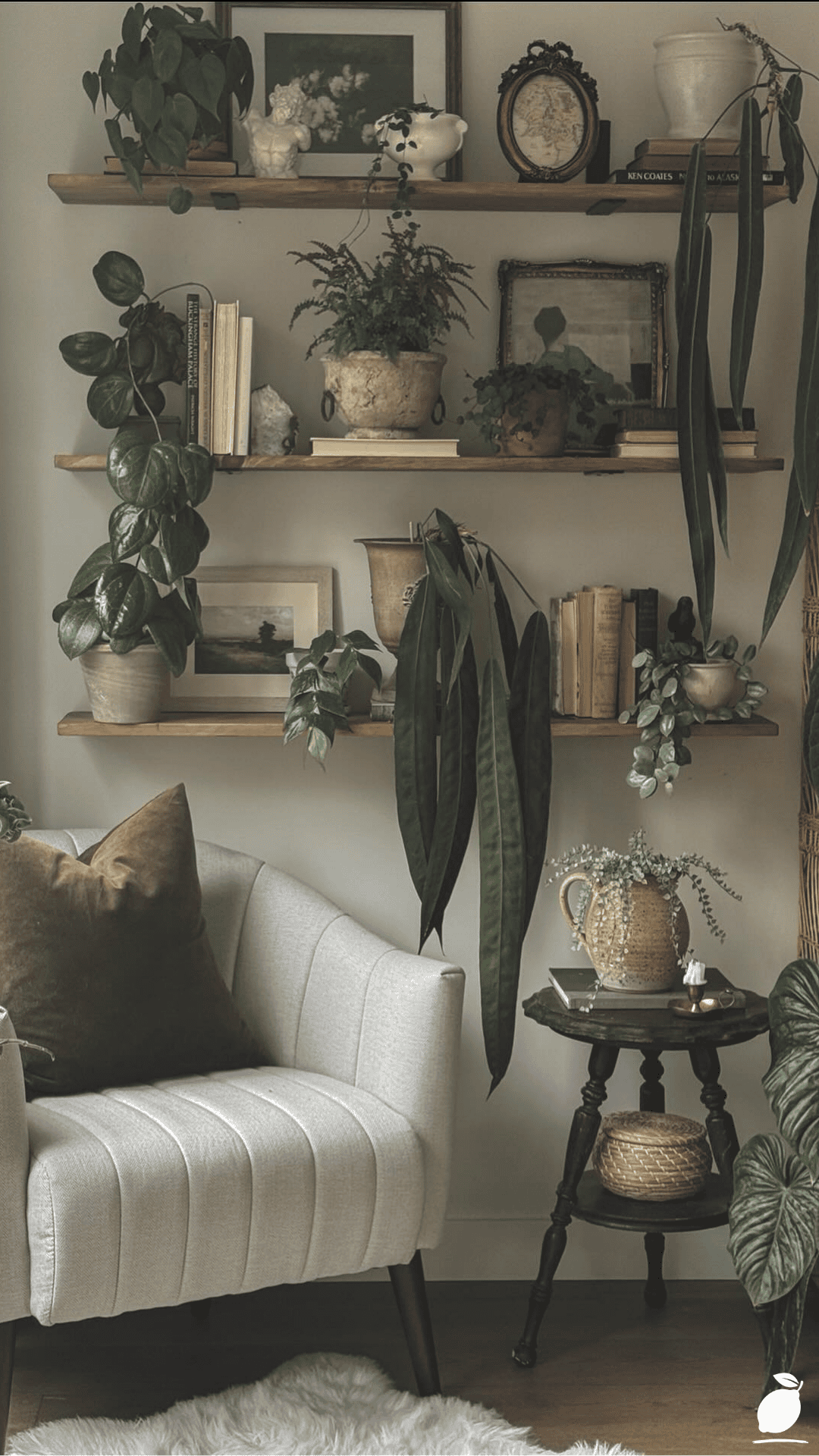
Group plants with similar needs together. Clustering low-light, low-water houseplants on the same shelf, like the mixed grouping shown above, simplifies your care routine significantly.
Dust the leaves occasionally. A light wipe with a damp cloth every few weeks helps leaves absorb what limited light is available more efficiently.
Use well-draining pots and soil. Low-light houseplants are watered less frequently, so proper drainage prevents root rot when watering does happen.
Supplement with a grow light if needed. A simple, inexpensive grow light can noticeably boost growth for any houseplant in a particularly dim apartment corner.
Common Mistakes to Avoid
Overwatering out of habit. The most common way to kill a low-light houseplant isn’t neglect; it’s watering on a fixed schedule instead of checking actual soil moisture first.
Placing plants too far from any light source. Even the most tolerant houseplant still needs some indirect light; a windowless interior room often isn’t enough without artificial supplementation.
Choosing high-light plants on impulse. Fiddle leaf figs, succulents, and most flowering plants need considerably more light than apartment living rooms typically offer, no matter how appealing they look in photos.
Ignoring pot size. A pot that’s too large holds excess moisture longer than the plant’s roots can use, increasing the risk of root rot in low-light conditions.
Skipping the acclimation period. Moving a houseplant straight from a bright nursery greenhouse into a dim apartment without a gradual transition can cause unnecessary leaf drop and stress.
Why Houseplants Matter
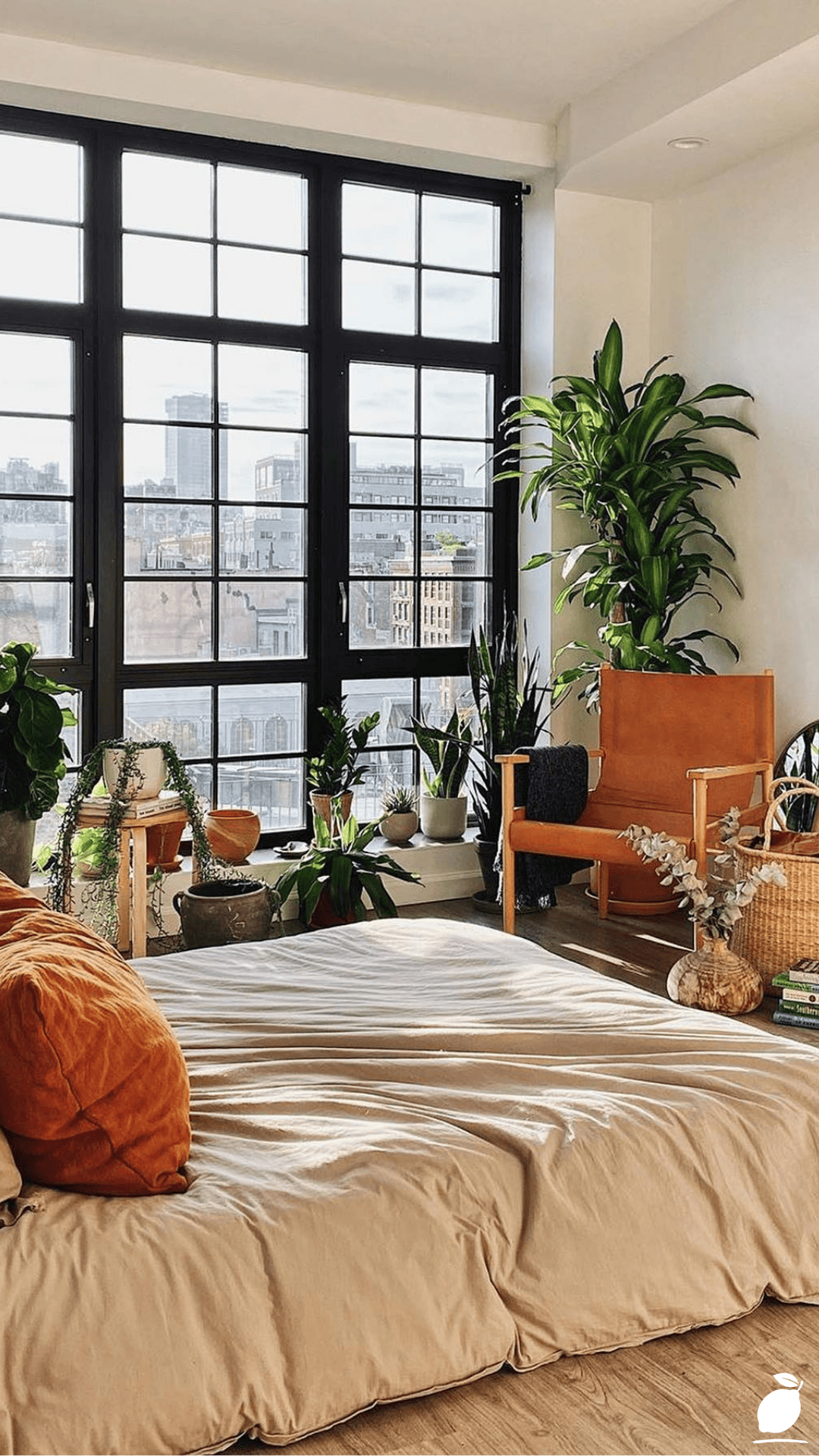
There’s a reason so many people describe their plant corner as the calmest spot in their entire home. Surrounding yourself with living, growing things even low-maintenance ones creates a small daily ritual of care that has nothing to do with deadlines or notifications. Checking on a houseplant, noticing new growth, or simply sitting near a shelf full of greenery offers a quiet, grounding kind of satisfaction that’s hard to replicate any other way.
For apartment dwellers especially, houseplants often become the one form of “gardening” available, and getting it right matters more than it might seem. Watching a plant you were once sure you’d kill actually thrive builds a real, tangible confidence proof that a little research and the right choice can turn frustration into genuine success, even in a small, imperfect space.
At Easy Peasy Life Matters, that’s exactly the kind of shift we love supporting: small, doable wins that make a home feel more alive and more like your own. The right houseplant, chosen for the light you actually have rather than the light you wish you had, is one of the simplest ways to bring calm, color, and a little quiet pride into an apartment corner you’ll actually want to sit in.
FAQ
What counts as “low light” for a houseplant?
Low light typically means a space with no direct sunlight, such as a room with north-facing windows, a spot several feet back from a window, or a corner that receives only brief, indirect light during the day.
How often should I water a low-light houseplant?
Most low-light houseplants like pothos, snake plant, and ZZ plant only need watering every one to three weeks, depending on the season, since they use less water in dimmer conditions and are prone to root rot if overwatered.
Can any houseplant survive with zero natural light?
No houseplant can survive indefinitely with truly zero light, but extremely tolerant varieties like the ZZ plant or cast iron plant can go the longest in very dim conditions, especially with occasional supplemental light from a lamp or grow light.
Which houseplant is truly the hardest to kill?
The cast iron plant and ZZ plant are widely considered the two most resilient options, tolerating low light, irregular watering, and general neglect better than almost any other common houseplant.
Do low-light houseplants still need fertilizer?
Yes, though far less frequently than high-light plants. A diluted, balanced fertilizer once every one to two months during spring and summer is usually sufficient for most low-light houseplants.