You step over a scattered puzzle, narrowly avoid a Lego brick underfoot, and glance around at a room that somehow contains every toy your child owns, all visible, all at once, none of it put away. Stuffed animals spill out of a basket that stopped closing months ago, art supplies are mixed in with building blocks, and the “quick five-minute cleanup” you promised yourself has quietly ballooned into a project you keep putting off until tomorrow. It’s not that your kids have too many toys, exactly. It’s that nothing in the room has a real, defined home.
This is one of the most universal parenting struggles out there. Toys multiply fast, kids play in bursts of enthusiasm without much concern for tidiness, and without a clear system, even a small collection can spread into total visual chaos within minutes. Most families don’t need fewer toys; they need a smarter, more intentional way to store the ones they already have.
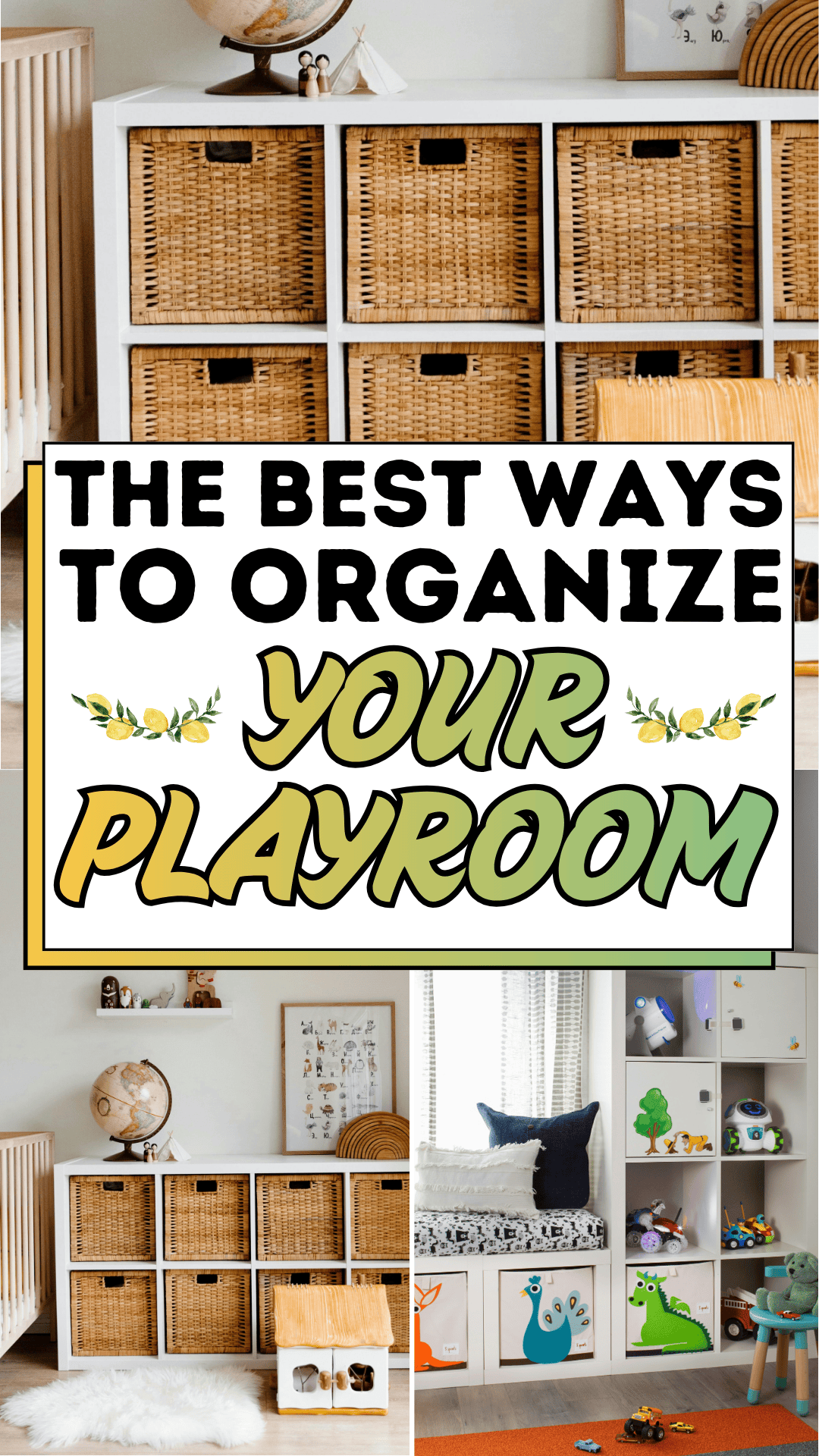
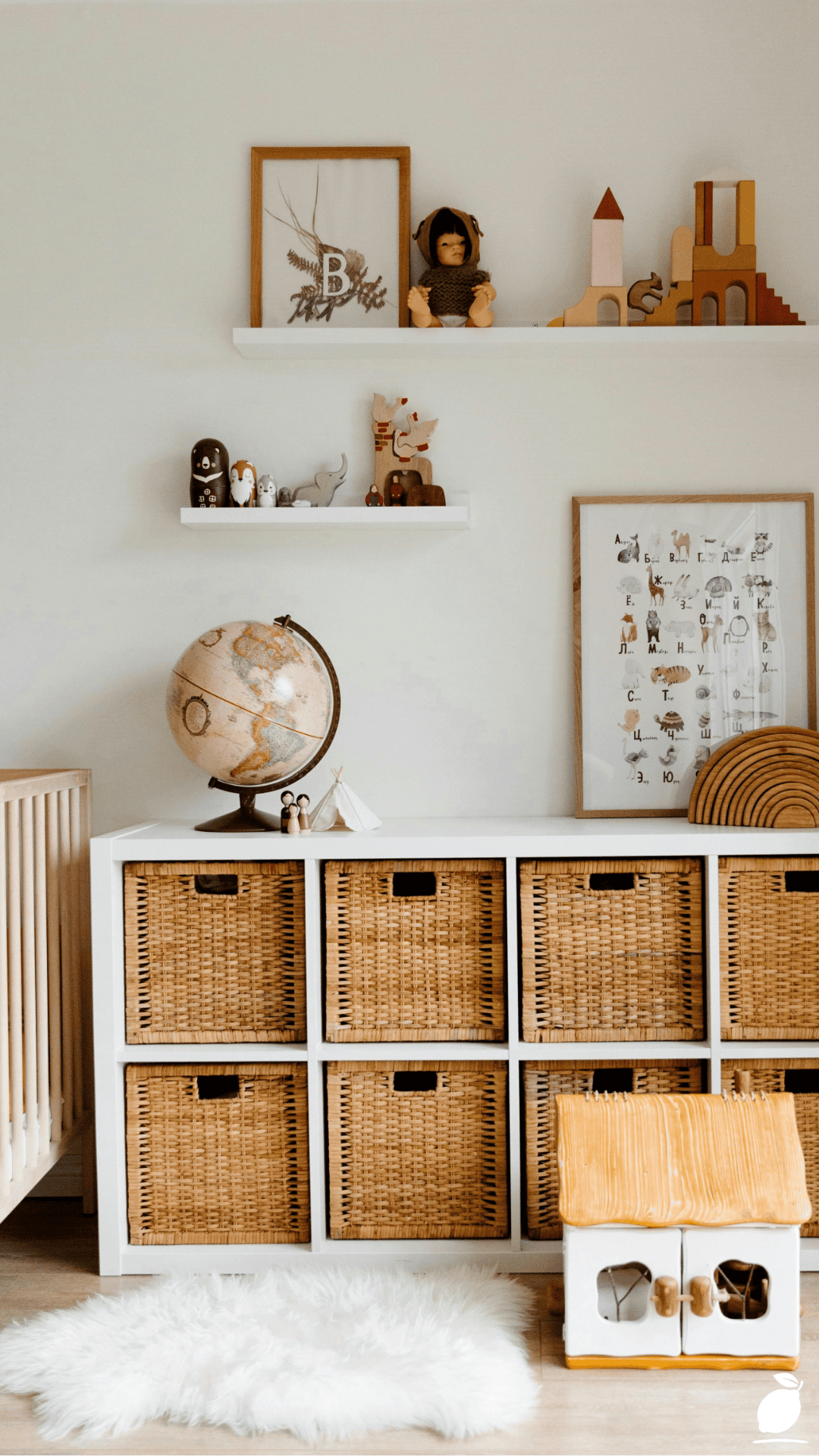
Now picture the alternative: a clean cube shelving unit filled with woven baskets, each one holding a specific category of toys, a soft rug underfoot, a few simple decorative touches on top, everything calm, neutral, and genuinely inviting. That kind of order isn’t about having fewer things; it’s about giving everything a clear, defined place. These are the best ways to organize your playroom so it looks and feels this calm, without needing to get rid of everything your kids love.
The Playroom Blueprint
Building a genuinely functional, organized playroom comes down to sorting, categorizing, and assigning clear storage to everything your kids play with. Here’s the full sequence.
Step 1: Pull Everything Out and Sort
Remove every toy from shelves, bins, and corners of the room and sort into keep, donate, and toss piles. Seeing the full scope of what you own is the essential first step to any lasting playroom organization system.
Step 2: Group Toys by Category
Cluster similar items together building blocks, art supplies, dress-up clothes, puzzles, stuffed animals so you can see exactly how much storage each category actually needs.
Step 3: Choose Open Cube Storage as Your Base
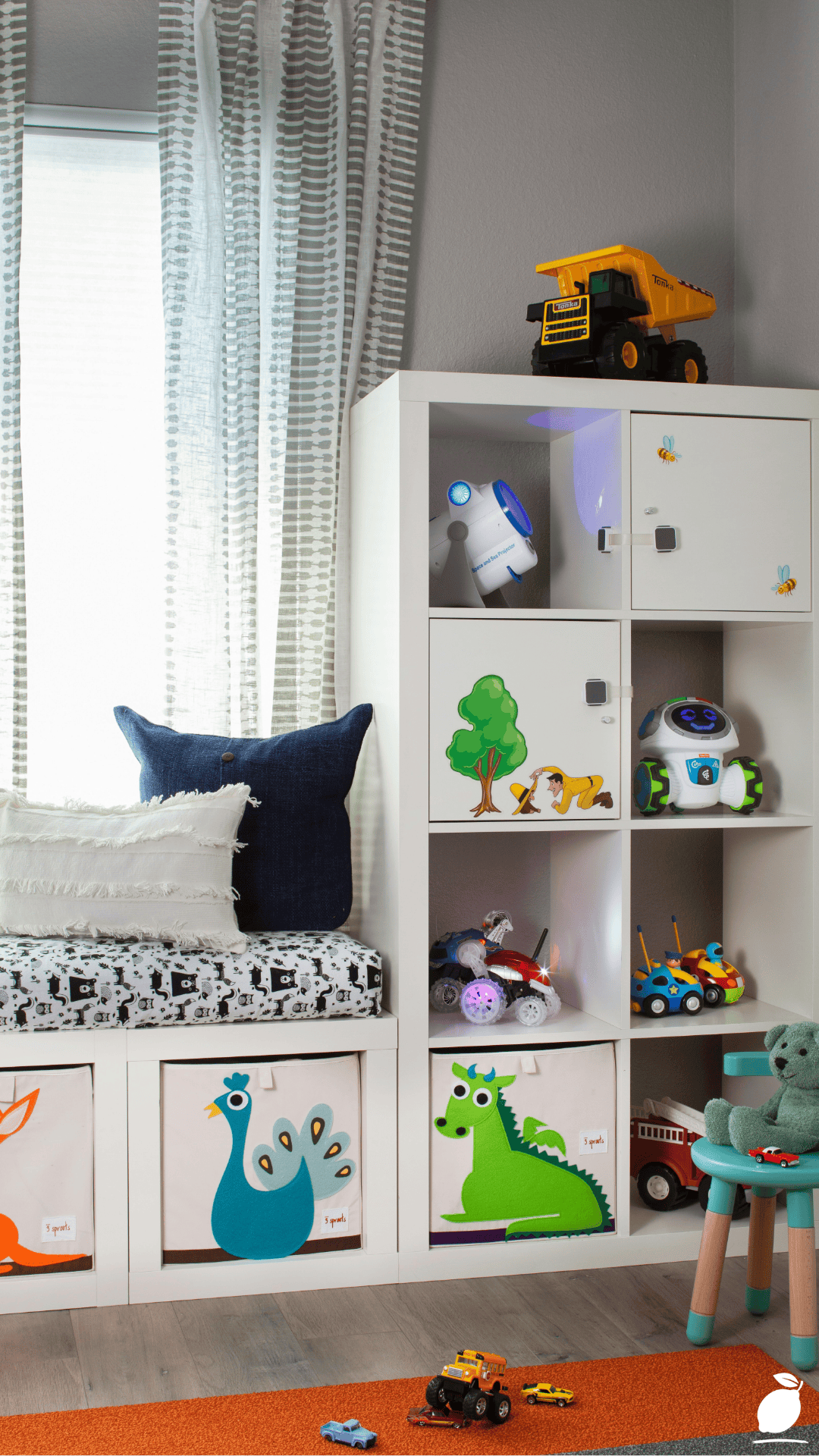
Install a cube-style shelving unit as the anchor of your playroom, since open compartments make it easy for even young kids to see and access their own toys independently.
Step 4: Assign a Basket to Each Category
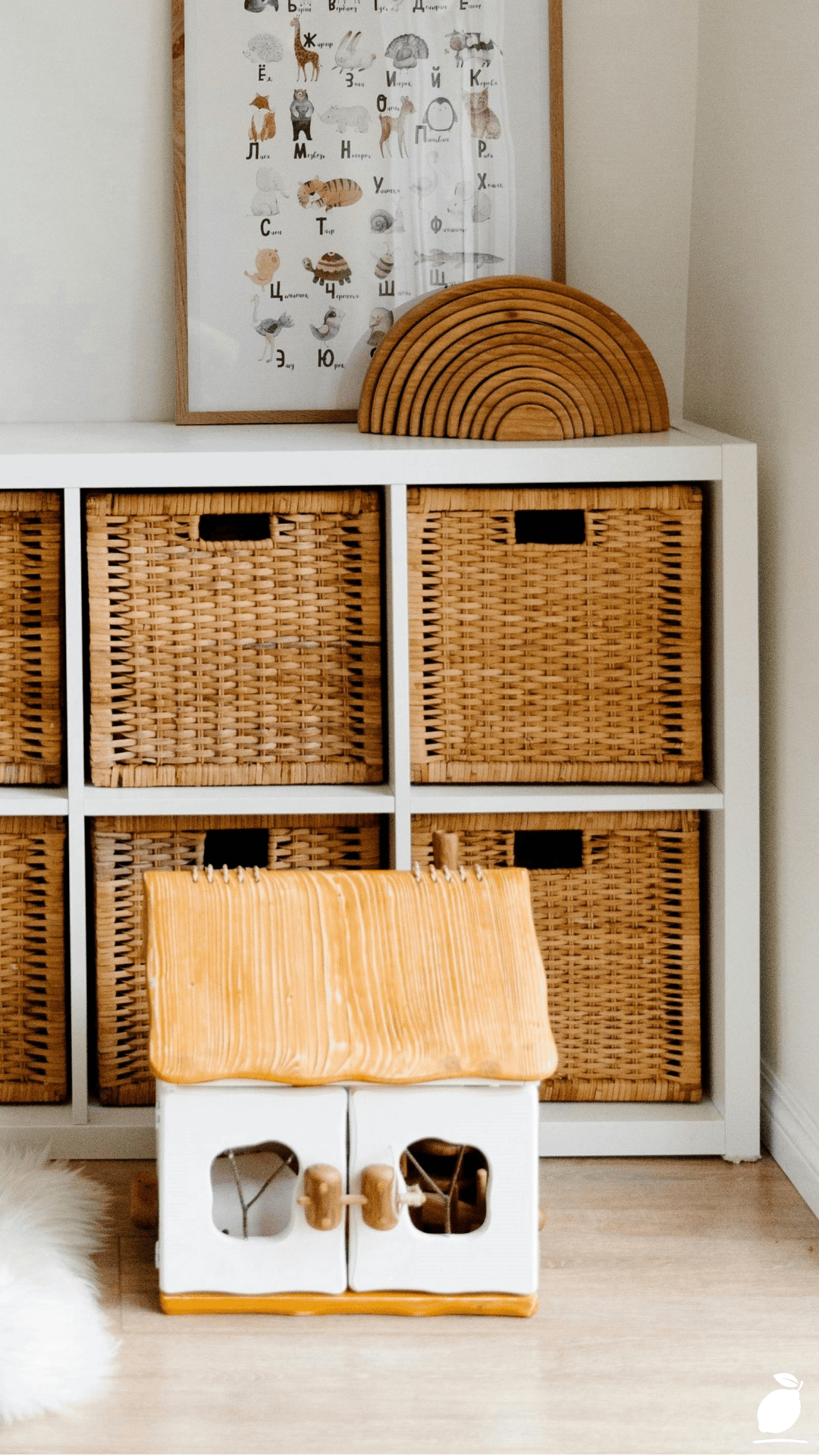
Use woven or fabric baskets in each cube compartment, dedicating one basket per toy category. This single step is often the biggest transformation in any playroom organization project, since it turns a jumbled shelf into a clearly sorted system.
Step 5: Label Bins for Easy Identification
Add simple picture or word labels to each basket, helping even non-reading children learn where specific toys belong and making daily cleanup dramatically easier for the whole family.
Step 6: Rotate Toys to Reduce Clutter
Store a portion of toys out of sight in a closet or bin, rotating them into the playroom every few weeks. This keeps the visible space from feeling overcrowded while still giving kids access to their full toy collection over time.
Step 7: Add a Soft Play Zone
Define a comfortable area with a rug or floor cushions for open-ended play, keeping this zone free of bins and clutter so kids have room to build, imagine, and move freely.
Step 8: Style with a Few Simple Decorative Touches
Add a couple of meaningful decorative pieces, like a favorite framed illustration or a small toy display, to the top of your shelving unit, keeping the overall look calm rather than crowded.
Step 9: Build a Simple Daily Cleanup Habit
Set a consistent end-of-day routine where kids return toys to their labeled baskets, reinforcing the system daily so the playroom stays functional long after the initial setup.
Expert Secrets for Success
Pro-Tips for a Better Result
Use baskets kids can carry themselves. Lightweight woven or fabric bins let even young children participate in cleanup, building independence alongside a tidy playroom.
Keep frequently used toys at a lower level. Placing daily favorites within easy reach for small hands reduces frustration and encourages independent play.
Choose a neutral color palette for storage. Sticking to natural tones and simple baskets, rather than bright plastic bins, keeps a playroom feeling calm even when it’s full of colorful toys.
Involve kids in the labeling process. Letting children help choose or create labels for their bins increases buy-in and makes them more likely to actually use the system.
Reassess categories every few months. As kids grow and interests shift, revisiting your bin categories keeps the playroom organization system relevant and functional.
Common Mistakes to Avoid
Skipping the full sort-and-purge step. Organizing toys without first removing broken or outgrown items just results in a tidier version of the same clutter.
Choosing bins that are too small or too large. Mismatched container sizes make it hard to keep categories properly contained, undermining an otherwise solid playroom system.
Overcrowding the shelf with decorative items. Too many non-toy objects on display reduces functional storage space and can make the room feel cluttered rather than calm.
Expecting kids to maintain a system without guidance. A playroom organization plan works best when paired with a simple, consistently reinforced daily cleanup routine.
Ignoring toy rotation. Keeping every single toy out at once, rather than rotating a portion in and out of storage, often leads to permanent visual overwhelm regardless of how well things are sorted.
Why Playroom Matters
There’s a real, tangible shift that happens when a chaotic play space becomes an organized one. A cluttered playroom doesn’t just look messy; it can make it genuinely harder for kids to actually engage with their toys, since finding anything specific in a jumbled pile takes real effort and often ends in frustration for everyone involved.
A well-organized playroom benefits the whole family, not just the kids. Parents spend less time on frustrating, repetitive cleanup, and children often play more independently and creatively when their toys are clearly sorted and genuinely accessible. That daily reduction in friction contributes to real mental clarity and a calmer, more peaceful household overall.
At Easy Peasy Life Matters, this is exactly the kind of transformation we love supporting: not a massive renovation, just a thoughtful, sustainable system that changes how an entire room functions day to day. A well-organized playroom is proof that a calmer home life doesn’t require fewer toys, just a clearer plan for where they all belong.
FAQ
What’s the best storage solution for a small playroom?
Cube-style shelving with fabric or woven baskets is one of the most space-efficient options, since it maximizes vertical storage while keeping toys sorted and accessible in a compact footprint.
How often should I rotate toys in a playroom?
Rotating toys every two to four weeks helps keep the visible collection manageable while still giving kids regular access to everything they own over time.
How do I get kids to actually help maintain playroom organization?
Using labeled bins with pictures, involving kids in the initial sorting process, and reinforcing a simple daily cleanup routine all help build genuine buy-in from children of nearly any age.
What should I do with toys my kids have outgrown?
Sorting outgrown toys into donate, sell, or keepsake piles during your initial organization process prevents them from taking up valuable space in an active, functional playroom.
How do I keep a playroom looking tidy between cleanups?
Assigning a specific basket or bin to every toy category, and keeping decorative items to a minimum, makes it easier to maintain a generally tidy look even during active daily play.