The bathroom cabinet under the sink has become a graveyard of half-used cleaning products: a streaky glass spray that never quite finishes the job, a grout brush that hasn’t touched actual grout in months, and a laundry stain stick that seems to make things worse half the time. Every stain, scuff, or grimy corner in the house seems to need its own specialized product, and the cabinet keeps filling up while the actual problems never quite go away.
If that sounds familiar, you’re definitely not alone. Most households end up with a small pharmacy of single-purpose cleaners, each one promising to fix exactly one kind of mess, when what you really need is something simple, reliable, and genuinely multi-purpose. It’s easy to overlook one of the most versatile bottles already sitting in most medicine cabinets, mostly because it’s usually reserved for scraped knees rather than the rest of the house.
Now picture a single, unassuming brown bottle resting on a clean granite counter against a crisp white tile backsplash simple, familiar, unglamorous, and quietly capable of handling far more than first aid. That’s the whole idea behind this guide. These brilliant ways to use hydrogen peroxide will show you just how much one basic bottle can simplify your cleaning routine, replacing several specialty products with one reliable staple.
The Hydrogen Peroxide System
Getting the most out of this everyday bottle comes down to understanding how to prepare it for use, apply it correctly, and keep your routine consistent. Here’s the process, broken into three simple stages.
Step 1: Prepare
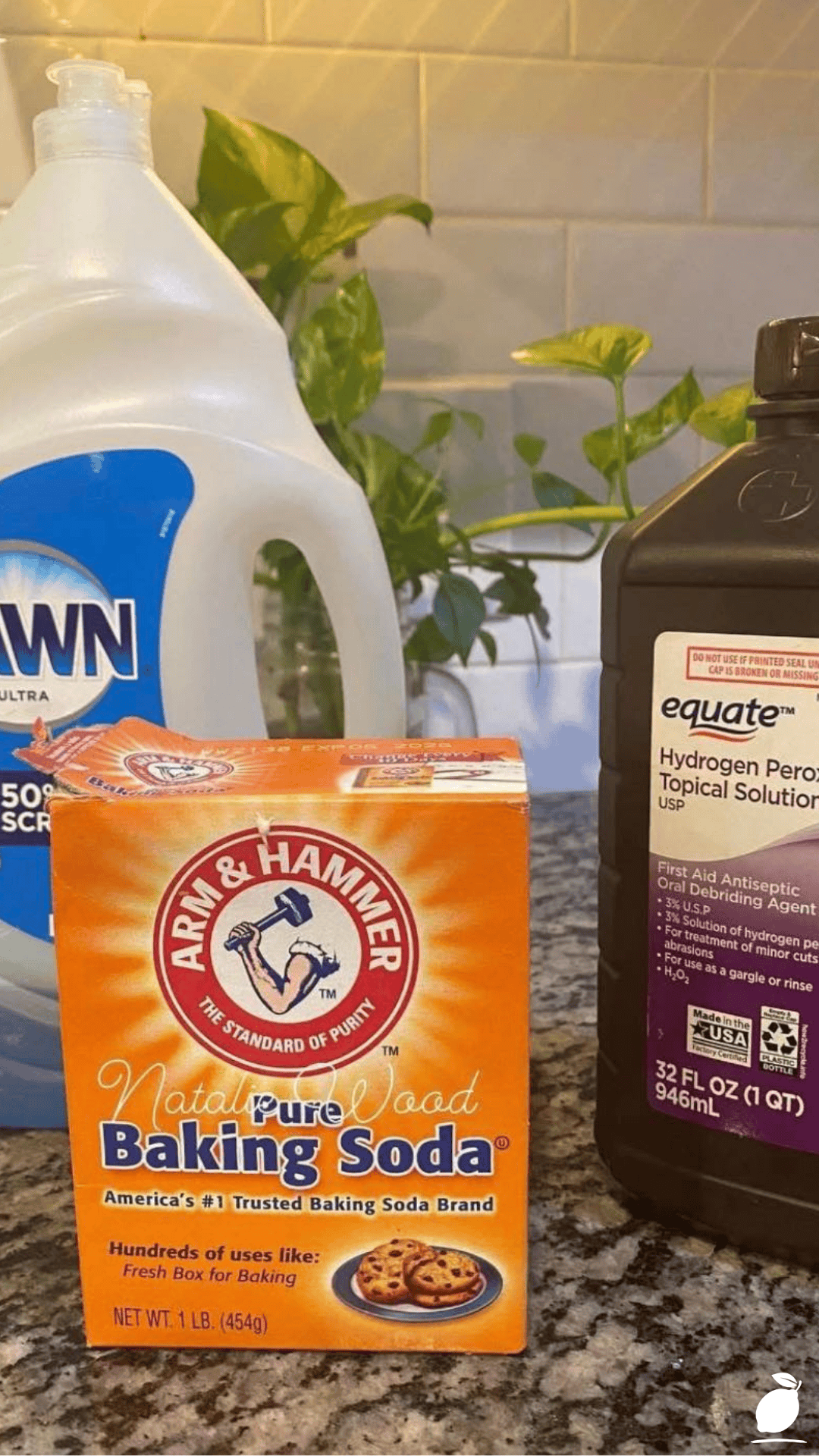
Start with a standard 3% hydrogen peroxide solution, the same concentration found in most drugstore bottles, and gather a few basic tools: a spray bottle, a soft cloth, and an old toothbrush for detail work. For general cleaning, hydrogen peroxide can be used straight from the bottle or diluted with equal parts water, depending on the surface. Always check that your bottle is stored in its original dark container, since light exposure breaks down its effectiveness over time.
Step 2: Implement
Apply hydrogen peroxide directly to the task at hand, spraying it onto countertops and cutting boards to disinfect, dabbing it onto grout lines to lift discoloration, or adding a splash to a load of whites to boost brightening power. Let it sit for a few minutes to activate before wiping or rinsing, since its cleaning power comes from a gentle chemical reaction that needs a little time to work. For minor cuts and scrapes, follow standard first aid guidance and consult your bottle’s label or a healthcare provider for proper use.
Step 3: Maintain
Keep a bottle of hydrogen peroxide in a few key spots around the house, like under the kitchen sink and in the bathroom, so it’s on hand whenever a mess or minor first aid need pops up. Replace your bottle roughly every six months to a year, since it gradually loses potency once opened, even when stored properly.
The Secrets to Hydrogen Peroxide
Pro-Tips
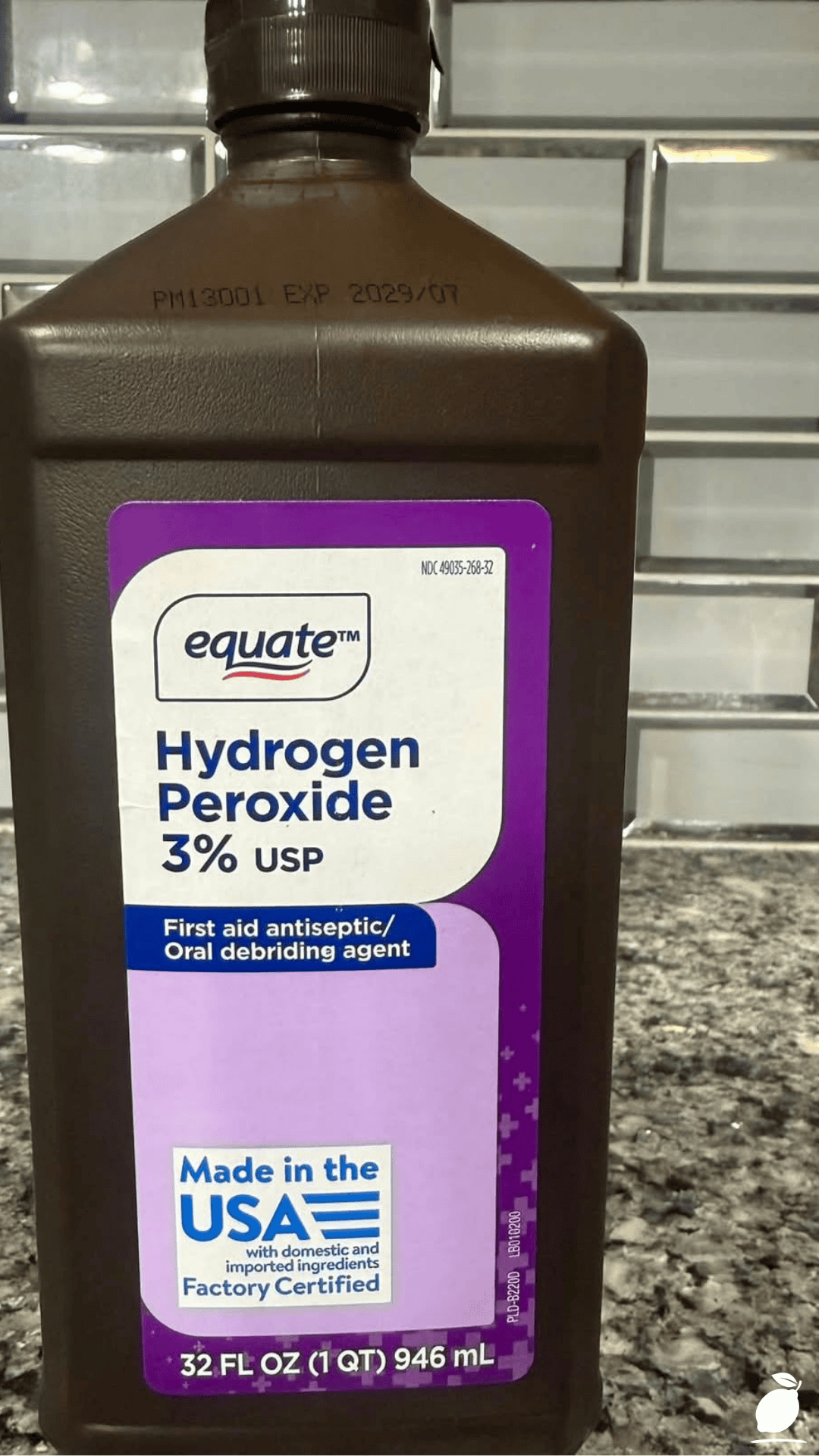
Keep it in its original opaque bottle. Hydrogen peroxide breaks down quickly when exposed to light, so transferring it to a clear container significantly shortens its effective shelf life.
Test on a hidden area first. Before using it on fabric, grout, or a new surface, dab a small hidden spot to confirm it won’t cause discoloration or unwanted bleaching.
Let it sit before wiping. Giving hydrogen peroxide a few minutes of contact time on a stain or surface dramatically improves results compared to an immediate wipe-and-rinse approach.
Common Mistakes to Avoid
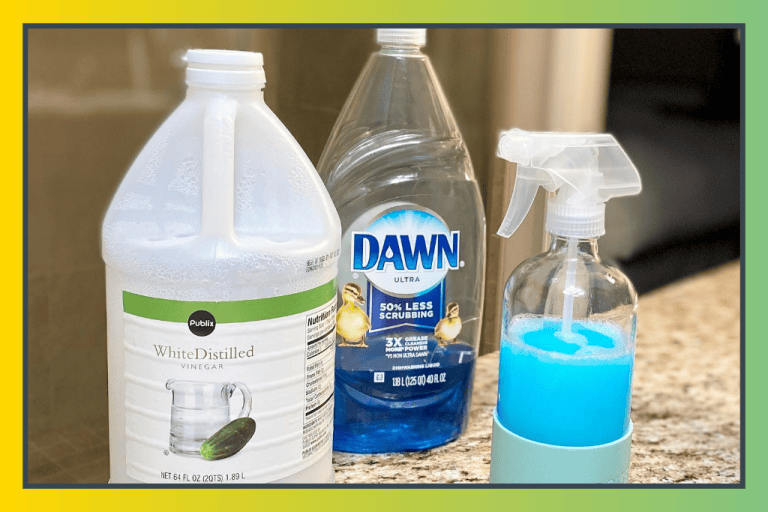
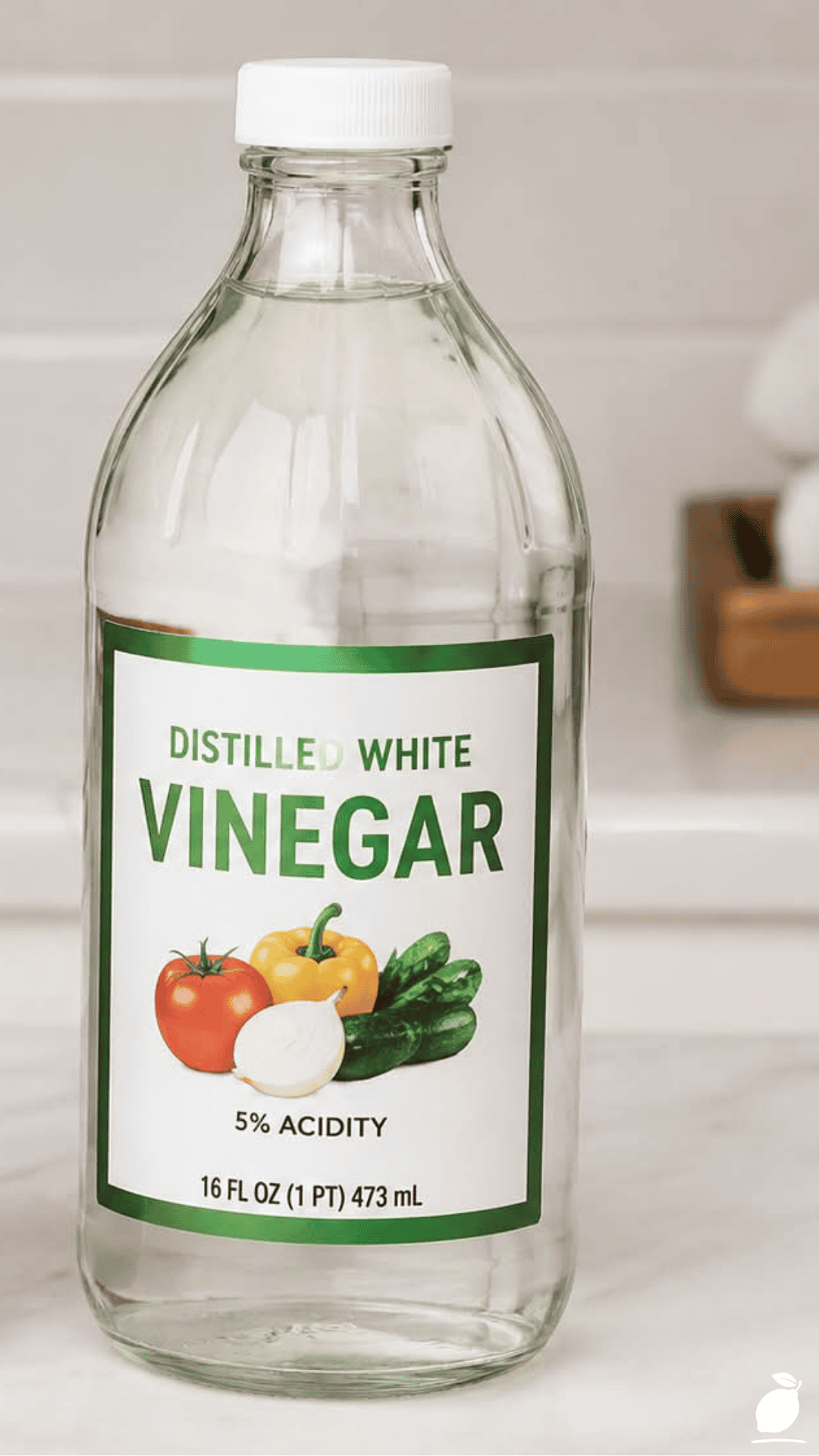
Never mix it with vinegar in the same container. Combining hydrogen peroxide and vinegar creates peracetic acid, a corrosive compound that can irritate skin, eyes, and lungs always use them separately with a water rinse in between.
Storing it in a clear or unlabeled bottle. This accelerates potency loss and creates a safety risk if anyone mistakes it for water or another liquid.
Using it on colorfast or delicate fabrics without testing. Hydrogen peroxide’s mild bleaching effect can lighten certain dyes unexpectedly, so always test before treating a full garment.
Why Hydrogen Peroxide Matters
There’s a real, quiet relief that comes from simplifying a cluttered cleaning routine down to a few genuinely reliable staples. A cabinet packed with half-used, single-purpose products adds its own small layer of visual and mental clutter, while a simple, versatile solution like hydrogen peroxide replaces several of those products with one dependable bottle.
That kind of simplification matters more than it might seem. Fewer decisions about which product to reach for, fewer half-empty bottles crowding a cabinet, and a cleaning routine that actually works consistently all contribute to a calmer, more manageable home. Small wins like this tend to ripple outward, making household maintenance feel less like a constant uphill effort.
At Easy Peasy Life Matters, this is exactly the kind of simple, practical shift we love sharing: not a complicated system, just one reliable, multi-purpose product used well. A well-stocked bottle of hydrogen peroxide is proof that a calmer, more organized home doesn’t require a crowded cabinet, just the right basics used consistently.
FAQ
Is it safe to mix hydrogen peroxide with other cleaning products?
Avoid mixing it with vinegar or bleach specifically, since both combinations can create harmful chemical reactions. It’s generally safest to use hydrogen peroxide on its own, rinsing surfaces with water before applying a different cleaner.
How long does an opened bottle of hydrogen peroxide stay effective?
An opened bottle typically remains effective for about six months to a year when stored properly in its original dark container, away from heat and direct light.
Can hydrogen peroxide be used on all fabric types?
No, it’s best to test on a hidden area first, since its mild bleaching effect can lighten certain dyes or delicate fabrics. It’s generally safest on white or colorfast, sturdy fabrics rather than anything delicate or brightly dyed.