Do you know what it’s like to enter your bedroom, hoping to find calm after a stressful day, only to be met by visual chaos? Maybe your walls are the worn remnants of a former tenant, or maybe they simply don’t have enough personality to be the room’s major attraction. You try to relax, but you are distracted by the disarray, the mismatched furniture, and the boring, empty area outside your headboard. It is the silent, chaotic struggle of a back bedroom wall design that appears to be more of a place to crash than a place to refuel.
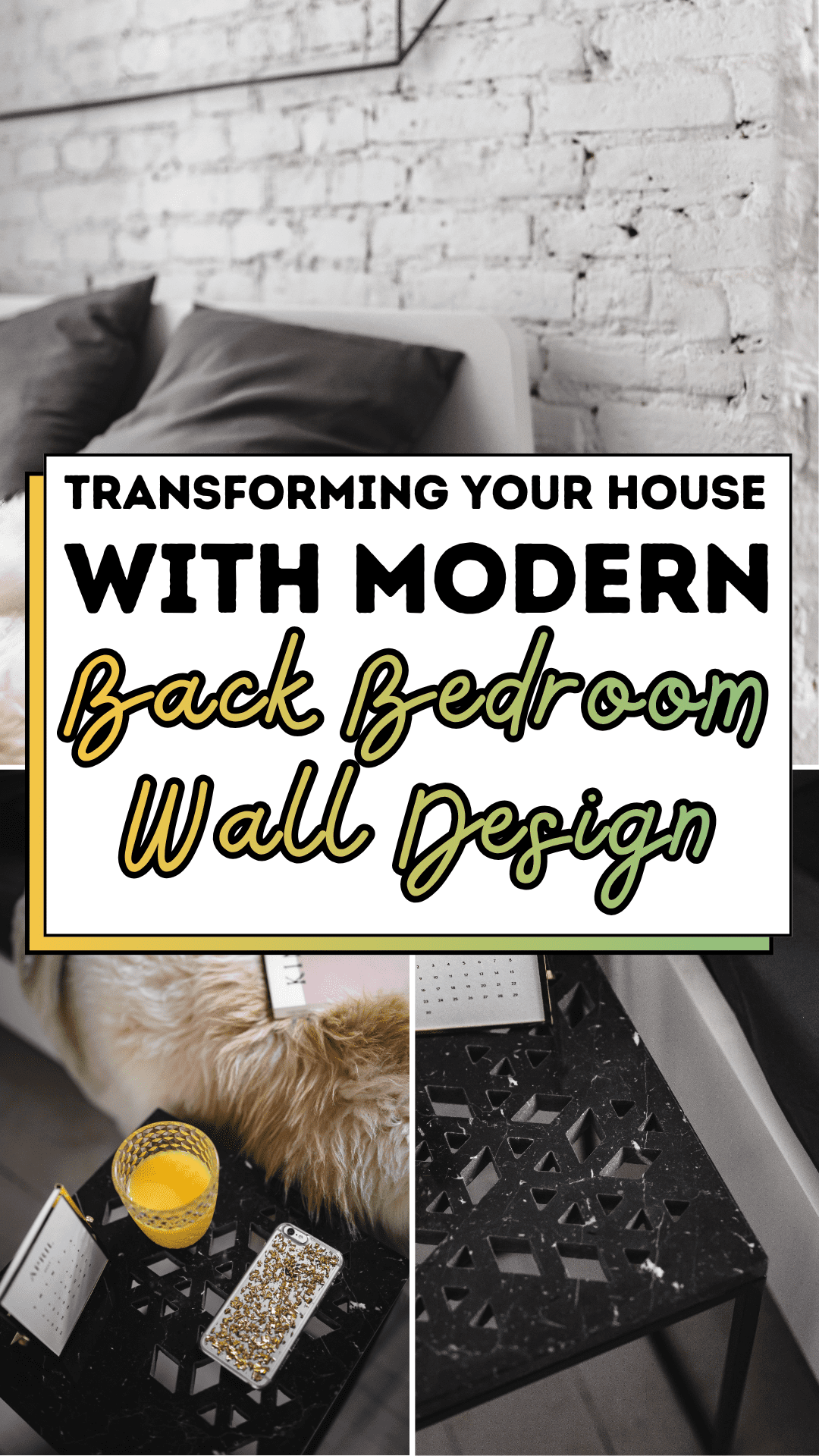
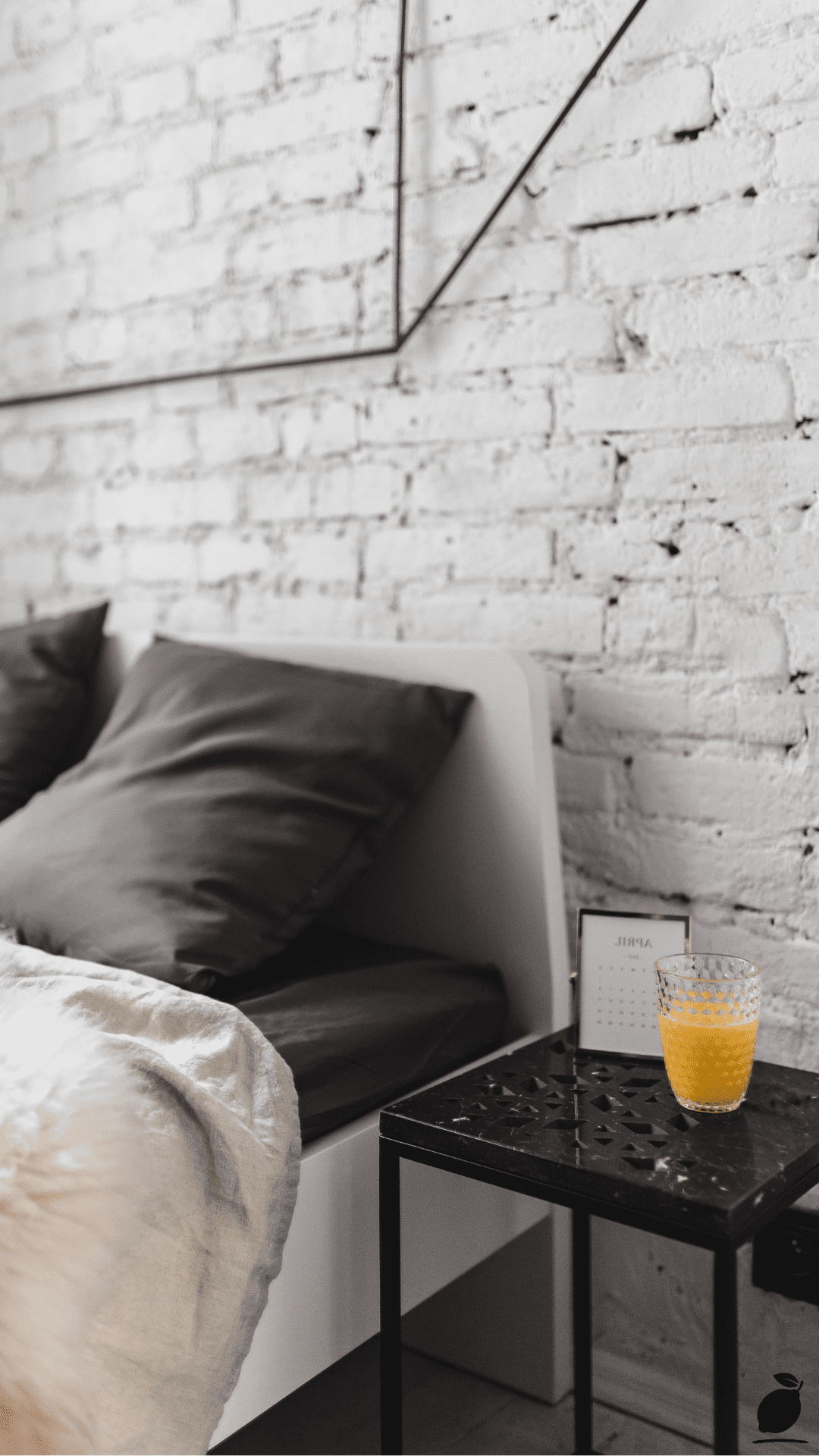
Now, imagine closing your eyes and opening them to a space that breathes. Picture a crisp, white-painted brick wall that catches the soft morning light, defined by sharp, geometric black lines that give the room an instant, high-end architectural edge. This is not just a room; it is a minimalist retreat where a cream-colored blanket, charcoal pillows, and a sleek black metal side table create a perfect balance of texture and calm. It is the kind of intentional design that makes you feel lighter the moment you step across the threshold.
We at Easy Peasy Life Matter are aware that your everyday well-being is based on your home environment. The first step in transforming your primary rest spot from a source of low-level anxiety into a sanctuary is how you define it. You may create a strong focal point that unifies your entire house by concentrating on the wall design of your back bedroom. Allow us to guide you through the process so you can get this look with expert accuracy.
The back bedroom wall design System
Achieving a clean, gallery-like aesthetic requires a systematic approach. Follow these three steps to turn your wall into a design feature.
Step 1: Prepare
Start by evaluating the texture of your wall. If you are working with brick, ensure it is thoroughly cleaned and primed. If you lack the brick texture, consider using thin brick slips or 3D-effect wallpaper to add that crucial layer of depth. Clear your bedroom of all furniture to give yourself a blank canvas, and patch any holes or uneven spots. Lighting is your best friend here; map out where the natural light hits so you can place your geometric designs where they will catch the most interesting shadows in your back bedroom wall design.
Step 2: Implement
For the geometric black line element seen in modern layouts, precision is paramount. Use high-quality, low-tack painter’s tape to map out your angular shapes on the wall before committing to paint. A matte black finish works best for these lines to create a sharp, sophisticated contrast against the white backdrop. Once your lines are crisp, layer in your furniture. A white upholstered bed provides softness to balance the rigidity of the back bedroom wall design, while charcoal gray pillows introduce depth.
Step 3: Maintain
Minimalism thrives on consistency. To keep your back bedroom wall design looking pristine, keep the area around the bed clear of excess items. Use a soft-bristled attachment on your vacuum to keep brick textures free of dust, and periodically check your wall decor for minor scuffs. The goal is to keep the space feeling open, so avoid overcrowding your side tables with unnecessary tech or loose papers.
The Secrets to Back Bedroom Wall Design
Expert Pro-Tips
- Play with Scale: Vary the size of your geometric shapes. Using a mix of large and small angles on your wall prevents the design from looking uniform and adds dynamic visual interest to your back bedroom wall design.
- Incorporate Soft Textiles: Since brick and geometric lines are hard design elements, ensure your bedding includes soft, tactile fabrics like cream-colored blankets or velvet pillows to maintain comfort.
- Use Negative Space: Don’t feel pressured to cover the entire wall. Leaving significant portions of the white wall visible allows the back bedroom wall design to breathe and keeps the bedroom feeling serene.
Common Mistakes to Avoid
- Ignoring Lighting Effects: If you do not account for how light hits your wall, the texture can look flat. Use warm, ambient lighting to enhance the shadows created by your wall’s geometry.
- Crowding the Focal Point: The biggest mistake is placing too much art or decor on the same wall. Let your back bedroom wall design be the star of the show.
- Choosing Low-Contrast Colors: If you choose colors that are too similar, the geometric effect will be lost. Ensure there is a strong contrast between your wall finish and your graphic design elements.
Why Back Bedroom Wall Design Matters
Your bedroom is the place where your mental health is most vulnerable. A cluttered or uninspired wall can keep your brain in a state of high alert, making it difficult to fully switch off. By intentionally crafting your back bedroom wall design, you are creating a visual boundary between your rest and the responsibilities of the day.
Organization is a form of self-care. When your space is visually calm and curated, your mind follows suit. It is easier to focus, easier to rest, and easier to start your morning with clarity when your environment feels as purposeful as you want your life to be. This is the heart of the Easy Peasy approach: simplify the space to simplify the mind.
FAQ
How do I maintain geometric lines on a textured back bedroom wall design?
For textured surfaces like brick, use a heavy-duty, high-tack tape to prevent paint bleed. Apply the paint in thin layers using a firm brush to ensure it gets into the crevices of the brick for a clean, consistent line.
What is the best way to light a textured wall?
Position floor lamps or wall sconces so that light washes across the surface of the wall rather than pointing directly at it. This grazing light technique is the best way to highlight texture and cast the dramatic shadows that make a wall look professional.
Can I achieve this look in a small bedroom?
Yes, absolutely. By using white as your primary base color, you keep the room feeling spacious. A geometric back bedroom wall design actually draws the eye upward and outward, which can make a small room feel larger and more architectural.