At times, it can feel as though the world we live in constantly demands more of our time, resulting in our personal spaces being left to languish and clematis in containers. Looking at your patio, balcony, or other enclosed outdoor space might feel like an opportunity missed; a warm, loving sanctuary that could be yours.
Anyone who has spent time scrolling through Pinterest and coming across sprawling gardens belonging to large estate homes will have felt the ‘pain’ of being envious of a garden that fits that criteria; they will also have then looked down into a small area outside their home, maybe their porch or balcony, where there is only a single, dusty, folding chair. Bringing life and growth to a limited space can be very challenging, but not trying at all for fear of killing a plant that may be too difficult to take care of can be even more frustrating.
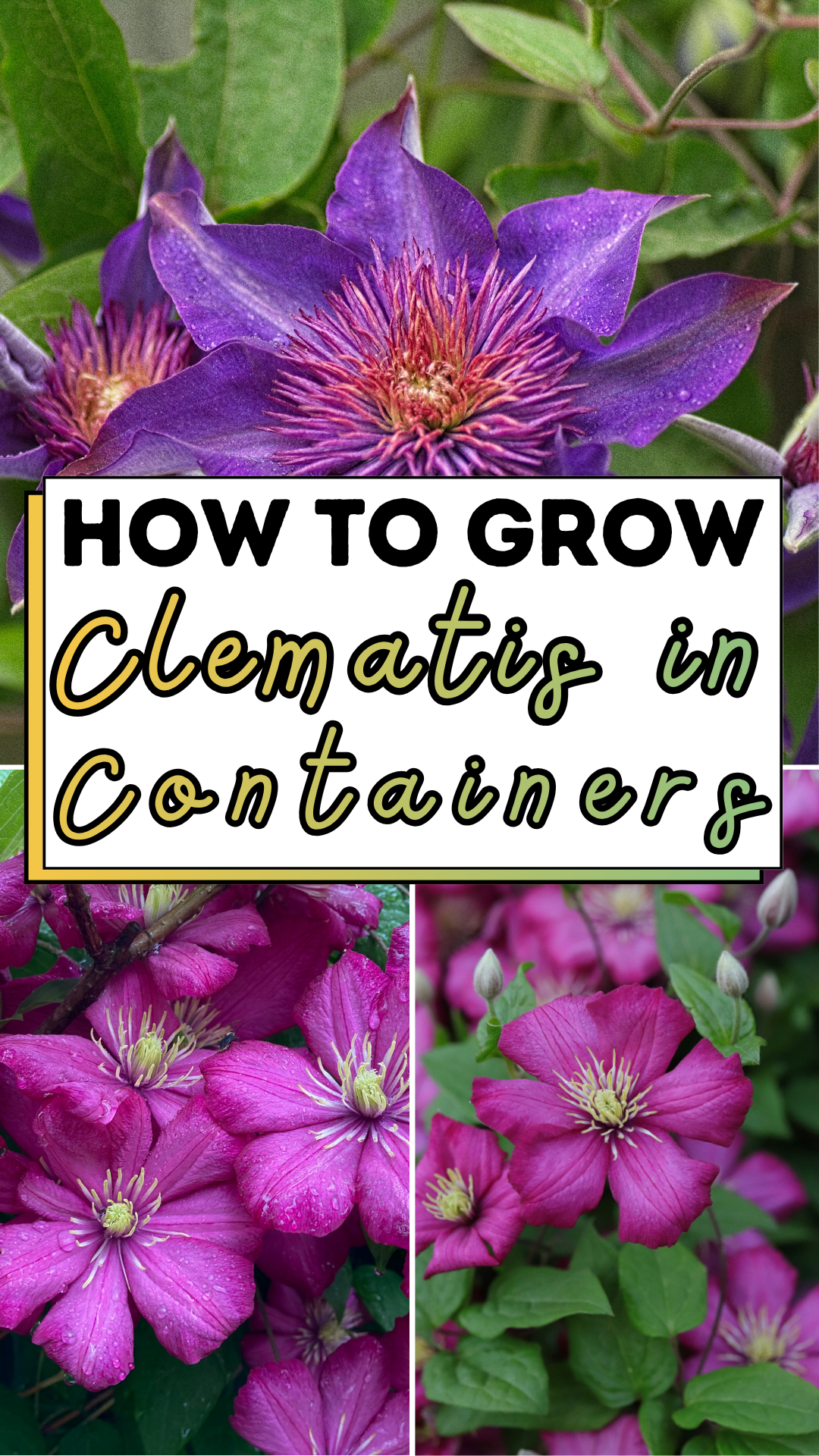
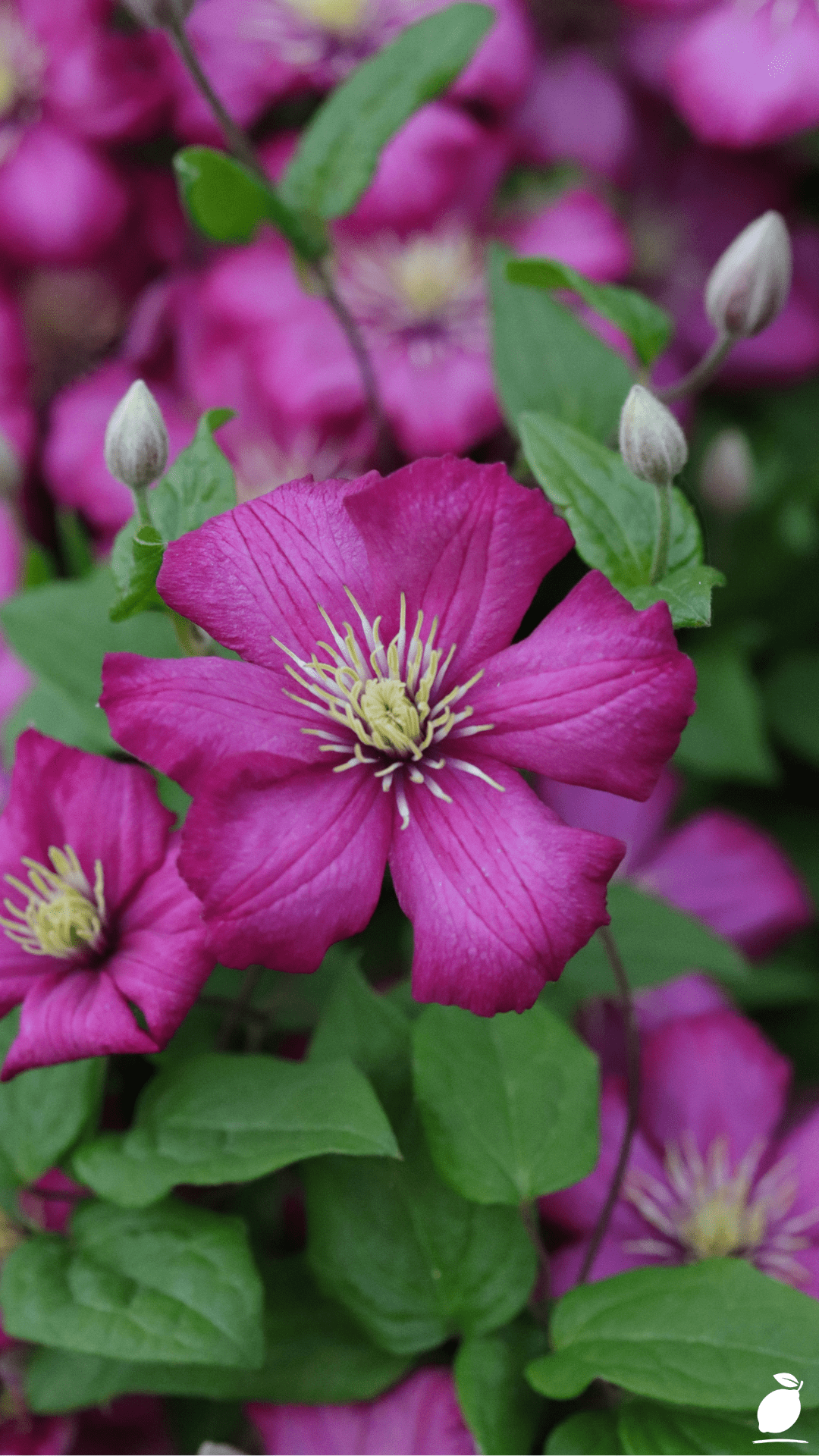
However, think about that bright magenta bloom you spotted when viewing the photo that follows this article today; the clematis is shown in full bloom. The texture of the flower, as well as its bright centres, completely takes over the visual constraints of what has been created. When I see a moment captured by Kaboompics, like in the picture, I can find a sense of peace and be reminded to slow down and appreciate the natural beauty that exists in our chaotic world. It is much more than just gardening; it is also a way of reclaiming a little piece of the earth and turning an unkempt, uninspiring area into a beautiful, created piece of art.
The Clematis In Containers System
Success with these Queens of the Climbers in a pot requires a structured approach. Follow this three-step system to ensure your vines reach their full potential.
Step 1: Prepare
Preparation is the foundation of container gardening. Clematis in containers have deep, vigorous root systems that dislike being cramped or overheated. Choose a container that is at least 18 inches deep and wide. Terracotta or thick ceramic is ideal, as they provide better insulation for the roots than thin plastic. Ensure there are ample drainage holes at the bottom. For soil, skip the cheap garden soil and opt for a high-quality, loamy potting mix enriched with compost. Because clematis in containers are climbers, you must install your support system, be it a trellis, obelisk, or wire mesh, at the time of planting to avoid disturbing the roots later.
Step 2: Implement
When you are ready to plant, the golden rule is to plant deeper than you would most other perennials. Position the root ball so that the first set of true buds is about two inches below the soil surface. This encourages clematis in containers to develop multiple stems from the base and protects them from Clematis Wilt. Gently firm the soil around the base and water deeply. To mimic the natural forest floor where these vines thrive, apply a thick layer of mulch or plant shallow-rooted annuals around the base. This keeps the feet of your clematis in containers cool while the head basks in the sun.
Step 3: Maintain
Maintenance is all about consistency. Clematis in containers dry out faster than those in the ground, so check the soil moisture daily during the summer. They are heavy feeders, so apply a balanced, slow-release fertilizer in early spring and supplement with a liquid seaweed feed every two weeks during the growing season. Pruning is the final piece of the puzzle. Identify if your variety is Group 1, 2, or 3, and prune accordingly. For most clematis in containers, a light tidy-up after the first flush of flowers in spring will encourage a second show of blooms in late summer.
The Secrets To Clematis In Containers
To move from a beginner to an expert, you need to know the nuances that aren’t always on the plant tag.
3 Expert Pro-Tips
- The Ice Cube Trick: During extreme heatwaves, place a few ice cubes on the soil surface to slowly hydrate and cool the root zone of your clematis in containers.
- Pot-in-Pot Method: Place your decorative planter inside an even larger, cheap plastic pot with a layer of air between them. This acts as a thermal buffer for clematis in containers, preventing the sun from cooking the roots.
- Liquid Potassium Boost: As soon as you see the first tiny flower buds forming, switch to a high-potassium fertilizer to intensify the magenta depth and size of the petals.
3 Common Mistakes to Avoid
- Under-watering in Spring: Many gardeners wait for the heat of summer to start a watering schedule, but clematis in containers do their most intense growing in the spring.
- Using a Small Pot: A cute 10-inch pot will lead to a stressed plant that rarely flowers. Always go larger for healthy clematis in containers.
- Ignoring Air Circulation: While they like the sun, they need airflow to prevent powdery mildew. Don’t shove the container into a dead-air corner.
Why Clematis In Containers Matters
We often view home organization and gardening as chores, but they are actually vital tools for mental hygiene. The act of tending to clematis in containers is a metaphor for self-care: you are providing a structure for growth, ensuring the foundations are cool and stable, and allowing the beauty to unfold in its own time.
In a world that feels increasingly digital and flat, the three-dimensional growth of a climbing vine adds depth to our daily environment. Studies have shown that interacting with soil and witnessing the cycle of bloom-to-seed can significantly lower cortisol levels. By mastering the art of clematis in containers, you aren’t just decorating a patio; you are creating a visual anchor of peace that reminds you that growth is possible even when space is limited.
FAQ
How often should I water my clematis in a pot?
During the active growing season, you should water whenever the top inch of soil feels dry. In the height of summer, this usually means once a day. Always water at the base of the plant to keep the foliage dry.
Can clematis stay outside in containers during winter?
Yes, most clematis are very hardy. However, because the roots are above ground in a container, they are more susceptible to freeze-thaw cycles. Wrap your pots in burlap or move them to a sheltered spot to provide extra insulation.
Which clematis varieties are best for pots?
Look for compact or patio varieties. Cultivars like Piilu, Cezanne, and Bijou are specifically bred for container life, usually reaching heights of only 4 to 6 feet rather than the 12 to 20 feet of their garden-dwelling cousins.