The Monday morning scramble used to feel like a high-stakes search-and-rescue mission in a room that had long since surrendered to the chaos. It started with the walk in closet, a bulging, mismatched wardrobe where favorite white shirts were buried under a mountain of tangled hangers and forgotten knitwear. The “messy” reality of a disorganized home isn’t just about the physical clutter; it is the mental weight of starting your day in a state of frantic negotiation with your own belongings, wondering why a space meant for preparation feels more like a source of persistent stress
I remember standing in the middle of my bedroom, surrounded by piles of clothes that had no home, feeling the walls close in. The frustration of never being able to find that one specific brown leather handbag or those black shoes for a big meeting was a direct reflection of a schedule that left no room for order. I desperately needed a reset, a way to strip back the noise and find a method that felt intentional, modern, and entirely under my control. I wanted a sanctuary, not a storage unit.
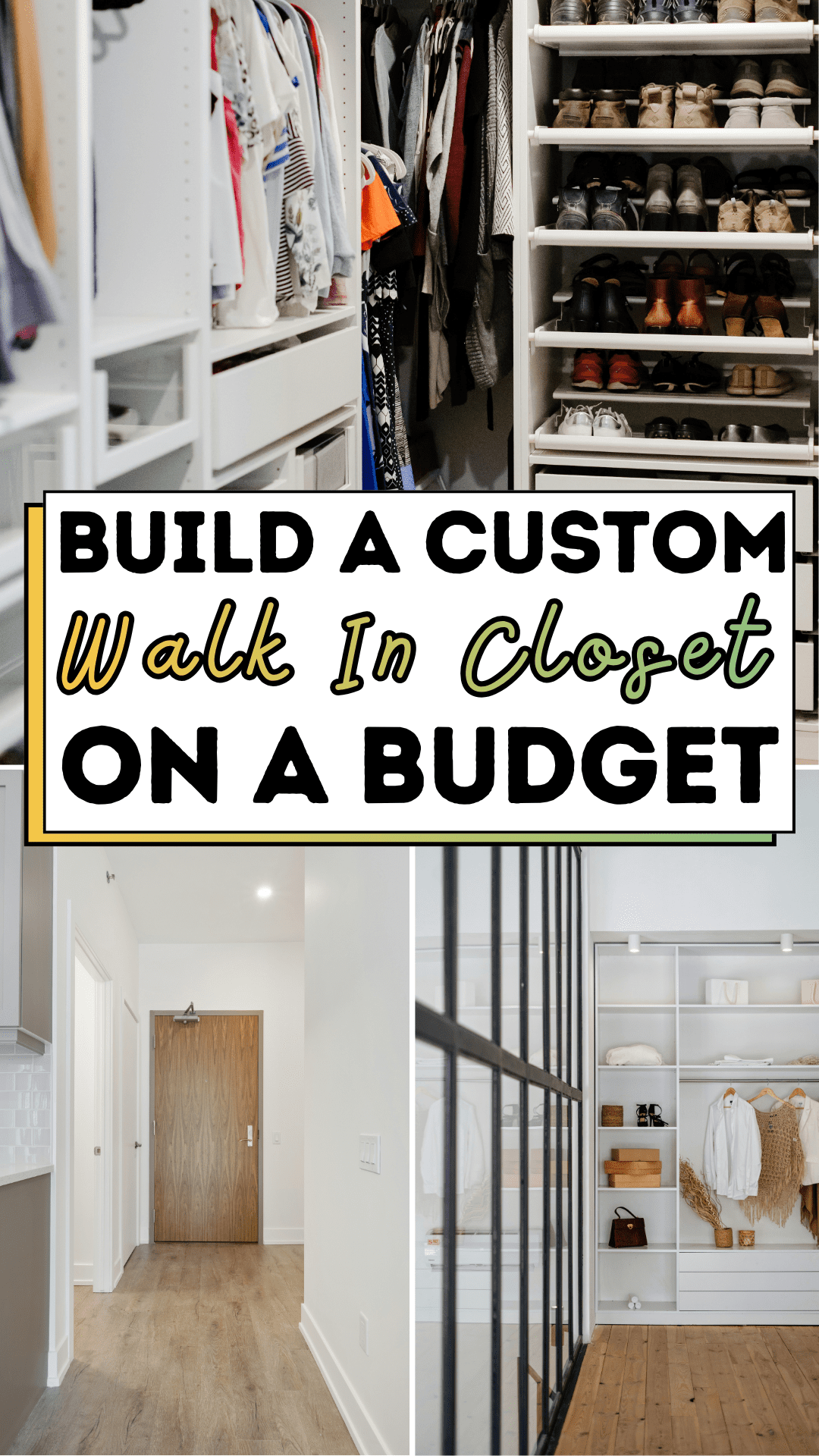
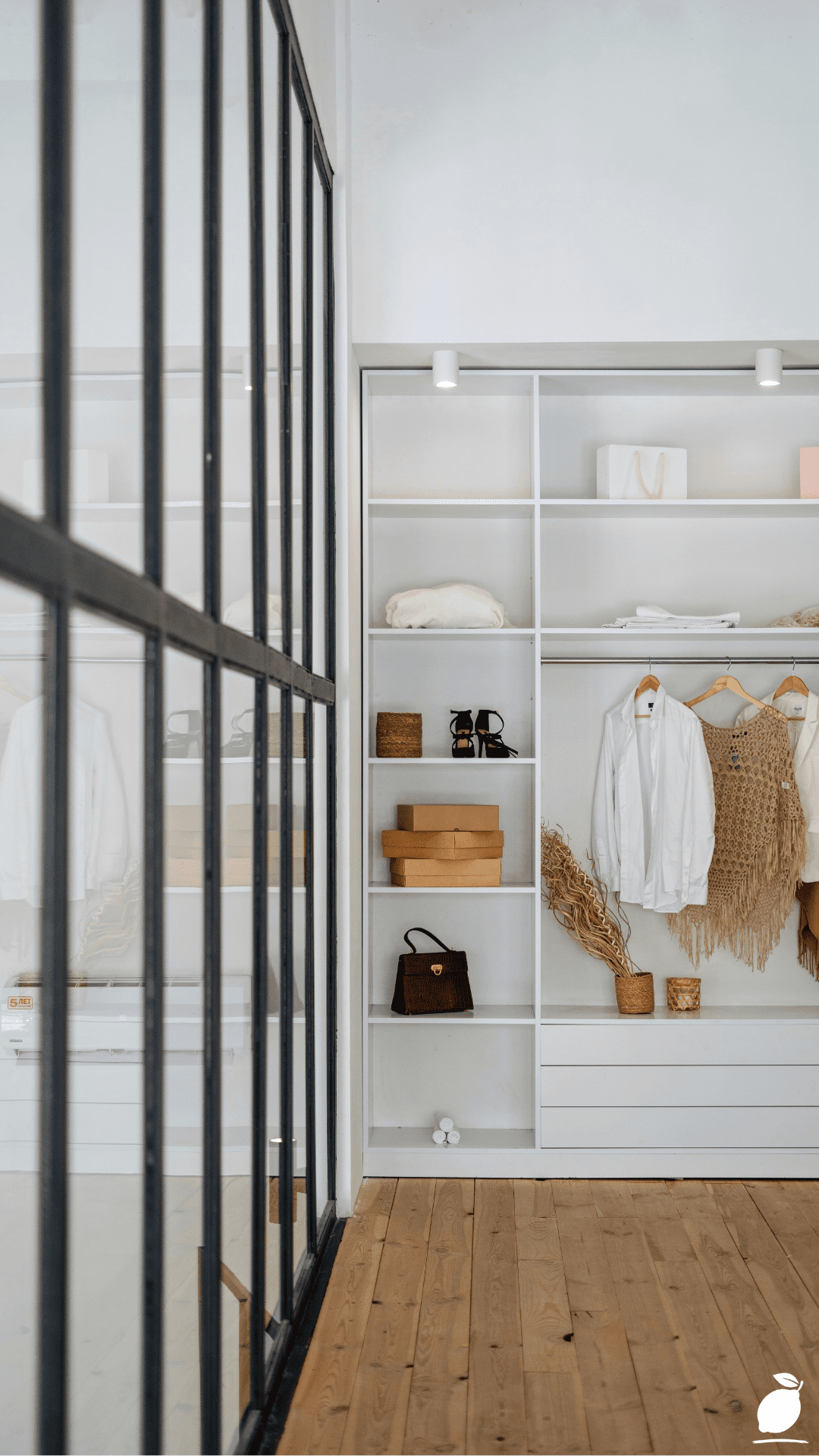
The transformation happened when I realized that luxury isn’t about the price tag; it’s about the architecture of the space. Imagine walking into a room where floor-to-ceiling glass walls with sleek black metal frames create a museum-like clarity. Your white folded garments sit perfectly aligned in built-in shelving, and a beige knit sweater with delicate tasseled fringe hangs like a piece of art. The natural oak hardwood planks underfoot feel solid and grounded, while cool track lighting highlights a life that is finally organized. By following a smart strategy to build a walk in closet, you turn a high-pressure bottleneck into a streamlined, minimalist portal that sets a tone of easy-peasy success for your entire day.
The walk in closet Blueprint
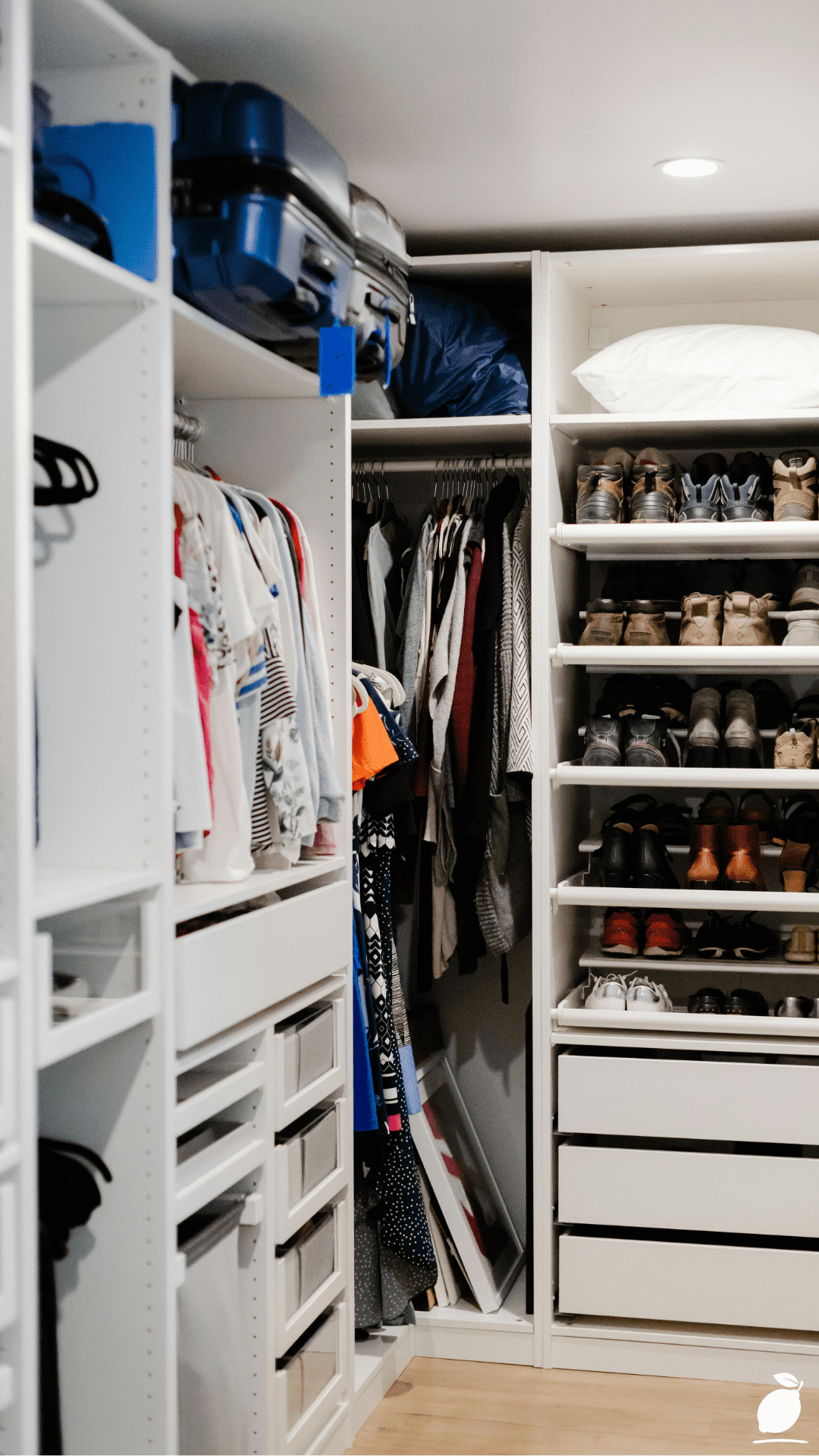
Creating a high-end, custom-look sanctuary on a budget requires a strategic balance of off-the-shelf components and high-impact DIY finishes. Follow this sequence to master your home’s most personal transition zone.
Step 1: Tactical Space Mapping and Inventory
Before you buy a single plank of wood, you must perform a ruthless audit. Categorize your wardrobe into three zones: long hang (dresses/coats), short hang (white shirts/jackets), and folded storage. Measure your available footprint for the walk in closet to ensure you can accommodate floor-to-ceiling shelving. This phase is about understanding the “why” behind your mess so you can build the “how” for your future order.
Step 2: Designing the Built-In Framework
To achieve the custom look without the custom price, use pre-fabricated white shelving units as your core. The secret to the “built-in” aesthetic is to secure these units directly to the wall studs and close the gaps at the ceiling and floor with simple trim or baseboards. This creates a seamless, integrated appearance that mimics high-end cabinetry. On the right side of your walk in closet, prioritize a mix of compartments for wooden storage boxes and open hanging areas.
Step 3: Installing the Black Metal Glass Walls
The hallmark of a 2026 designer walk in closet is the glass partition. Instead of expensive custom glasswork, use a series of black metal frame glass panels or even high-quality shower door systems. This creates a grid pattern that provides a visual boundary while allowing the natural oak hardwood flooring to run horizontally across the room, maintaining an airy, open feel that doesn’t “shrink” the bedroom.
Step 4: Flooring and Lighting Synergy
For a cohesive look, the flooring must match the aesthetic. Natural oak hardwood planks provide a warm, organic contrast to the clinical white shelving and black metal frames. On the ceiling, mount white track lighting. Position the heads to point directly into the shelving compartments. This ensures that every item from the brown leather handbag to the black shoes on the upper shelves is illuminated with gallery-like precision.
Step 5: Curating the Visual Landscape
Once the structure is complete, the final step is the styling. Use wooden storage boxes to hide the “messy” small items like socks or accessories. Hang your beige knit sweater and tasseled garments on matching hangers to maintain the grid-like symmetry. This curated approach ensures that your walk in closet remains a source of calm rather than a new place to hide old clutter.
Expert Secrets for Success
Pro-Tips for a Better Result
- The “Floating” Shelving Trick: If your budget is tight, skip the back panels on your shelving units and paint the wall behind them a crisp, matching white. This saves money on materials while making the walk in closet look deeper and more expensive.
- Uniform Hangers: Never underestimate the power of a single hanger style. Swapping mismatched plastic for slim wooden or velvet hangers in a neutral tone immediately elevates the “luxury” feel of the hanging space.
- Reflective Surfaces: Position a mirror opposite your track lighting. This bounces the light around the walk in closet, making even a small space feel like a sprawling boutique suite.
Common Mistakes to Avoid
- Overcrowding the Vertical Space: While floor-to-ceiling is the goal, leave a little “breathing room” at the very top. If you cram items all the way to the track lighting, it creates heavy shadows and makes the room feel cramped.
- Neglecting the Flooring Transition: If you are adding a walk in closet to a carpeted room, try to transition to hardwood or high-quality laminate inside the closet. It is easier to clean and provides that high-end architectural finish.
- Ignoring Weight Limits: DIY white shelving is great, but don’t overload the long spans with heavy black shoes or boxes without center support. Sagging shelves are the fastest way to ruin a custom look.
Why walk in closet Matters
At Easy Peasy Life Matters, we believe that home maintenance is the foundation of mental health. When you successfully build a walk in closet, you are doing more than just organizing clothes; you are practicing the art of containment. You are taking a piece of the world and saying, “Here, things will be orderly. Here, things will thrive.”
This sense of DIY success provides a profound level of mental clarity. As you step onto your oak hardwood floors each morning, the “messy” struggles of the day-to-day begin to fade. It fosters a deep sense of family peace, providing a streamlined routine that eliminates the friction of the morning rush. A well-designed walk in closet is a visual testament to the fact that you have the power to curate your own environment and, by extension, your own peace.
FAQ
How much does it cost to build a custom walk in closet on a budget?
By using pre-fabricated white shelving and DIY glass partitions, you can achieve a high-end look for $500 to $1,500, whereas a professional custom installation often starts at $5,000.
Can I install glass walls myself?
Yes, using modular black metal frame panels. These are designed for easy assembly and can be anchored to the floor and ceiling. Always ensure you are working with tempered safety glass for a walk in closet.
What is the best lighting for a walk in closet?
White track lighting is the 2026 gold standard. It allows you to adjust the direction of each bulb to eliminate shadows in specific compartments, making it easy to distinguish between similar colors like navy and black garments.
How do I maintain the natural oak hardwood in a closet?
Because it’s a low-traffic area compared to a hallway, a simple weekly sweep and an occasional damp mop with a wood-safe cleaner will keep it looking pristine. Avoid dragging wooden storage boxes across the planks to prevent scratching.