Every year when Spring arrives, I go from being excited about my backyard to feeling like it is a place full of untapped potential that has no potential left. I went to the garden center this year, bought a lot of plants, orange perennial flowers, and watched them grow until July, when I saw nothing but dust in my yard.
I have put forth such great effort planting perennials, trying to stay one step ahead of the blooming annuals, and they have required more of my attention, time, and money than I can give. I am trying to manage a rapidly growing digital brand and juggle my family life, but the clutter and noise are constant reminders that I don’t have my act together
I started to realize that my outdoor space was doing to me what my internal space was doing to me – both were filled with noise, confusion, and were constantly close to burning out. I desired to create a sanctum that would not require me to constantly negotiate my existence within its bounds. I wanted a sanctuary that feels alive with energy, a place where color isn’t just a temporary visitor but a permanent occupant. My ideal landscape would be able to tolerate the summer heat of 2026 while providing me with the stability that my life has been deprived of. I shared this vision with you and asked that you help me create one; so let’s get on with it.
The Orange Perennial Flowers Guide
To help you move from a temporary garden to a permanent sanctuary, I have curated the best selections that combine high-impact color with the low-maintenance reliability that defines the Easy Peasy Life Matters philosophy.
Marigolds (Tagetes)
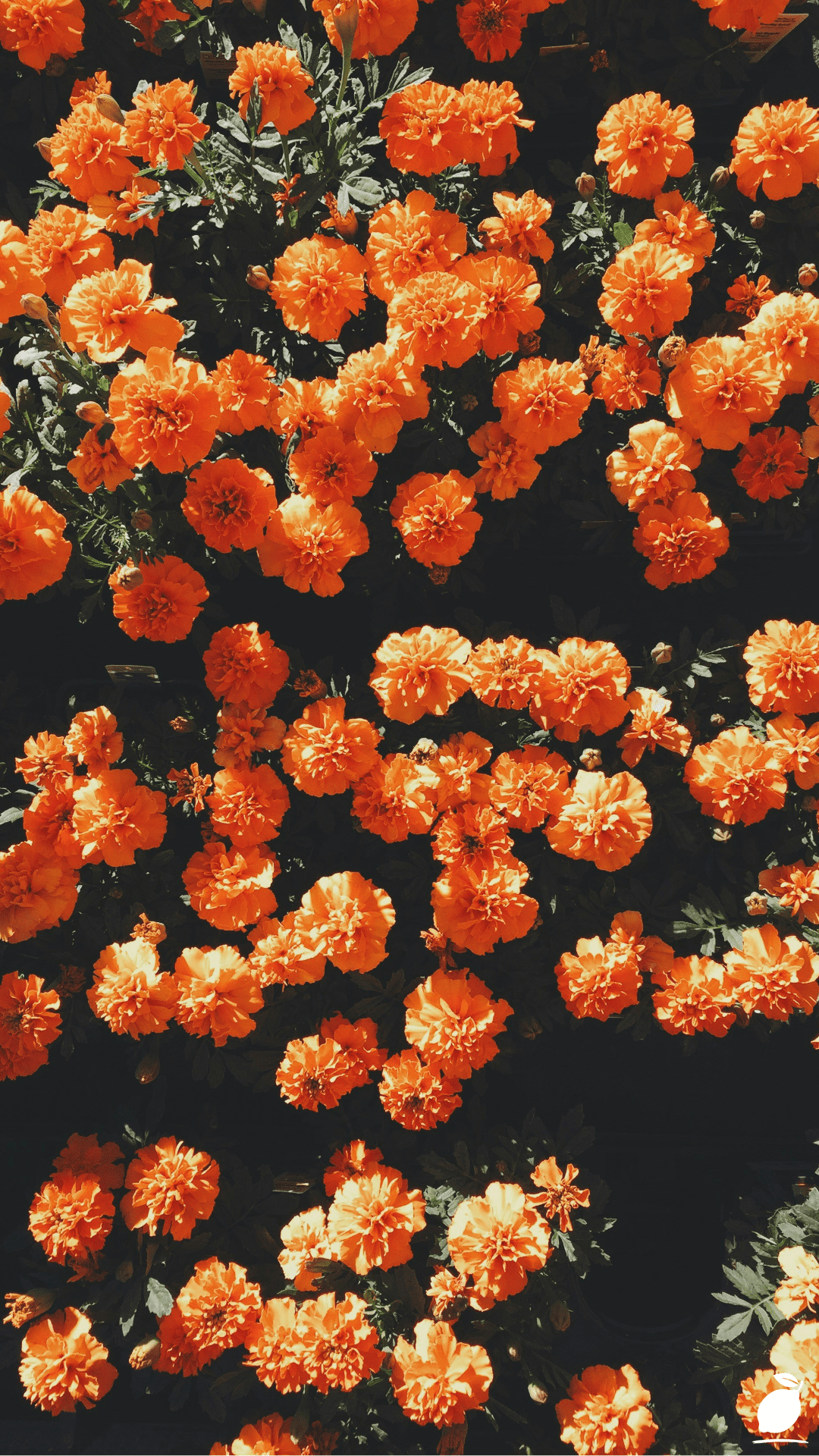
While often grown as annuals, certain varieties like the Tagetes lemmonii act as short-lived perennials in warmer zones, providing that dense, textured floral pattern seen in our inspiration image. Their ruffled petals and rounded shapes create a dramatic pop against dark mulch.
Why it works: They are natural pest repellents. Planting these orange perennial flowers helps protect your entire garden ecosystem while providing a vintage, soft-vignette aesthetic to your landscape.
Daylilies (Hemerocallis ‘Orange Volt’)
These are the workhorses of the orange perennial world. They offer a vibrant, sun-kissed hue that can handle almost any soil condition, rising in elegant clusters that fill the garden with a sense of abundance.
Why it works: Daylilies are virtually indestructible. They provide “family peace” by being low-maintenance enough that you can actually enjoy your weekend instead of weeding around them.
Butterfly Weed (Asclepias tuberosa)
This plant produces flat-topped clusters of neon-orange flowers that are as tough as they are beautiful. They thrive in poor soil and are a magnet for local wildlife, specifically monarch butterflies.
Why it works: It adds a layer of “living art” to your garden. As the orange perennial flowers attract butterflies, your garden becomes a moving, breathing floral pattern that delights the whole family.
Blanket Flower (Gaillardia)
With their sunset-orange petals and dark centers, blanket flowers create a dense, textured look that mimics the ruffled complexity of a marigold bloom. They are drought-tolerant and bloom for an exceptionally long period.
Why it works: They offer a high-value “vintage” look without the effort. Their ability to thrive in natural, diffused daylight with minimal water makes them a top-tier choice for the modern lifestyle strategist.
Orange Coneflower (Echinacea ‘Orange Skipper’)
A modern twist on a classic, these perennials provide sturdy, rounded shapes and a vibrant orange glow that doesn’t fade under the harsh 2026 summer sun.
Why it works: Beyond their beauty, they are incredibly hardy. They provide the mental clarity of knowing your garden will look “Pinterest-ready” even if you miss a week of maintenance.
Expert Secrets for Success
Pro-Tips for Better Results
- Utilize Dark Backdrops: To make your orange perennial flowers pop like the image above, use a dark-tinted organic mulch or plant them against a dark evergreen hedge. The contrast creates a dramatic “soft vignette” effect that makes the orange appear more luminous.
- Deadhead for Density: To achieve that dense, textured floral pattern, pinch off spent blooms. This encourages the plant to put its energy into creating more ruffled petals rather than seeds, extending your color season.
- Grouping for Impact: Don’t scatter single plants. Arrange your orange perennial flowers in clusters of three or five. This creates a more natural, scattered pattern across the frame of your garden, making the color feel intentional and high-end.
Common Mistakes to Avoid
- Over-Watering Perennials: Once established, many orange perennials prefer a “tough love” approach. Too much water can lead to root rot and leggy growth, ruining that full, rounded shape we desire.
- Ignoring the “Dark Background”: Planting orange flowers against a light-colored fence or bright beige wall can wash them out. Avoid this by ensuring there is green foliage or dark soil visible between the blooms to maintain the vintage aesthetic.
- Forgetting Soil Health: While perennials are reliable, they aren’t magic. Don’t skip the spring compost. Even the heartiest orange perennial flowers need a nutrient-dense foundation to produce those fully bloomed, multiple layers of petals.
Why Orange Perennial Flowers Matter
At Easy Peasy Life Matters, we know that your environment dictates your energy. Choosing to plant orange perennial flowers is an act of reclaiming your mental clarity. In a world that feels increasingly “messy” and unpredictable, having a permanent, vibrant anchor in your backyard provides a sense of DIY success that carries over into your professional life.
There is a profound sense of family peace found in a garden that takes care of itself. When you aren’t constantly worried about the survival of your plants, the garden stops being a chore and starts being a stage for memories. Watching a dense cluster of orange blooms sway in the natural daylight teaches us about resilience, the beauty of things that return, stronger and more vibrant, year after year. By mastering the art of the orange perennial flowers garden, you are curating a lifestyle that values longevity over the “quick fix,” resulting in a home that feels as textured and full as the flowers themselves.
FAQ
When is the best time to plant orange perennial flowers?
The best time is usually early spring or early fall. This allows the root systems to establish themselves in the reddish-brown soil or dark compost before the extreme temperatures of summer or winter arrive.
Do orange perennial flowers need full sun?
Most varieties, including marigolds and daylilies, thrive in natural daylight. Aim for at least six hours of sun to ensure those ruffled petals achieve their full, rounded shape and vibrant hue.
How do I maintain the vintage look in my garden design?
Focus on muted tones for your garden furniture and use dark mulch. This creates a soft vignette effect around your garden beds, allowing the bright orange perennial flowers to act as the “pop” of color without overwhelming the senses.
Are these flowers safe for households with pets?
While many perennials are safe, some, like certain lilies, can be toxic. Always check the specific species. Butterfly weed and blanket flowers are generally excellent, safe choices for a family garden focused on peace and safety.