It’s Sunday night, and you’re mentally running through everything that needs to happen this week. The dentist appointment you may or may not have written down somewhere. The work deadline you’re pretty sure is Thursday. The birthday gift you haven’t bought, the meal prep you didn’t do, and the three unanswered messages sitting in your inbox since Wednesday. You lie down to sleep, and your brain simply refuses to stop. You’re not disorganized because you’re lazy or incompetent; you’re disorganized because nobody handed you a system. You’ve been carrying it all in your head, and your head was never designed to be a planner.
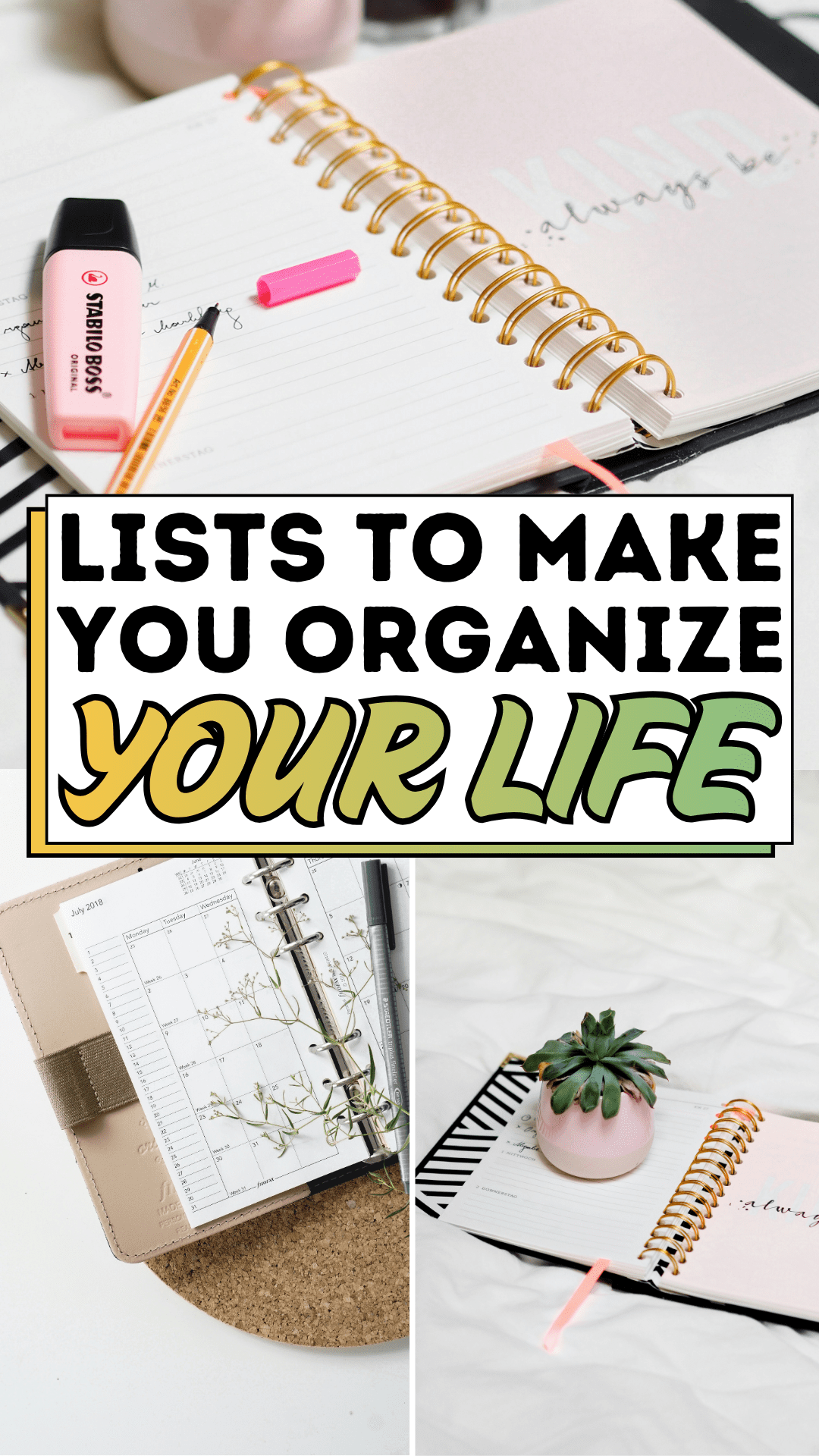
The shift happens the moment you put it down on paper. There’s something quietly powerful about an open planner, a fresh page, a pen resting beside it waiting. The act of writing a list isn’t just logistical. It’s an act of trust: trusting that the page will hold what your mind no longer has to. People who consistently organize their lives with intentional lists don’t just get more done. They feel lighter. They sleep better. They move through their days with a sense of direction that reactive, inbox-driven living simply cannot provide.
The secret isn’t a complicated productivity system or an expensive app. It’s a handful of specific, well-structured lists that, once in place, make it almost effortless to organize every area of your life. Whether you’re starting with a single notebook or a full weekly planner, these are the lists that change everything, and this guide will show you exactly how to build and use each one.
The Organize Blueprint

Step 1: Build Your Master Brain Dump List
Before you can organize anything, you have to empty your head. The brain dump list is the foundation of every productive system, a single, unfiltered document where you write down every task, worry, idea, commitment, and floating thought currently occupying mental space. No categories, no priorities, no formatting. Just get it all out. Most people are stunned to discover they’re mentally tracking 60 to 80 open loops at any given time. Seeing them on paper is both alarming and immediately relieving. You can’t organize what you can’t see.
How to use it: Set a 20-minute timer. Write without stopping. Once complete, you’ll use this list as the raw material for every other organized list in your life.
Step 2: Create a Weekly Priorities List
From your brain dump, identify the 3 to 5 tasks each week that will move your life forward most meaningfully. Not the most urgent, but the most important. This is your weekly priorities list, and it lives at the top of your planner every Monday morning. When you know your top priorities before the week begins, you stop reacting to everything that lands in front of you and start making deliberate choices about where your time and energy go. To truly organize your week, this list is non-negotiable.
How to use it: Every Sunday evening or Monday morning, review your brain dump and calendar, then write your 3 to 5 priorities for the week. Refer back to this list daily to stay anchored.
Step 3: Write a Daily Task List — The Right Way
A daily task list that actually works isn’t a transcript of everything you could do. It’s a curated, realistic list of what you will do ideally, no more than 5 to 7 items, arranged in order of importance. The magic is in the constraint. When you organize your day around a short, intentional list rather than an endless stream of tasks, you finish the day with a sense of completion rather than defeat. Incomplete items roll forward with intention, not guilt.
How to use it: Each morning, write tomorrow’s list the night before. Start with your single most important task at the top. Anything not completed gets reviewed before rolling to the next day, not automatically transferred.
Step 4: Maintain a Running Errands and Household List
One of the most underrated lists to organize your daily life is a simple, always-open errands and household list. This is a living document kept on your phone or in your planner, where anything that needs to happen outside the home or around the house gets captured the moment you think of it. No more “I’ll remember to pick that up” followed by three trips to the grocery store in one week. When the list is always open and always honest, your household runs more smoothly with almost no extra effort.
How to use it: Keep this list in a notes app or on a dedicated planner page. Add to it immediately whenever a need arises, and review it every time you leave the house.
Step 5: Build a Goals List Broken Into Seasons
Most people set annual goals in January and forget them by March. The solution is to organize your goals seasonally, three months at a time, and break each one into the specific actions required to achieve it. A seasonal goals list bridges the gap between “someday” thinking and daily action. It connects what you want your life to look like in the future to what you’re actually doing this week. Each goal on this list should have at least one associated action visible in your weekly priorities.
How to use it: At the start of each season, write 2 to 4 goals across key life areas: health, home, relationships, work, and finances. Under each goal, list 3 to 5 concrete actions. Review monthly.
Step 6: Create a “Waiting For” List
This one is invisible in most people’s systems, yet it accounts for a significant portion of mental clutter. A “Waiting For” list captures every open loop where the next action depends on someone else, an email you’re expecting, a package in transit, a callback from a contractor, a document pending approval. When you organize these into a dedicated list, you stop mentally chasing them. You check the list on a schedule rather than letting the anxiety of unresolved items sit at the back of your mind indefinitely.
How to use it: Review your “Waiting For” list every Friday. Follow up on anything overdue. Archive items once resolved.
Step 7: Keep a Weekly Reset Checklist
The weekly reset is the maintenance habit that keeps every other list functional. It’s a short checklist, typically 10 to 15 items, that you run through once a week to close out the previous week and set up the next one. It might include reviewing your brain dump, updating your goals list, clearing your inbox, prepping your planner, and doing a quick home tidy. When you organize your week with a reset ritual, you stop the slow drift that causes even good systems to collapse over time.
How to use it: Schedule 30 to 45 minutes every Sunday. Run through your reset checklist in the same order each week until it becomes automatic.
Expert Secrets for Success

Pro-Tips for a Better Result
- Use analog and digital together. A physical planner is ideal for weekly layouts and daily lists. The act of handwriting reinforces commitment. Digital tools (note apps, calendar) work better for running lists you need to access anywhere. Organize your system around what you’ll actually use, not what looks best in a productivity video.
- Color-code your categories. Assigning a color to each life area (work, home, health, personal) makes it faster to scan your lists and instantly recognize what type of task you’re looking at. Even two colors, professional and personal, reduce cognitive load significantly.
- Review your lists at the same time every day. Consistency is what transforms a list from a paper document into a genuine system. A two-minute morning review and a five-minute evening check-in are all it takes to stay oriented and organized throughout even the busiest weeks.
- Write lists by hand when making decisions. Research in cognitive science shows that handwriting activates deeper processing than typing. When you’re trying to organize your priorities or think through a goal, pen and paper outperform a keyboard for clarity and retention.
- Keep your daily list visible. A list buried in a notebook or behind a phone lock screen is a list you won’t use. Keep your daily task list somewhere you’ll see it without effort open on your desk, on a sticky note by your monitor, or on the first page of your planner.
Common Mistakes to Avoid
- Making lists too long. A daily list with 20 items isn’t a plan, it’s a wish list. Overly long lists are demoralizing and make it nearly impossible to organize your actual priorities. Ruthlessly limit your daily list to what is genuinely achievable in the time you have.
- Listing tasks without context. “Work on the project” is not a task. “Write the first 300 words of the project introduction” is a task. Vague entries on your organize list create friction and avoidance. Be specific enough that you can start immediately without needing to think about what the item means.
- Never review your lists. Lists that are written but never reviewed are just journaling. The organize system only works when you engage with your lists consistently, adding to them, crossing off completed items, and adjusting priorities as circumstances change.
- Using too many tools simultaneously. Five different apps, two notebooks, and a whiteboard might feel productive to set up, but they fragment your system and guarantee things fall through the cracks. Choose one primary organizing tool and let everything else support it, not compete with it.
- Treating the list as the goal. Writing a list feels productive, and it is a productive first step. But the list is only valuable when it drives action. If you find yourself making and remaking lists without completing the items on them, the issue isn’t the list format. It’s a habit of avoidance that needs to be addressed directly.
Why Organize Matters
There is a particular kind of exhaustion that comes not from doing too much, but from tracking too much. The mental overhead of managing dozens of open-loop tasks half-remembered, deadlines half-tracked, commitments half-honored, is quietly draining in a way that most people don’t recognize until they experience the contrast. When you organize your life with intentional lists, that overhead collapses almost overnight. The relief is physical. People describe it as finally being able to breathe.
For families, the impact is immediate and measurable. When a household is organized, when everyone knows the weekly plan, the fridge is stocked because of a real shopping list, and commitments are tracked somewhere visible, the low-level tension that comes from scrambling and forgetting simply dissolves. Children feel the stability of a well-organized home even when they can’t articulate it. Partners stop filling the role of each other’s external memory. The home becomes a place of rest rather than a place of logistical management.
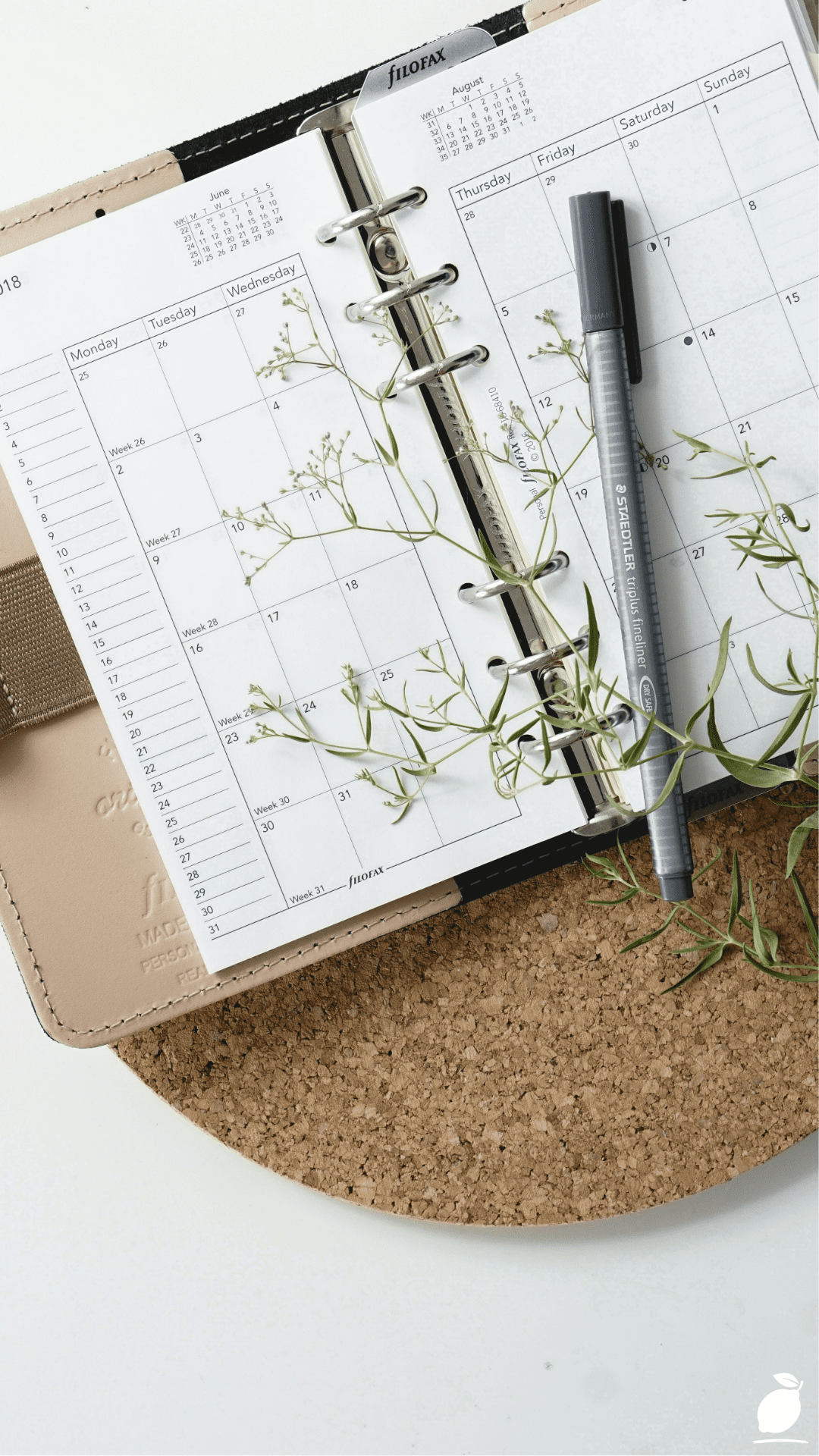
Easy Peasy Life Matters has always believed that the simplest tools, used consistently, create the most lasting change. A planner, a pen, and a handful of clear lists don’t just organize your week; they organize your thinking, your energy, and ultimately your sense of who you are and what you’re building. When your outer life is organized, your inner life follows. The calm isn’t a reward for getting everything done. It’s what happens when you finally trust a system to hold it all.
Frequently Asked Questions
How many lists do I actually need to organize my life?
Most people find that 4 to 5 core lists cover everything: a brain dump or master list, a weekly priorities list, a daily task list, a household/errands list, and a goals list. You don’t need more categories than that to fully organize your life; you need to use the ones you have consistently. Start with two lists (daily tasks and a brain dump) and add others as your system matures.
What’s the best tool to use — a planner, a notebook, or an app?
The best tool is the one you’ll actually use every day. A physical planner works well for people who think better on paper and want a dedicated weekly layout. A simple notebook works for people who prefer flexibility. Apps like Notion, Todoist, or Apple Notes work well for those who organize better digitally and need access across devices. The format matters far less than the consistency of use.
How do I stop my lists from becoming overwhelming?
The antidote to an overwhelming list is a strict limit on daily entries and a regular review practice. If your list feels too long, that’s not a list problem; it’s a prioritization problem. Ask yourself: if I could only complete three things on this list today, which three would matter most? Start there. The rest either rolls forward with intention or gets removed entirely.
How long does it take to see results from organizing with lists?
Most people notice a difference within the first week, not because everything is solved, but because the mental load of tracking tasks in their heads is transferred to paper. The deeper benefits include reduced stress, better follow-through, improved relationships, and clearer goals that compound over 30 to 60 days of consistent use. The system gets stronger the longer you use it.
Can lists help if I have ADHD or struggle with executive function?
Yes, in fact, external organizational systems like lists are one of the most evidence-supported tools for supporting executive function. The key is to make lists visible, short, and specific. Physical planners and paper lists often work better than digital tools for people with ADHD because they provide a tangible anchor. Pairing lists with time-blocking and visual timers can amplify the effect significantly.