
The stock curtains in our travel trailer were doing their job technically. They blocked light, more or less, and closed with a satisfying tug of the little curtain wire. But they were also thin, faded from years of sun exposure, and printed with a busy geometric pattern that clashed with literally everything else we owned. Every photo I took inside the trailer had this same dated backdrop, no matter how much I tidied up the rest of the space beforehand, and it started to feel like the curtains alone were holding our whole RV travel setup back from feeling finished.
If you’ve ever spent real time in an RV or travel trailer, you know how much the small details matter in a compact living space. There’s no extra room to visually “absorb” something you don’t love; every surface, including the windows, is part of the daily experience of RV travel. I didn’t want to spend a fortune replacing them with custom RV curtains, but I also couldn’t keep ignoring how much those tired panels were dragging down an otherwise cozy space every time we hit the road.
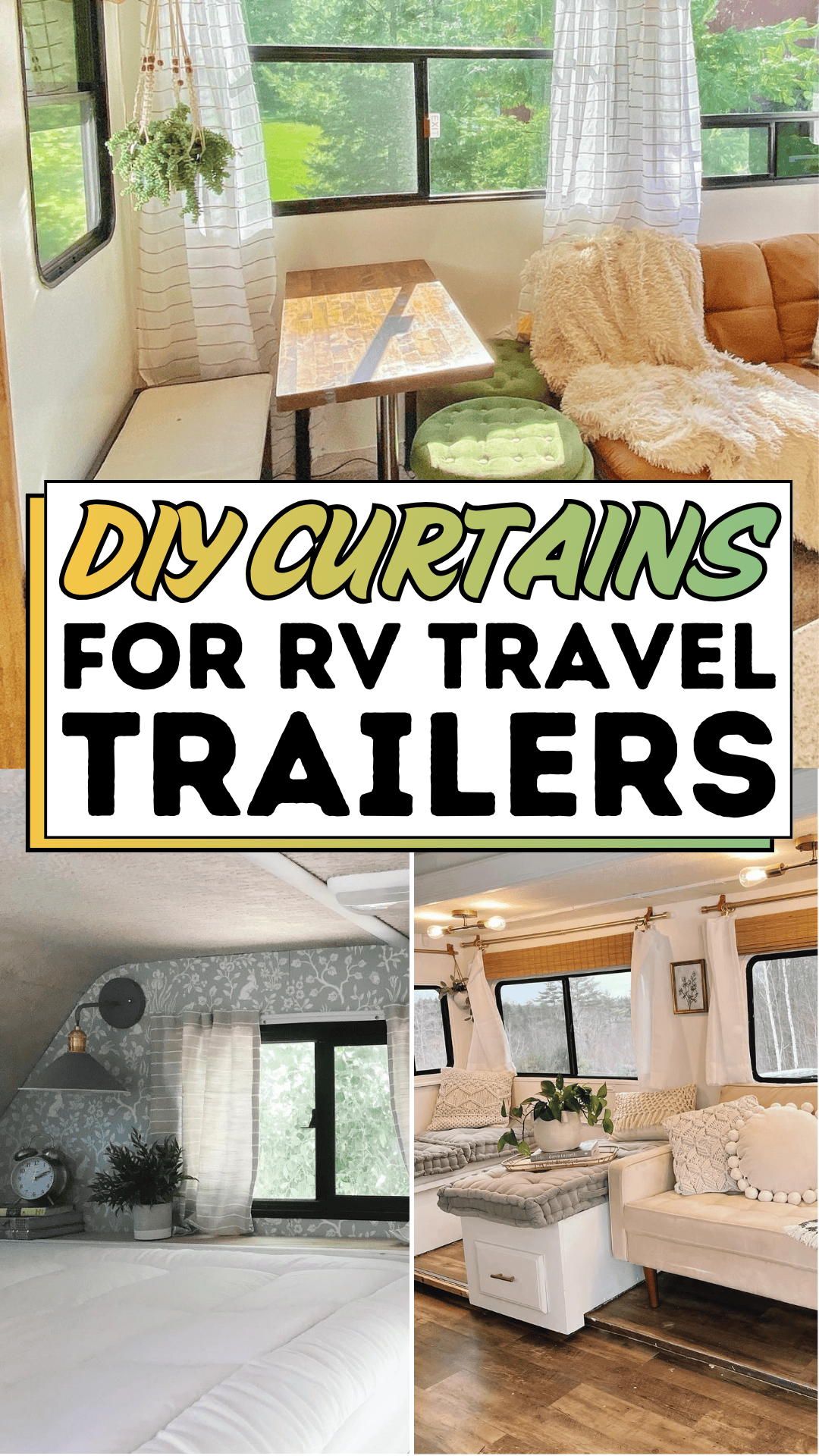
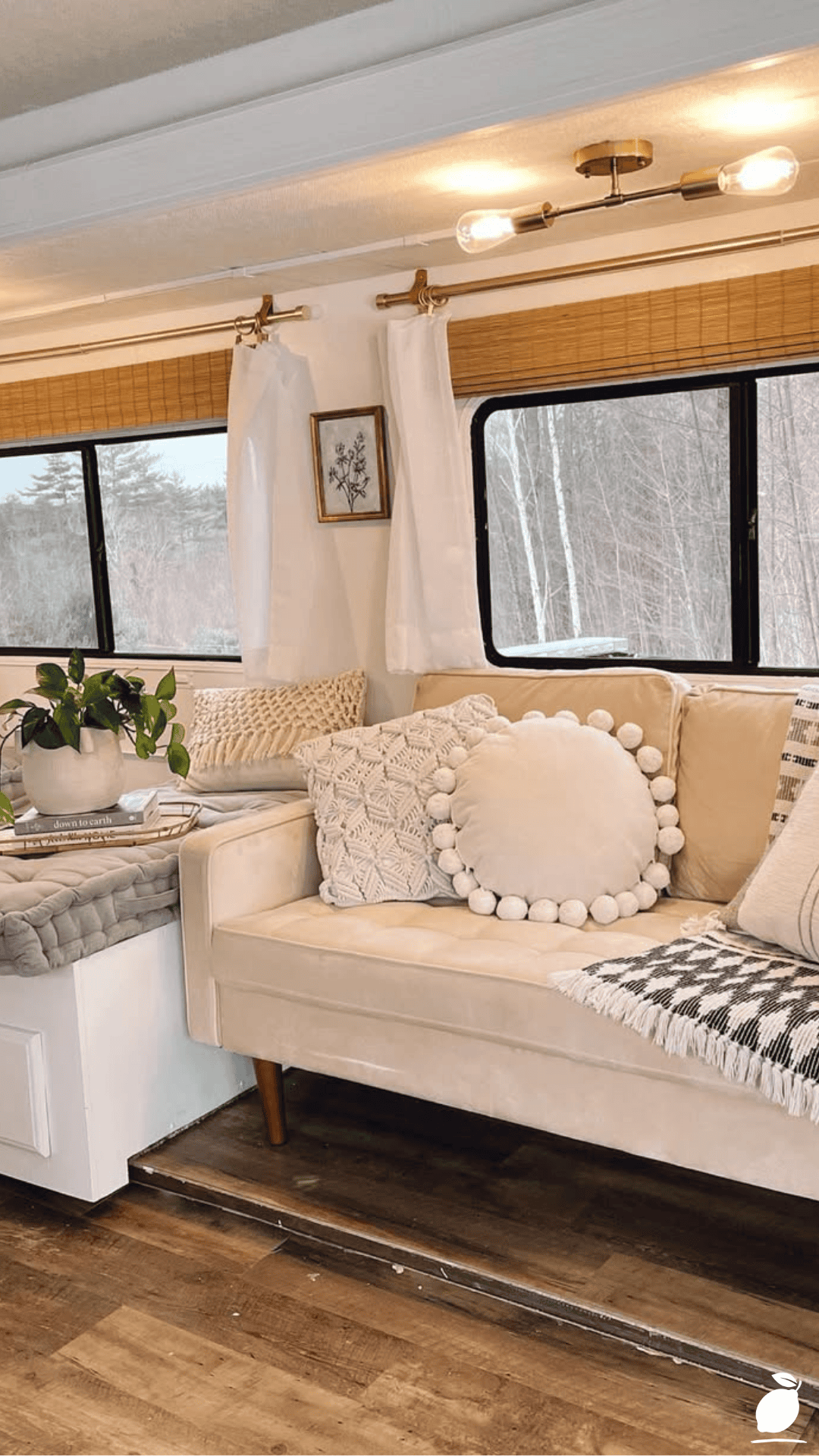
That’s when I found a photo that completely shifted my perspective: a soft cream couch, layered neutral pillows, a wooden coffee table with a little greenery, vintage-style pendant lights overhead, and the detail that caught my eye most simple white curtains framing two big windows, letting in soft, filtered daylight. It looked like a proper little living room, not a vehicle interior. That photo became my inspiration for a weekend project, and it completely changed how our trailer feels on every RV travel adventure since. Here’s exactly how to make your own.
The RV Travel Blueprint
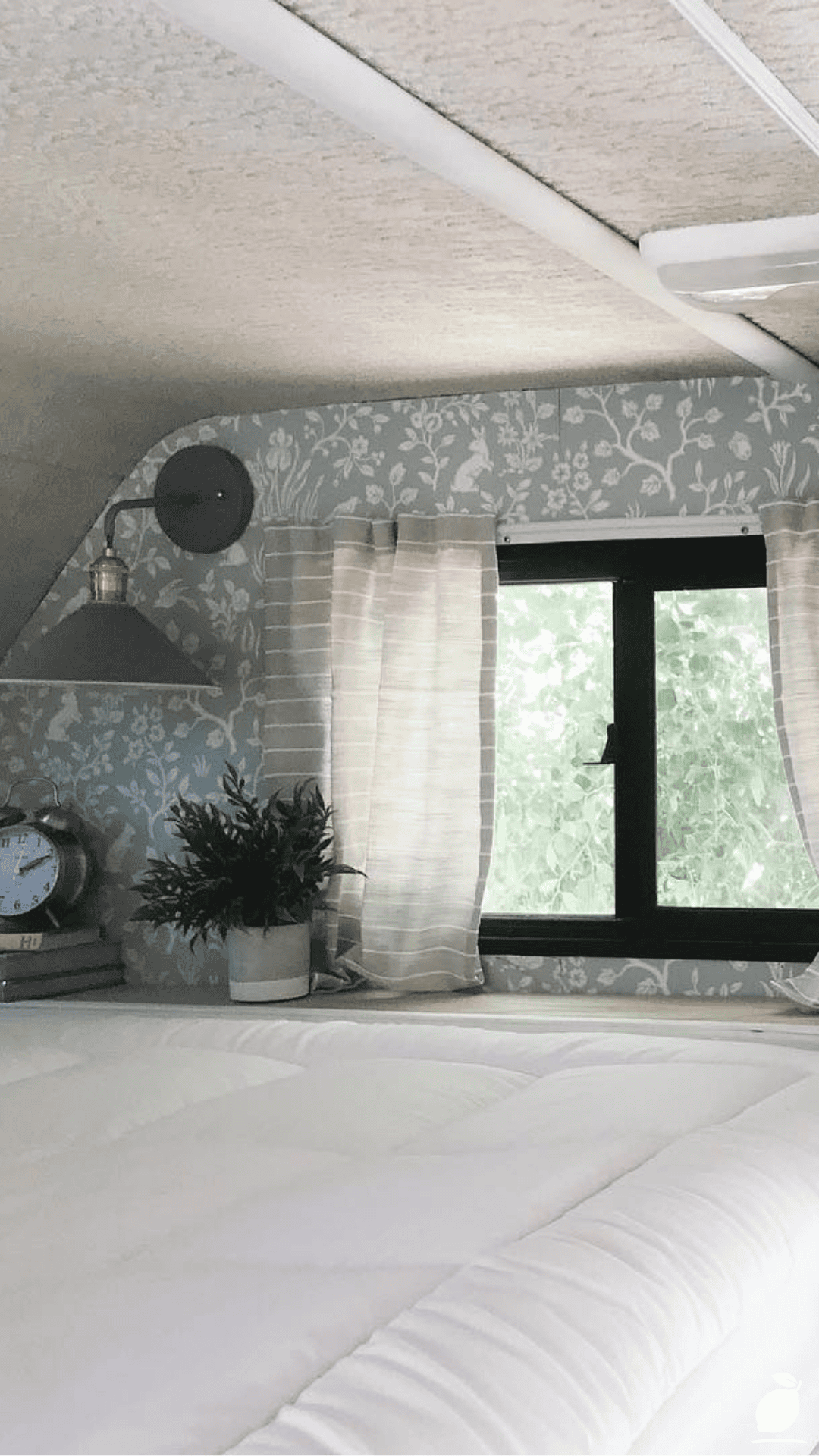
Good curtains are a small detail with an outsized impact on how a space feels during RV travel. Follow these steps in order to design, sew, and install a set that holds up to real life on the road.
Step 1: Measure Your Windows Precisely
RV and travel trailer windows often have nonstandard shapes and depths compared to home windows. Measure width and height at multiple points, since many RV windows aren’t perfectly rectangular, and note any curves or angled edges that will affect your curtain design for RV travel.
Step 2: Choose a Lightweight, Travel-Friendly Fabric
Select a fabric that’s soft, breathable, and resistant to wrinkling after being folded or compressed during travel. Lightweight cotton, linen-blend, or sheer voile fabrics all work well and let in natural light while still adding softness to any RV travel interior.
Step 3: Decide on a Hanging Method
Most RVs use a flexible curtain wire or a simple tension rod system rather than a heavy traditional rod. Choose your hardware based on your existing setup, or plan to install a lightweight tension rod if you’re starting from scratch for your RV travel curtain project.
Step 4: Cut and Hem Your Panels
Cut fabric panels slightly wider than your window opening for a gathered, fuller look when closed, and hem all edges to prevent fraying during travel and regular washing. A simple straight-stitch hem is durable and doesn’t require advanced sewing skills, even for a full RV travel curtain set.
Step 5: Add a Rod Pocket or Curtain Clips
Sew a simple fabric pocket along the top edge for wire or rod insertion, or attach curtain clips for a no-sew alternative. Rod pockets tend to hold up better to the vibration and movement of regular RV travel.
Step 6: Hang and Test for Fit
Install your curtains and test them fully open and fully closed, checking that they clear any nearby cabinets, vents, or hardware. Adjust hemming or hanging height as needed before finalizing your RV travel curtains.
Step 7: Add Tiebacks or Simple Accessories
Attach fabric or ribbon tiebacks to hold curtains open neatly during travel days, keeping them secure and out of the way of windows that need to stay clear for driving visibility or ventilation during RV travel.
Step 8: Coordinate With Surrounding Textiles
Tie your new curtains into the rest of the space with matching or complementary throw pillows, a table runner, or a small rug. This final step is what makes a simple curtain swap feel like a full interior refresh for your RV travel setup.
Step 9: Do a Real-World Travel Test
Before considering the project finished, take a short trip and observe how the curtains perform; check for shifting, wrinkling, or hardware rattling. This real-world RV travel test often reveals small adjustments worth making before a longer road trip.
Expert Secrets for Success
Pro-Tips for a Better Result
- Choose wrinkle-resistant fabric blends specifically, since curtains stored or bunched during driving days will wrinkle far more than stationary home curtains ever do, which matters a lot for frequent RV travel.
- Add a weighted hem (a thin strip of fabric weight sewn into the bottom edge) to keep curtains hanging neatly even with airflow from open windows or vents while parked.
- Pre-wash and dry your fabric before cutting and sewing to account for any shrinkage, especially with natural fiber fabrics like cotton or linen.
- Keep a small repair kit (matching thread, a needle, spare clips) in your trailer for quick fixes on the road during RV travel.
- Label or photograph your curtain measurements and fabric source so replacing a single damaged panel later doesn’t require remeasuring the whole RV travel trailer.
- Consider making a slightly heavier blackout panel for bedroom windows and a lighter, sheer version for the main living area, giving your RV travel setup flexibility for both privacy and daylight.
Common Mistakes to Avoid
- Don’t choose heavy, structured fabrics for RV curtains; they add unnecessary weight and don’t compress or store well during travel days.
- Avoid skipping the wrinkle test: bunch a fabric sample tightly for a day and see how it looks afterward before committing to yardage for the whole trailer.
- Don’t mount hardware directly into thin RV wall paneling without proper anchors; the vibration from regular RV travel can loosen improperly secured curtain rods over time.
- Resist making curtains too long or too full for tight RV spaces; excess fabric can catch on furniture or vents in a way that’s rarely an issue in a full-sized home.
- Don’t forget to account for slide-out sections if your trailer has them; curtains that don’t retract properly can jam or tear during slide operation.
- Avoid using non-colorfast fabric near windows that get heavy sun exposure during long stretches of RV travel, since fading can happen much faster than expected.
Why RV Travel Matters
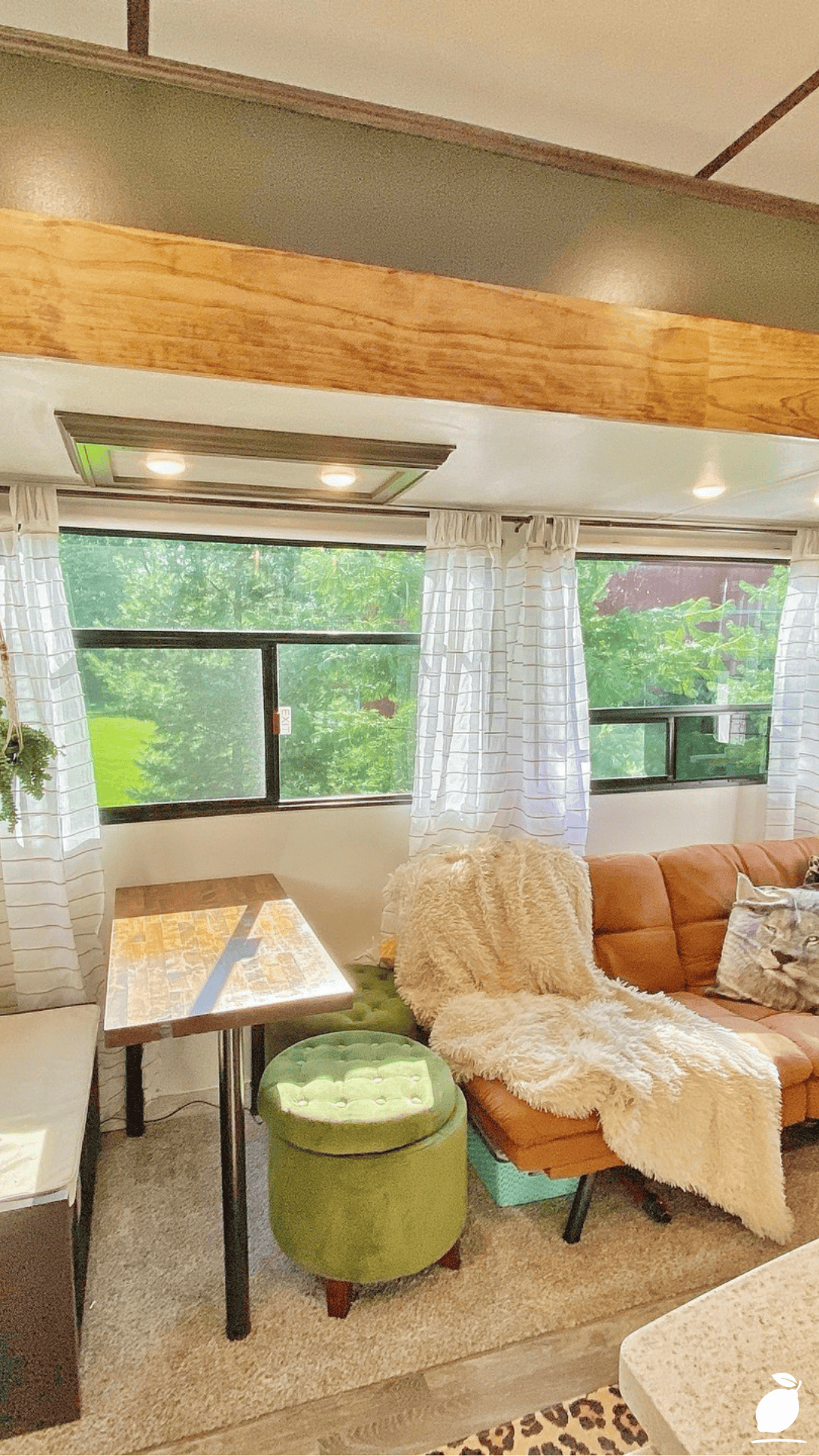
RV travel is supposed to feel like freedom new views out the window every few days, a home base that moves with you. But that sense of freedom is a lot harder to enjoy when the interior itself feels dated, cluttered, or uncomfortable. Small, intentional updates like DIY curtains do more than just look nice; they make the space feel like an extension of home, not just a functional shell for getting from place to place during RV travel.
There’s a specific kind of calm that comes from pulling back a set of curtains you made yourself and seeing soft daylight fill a space that finally feels like yours. For families who spend real time on the road, that comfort matters just as much as it would in a permanent home. A little effort put into the details of RV travel pays off in every single trip that follows: better mornings, better light, and a space that feels genuinely restful after a long day of driving.
That restfulness tends to shape the whole trip, not just the interior. A trailer that feels calm and put-together makes it easier to relax once you’ve parked for the night, and it’s one less thing pulling your attention away from the actual point of RV travel time outdoors: time together, and a change of scenery that still feels like home when you climb back inside.
FAQ
What fabric works best for RV travel curtains?
Lightweight, breathable fabrics like cotton, linen blends, or sheer voile tend to work best for RV travel, since they resist wrinkling during transport and allow natural light to filter through even when partially closed.
Do I need to sew to make DIY RV curtains?
Not necessarily; curtain clips and no-sew hemming tape are both effective alternatives for anyone who wants the look of custom curtains without traditional sewing skills, even for a full RV travel curtain set.
How do I keep RV curtains from shifting or falling during travel?
Choose a secure hanging method like a curtain wire or tension rod rated for the panel weight, and add tiebacks to keep curtains held neatly in place while driving on any RV travel trip.
Can I use blackout fabric for RV travel curtains?
Yes, blackout-lined fabric is a popular choice for bedroom or sleeping areas in a travel trailer, though lighter, sheer options are often preferred for main living spaces to keep the interior feeling bright and open during daytime RV travel.
How much fabric do I typically need for a full RV curtain project?
Most RV windows require between one and two yards of fabric per panel depending on window size and desired fullness, so measuring accurately beforehand is the best way to estimate total yardage for the whole trailer.
How often should I replace curtains used for regular RV travel?
Most well-made fabric curtains hold up for several years of regular RV travel, though sun-exposed panels may need replacing sooner if fading or thinning becomes noticeable, especially on windows that face direct afternoon light most often.