I still remember sitting on the floor of my apartment, surrounded by torn-out magazine pages and browser tabs I couldn’t keep straight, trying to figure out what “fall wedding flowers” even meant beyond the obvious orange-and-brown clichés. Every bouquet I found online looked either like a summer arrangement with a few mums stuffed in, or so heavy and rustic it felt more harvest festival than wedding day. I wanted something rich and seasonal, but I also wanted it to feel elegant, not like I’d raided a pumpkin patch.
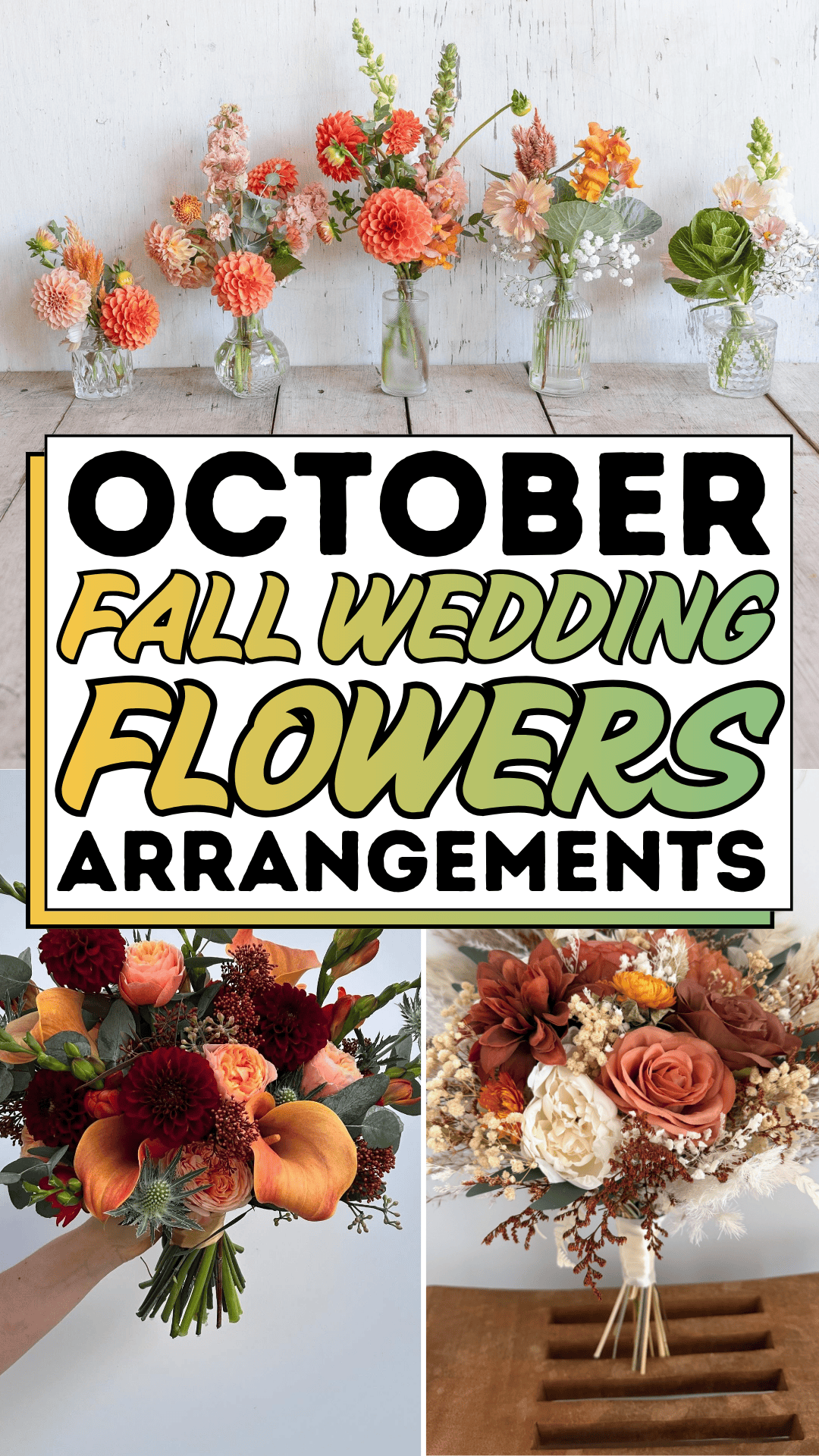
If you’ve ever planned an October wedding, you know that particular kind of overwhelm. There’s so much conflicting inspiration out there, and it’s hard to tell which combinations of blooms will actually photograph beautifully together instead of just looking busy. Fall gives you an incredible color palette to work with, but only if you choose the right flowers ones that complement each other in tone, texture, and shape instead of competing for attention.
That clarity finally clicked for me when I saw a bouquet that captured exactly the right balance: deep burgundy dahlias, soft peach and blush roses, warm orange calla lilies, a few sprays of deep red berries, and silvery eucalyptus woven through it all. It wasn’t overly rustic or overly polished; it was rich, textured, and unmistakably autumn without leaning into a single cliché. That bouquet became my blueprint for understanding fall wedding flowers, and here’s the full guide to the blooms that make an October arrangement genuinely beautiful.
The Fall Wedding Flowers Guide
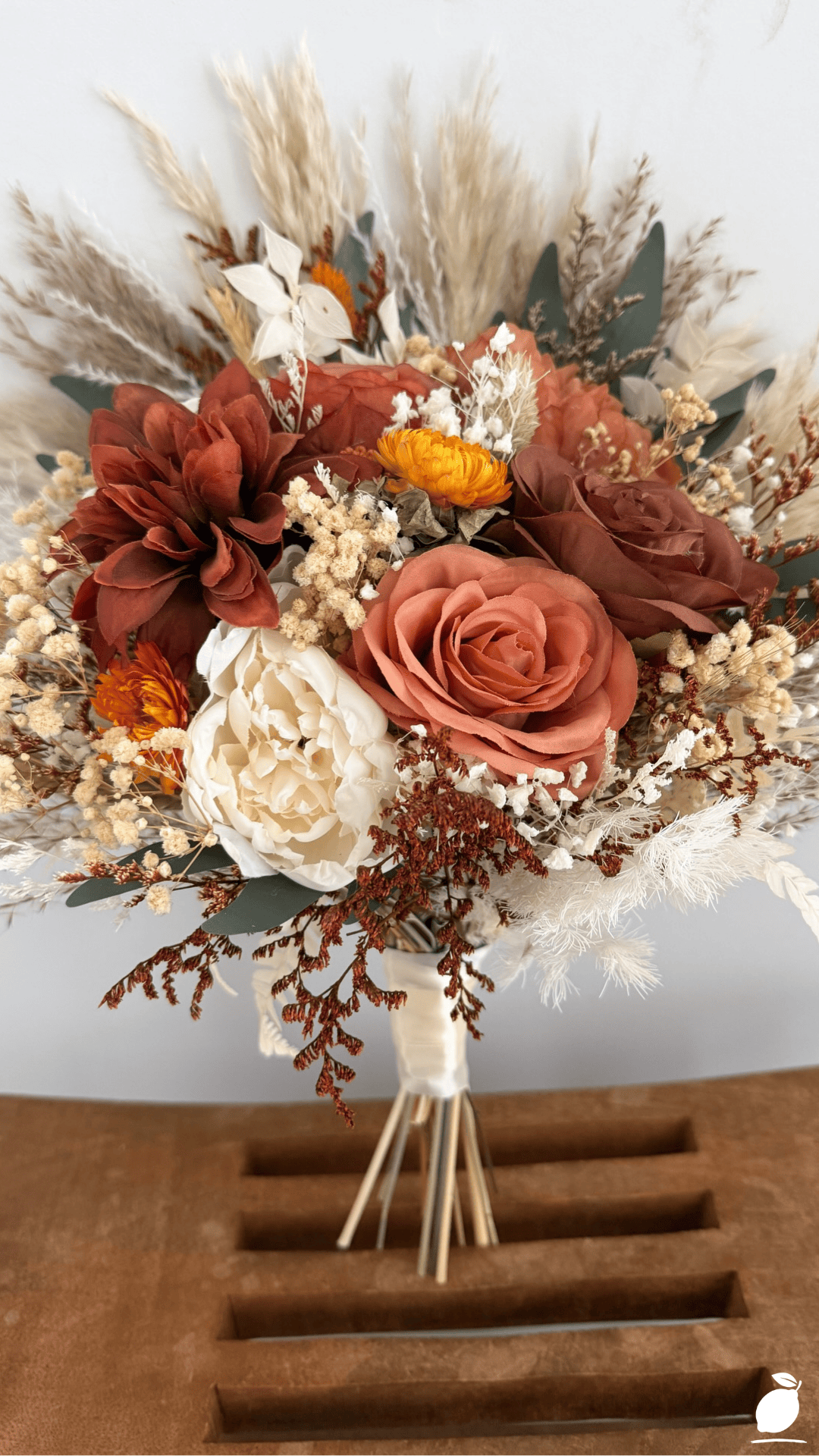
Dahlias
Why it works: Deep burgundy or wine-toned dahlias bring dramatic depth and structure to an autumn bouquet with their tightly packed, rounded petals. Their rich color anchors the arrangement and reads beautifully in both daylight and evening reception lighting.
Garden Roses
Why it works: Soft peach and blush garden roses soften the deeper, richer tones around them, adding a romantic, layered texture. Mixing fully bloomed roses with a few buds gives the bouquet natural movement and visual interest at every angle.
Calla Lilies
Why it works: Their smooth, trumpet-shaped petals in warm apricot and burnt orange bring elegant, sculptural lines to a bouquet that might otherwise feel too soft or rounded. Calla lilies photograph exceptionally well and add a modern edge to a traditionally rustic fall palette.
Gladiolus Buds
Why it works: Yellow-green and orange gladiolus buds introduce vertical structure, breaking up the rounded shapes of dahlias and roses. Their unopened, elongated form adds architectural interest without overwhelming the softer blooms around them.
Berry Sprigs
Why it works: Clusters of small, deep red berries add texture and a subtle reminder of the season’s harvest without tipping the bouquet into overly literal “autumn” territory. They fill small gaps between larger blooms and add depth when photographed up close.
Eucalyptus
Why it works: Broad, silvery-green eucalyptus leaves provide a cooling visual contrast against all the warm reds, oranges, and peaches. It’s one of the most versatile fall wedding flower pairings, since eucalyptus works with nearly any color palette while still feeling seasonal.
Thistle
Why it works: Spiky, grey-green thistle adds an unexpected, slightly wild texture that keeps a lush bouquet from feeling too formal or overly manicured. It’s a small detail, but it’s often what makes an arrangement feel personal and distinct rather than generic.
Chrysanthemums
Why it works: Hardy and available in warm gold, rust, and burgundy tones, chrysanthemums are a budget-friendly way to add volume and rich color to larger arrangements like centerpieces, without sacrificing that classic October wedding feel.
Expert Secrets for Success
Pro-Tips for Better Results
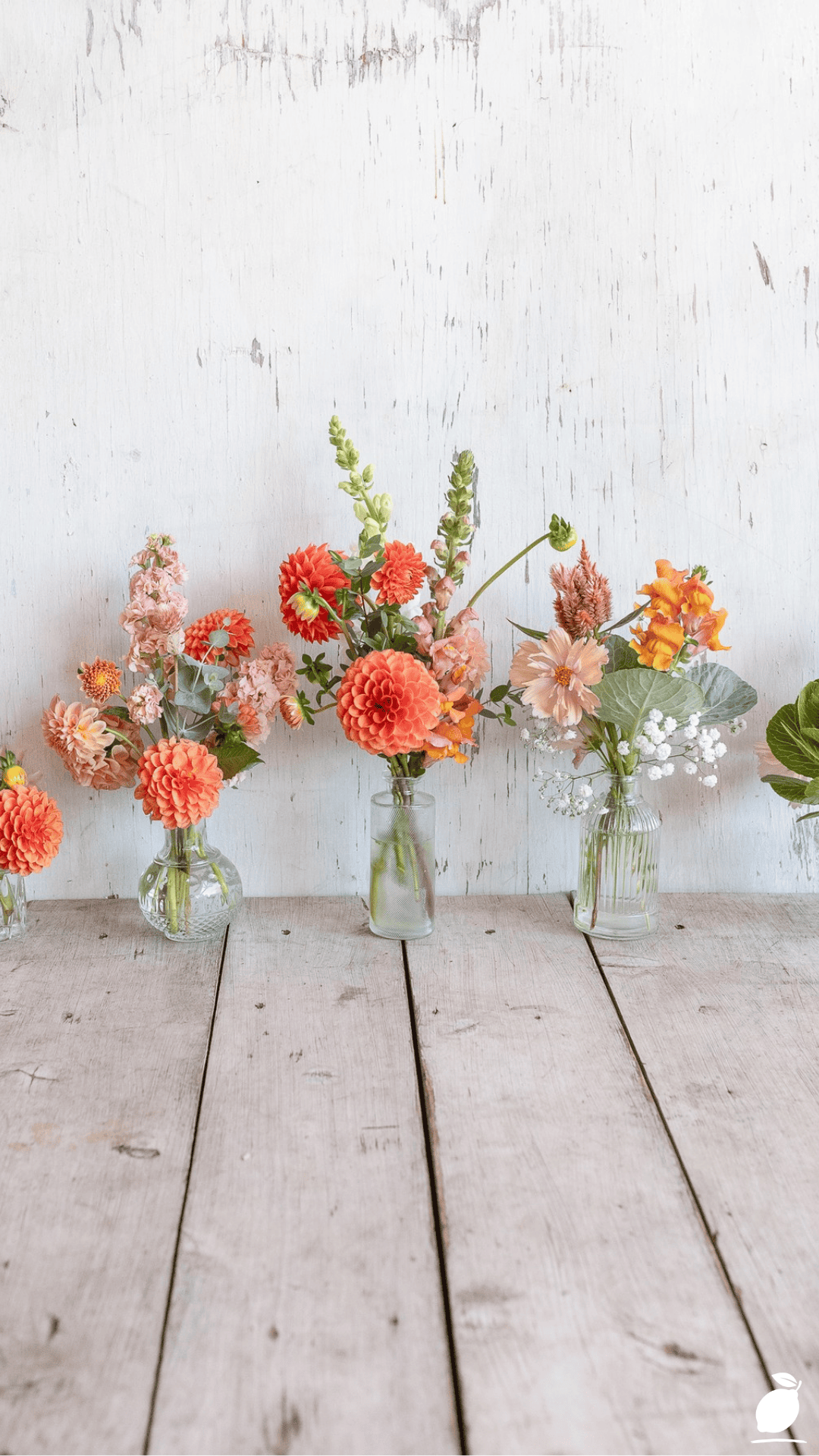
- Choose two or three “hero” blooms (like dahlias and roses) and build the rest of the arrangement around them, rather than trying to feature every flower equally.
- Ask your florist about seasonal availability early, since some fall wedding flowers, like specific dahlia varieties, have a shorter bloom window and may need to be pre-ordered.
- Incorporate textural greenery like eucalyptus or thistle to add depth without adding more focal-point flowers, keeping the bouquet visually rich but not overcrowded.
- Request a sample bouquet or centerpiece a few weeks before the wedding to see how your chosen combination photographs under different lighting conditions.
Common Mistakes to Avoid
- Don’t rely solely on orange and brown tones; the most elegant fall wedding flower arrangements mix in deep reds, blush pinks, and soft greens for more visual depth.
- Avoid choosing flowers based only on color without considering texture; an arrangement of all smooth, rounded petals can look flat compared to one that mixes rounded blooms with spiky or elongated accents.
- Don’t wait until the last minute to confirm availability of specialty fall wedding flowers with your florist, since October is a popular wedding month and demand for autumn-specific blooms peaks quickly.
- Resist overcrowding a bouquet with too many different flower types; even a rich, textured arrangement benefits from a limited, intentional flower list.
Why Fall Wedding Flowers Matter
A wedding day moves fast, and it’s easy for small details to get lost in the noise of a much bigger event. But flowers have a way of grounding a wedding in its season, its setting, and its story. Thoughtfully chosen fall wedding flowers do more than decorate; they set an emotional tone the moment guests walk in, warm and rich in a way that feels distinctly autumn without saying a single word.
There’s also something deeply calming about handing off a piece of your wedding vision to something as simple and natural as flowers. Amid table settings, seating charts, and a hundred other decisions, choosing the right fall wedding flowers is one of the few parts of planning that feels genuinely joyful rather than stressful. It’s a small, beautiful piece of the day that brings real peace to both the planning process and the moment you finally walk down the aisle holding it.
FAQ
What flowers are in season for an October wedding?
Dahlias, garden roses, chrysanthemums, calla lilies, and gladiolus are all reliably in season for October, along with textural elements like berries, eucalyptus, and thistle that pair beautifully with autumn color palettes.
How much do fall wedding flowers typically cost?
Costs vary widely by region and florist, but couples can generally expect fall wedding flowers to fall within a similar range to other seasons, with slight premiums for specialty blooms like specific dahlia varieties during peak October demand.
Can I mix fall wedding flowers with non-seasonal blooms?
Yes, many florists blend seasonal fall flowers with year-round staples like roses or greenery to balance cost, availability, and the overall color palette of the arrangement.
What colors work best for October wedding bouquets?
Deep reds, burnt oranges, blush pinks, and warm golds tend to work beautifully together for October, especially when balanced with soft greenery like eucalyptus to keep the palette from feeling too heavy.
How far in advance should I order fall wedding flowers?
Most florists recommend booking three to six months in advance for a fall wedding, and even earlier if you’re set on specific specialty blooms with limited seasonal availability.