My first attempt at an herb garden was, in hindsight, basically chaos disguised as ambition. I planted mint right next to basil in the same small pot, both crammed in with rosemary, and within a month the mint had taken over everything, choking out the basil and leaving the rosemary looking sad and stunted in the corner. I’d read that herbs were “easy” to grow, and technically they were; I just had absolutely no idea which ones actually got along, and I hadn’t yet learned that the right herb pairing matters just as much as the plants themselves.
If you’ve ever tossed a few herbs into a single pot and watched one aggressively bully the others into oblivion, you know exactly the mess I mean. It’s not that herb gardening is hard. It’s that not every herb makes a good roommate, and pairing the wrong ones together sets you up for frustration no matter how much care and attention you give the pot. The secret isn’t more effort; it’s a better herb pairing strategy from the very beginning.
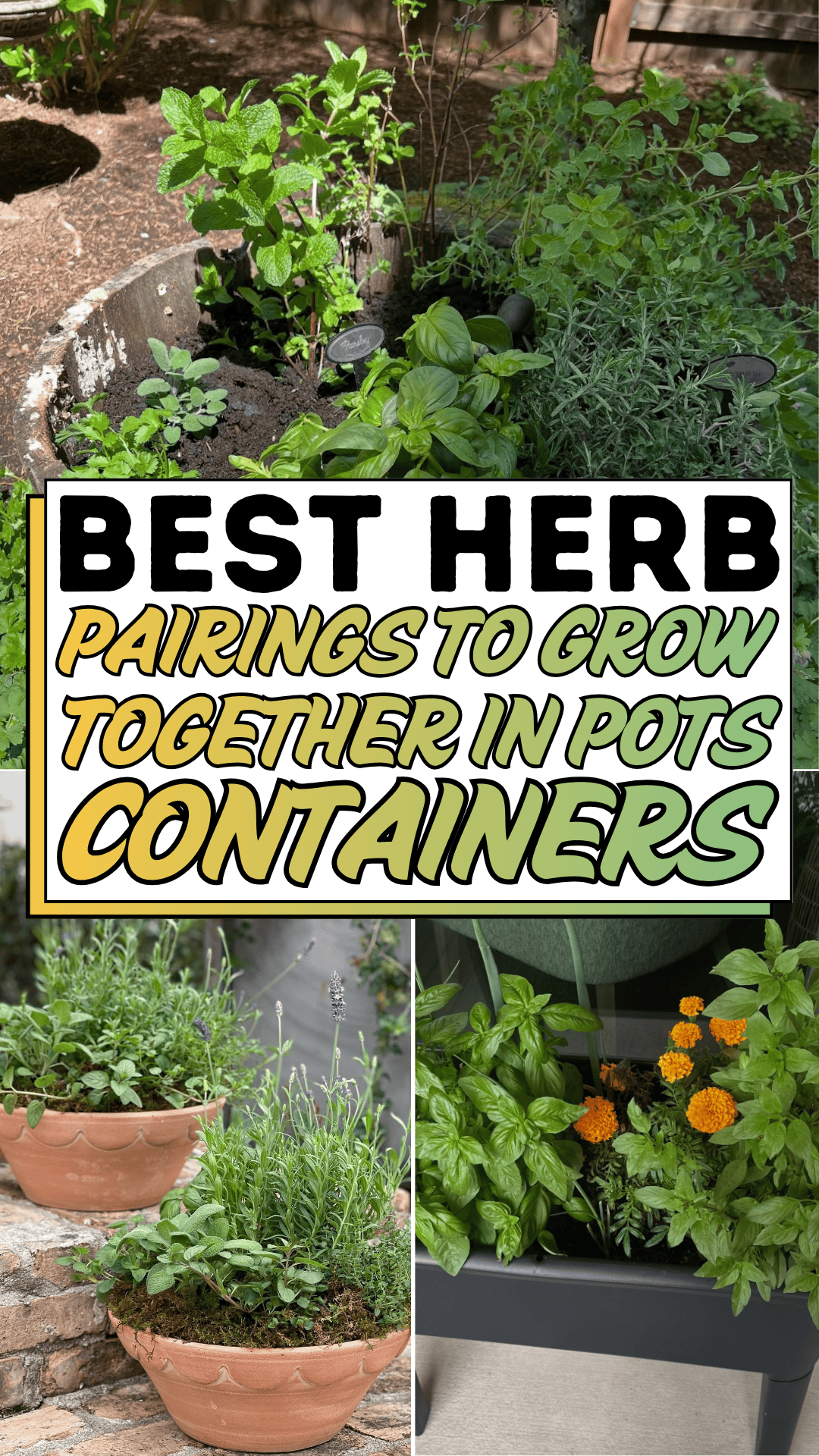
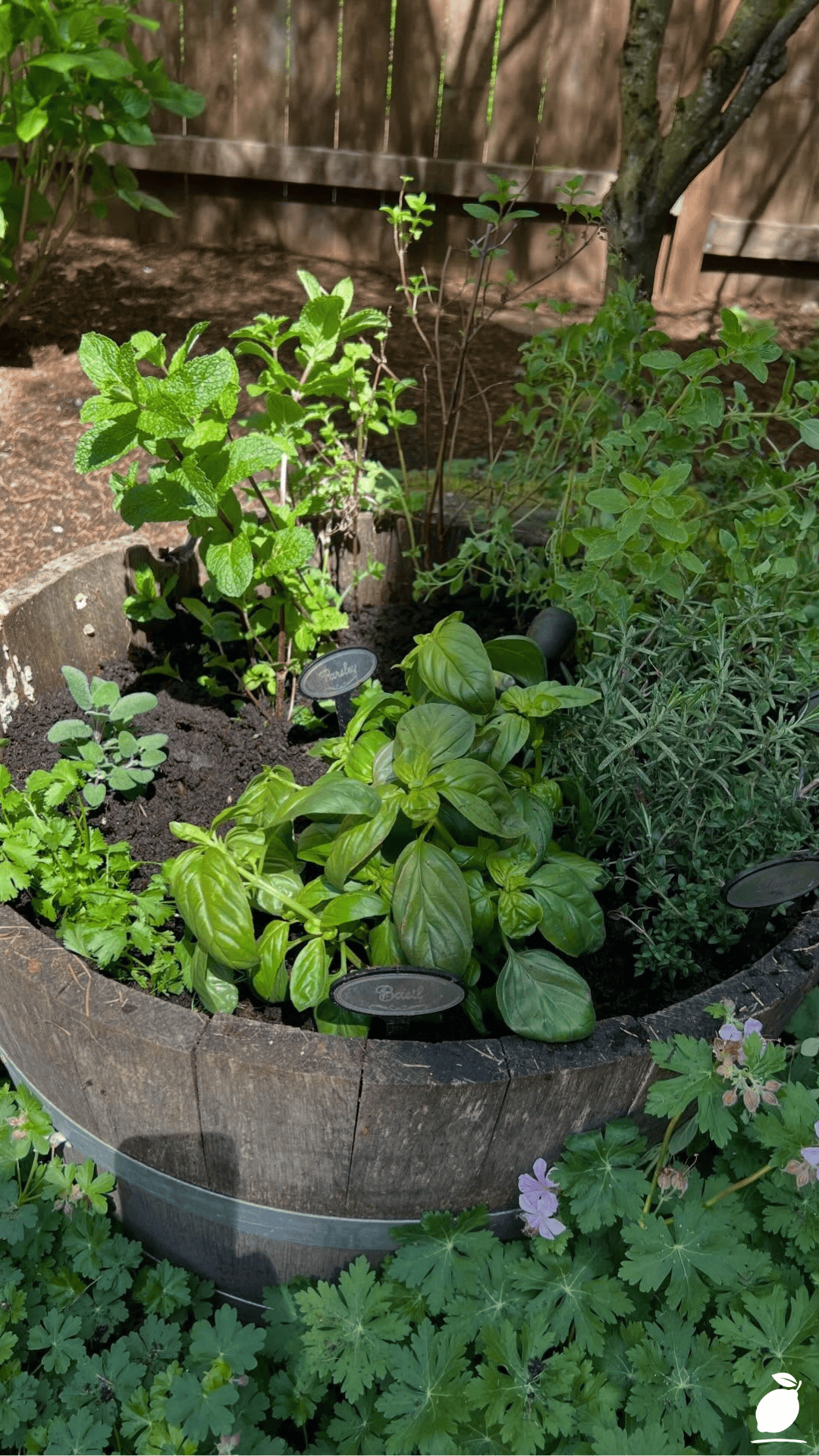
That clarity clicked for me looking at a photo of a weathered wooden barrel planter, layered with fresh basil in the center, mint along one side, and silvery rosemary on the other, with small purple geranium blooms growing at the base and a wooden fence softly framing the whole scene. It looked lush, balanced, and completely intentional proof that the right herb pairing can turn a single pot into a thriving little garden instead of a battleground. Here’s a full guide to the best herb pairings to grow together in pots and containers.
The Herb Pairing Guide
Choosing the right herb pairing comes down to matching plants with similar sun, water, and growth habits so no single herb dominates the pot. The combinations below are all proven, low-maintenance options for containers of nearly any size.
Basil and Parsley
Why it works: Both herbs enjoy similar sun and water needs, and their contrasting leaf shapes (broad basil, feathery parsley) create an attractive visual herb pairing without either one dominating the pot’s root space.
Rosemary and Thyme
Why it works: Both are Mediterranean herbs that thrive in dry, well-draining soil and full sun, making them a naturally compatible herb pairing that won’t compete over conflicting water needs.
Sage and Oregano
Why it works: Sage and oregano share a preference for drier soil and similar growth habits, and their muted green and silvery tones complement each other beautifully as an herb pairing in a shared container.
Cilantro and Dill
Why it works: Both fast-growing, cool-season herbs mature on a similar timeline, making this herb pairing ideal for gardeners who want a productive, quick-turnaround container that can be replanted easily once both herbs bolt.
Chives and Parsley
Why it works: Chives’ narrow, upright growth habit pairs well with parsley’s fuller, rounded form, and both tolerate similar soil moisture levels without one crowding out the other in this classic herb pairing.
Mint (Grown Solo, Paired by Proximity)
Why it works: Mint is notoriously aggressive and spreads quickly, so the best herb pairing strategy for mint is actually growing it in its own dedicated pot placed near other herbs rather than sharing a container, preserving the benefits of proximity without the competition.
Lavender and Rosemary
Why it works: Both drought-tolerant, sun-loving herbs with woody stems, lavender and rosemary make an excellent low-maintenance herb pairing that thrives on relative neglect and minimal watering.
Tarragon and Thyme
Why it works: Both herbs prefer similar well-draining soil and moderate watering, and tarragon’s tall, upright form pairs nicely with thyme’s low, spreading growth habit, creating a balanced herb pairing with visual variety.
Expert Secrets for Success
Pro-Tips for Better Results
- Group any herb pairing by water needs first, then by sun requirements; mismatched watering schedules cause more container garden failures than any other single factor.
- Choose a container at least 12-16 inches wide when pairing two or more herbs, giving each plant’s root system enough room to establish without immediate competition.
- Trim aggressive growers like mint or basil regularly to keep them from overwhelming a shared pot, even when paired with compatible companions.
- Refresh potting soil annually, since container herbs deplete nutrients faster than herbs planted directly in garden beds.
- Label each herb pairing clearly if you’re growing multiple containers at once, since young herb seedlings can look surprisingly similar before they mature.
- Rotate your pots occasionally if they sit against a wall or fence, ensuring every plant in the herb pairing gets even sun exposure over time.
Common Mistakes to Avoid
- Don’t pair moisture-loving herbs like basil with drought-tolerant herbs like rosemary in the same container; their conflicting water needs will stress one or both plants.
- Avoid placing aggressive spreaders like mint directly in a shared pot with slower-growing herbs; even a well-intentioned herb pairing can quickly become one plant’s takeover.
- Don’t overcrowd a container with too many herb varieties at once; three or four well-chosen herbs typically outperform a crowded pot of six or more.
- Resist skipping drainage holes in decorative containers; herbs are especially prone to root rot in pots that don’t drain properly.
- Don’t ignore mature plant size when planning an herb pairing; a small seedling today can crowd its container companions significantly within just a few weeks.
- Avoid choosing herb pairings based on flavor combinations alone; a pairing that sounds great in the kitchen can still fail in the garden if growing needs don’t align.
Why Herb Pairing Matters
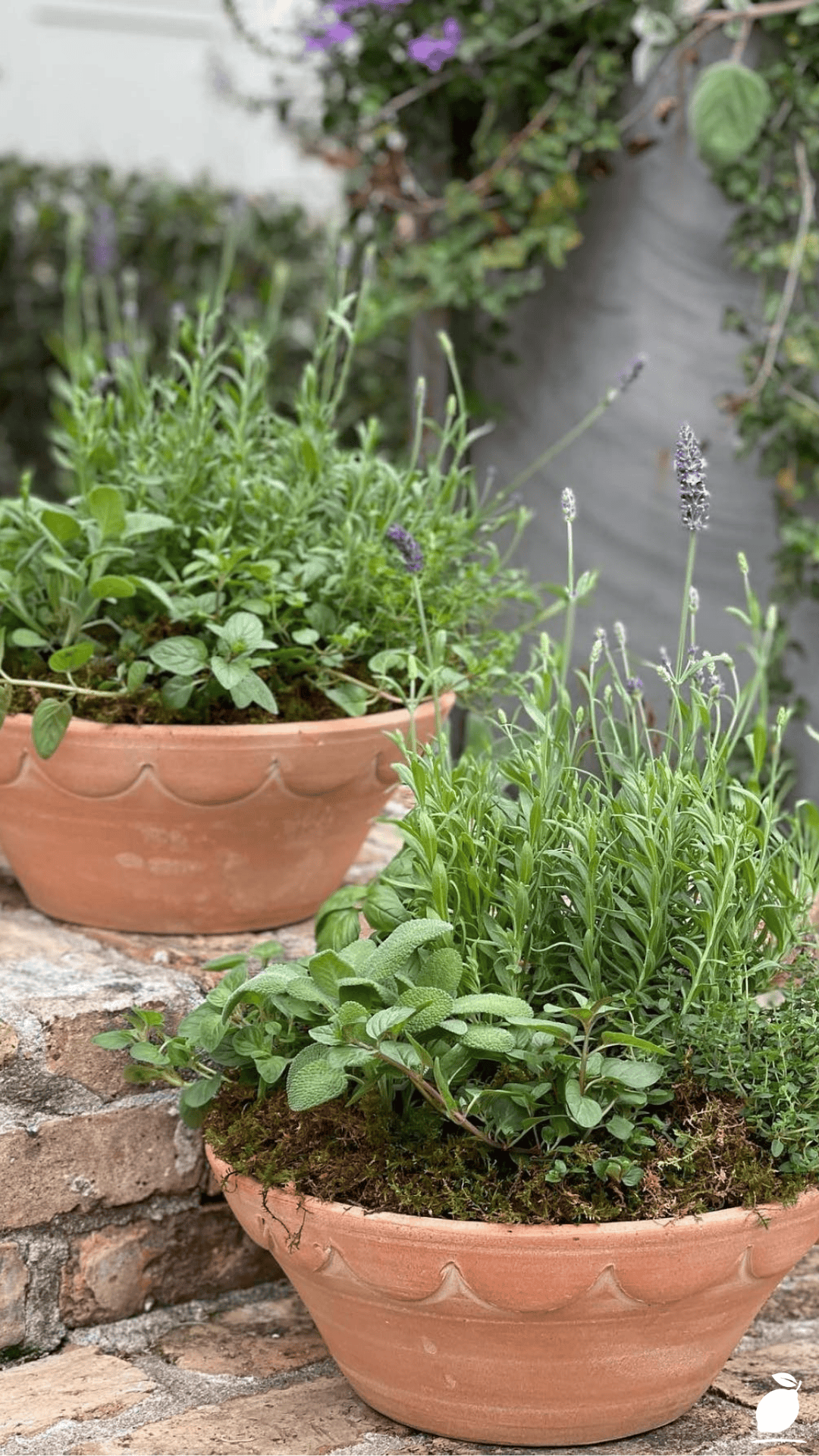
There’s something deeply satisfying about stepping outside and snipping fresh herbs for dinner from a pot you planted and cared for yourself. A thoughtfully designed herb pairing turns a simple container into a small, productive garden that actually gets used, rather than a collection of plants that quietly struggle and get forgotten. It’s a small project with a genuinely practical payoff every time you cook.
For families, tending a shared herb pot can also become a simple, grounding ritual a few minutes of quiet care each week that adds a little calm to an otherwise busy routine. Getting the pairing right means less frustration and more actual enjoyment, watching your herbs thrive together instead of fighting each other for space, sunlight, and water.
That small, weekly ritual tends to add up to something bigger than the herbs themselves. A successful herb pairing becomes proof that a little research and planning pays off, and that confidence often spills over into other areas of home and garden care. What starts as one thriving pot of basil and parsley can easily grow into a much larger appreciation for slow, intentional gardening.
FAQ
Can I grow multiple herbs in the same pot?
Yes, as long as the herbs share similar sun and water requirements; pairing herbs with conflicting needs, like moisture-loving basil with drought-tolerant rosemary, tends to lead to one or both plants struggling.
Why shouldn’t mint be planted with other herbs?
Mint spreads aggressively through underground runners and will quickly overtake a shared container, crowding out slower-growing herbs; it’s best grown alone in its own pot rather than as part of a mixed herb pairing.
What size container do I need for an herb pairing?
A container at least 12-16 inches in diameter is generally recommended for pairing two or more herbs, giving each plant’s roots enough space to establish without immediate competition.
How often should I water a mixed herb container?
Watering frequency depends on the specific herb pairing, but most container herbs need watering every one to three days during warm weather, checking soil moisture before each watering to avoid overwatering.
Can herb pairings work in indoor pots as well as outdoor containers?
Yes, many of the same pairing principles apply indoors, though indoor herbs typically need supplemental light and slightly less frequent watering than outdoor containers exposed to direct sun and wind.
How many herbs can I realistically combine in a single herb pairing?
Most successful container gardens combine two to four herbs per pot; beyond that, even compatible herb pairings tend to compete for root space and nutrients as the plants mature.