It’s 5:47 PM, dinner is thirty minutes from being a disaster, and you’re standing in front of your pantry holding three different bags that all claim to be “Italian seasoning.” One is half-empty and clumped together. One has no label at all. The third might actually be oregano from two apartments ago. You dump a little of each into the pot, hope for the best, and make a silent promise again that this is the week you finally fix the spice situation.
Sound familiar? For most of us, the spice cabinet is where good intentions go to die. We buy the pretty jars during a January organizing kick, use them for exactly one recipe, and then slowly slide back into a drawer full of crinkled paper packets and mystery powders. It’s not that we don’t care about a well-run kitchen or real Mason Jar Organization; it’s that life moves fast, and “someday” organizing projects rarely survive contact with a Tuesday night dinner rush.
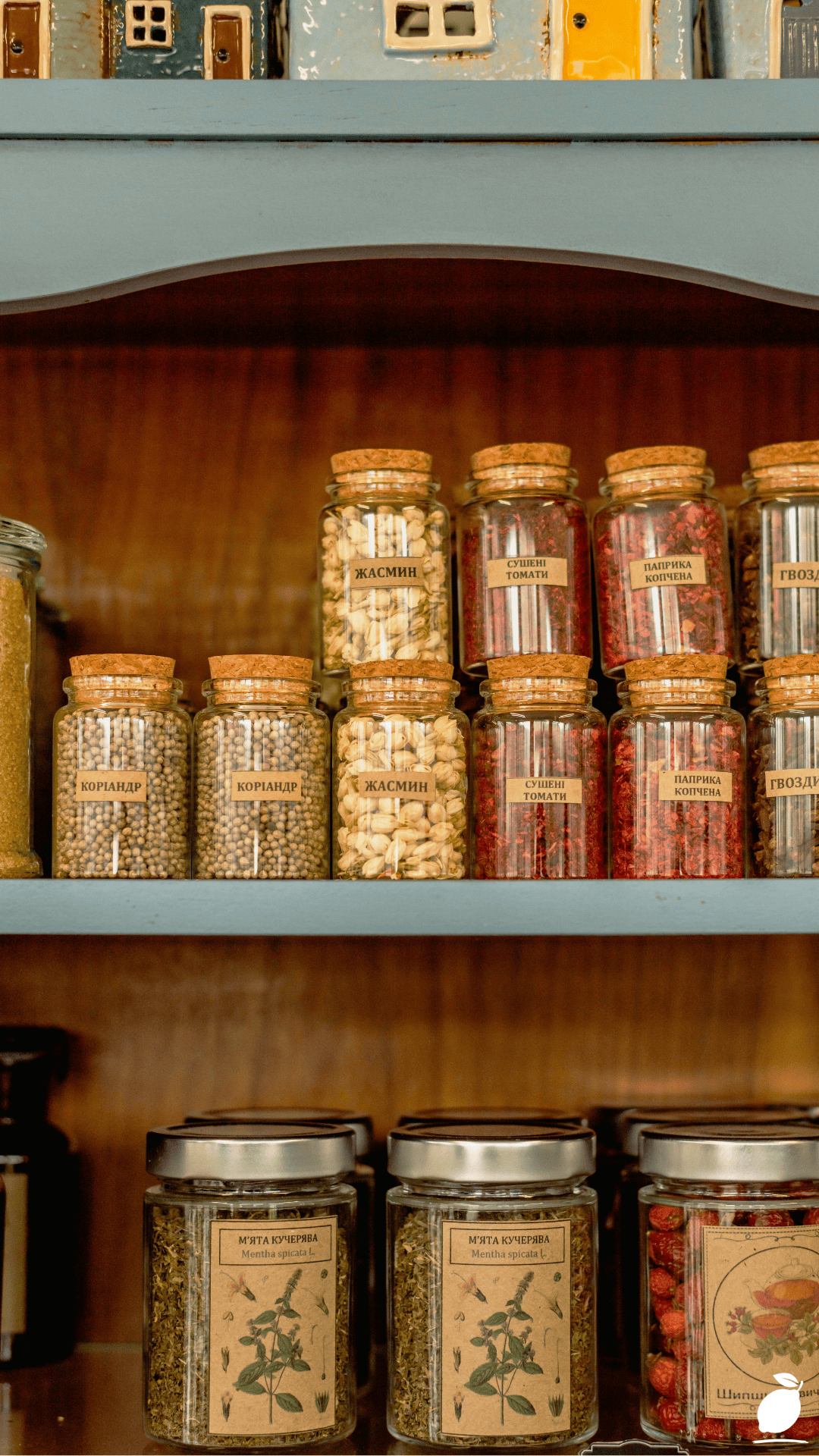
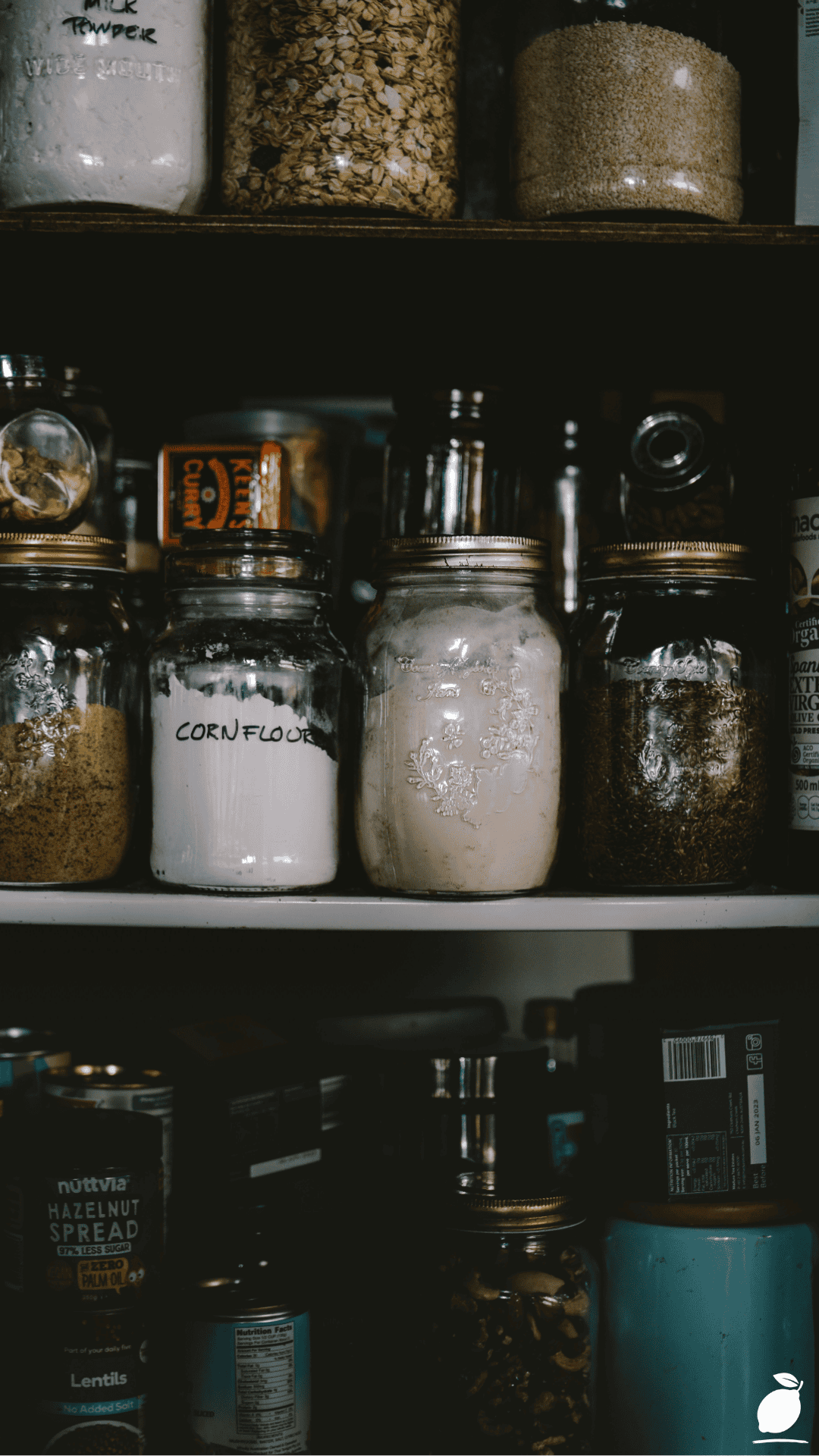
But then there’s the other kind of kitchen the one in the image that probably made you stop scrolling. Two wooden shelves, painted a soft, calming blue in the background, holding rows of glass jars filled with herbs and spices in warm shades of white, red, and beige. Each one has a simple handwritten label. The larger jars on the bottom shelf, dressed in botanical illustrations, look almost like they belong in an apothecary rather than a kitchen.
It’s not sterile or showroom-perfect; the jars are filled to different heights, casting soft shadows in the warm light, but it is calm. Organized. Intentional. And the truly good news? That kind of order isn’t reserved for people with more time, more money, or more natural tidiness than you. This is exactly what good Mason Jar Organization looks like in practice, and like any system, it can be built one weekend afternoon at a time.
The Mason Jar Organization Blueprint
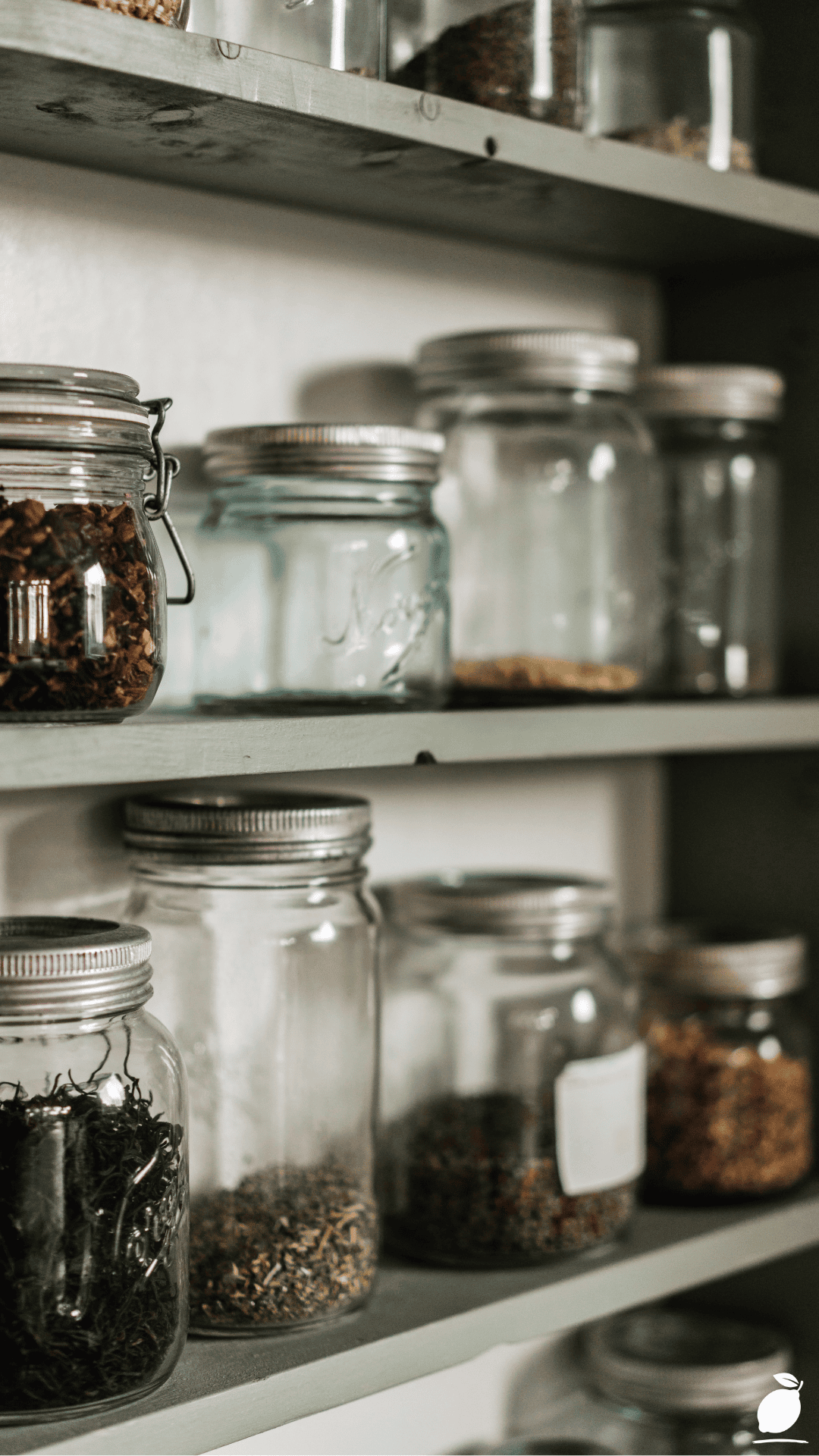
Turning a chaotic spice drawer into a display worthy of its own photograph doesn’t happen by accident, but it also doesn’t require a full kitchen renovation. Follow this step-by-step Mason Jar Organization sequence to get you there.
Step 1: Do a Full Spice Audit
Every good Mason Jar Organization project starts before you buy a single jar: empty every spice, herb, and seasoning packet onto your counter. Check expiration dates (most ground spices lose potency after 1–2 years) and be honest about what you actually cook with. If you haven’t touched the smoked paprika since a recipe two Thanksgivings ago, it’s okay to let it go.
Step 2: Choose Your Jar System
The heart of any Mason Jar Organization project is the jars themselves. Decide between uniform jars (all one size and shape, for a clean, editorial look) or a mixed approach like the one in the image, where smaller jars handle everyday spices and larger jars store bulkier items like whole herbs or specialty blends. Glass jars with cork or metal screw-top lids, like the ones pictured, keep contents airtight while still letting you see what’s inside at a glance.
Step 3: Decant with Purpose
This is where Mason Jar Organization really starts to take shape. Transfer each spice into its new jar using a small funnel to avoid the inevitable countertop dusting. Filling jars to varying levels is completely normal; not every spice needs to look identical, and slight variation actually adds visual warmth rather than looking messy.
Step 4: Label Everything by Hand or Print
Labeling is the step that makes Mason Jar Organization actually functional, not just pretty. Handwritten labels, like the ones shown on the top shelf, add a personal, farmhouse-style charm and are quick to redo when contents change. If handwriting isn’t your strength, a simple printed label with a clean font works just as well; the goal is legibility from a few feet away, not perfection.
Step 5: Group by Frequency and Function
Smart Mason Jar Organization is as much about placement as it is about the jars themselves. Arrange your most-used spices (salt, pepper, garlic powder, cumin) at eye level or front-row on the shelf. Save the back rows or bottom shelf for specialty items, baking spices, or bulkier botanical jars you reach for less often.
Step 6: Mount or Style Your Shelving
The final layer of Mason Jar Organization is presentation. If you’re working with open shelving like the wooden shelves in the image, make sure they’re securely mounted before loading them with heavy glass jars. A painted backdrop wall, even a soft, unexpected color like light blue, can turn a functional shelf into a genuine kitchen focal point.
Expert Secrets for Success
Pro-Tips for a Better Result
A few small habits separate a Mason Jar Organization system that lasts for years from one that quietly falls apart after a month.
- Store away from heat and light. Direct sun and stovetop steam degrade spices faster, even in glass jars; an interior cabinet or shaded shelf preserves flavor longer and protects your Mason Jar Organization investment.
- Use uniform lid styles for visual calm. Mixing metal screw-tops and cork lids, like the two jar types in the image, can still look cohesive if you keep the jar shapes within the same general family.
- Leave breathing room between jars. A slightly loose arrangement, rather than jars packed edge to edge, makes the whole shelf easier to actually use.
- Add small personal touches. Little decorative details like the miniature houses tucked along this shelf’s edge turn a purely functional space into one that feels like your kitchen.
Common Mistakes to Avoid
Even well-intentioned Mason Jar Organization efforts can go sideways. Watch out for these common missteps.
- Skipping the audit step. Transferring old, stale spices into new jars just gives your clutter a prettier disguise, undermining your whole Mason Jar Organization effort.
- Choosing jars that are too large for daily-use spices. Oversized jars for small quantities of spice lead to faster staleness from excess air exposure.
- Forgetting to label immediately. It’s tempting to “label later,” but that’s exactly how the mystery-jar problem starts all over again.
- Overcrowding the shelf. A packed shelf isn’t organization; it’s just a tidier version of chaos.
Why Mason Jar Organization Matters
There’s a reason a calm, well-labeled spice shelf feels disproportionately satisfying. Home organization isn’t really about the jars; it’s about reducing the hundred tiny decisions and frustrations that quietly wear on us every day. When you’re not digging through a drawer during a stressful weeknight dinner, you have a little more patience left for the people around that table. Good Mason Jar Organization simply removes one more source of daily friction.
A kitchen that functions smoothly becomes a kind of quiet backdrop to family life one less thing to argue about, search for, or apologize for. That soft blue wall and warm wooden shelf in the image aren’t just aesthetically pleasing; they represent a home where someone took the time to make daily life a bit easier for themselves and everyone they cook for. That’s the real win behind Mason Jar Organization: less friction, more presence, and a little more peace in the everyday moments.
FAQ
How many spices should I decant into jars for good Mason Jar Organization?
Start with whatever you use at least a few times a month. No rule says every spice in your pantry needs a matching jar for effective Mason Jar Organization; decanting your top 15–20 everyday spices is often enough to solve the daily chaos.
What jar size works best for Mason Jar Organization on a spice shelf?
Small 4–8 oz jars are ideal for ground spices and dried herbs used regularly, while larger jars (like the botanical-labeled ones in the image) suit bulkier items such as whole spices, tea blends, or baking staples.
Will cork lids keep spices fresh as well as metal lids?
Cork lids provide a decent seal for short-to-medium-term freshness but aren’t fully airtight, so they’re best for spices you use often and refill regularly. For long-term storage as part of your Mason Jar Organization system, a metal screw-top lid offers a tighter seal.
How often should I redo my spice labels?
Roughly once or twice a year, or any time you refill a jar with a different spice. Handwritten labels are easy to touch up with a quick wipe and rewrite, keeping your Mason Jar Organization system low-maintenance.
Can Mason Jar Organization work in a small kitchen without open shelving?
Absolutely. The same jar-and-label approach works beautifully inside a cabinet or drawer; you’ll still get the freshness and clarity benefits of Mason Jar Organization, even without the open, styled display.