You’re standing with the freezer door wide open, cold air spilling out into the kitchen, trying to figure out if you have any more chicken breasts buried somewhere in the back. What you find instead is a frost-covered mystery bag, a half-used loaf of bread wedged sideways, and three ice cube trays you forgot you owned. Somewhere in this frozen jumble is the ground beef you need for tonight’s dinner, but locating it means shifting an avalanche of loose bags first, several of which threaten to tumble onto your feet.

If this sounds painfully familiar, you’re in good company. Freezers are notorious for becoming a black hole of good intentions, bulk sale purchases, leftover portions “for later,” and mystery items that lose their labels somewhere between the store and the freezer shelf. Unlike a fridge, which gets opened and reset daily, a freezer can go weeks or months without a real overhaul, which means clutter has plenty of time to quietly build up until finding anything feels like an archaeological dig.
Now picture the calmer alternative: reaching into a well-lit, organized compartment and immediately knowing what you’re grabbing, everything visible, everything in its place, no surprises and no shuffling required. That sense of order and ease clean, cool light illuminating neatly arranged items you can identify at a glance is exactly the feeling smart freezer storage can bring to your kitchen. Getting there isn’t about owning less food or buying an expensive new appliance; it’s about building a simple system, and that’s exactly what this freezer storage blueprint will help you do.
The Freezer Storage Blueprint

Reclaiming your freezer space is a manageable project when broken into clear steps. Here’s how to go from frozen chaos to an organized, functional system.
Step 1: Empty the Freezer Completely
Pull everything out and set it on your counter, keeping items grouped loosely (meats, vegetables, prepared meals, ice cream, and treats). This is also the moment to let any items thaw briefly enough to check labels and dates.
Step 2: Sort and Discard Freezer-Burned or Expired Items
Go through everything and toss anything heavily freezer-burned, unlabeled beyond recognition, or past a reasonable storage window. Most frozen meats stay safe indefinitely but lose quality after several months, so be honest about what you’ll realistically still use.
Step 3: Wipe Down Shelves and Bins
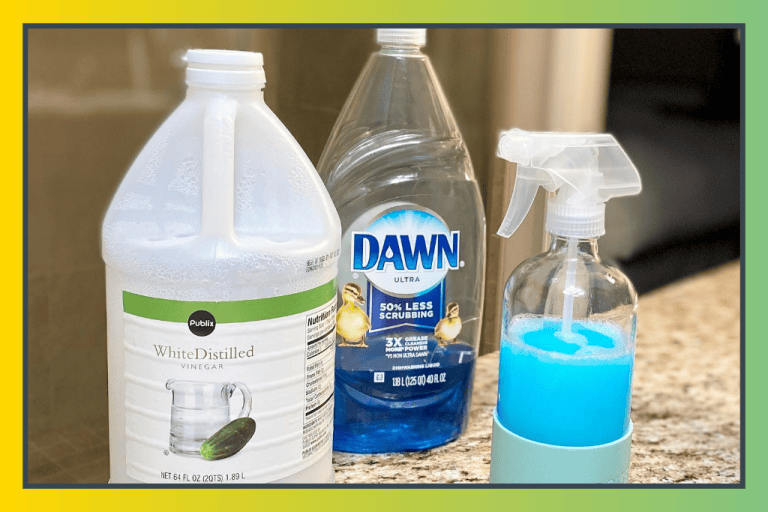
While the freezer is empty, wipe down shelves, drawers, and door compartments with a mix of warm water and mild soap, or a vinegar-water solution, to remove any spills, frost buildup, or sticky residue.
Step 4: Choose a Zone System
Assign specific zones for different categories: one shelf or bin for meats, another for vegetables, a drawer for prepared meals, and a designated spot for ice cream, popsicles, or other treats. Clear zones are the backbone of good freezer storage and dramatically cut down on digging.
Step 5: Use Stackable Bins and Flat-Pack Bags
Group similar items into stackable, freezer-safe bins, and whenever possible, freeze liquids or soups flat in freezer bags so they stack like books rather than sitting as bulky, irregular blobs. This one habit alone can double your usable freezer storage space.
Step 6: Label Everything With Contents and Dates
Add a simple label to every bag or container noting what’s inside and the date it was frozen. This single habit does more to prevent mystery freezer items than almost anything else on this list.
Step 7: Keep a Running Freezer Inventory
Tape a small notepad or whiteboard to the freezer door and jot down what goes in and out. A quick, visible inventory means you always know what’s on hand without opening the door and losing cold air while you search.
Step 8: Do a Seasonal Freezer Reset
Every few months, repeat a lighter version of this process, checking dates, rotating older items to the front, and tidying any zones that have drifted out of order.
Expert Secrets for Success

Pro-Tips for a Better Result
- Freeze items flat before stacking. Liquids and ground meats frozen flat in bags take up dramatically less space and stack far more efficiently than bulky, rounded containers one of the simplest ways to maximize freezer storage.
- Use clear bins so contents stay visible. Being able to see what’s inside a bin at a glance saves time and prevents forgotten items from lingering for months.
- Keep your freezer reasonably full. A well-stocked freezer actually runs more efficiently than a mostly empty one, since frozen items help maintain a consistent internal temperature.
- Reserve door compartments for smaller, frequently used items. Door storage experiences more temperature fluctuation, making it better suited for items like ice packs or snacks rather than delicate long-term staples.
Common Mistakes to Avoid
- Skipping labels and dates. Unlabeled bags are the number one reason freezers turn into guessing games over time.
- Overpacking shelves until airflow is blocked. A freezer needs some air circulation to maintain even cooling, so avoid cramming every inch completely solid.
- Freezing large, bulky containers instead of flat bags. Bulky shapes waste space and are far harder to stack neatly than flat-frozen alternatives.
- Forgetting to rotate older items forward. Without a simple “first in, first out” habit, older items get pushed to the back and forgotten while newer purchases pile up in front.
Why Freezer Storage Matters

It’s easy to underestimate how much a chaotic freezer quietly affects your day-to-day mood. Every time you search fruitlessly for something you know you bought, every time food goes to waste because it got lost and forgotten, every time dinner planning turns into a frustrating excavation, those small frictions add up to real mental clutter over time.
A well-organized freezer, on the other hand, becomes a quiet source of calm and confidence. Meal planning gets faster because you actually know what you have. Grocery budgets stretch further because less food goes to waste. And there’s a subtle but real ripple effect on family peace: a kitchen with smart freezer storage gives everyone a little more patience during busy weeknights, and a little less stress around the simple, repeated task of feeding a household. That’s the real payoff behind a project like this: not a picture-perfect freezer, but a calmer, steadier rhythm to everyday life.
FAQ
How often should I reorganize my freezer?
A full freezer storage reset every three to six months works well for most households, with a quick check-in monthly to toss anything expired and keep zones tidy.
What’s the best way to store meat in the freezer?
Freeze meat flat in labeled freezer bags whenever possible, pressing out excess air before sealing. This allows meat to freeze faster, thaw faster, and stack far more efficiently for tighter freezer storage than bulky packaging.
How long can food safely stay in the freezer?
Most foods stay safe indefinitely at 0°F (-18°C), but quality declines over time. As a general guideline, most meats are best used within six to twelve months, and prepared meals within two to three months.
Should I keep an inventory list for my freezer?
Yes — a simple running list taped to the freezer door helps you avoid both over-buying and forgetting about items already on hand, saving both money and freezer storage space.
Can a freezer be too full or too empty?
Both extremes cause issues. An overstuffed freezer restricts airflow and cooling efficiency, while a mostly empty one has to work harder to maintain temperature, so aim for a reasonably full but not overly crammed freezer.