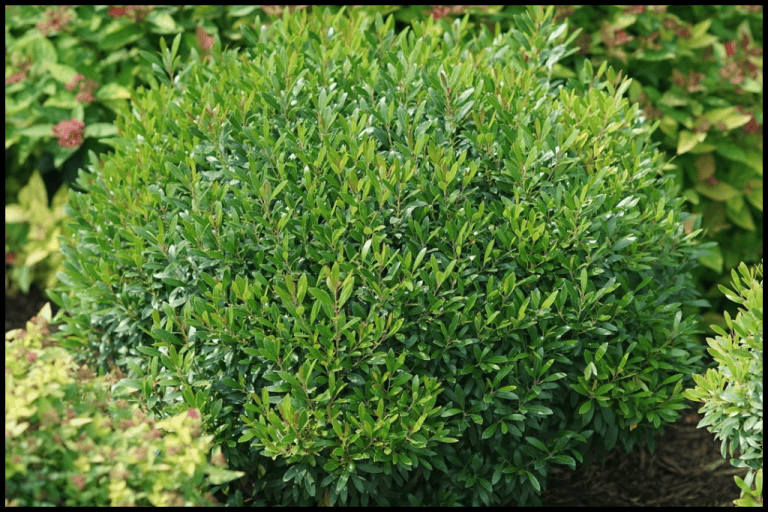
Life in 2026 moves at a breakneck pace. Between the digital noise of our augmented reality feeds and the never-ending ping of holographic notifications, the modern home often feels more like a transit hub than a sanctuary. You look around and see the “messy” reality: a stack of unopened mail, a laptop that hasn’t been closed in three days, and a living space that feels functional but entirely hollow like a fairy garden. We are more connected than ever, yet we’ve lost that tactile, grounded sense of wonder that keeps us human.

Imagine for a moment stepping away from the screen and into a quiet corner of your patio or yard. There, tucked beneath the broad, serrated canopy of grape leaves, sits a tiny guardian with a red hat and a silent, contented smile. The soft, natural light catches the moss at his feet, and for a second, the world goes quiet. This isn’t just a kitschy lawn ornament; it is a portal to a slower version of yourself. It is the visual “deep breath” your brain has been begging for amidst the chaos of a high-speed lifestyle.
Creating a fairy garden is the perfect solution to digital fatigue in the mid-2020s. It offers a small, controlled world where you create a sense of peace. Instead of managing a complicated home system, you simply choose where a pebble path should go or how a small gnome should appear from the plants. This change from “manager of everything” to “curator of whimsy” gives a meaningful shift that turns a simple gardening task into an essential part of your mental well-being, and this is what my husband likes.
The Fairy Garden System

Building a miniature escape requires more than just plopping a figurine in the dirt. To create a sustainable, aesthetic environment that mirrors the high-end photography of Kaboompics, follow this structured three-step system.
Step 1: Prepare
The foundation of a successful fairy garden lies in the “vibe check” of your environment. Start by selecting a container or a dedicated ground spot that offers filtered, soft light. In 2026, many urban dwellers use self-watering smart pots to maintain the delicate moisture levels needed for miniature plants.
Gather your materials with a focus on scale and texture. You will need high-quality potting soil, drainage pebbles, and a variety of small-scale plants like Irish Moss, Elfin Thyme, or miniature succulents. Before any planting begins, sketch a rough layout. Think about the focal point, will it be a gnome nestled in grape leaves or a tiny stone cottage? This preparation ensures the final result looks intentional rather than cluttered.
Step 2: Implement
Execution is where your storytelling comes to life. Begin by layering your drainage stones at the bottom, followed by the soil. Plant your “trees” first; these are your taller plants that provide structure and shade. Just like the grape leaves in our inspiration image, these plants create a natural frame and depth of field.
Once the greenery is set, add your hardscaping. Create paths using fine gravel or sea glass. Finally, place your “inhabitants.” Positioning is key; rather than placing a gnome front and center, tuck him slightly behind a leaf. This creates a sense of discovery and “contented mystery” that draws the eye in and rewards the viewer for looking closer.
Step 3: Maintain
A fairy garden is a living ecosystem, not a static decor piece. Maintenance in the modern era is about gentle observation. Prune your miniature plants weekly to prevent them from “overgrowing” the scale of the furniture and figurines. This act of micro-pruning is a meditative practice in itself.
Monitor moisture levels closely, as small containers dry out faster than traditional gardens. Every few months, swap out a small detail, perhaps a tiny pumpkin in the autumn or a silver bell in the winter. This keeps the space feeling fresh and ensures the garden remains a dynamic part of your home’s energy.
The Secrets to Fairy Garden Success
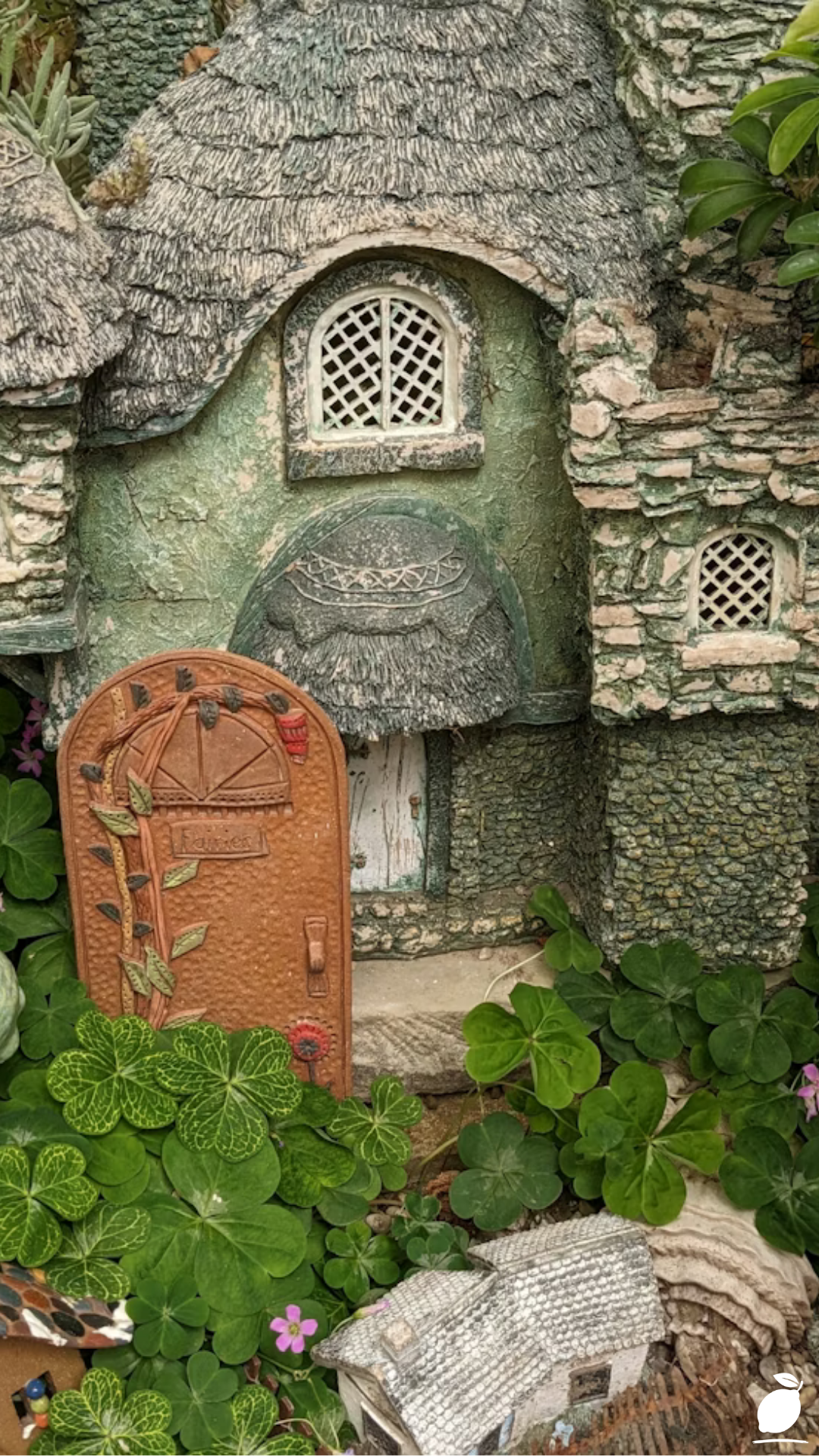
To move from a hobbyist to an expert creator, you need to understand the nuances of scale and sustainability. Here are the professional insights to ensure your miniature world thrives.
3 Expert Pro-Tips
- Use Natural Framing: Don’t let your gnome stand in an empty field. Use “overhang” plants like ivy or grape leaves to create a sense of enclosure and realism.
- Vary Your Textures: Mix the soft, velvet feel of moss with the sharp, jagged edges of slate or the smoothness of river stones to create visual interest.
- Invest in Weatherproof Materials: Ensure your figurines are made of high-quality resin or ceramic with UV-resistant paint to prevent fading under the sun.
3 Common Mistakes to Avoid
- Ignoring Scale: Using a massive plastic flower next to a tiny gnome breaks the illusion. Keep all elements proportionally consistent.
- Overcrowding: Just like a messy room, an overstuffed fairy garden creates anxiety. Leave “white space” or open mossy areas for the eye to rest.
- Poor Drainage: Without proper holes and a pebble base, your fairy garden will become a stagnant swamp, leading to root rot and a sad, wilted aesthetic.
Why Fairy Garden Design Matters

In a world that demands we think big, there is profound healing in thinking small. The act of organizing a fairy garden is a form of “micro-restoration.” When we feel overwhelmed by the “messy” variables of life—finances, relationships, or career pivots we often feel a loss of agency.
Taking control of a one-square-foot environment allows our brains to complete a “task loop.” Seeing a contented gnome in a perfectly framed setting provides an immediate hit of dopamine and a sense of order. It reminds us that even when the forest is vast and dark, we have the power to cultivate a small, bright clearing. This connection between external order and internal peace is why the fairy garden has become a staple of the modern wellness-focused home.
FAQ
Which plants are best for a low-maintenance fairy garden?
If you want a “set it and forget it” vibe, choose slow-growing succulents like Hens and Chicks or Haworthia. For a lush, forest look that requires minimal effort, Irish Moss and Baby Tears are excellent choices as they spread naturally to cover the soil.
Can I create a fairy garden indoors?
Absolutely. Indoor fairy gardens thrive in 2026 thanks to full-spectrum LED grow lights that can be hidden inside decorative shelving. Just ensure your indoor container has a tray to catch excess water and that you choose plants that tolerate lower humidity.
How do I clean my fairy garden figurines?
Over time, dust and algae can dull the rosy cheeks of your gnomes. Use a soft-bristled toothbrush and a mixture of water and mild dish soap to gently scrub the figurines. Avoid harsh chemicals, as these can leach into the soil and harm your miniature plants.