For the first two years in our house, our front yard was basically a patch of grass and a sad little foundation bed full of weeds. I’d buy random plants on impulse from the garden center, whatever looked pretty that week, and stick them in without any real plan. Half of them didn’t survive the winter, and the ones that did never quite filled in the way I imagined. The whole front of the house just looked unfinished, no matter how often I mowed or edged the lawn.
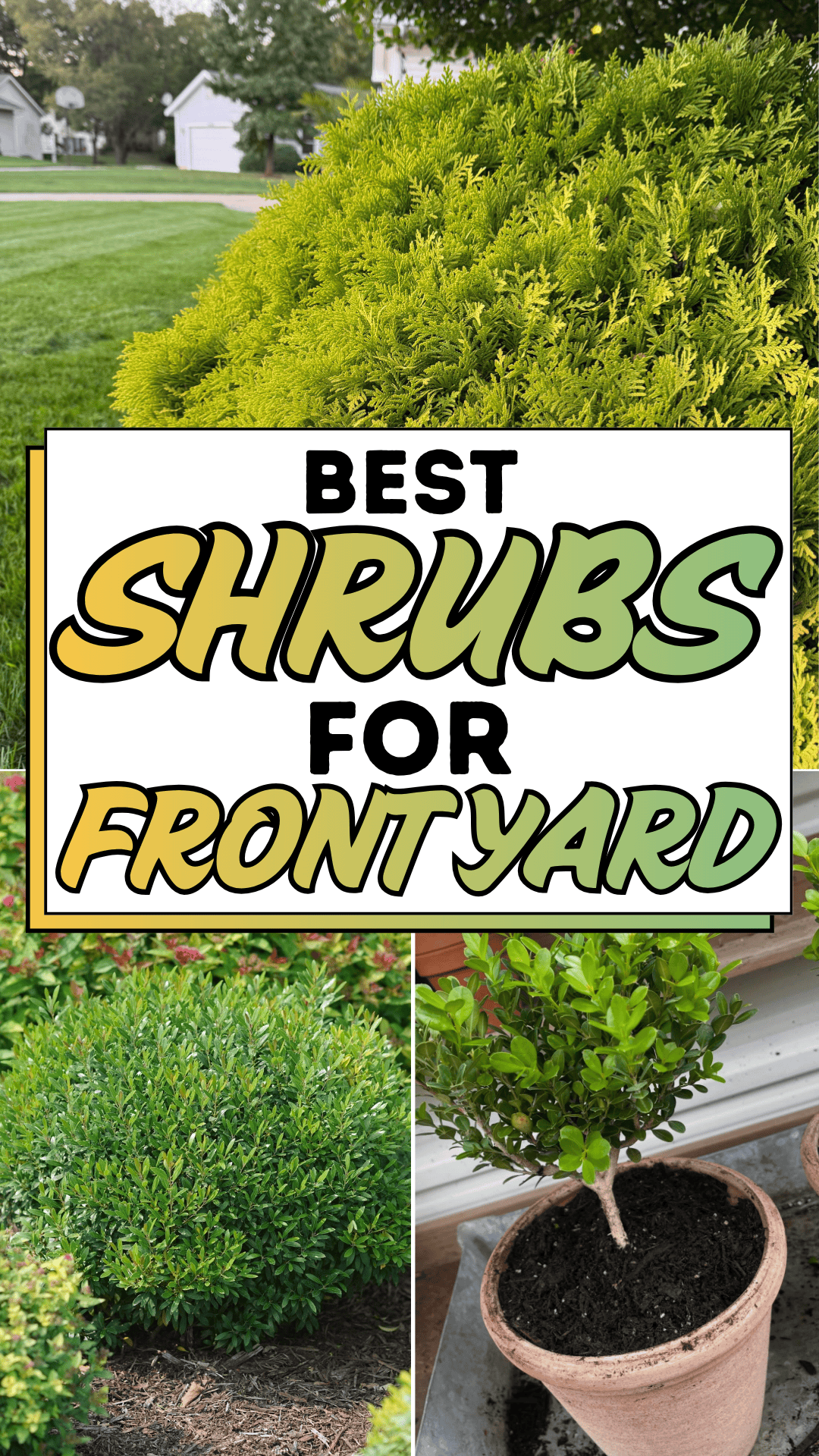
If you’ve ever stared at your own front yard wondering why it never looks as full and put-together as your neighbor’s, you’re probably missing one key ingredient: the right shrubs, planted with an actual plan instead of impulse. Grass and a few scattered flowers can only do so much. It’s shrubs layered, structural, and reliably attractive through multiple seasons that give a front yard its real shape and presence.
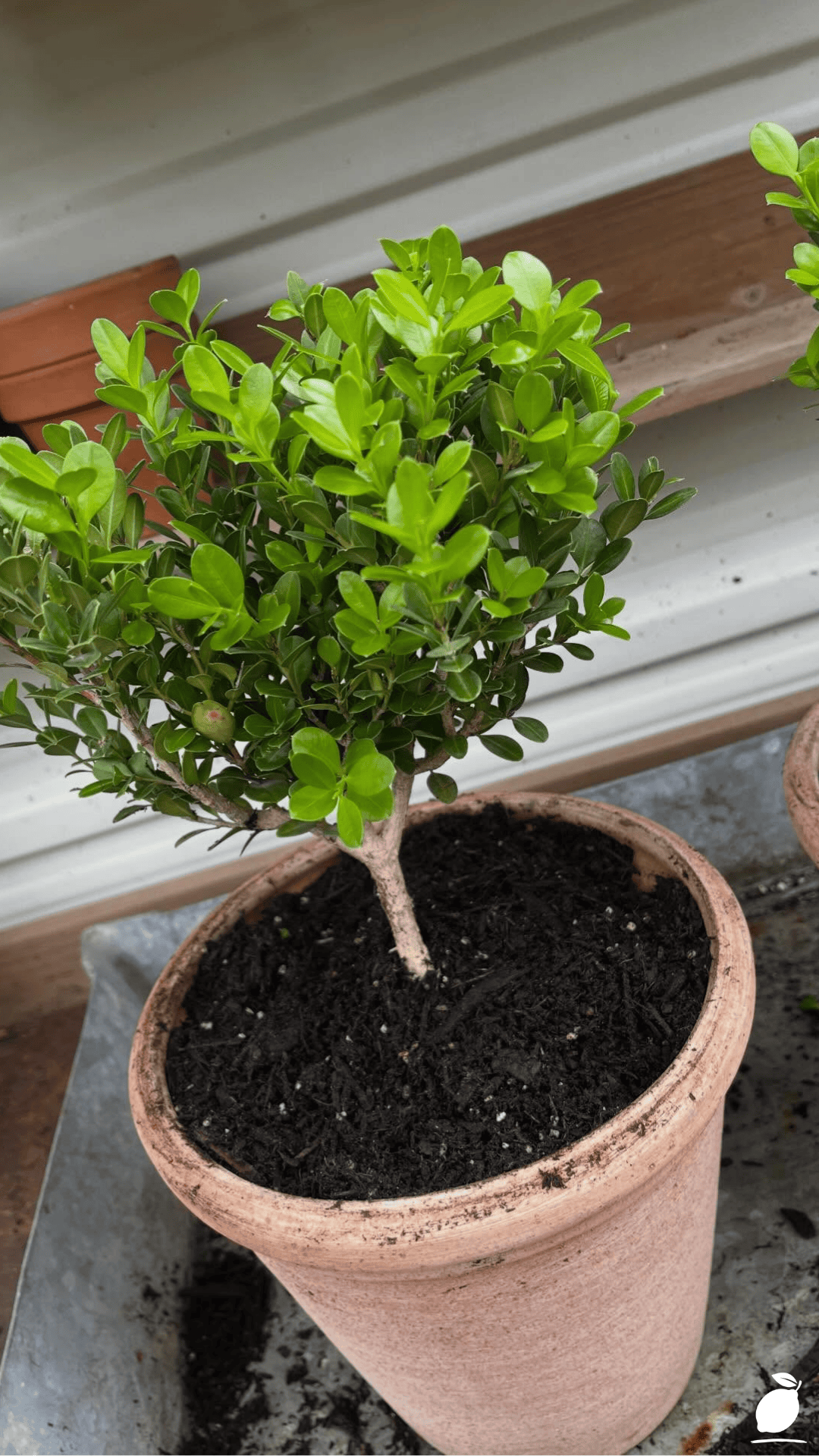
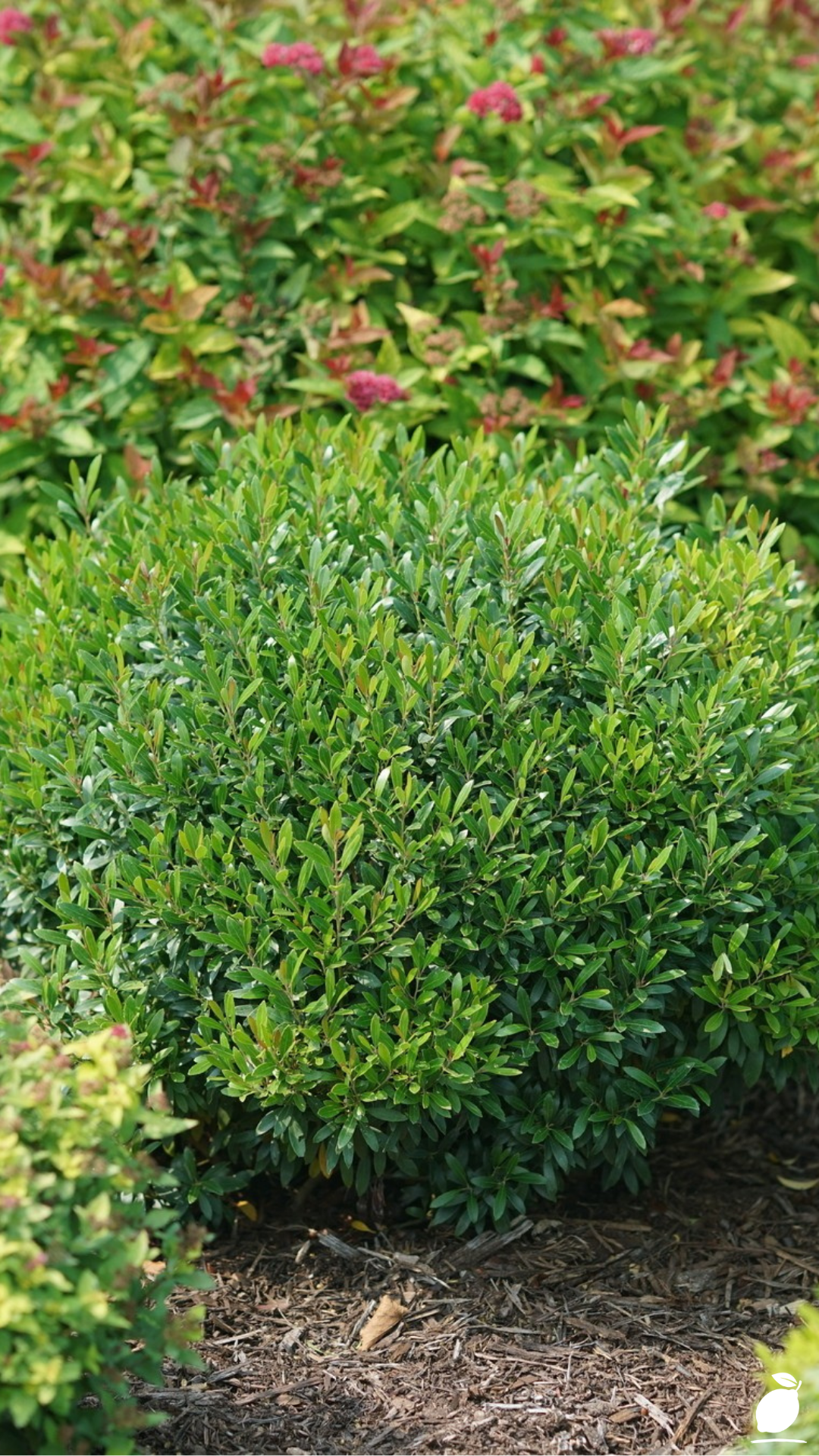
That’s exactly the kind of scene I found in a photo that reset my whole approach: a dense, well-manicured green bush in the foreground, a striking bush behind it in vivid red and yellow, and another softer green variety layered further back, all grounded by a clean bed of dark mulch. Nothing about it looked complicated. It looked like a handful of good shrub choices, planted with intention. That image became my planning guide, and here’s the exact process I used to bring that same layered, established look to my own front yard.
The Shrub Blueprint
Step 1: Assess Your Sun and Soil Conditions
Before choosing any shrub, spend a few days observing how much direct sunlight your front yard beds actually get. Full sun, partial shade, and full shade shrubs have very different needs, and matching the plant to your real conditions is the single biggest factor in long-term success.
Step 2: Choose Shrubs for Layered Height and Texture
Select at least two or three shrub varieties with different mature heights and leaf textures: a low, dense evergreen in front, a mid-height flowering or colorful shrub in the middle, and a taller variety toward the back or corners. This layering is what creates the lush, established look most front yards are missing.
Step 3: Plan for Mature Size, Not Just Current Size
Check the mature width and height of every shrub before planting, and space accordingly, even if the young plants look small and far apart at first. Overcrowding is one of the most common front yard mistakes, and it leads to unhealthy, misshapen shrubs within just a few years.
Step 4: Prepare the Planting Bed Properly
Clear grass, weeds, and debris from the bed area, then loosen the soil and mix in compost or organic matter to improve drainage and nutrient content. A well-prepared bed gives new shrubs a much stronger start than simply digging individual holes in unamended soil.
Step 5: Plant at the Correct Depth
Dig each hole only as deep as the root ball, but two to three times as wide, to encourage outward root growth. Planting too deep is a common cause of shrub stress and slow establishment.
Step 6: Mulch to Retain Moisture and Suppress Weeds
Apply a 2-3 inch layer of mulch around each shrub, keeping it a few inches away from the base of the stem to prevent rot. Mulch also gives the bed that clean, finished look seen in well-designed front yards.
Step 7: Water Deeply During Establishment
New shrubs need consistent, deep watering for their first full growing season while roots establish. Once established, most shrubs need far less frequent watering, but that first year of care is critical.
Step 8: Prune and Shape Seasonally
Prune shrubs according to their specific species’ needs; some benefit from early spring shaping, while flowering varieties often need pruning right after their bloom period ends. Regular, light shaping keeps shrubs dense and full rather than leggy or overgrown.
Expert Secrets for Success
Pro-Tips for a Better Result
- Choose at least one evergreen shrub for structure that holds visual interest through winter, when deciduous shrubs lose their leaves and color.
- Repeat one or two shrub varieties across the front yard rather than using a completely different plant in every spot; repetition creates a more cohesive, professionally designed look.
- Group shrubs with similar water needs together so you’re not overwatering drought-tolerant varieties or underwatering thirstier ones.
- Choose disease-resistant cultivars specific to your climate zone, since regional pest and disease pressure varies significantly across the country.
Common Mistakes to Avoid
- Don’t plant shrubs directly against the house foundation without accounting for mature width; overgrown shrubs pressed against siding can trap moisture and cause damage.
- Avoid choosing shrubs based on appearance alone without checking their sunlight and soil requirements against your actual yard conditions.
- Don’t skip mulching in the first year; unmulched beds dry out faster and require significantly more frequent watering to keep new shrubs healthy.
- Resist over-pruning in the first year after planting; young shrubs need time to establish a strong root system before heavy pruning encourages new top growth.
Why Shrub Matters
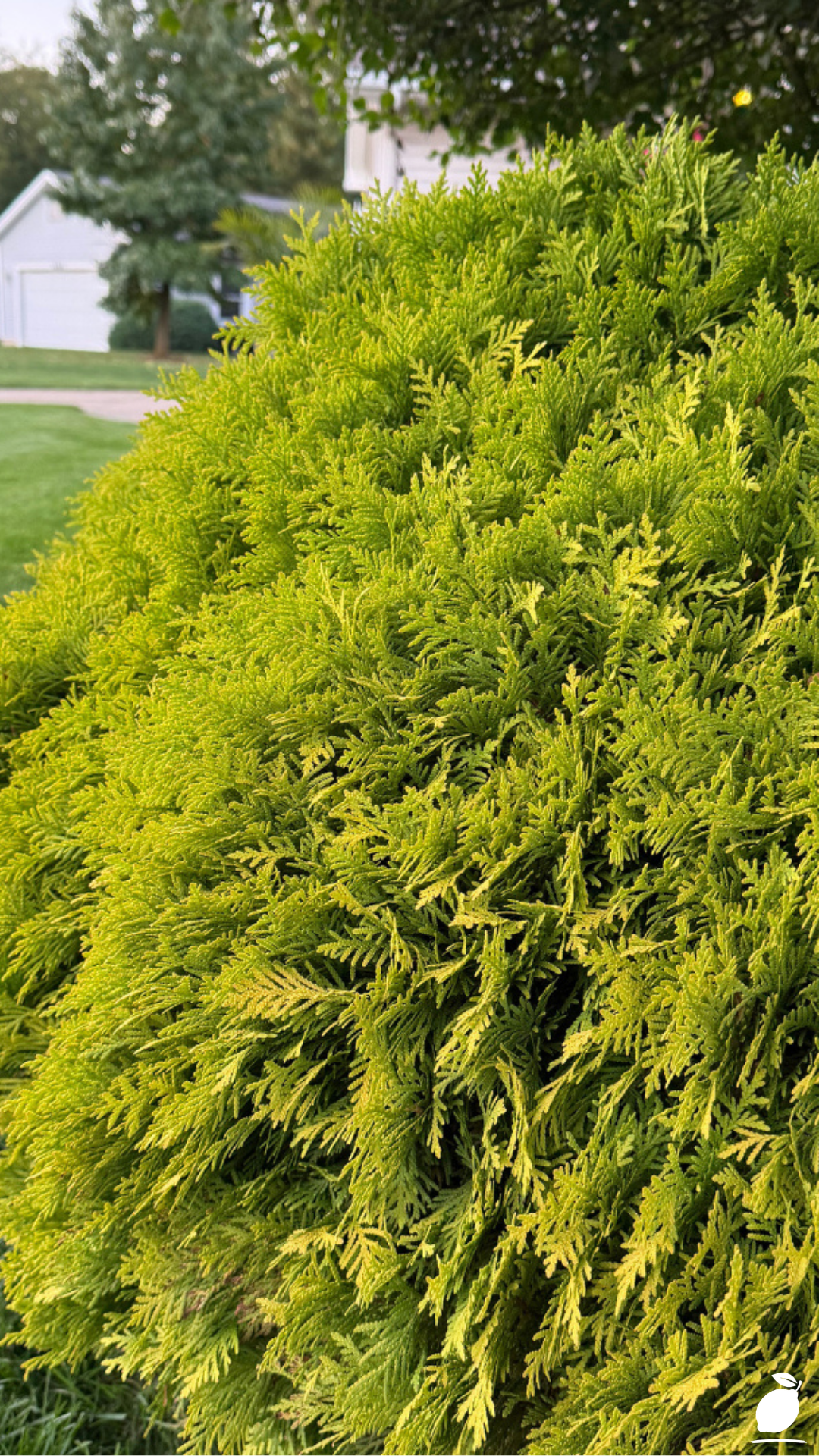
A front yard is often the very first impression your home makes before anyone knocks on the door or steps inside; they see the plants, the structure, the overall sense of care (or lack of it) in the landscaping. A well-chosen shrub planting does more than boost curb appeal; it signals that this is a home someone genuinely takes care of, which shapes how you feel every single time you pull into the driveway.
There’s a quiet kind of pride that comes from a front yard project you planned and executed yourself, watching shrubs fill in and mature season after season. It’s not just about impressing neighbors; it’s about coming home to a space that feels intentional, established, and calm. For families, a front yard that finally looks finished adds one more small layer of peace to everyday life, right from the moment you walk up to the door.
FAQ
How many shrubs do I need for a small front yard bed?
Most small foundation beds look balanced with three to five shrubs of varying heights, though exact numbers depend on your bed’s total length and each shrub’s expected mature width.
How long does it take for shrubs to fill in and look established?
Most shrubs take two to four years to reach a full, established appearance, though faster-growing varieties can show significant fullness within the first one to two growing seasons.
What are the best low-maintenance shrubs for a front yard?
Boxwood, dwarf yaupon holly, and compact spirea varieties are popular low-maintenance choices, since they require minimal pruning and adapt well to a range of soil and light conditions.
Should I choose evergreen or flowering shrubs for my front yard?
A mix of both is ideal; evergreens provide year-round structure and privacy, while flowering shrubs add seasonal color and visual interest that changes throughout the year.
How often should established shrubs be watered?
Most established shrubs need deep watering only once every one to two weeks during dry periods, though exact frequency depends on species, soil type, and local climate conditions.