We have all been there: the kitchen counter is buried under a mountain of mail, the kids’ shoes are scattered like confetti across the entryway, and that persistent layer of dust on the bookshelf seems to mock our best intentions. In the whirlwind of modernity, our homes can quickly transform from sanctuaries into sources of “visual noise.” It is a relatable, messy struggle that leaves us feeling slightly out of sync with our own environment and flower arrangements, searching for a reset button that doesn’t involve a full weekend of deep cleaning.
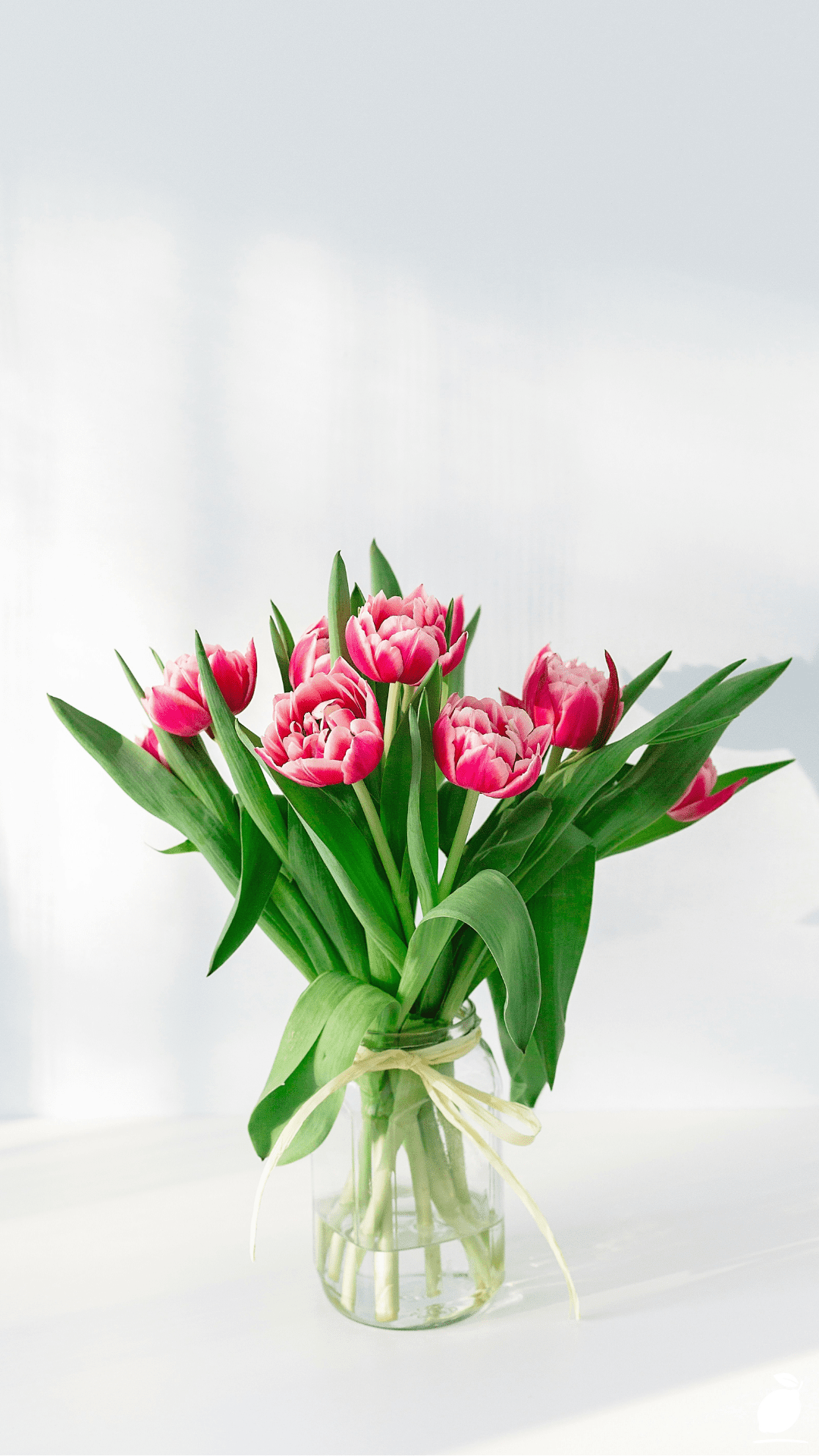
Then, you see it as a single, intentional focal point that changes the entire energy of the room. It is the image we are featuring today: a minimalist arrangement of pink and white bi-colored tulips, their ruffled petals glowing in the soft morning light. The clear glass vase, the simple beige ribbon, and the crisp white background create a “Kaboompics” moment of pure, unadulterated calm. This isn’t just a bouquet; it is a visual exhale. It is the proof that beauty doesn’t require complexity; it simply requires a moment of focus.
Learning the art of Simple DIY Flower Arrangements is your secret weapon against the chaos of everyday life. You don’t need to be a professional florist or spend a fortune at a boutique shop to achieve this level of sophistication. By bringing a touch of nature indoors with a structured, minimalist approach, you can create a pocket of peace that anchors your space. Let’s walk through the system to turn a handful of grocery-store stems into a high-end design statement.
The Flower Arrangements System
Creating a professional-looking display is less about artistic “genius” and more about following a repeatable, logical process. Use this three-step system to master your home florals.
Step 1: Prepare
The secret to long-lasting Flower Arrangements begins before a single stem touches the water. Start by selecting a vessel that complements the height and weight of your flowers; for our featured tulips, a clear cylindrical glass vase provides that modern, transparent look. Ensure your vase is “surgically” clean to prevent bacterial growth. Use sharp, clean floral shears to cut your stems at a 45-degree angle under lukewarm water. This increases the surface area for hydration. Finally, strip any foliage that would sit below the water line, as submerged leaves rot quickly and spoil the water.
Step 2: Implement
To achieve that loose, natural bunch of 8-10 stems seen in our minimalist photo, start by creating a “nest” or framework with your tulip leaves. Instead of just dropping the flowers in, place them one by one, crossing the stems in a spiral pattern within the vase. This technique, known as “spiraling,” allows the flowers to support each other and creates that effortless, airy volume. For bi-colored tulips, turn the most vibrant faces toward the light source. Finish the look by tying a light beige ribbon in a simple bow around the neck of the vase to add a touch of soft texture that bridges the gap between the glass and the blooms.
Step 3: Maintain
Longevity is the hallmark of a great strategist. To keep your Flower Arrangements looking fresh for up to a week, you must manage the environment. Tulips are unique because they continue to grow in the vase and are phototropic, meaning they will bend toward the light. Rotate your vase daily to keep the arrangement balanced. Change the water completely every two days, recutting the stems by half an inch each time. Keep the arrangement away from direct heat sources and ripening fruit, which releases ethylene gas that causes flowers and arrangements to wilt prematurely.
The Secrets to Flower Arrangements
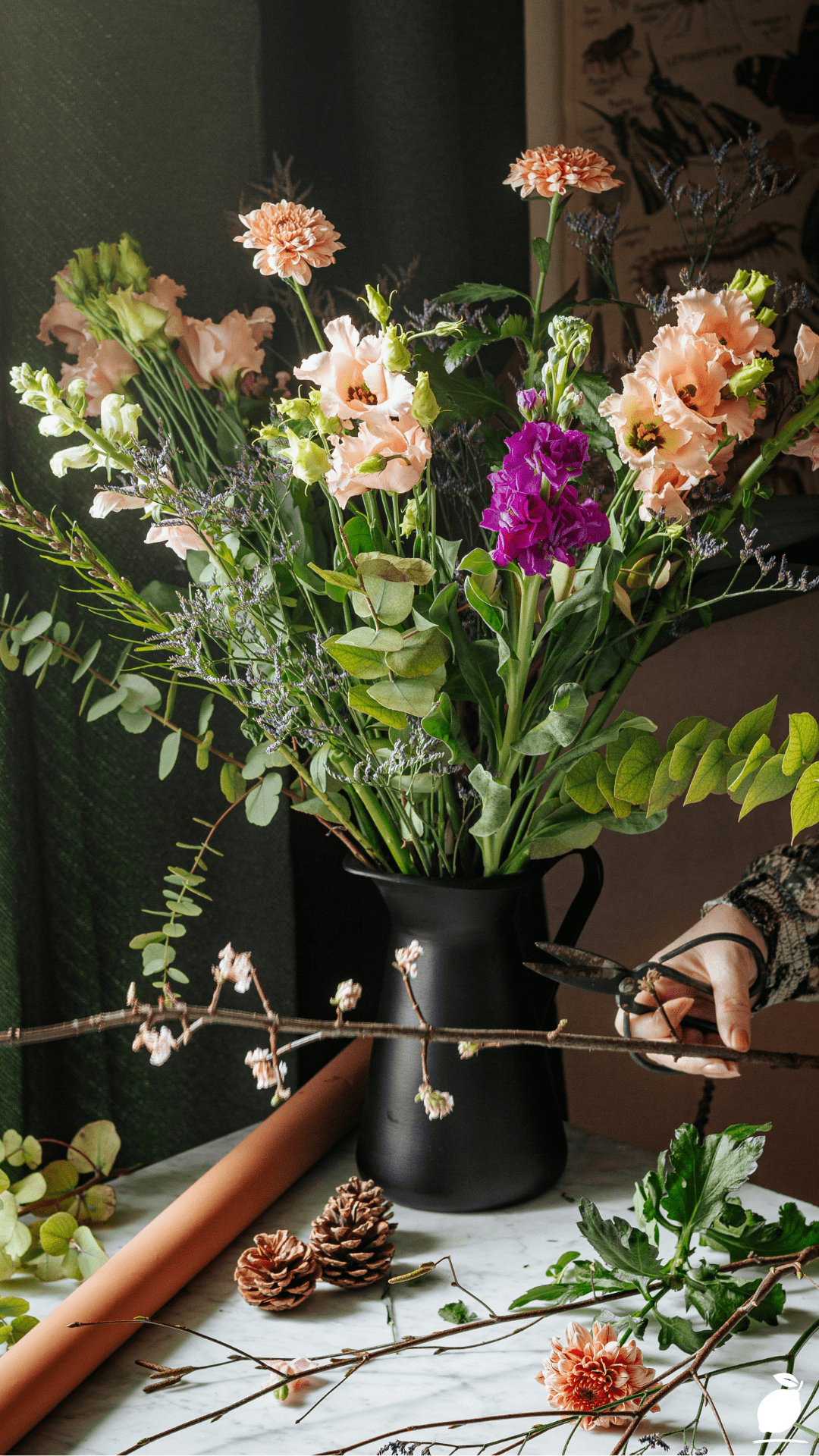
To move from “grocery store bouquet” to “lifestyle magazine centerpiece,” keep these expert nuances in your toolkit.
3 Expert Pro-Tips
- The Penny Trick: For tulips specifically, dropping a copper penny into the bottom of the vase can help keep the stems upright and prevent them from drooping too quickly.
- Odd Numbers Rule: When creating Simple DIY Flower Arrangements, always use an odd number of stems (like the 9 stems in our photo). It creates a more natural, pleasing asymmetry that the human eye finds more relaxing.
- Use Grid Tape: If you are using a wide-mouthed vase, create a grid across the opening using clear florist tape. This allows you to place stems exactly where you want them without them falling to the sides.
3 Common Mistakes to Avoid
- Overfilling the Vase: Tulips only need a few inches of water. Filling the vase to the top can lead to soggy, weakened stems.
- Forgetting the Flower Food: That little packet that comes with the flowers contains sugar for energy and acidifiers to balance the pH. Don’t throw it away; use it!
- Crowding the Blooms: Give your flowers room to breathe. If the petals are crushed together, the arrangement loses that light, minimalist aesthetic and looks cluttered.
Why Flower Arrangements Matter
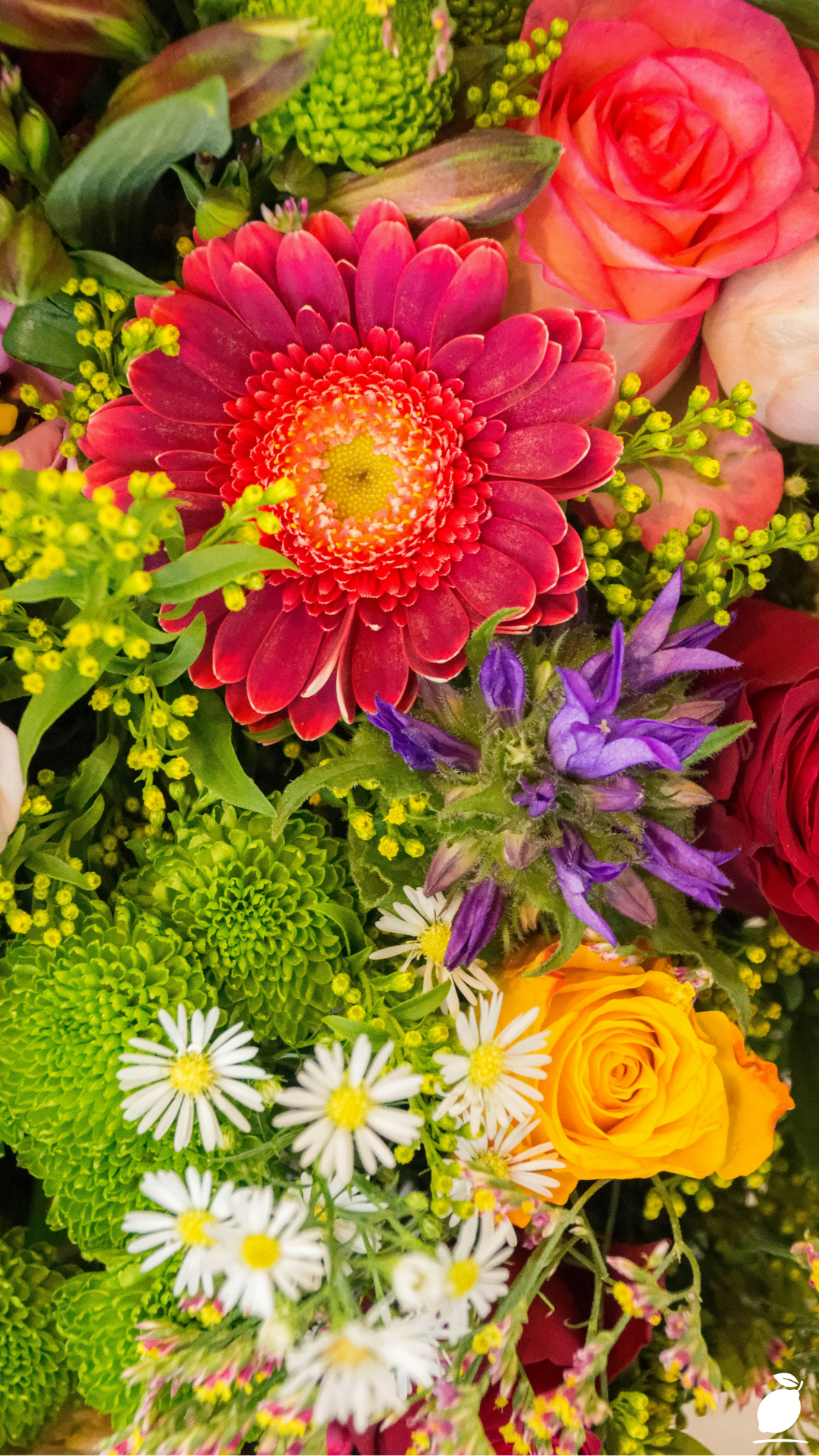
At Easy Peasy Life Matter, we believe that your external environment is a direct reflection of your internal state. Incorporating Flower Arrangements into your weekly routine is a powerful mental health practice. The act of “staging” a beautiful scene, arranging the ribbon, clearing the surface, and positioning the stems, requires a level of mindfulness that pulls you out of the “messy” thoughts of the future or the past and into the present moment.
There is a biological reason why looking at these pink and white tulips feels like a relief. Flowers trigger the release of dopamine and serotonin, the “feel-good” chemicals in our brains. By replacing a cluttered, shoe-filled corner with a clean, modern floral display, you are signaling to your nervous system that you are in a safe, controlled, and beautiful space. It is a small act of self-care that pays dividends in your productivity and overall sense of well-being.
FAQ
How do I stop my tulips from drooping in the vase?
Tulips are heavy-headed and will naturally “dance” as they grow. To keep them straighter, make sure they have a tall enough vase for support, use cold water, and ensure they aren’t placed in a spot that is too warm.
Can I mix different types of flowers in one arrangement?
While our minimalist look focuses on a single variety, you can certainly mix flowers. The key to keeping it “Easy Peasy” is to stick to a limited color palette like whites, creams, and soft pinks to maintain that clean, modern aesthetic without it feeling overwhelming.
What is the best way to clean a glass vase?
To keep the water crystal clear as seen in our image, wash your vase with a mixture of warm water, a drop of bleach, and a tablespoon of vinegar. This kills all bacteria and removes any mineral deposits, ensuring your Flower Arrangements stay healthy and the glass stays sparkling.