We’re all familiar with the chaos of our households when we stand in a corner of the living room and look around. Whether the kids have left toys everywhere, there are too many other things on your to-do list, coconut trees, or you can hear the noise of the house as you try to keep it clean, you will have a lot of mental clutter.
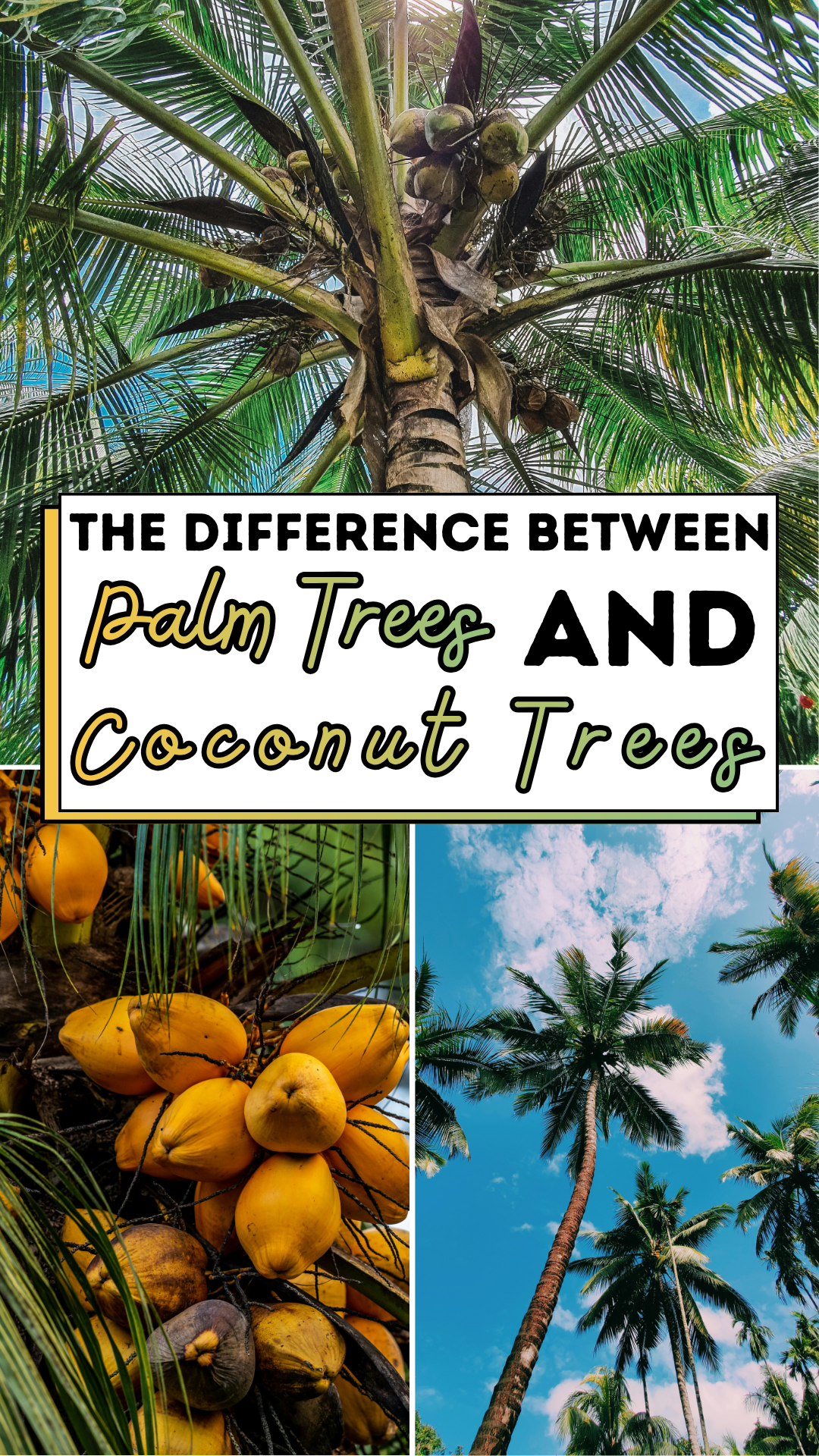
In the same way, there are times when we would give anything to take ourselves away from the chaos that surrounds us at home and simply wish to visit that mental picture or “picture perfect” place we’ve all created in our mind with images of beautiful blue skies, palm trees blowing in the breeze, and the refreshing smell of salt from the ocean air. We’re all longing for that perfect tropical stillness; however, trying to create that in our own environment can feel like a dream that is far off.
This past summer, I experienced the same feelings of frustration. I was suddenly faced with too many choices of “lifestyle” products to choose from to try to create an outdoor escape in my own backyard, somewhere to breathe, have peace, and share this special time with my family. Once I got to the garden centre after spending weeks thinking about this transformation, I realized that I didn’t know what I was trying to find; I was simply pointing and calling everything a tree to the workers there. The plant experts used language with genus and species that was far beyond my understanding, and when I couldn’t find anything that I liked or could even identify as being like.
The Coconut Trees Guide
Navigating the world of tropical greenery doesn’t have to be a chore. Here is the definitive breakdown to help you identify and appreciate the specific characteristics of these iconic plants.
The True Coconut Tree (Cocos nucifera)
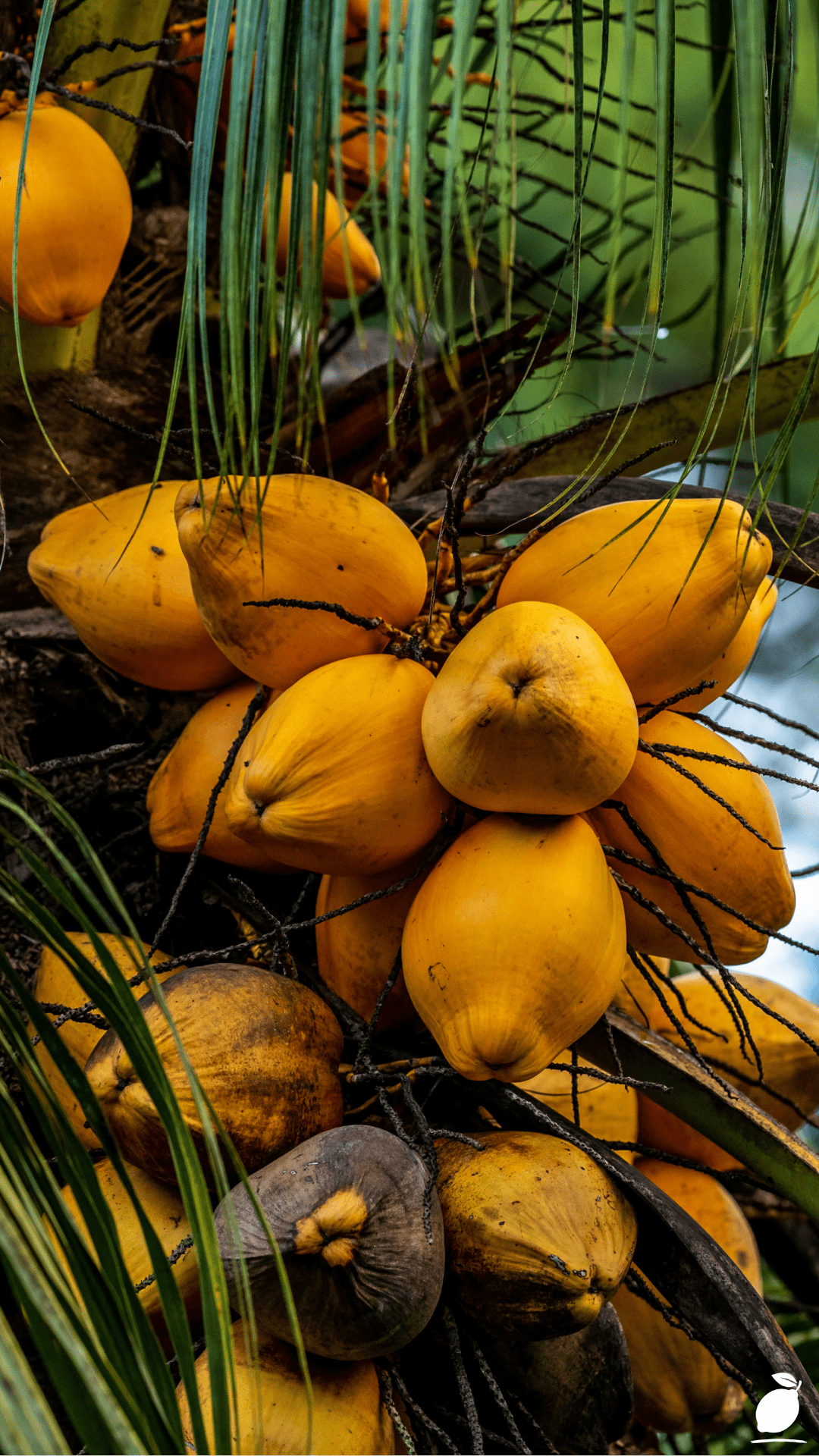
The coconut tree is actually a specific species within the broader palm family. It is easily identified by its leaning trunk and the presence of large, fibrous coconuts.
Why it works: It is the ultimate symbol of utility and relaxation. From the water and milk to the shade provided by its wide fronds, it offers a multi-sensory experience that defines the tropical lifestyle.
The Royal Palm (Roystonea regia)
Often confused with the coconut tree due to its massive height, the Royal Palm features a smooth, concrete-like gray trunk and a bright green crownshaft at the top.
Why it works: If you are looking for architectural symmetry and “curb appeal,” this is the choice. It grows straight and tall, providing a regal, clean look that complements modern home designs without the “mess” of falling fruit.
The Date Palm (Phoenix dactylifera)
These trees are sturdier and more rugged in appearance than the slender coconut tree. They have a diamond-patterned trunk created by old leaf bases and produce clusters of sweet dates.
Why it works: For families in more arid climates, the date palm provides that lush look while being incredibly resilient. It offers a “harvestable” hobby that involves the whole family in the kitchen.
The Fan Palm (Washingtonia robusta)
Unlike the feather-like fronds of the coconut tree, these palms have leaves that spread out like a hand or a fan. They are often seen lining streets in coastal cities.
Why it works: These are perfect for creating privacy screens. Their dense fronds block out the noise of the neighborhood, helping you maintain that hard-won family peace.
Expert Secrets for Success
Pro-Tips for Better Results
- Soil Drainage is Key: Whether you are planting a coconut tree or a decorative palm, the fastest way to fail is “wet feet.” Ensure your soil is sandy and allows water to move through quickly to mimic a coastal environment.
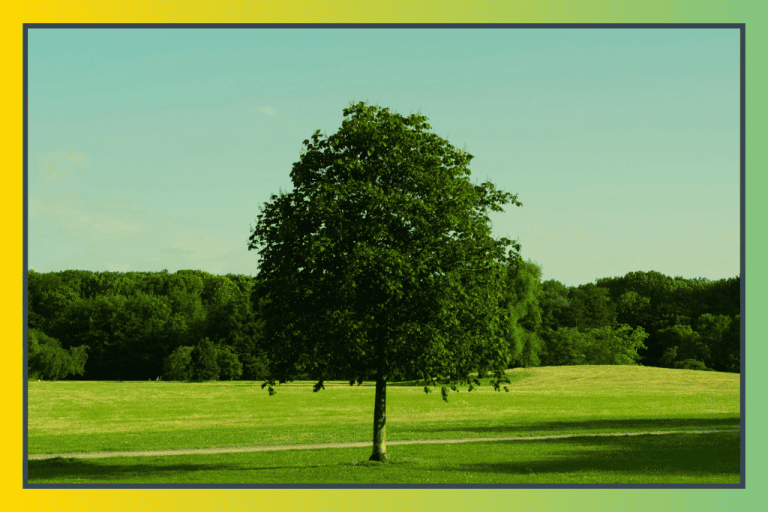
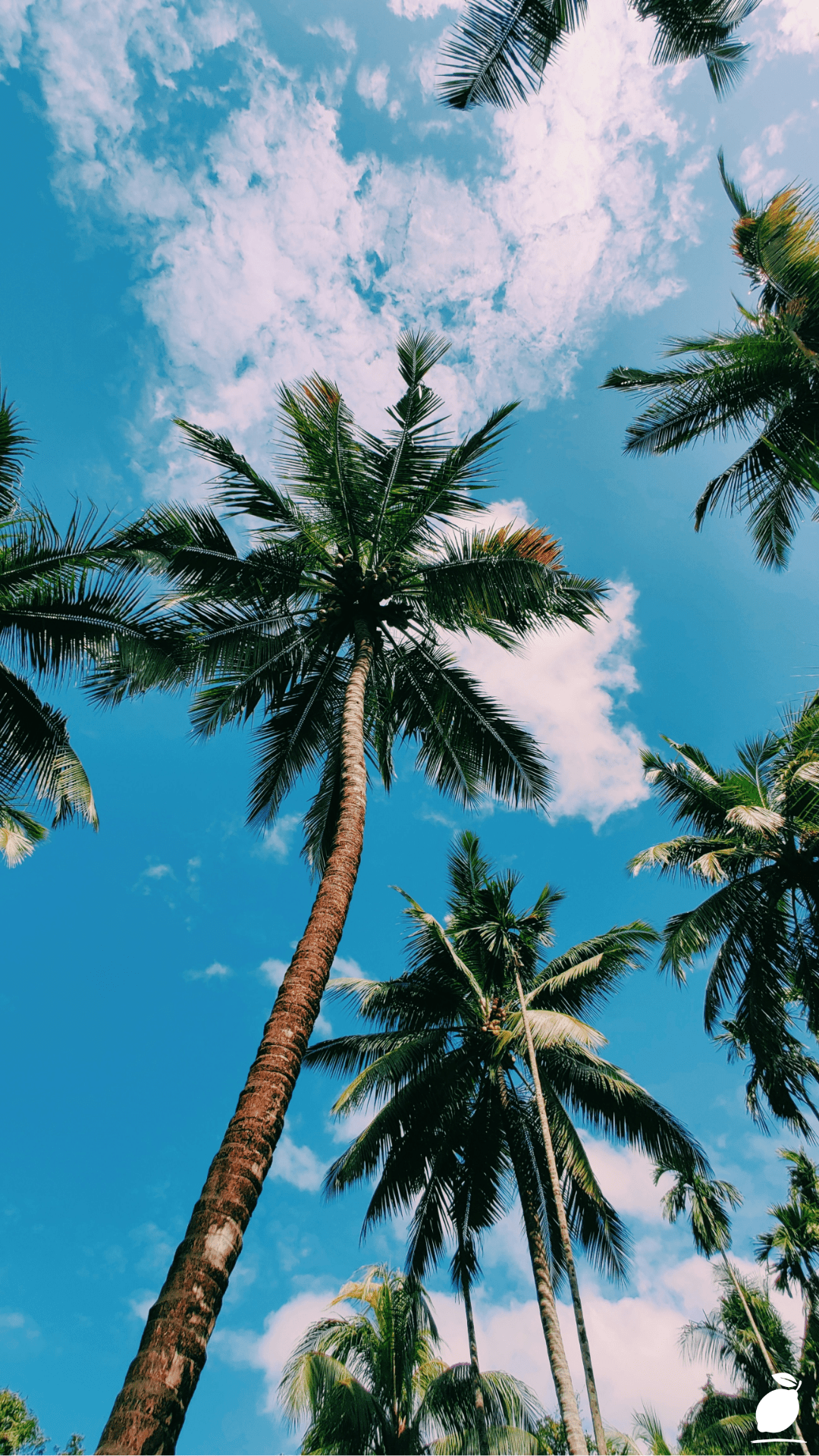
- Midday Sun Exposure: As seen in our inspiration image, coconut trees thrive in bright, midday sun. Ensure your planting site gets at least 6 to 8 hours of unobstructed light to maintain that deep green frond color.
- Targeted Nutrition: Use a specialized “Palm Special” fertilizer that includes magnesium and manganese. These specific minerals prevent the yellowing of the fronds, keeping your backyard oasis looking vibrant and healthy.
Common Mistakes to Avoid
- Over-Pruning: Many homeowners make the mistake of “hurricane cutting” their trees by removing too many green fronds. This stresses the tree; only remove fronds that are completely brown and hanging down.
- Mistaking Species for Climate: Not all palms are coconut trees. Planting a true coconut tree in a region that dips below 40°F will lead to a struggle. Always match the tree species to your specific hardiness zone.
- Ignoring the Fall Zone: A mature coconut tree drops heavy fruit. Avoid planting these directly over walkways or parked cars to keep your sanctuary safe and stress-free.
Why coconut trees matter
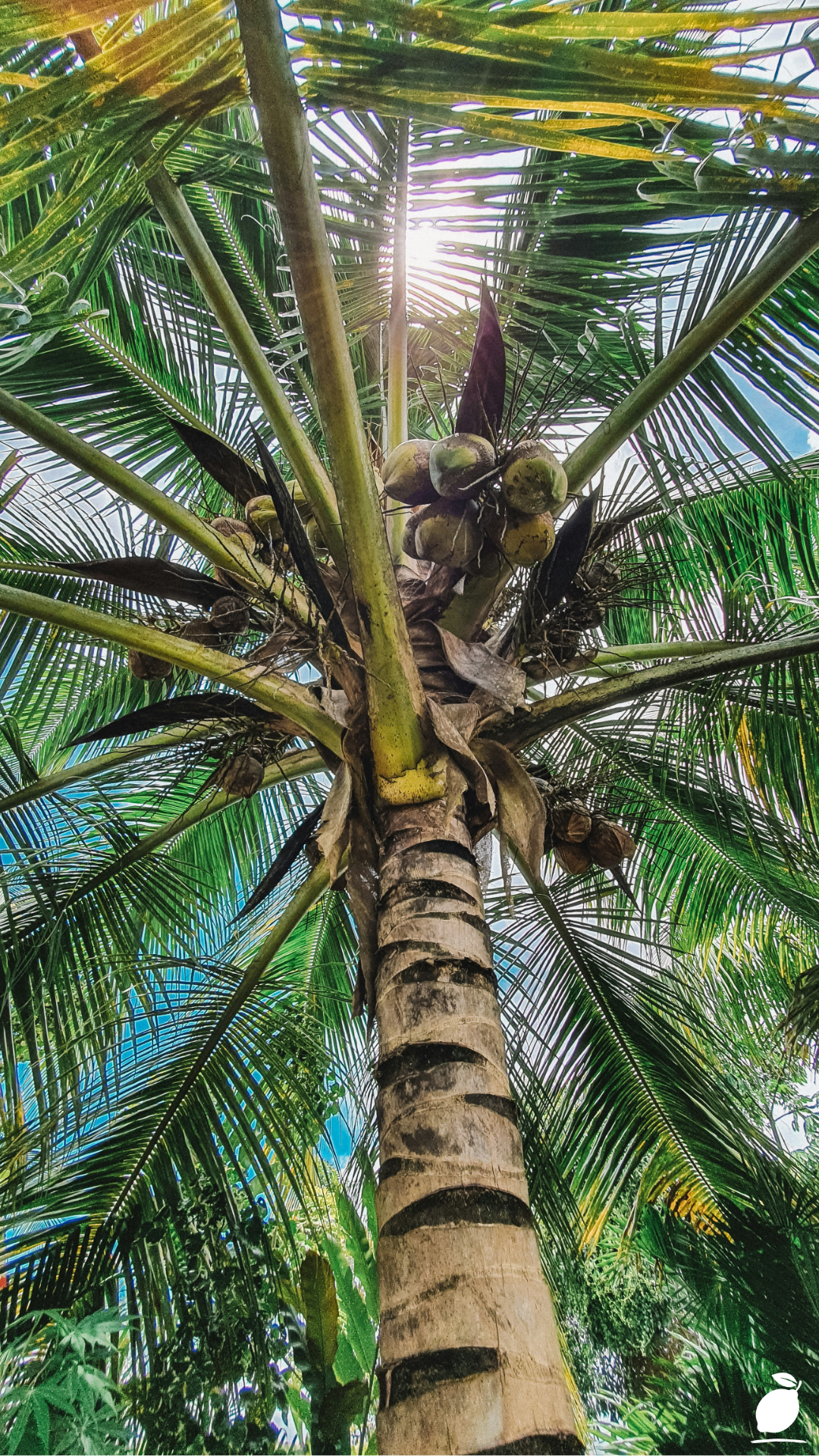
In the world of Easy Peasy Life Matters, we believe that gardening is not just about the plants it is about the person tending them. Cultivating coconut trees or even just learning about them provides a mental bridge to a calmer state of mind. There is a profound sense of clarity that comes from looking upward toward a turquoise sky, framed by the majestic crown of a palm. It reminds us that height and strength can coexist with grace.
When you successfully bring these elements into your life, you are creating a “family anchor.” The tropical atmosphere encourages us to put down the phones, step outside, and enjoy the simplicity of the breeze. Achieving success in your DIY landscaping projects boosts confidence and provides a visual reward that says, “I have created peace here.” It is the ultimate antidote to the messy struggle of daily life.
FAQ: Understanding Palm And Coconut Trees
Are all coconut trees palm trees?
Yes, every coconut tree is a member of the Arecaceae (palm) family. However, not all palm trees are coconut trees. Think of “palm” as the large family and “coconut” as one specific, famous sibling.
How can I tell if my tree is a coconut trees?
Look at the trunk and the fruit. Coconut trees typically have a more flexible, often leaning trunk and will produce the recognizable large green or brown husked coconuts. Most other palms produce much smaller, berry-like seeds.
Do coconut trees grow in the shade?
While they can survive in partial shade, they will not thrive. To get the majestic height and lush canopy seen in tropical photos, they need full, direct sunlight to fuel their growth.
How often should I water my tropical trees?
Newly planted trees need frequent watering (2-3 times a week) to establish roots. Once established, they are quite drought-tolerant, but they appreciate a deep soak during particularly dry spells to keep their fronds from browning.