The hustle and bustle of life today is like an endless array of tangled to-do lists and overflowing laundry baskets. Rounding from one chaotic situation to the next takes up most of our waking hours; we have no time to sit still in this fast-paced world and cherry blossom tree. The messy reality of a modern home feels so overwhelming at times that we are left craving both a visual and emotional experience that lasts beyond the length of a coffee break.
I remember being outside in my own backyard, staring at a patch of stubborn weeds and feeling that overwhelming sense of chaos that comes over you. I wanted to have something in my yard that would not only add to my chores but also give me peace. I wanted something that when I look outside, I would see it as a focal point where I could take a breath – and have something grow from it – to help me clear my cluttered, chaotic thoughts into something as peaceful as a still pond.
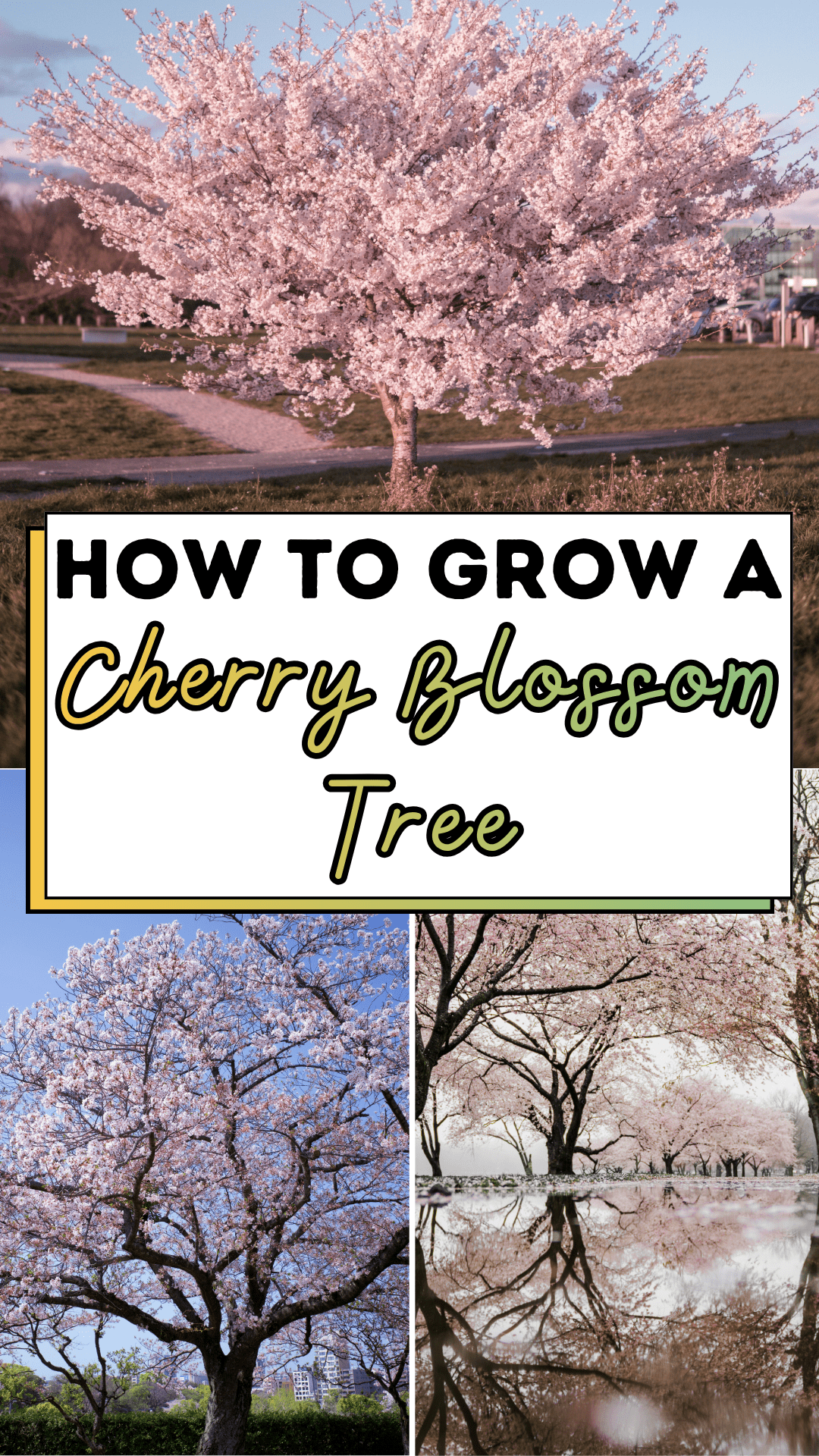
A cherry blossom tree provides that opportunity! When you learn how to grow a cherry blossom, you’re planting more than just another tree; rather, you are creating your own personal peace of mind! When the delicate pink petals of the cherry blossom initially bloom and release their soft ethereal glow into your garden, the chaos of the day has disappeared.
The Cherry Blossom Tree Blueprint
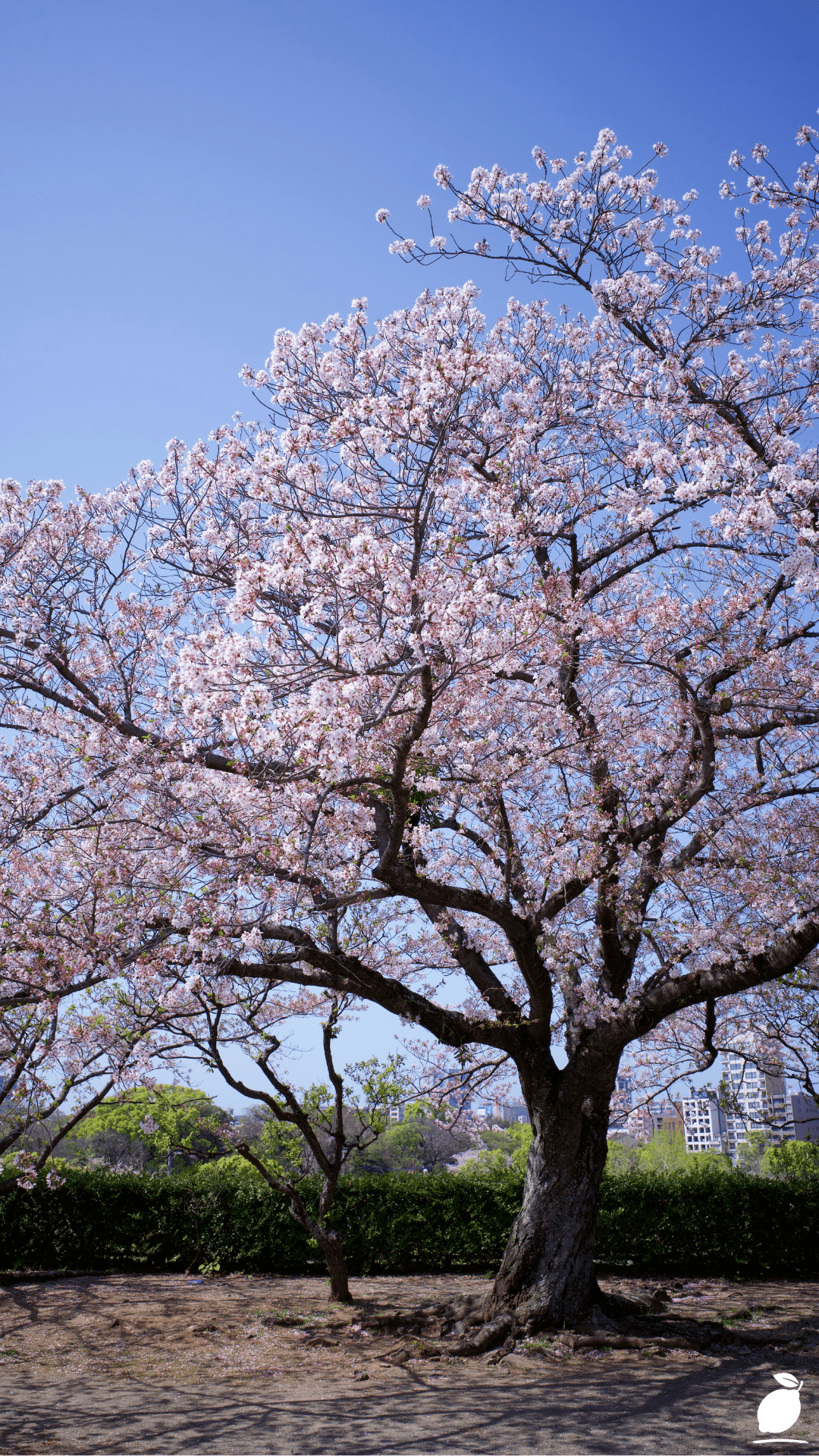
Growing these iconic beauties is easier than you might think when you have a clear plan. Follow this cherry blossom tree guide to ensure your tree thrives from the roots up.
Step 1: Selecting Your Perfect Variety
Not all cherry blossom tree varieties are the same. For smaller yards or patio containers, look for the Prunus incisa ‘Kojo-no-mai’, a dwarf variety with unique zig-zag branches. If you have room for a grand centerpiece, the Yoshino (Prunus x yedoensis) offers that classic, sweeping canopy of blush-pink flowers. Ensure the cherry blossom tree you choose is hardy for your specific climate zone to avoid heartbreak during the first frost.
Step 2: Finding the Ideal Sun and Soil
The cherry blossom tree is a sun-seeker. It requires at least 6 to 8 hours of direct sunlight daily to produce those lush, vibrant blooms. The soil for your cherry blossom tree should be well-draining and rich in organic matter. Avoid wet feet if your soil stays soggy after a rain. Consider a raised bed or improving drainage with compost, as these trees are prone to root rot in standing water.
Step 3: Proper Planting Technique
Dig a hole twice as wide as the root ball of your cherry tree, but no deeper. When you place the tree, the top of the root ball should be level with the soil surface. Filling the hole with a mix of native soil and aged compost gives the cherry blossom tree a nutrient-rich start. Once planted, create a mulch ring around the base to retain moisture and suppress weeds.
Step 4: Consistent Early Watering
In the first year, your cherry blossom tree’s primary job is to establish a strong root system. Water it deeply once or twice a week, depending on the heat. The soil should feel moist like a wrung-out sponge, not a swamp. Once established, a cherry tree is relatively drought-tolerant, but it appreciates a long drink during peak summer heat to prepare for the following spring’s show.
Expert Secrets for Success
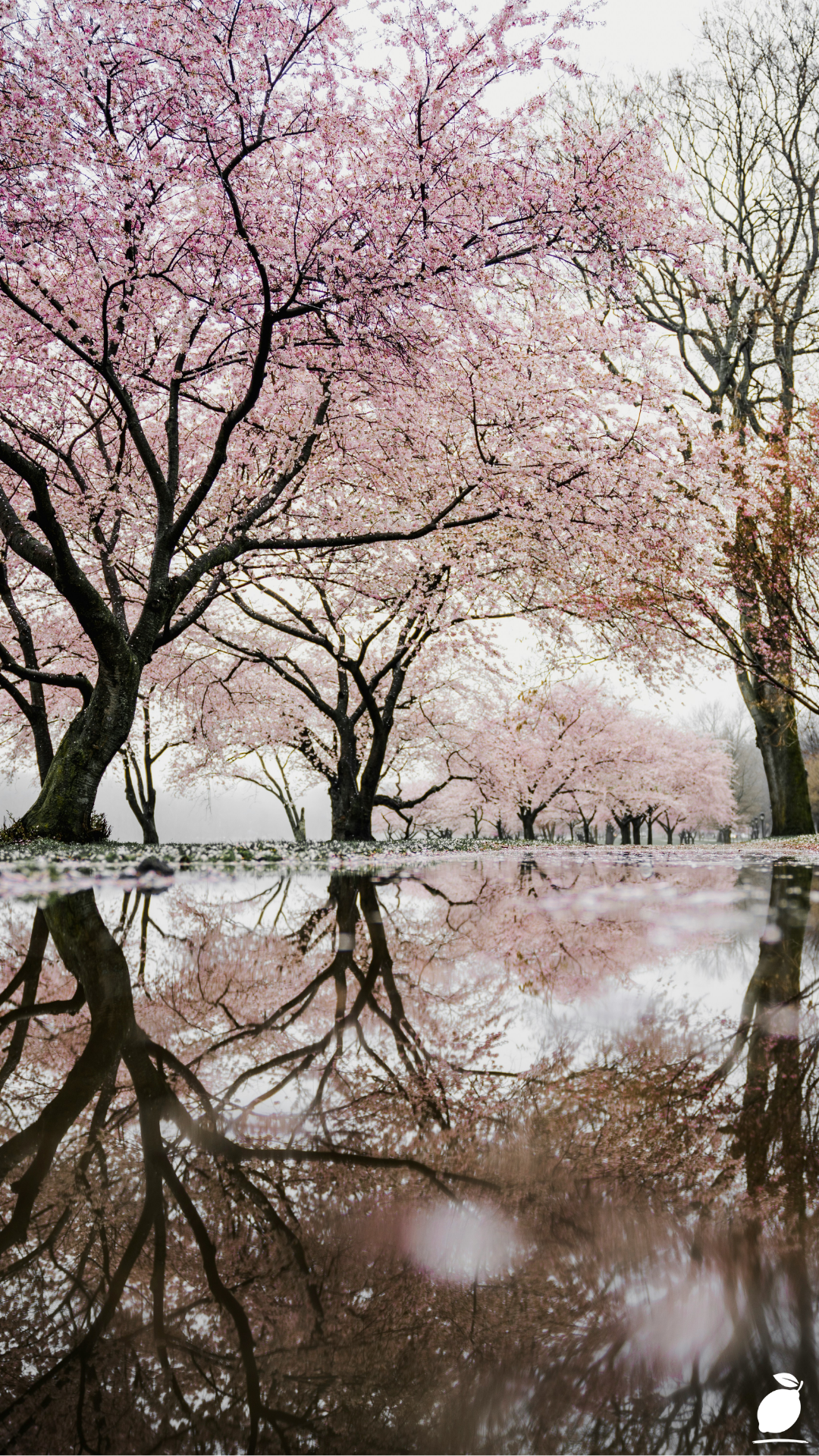
Pro-Tips for Better Results
- The Power of Potash: Apply a high-potassium fertilizer to your cherry blossom tree in late winter. This encourages more prolific bud formation, ensuring your tree is smothered in pink rather than just a few scattered petals.
- Shelter from the Wind: Plant your cherry blossom tree in a spot protected from strong prevailing winds. High winds can strip the delicate blossoms from the branches in hours, shortening your viewing season significantly.
- Minimalist Pruning: Only prune your cherry blossom tree when necessary (to remove dead or crossing branches). The best time is mid-summer to reduce the risk of Silver Leaf disease.
Common Mistakes to Avoid
- Over-Fertilizing with Nitrogen: Using a high-nitrogen lawn fertilizer near your cherry blossom tree will result in lots of green leaves but very few flowers. Stick to balanced or flower-focused formulas.
- Deep Planting: Planting the cherry blossom tree too deeply is a leading cause of sudden death. The flare where the roots meet the trunk must stay visible above the soil line.
- Neglecting Drainage: Never plant a cherry blossom tree in a low spot of the garden where water pools. If the roots can’t breathe, the tree will lose its leaves prematurely and fail to bloom.
Why Cherry Blossom Tree Matters
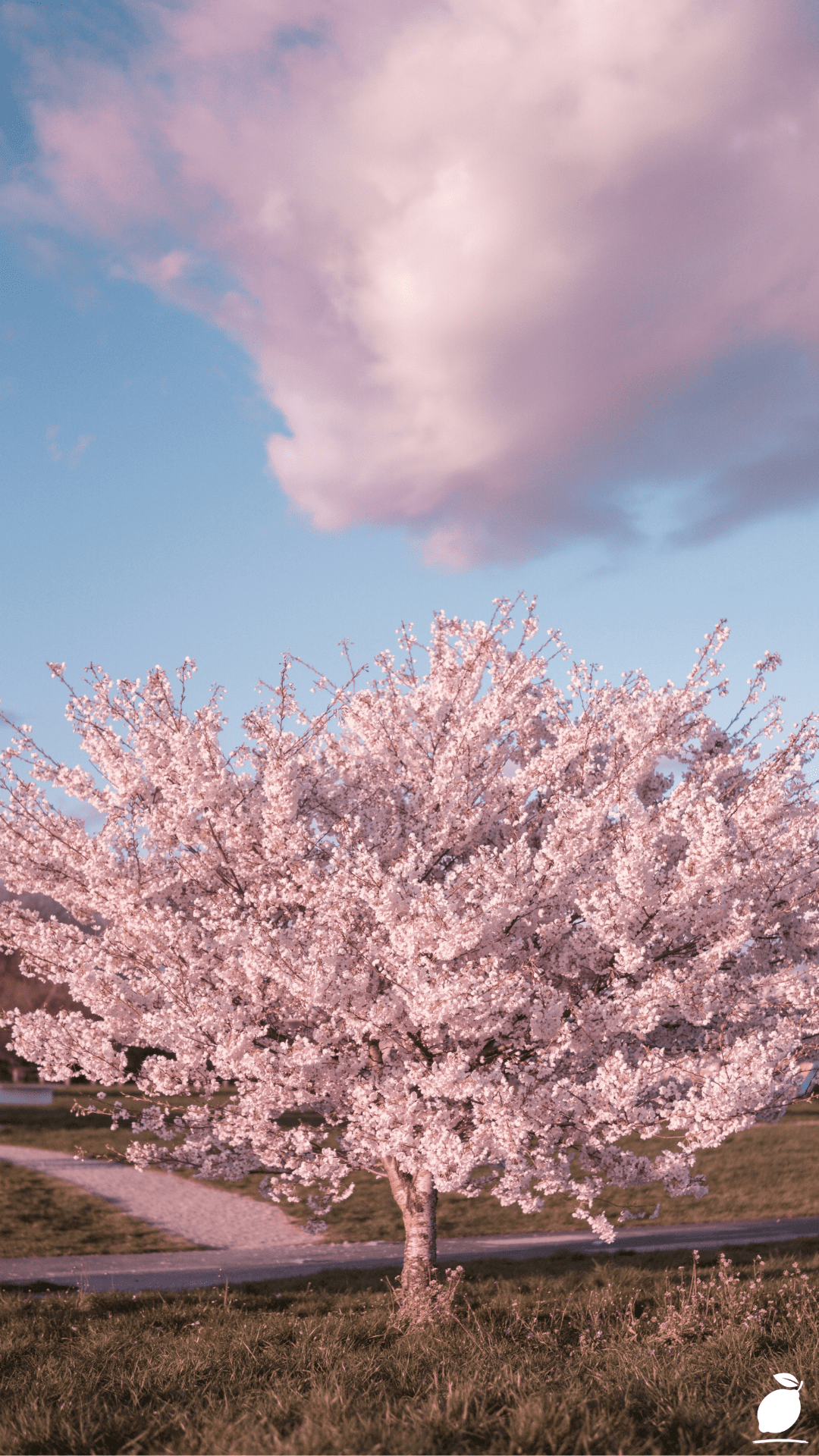
In the rhythm of a busy household, the annual arrival of the cherry blossom tree acts as a natural reset button. It teaches us the beauty of impermanence and the value of being present. When the family gathers under those gnarled, petal-heavy branches, the digital noise of the world fades away.
Gardening is a form of DIY therapy; as you tend to the cherry blossom tree, you are also tending to your own mental clarity. The soft pink palette and diffused lighting of a blooming cherry blossom tree create a blue zone of sorts in your backyard, a place where family peace is nurtured, and the stress of the messy life is balanced by the ethereal grace of the garden.
FAQ
How long does it take for a cherry tree to bloom?
Typically, a young nursery cherry blossom tree will take between 2 and 4 years to begin flowering. Patience is part of the process, but the results are worth every second of the wait.
Can I grow a cherry tree in a pot?
Yes! Compact cherry blossom tree varieties like ‘Kojo-no-mai’ or ‘The Bride’ are perfect for large containers. Ensure the pot has excellent drainage and use a high-quality loam-based compost.
Do cherry blossom tree varieties produce edible fruit?
Most ornamental cherry blossom tree types (Prunus) are bred for their flowers, not their fruit. While some may produce tiny, sour berries that birds love, they are generally not the sweet cherries you find at the grocery store.
When is the best time to plant a cherry tree?
The best time to plant is in late autumn or early spring when the cherry blossom tree is dormant. This allows the roots to settle in without the stress of extreme heat or frozen ground.