
You spent a whole weekend pressure-washing the porch, arranging the furniture just so, and carrying home a carful of hopeful plants from the garden center. It looked promising for about three weeks. Then the plants that were supposed to make the space feel alive started doing the opposite, yellowing, dropping leaves, barely holding on in the deep shade cast by the roof overhang and the neighboring fence. The geraniums gave up first. The lavender went leggy and gray. Even the petunias, which the label promised were “easy,” turned into pale, sprawling disappointment. The porch that was supposed to be your favorite spot became the place you walked past without looking
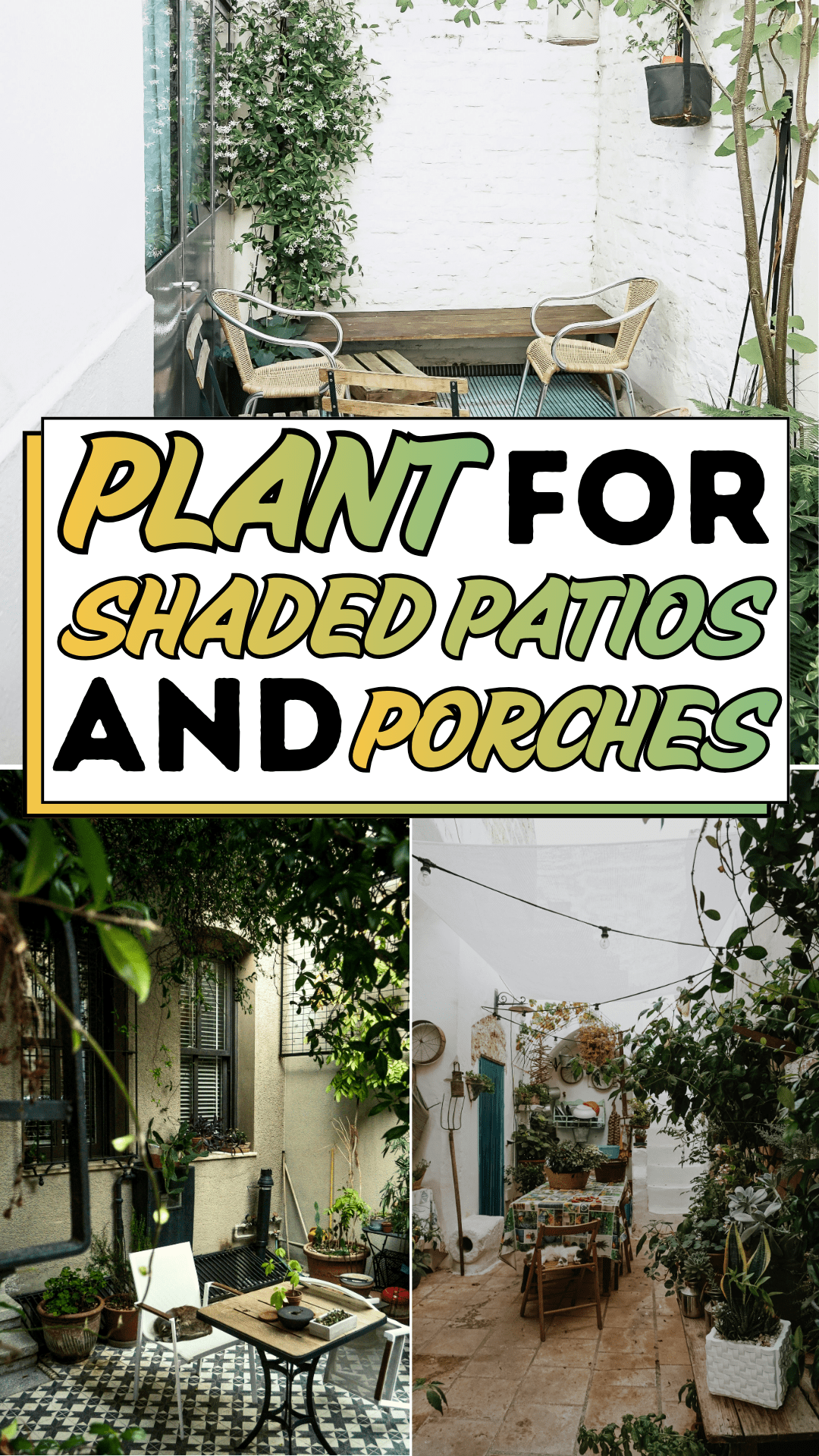
The problem catches almost every enthusiastic porch and patio gardener at some point: the plants sold most aggressively at garden centers, the colorful, full-sun performers that look spectacular under the greenhouse lights, are exactly the wrong choice for shaded patios and covered porches. They need six, seven, or eight hours of direct sun to do what they do, and a roofed porch or north-facing courtyard simply cannot provide that. Buying them anyway is not a failure of effort or attention. It is a mismatch of plant to place, and it happens because the right plants for shaded spaces are rarely the ones displayed most prominently or marketed most loudly.
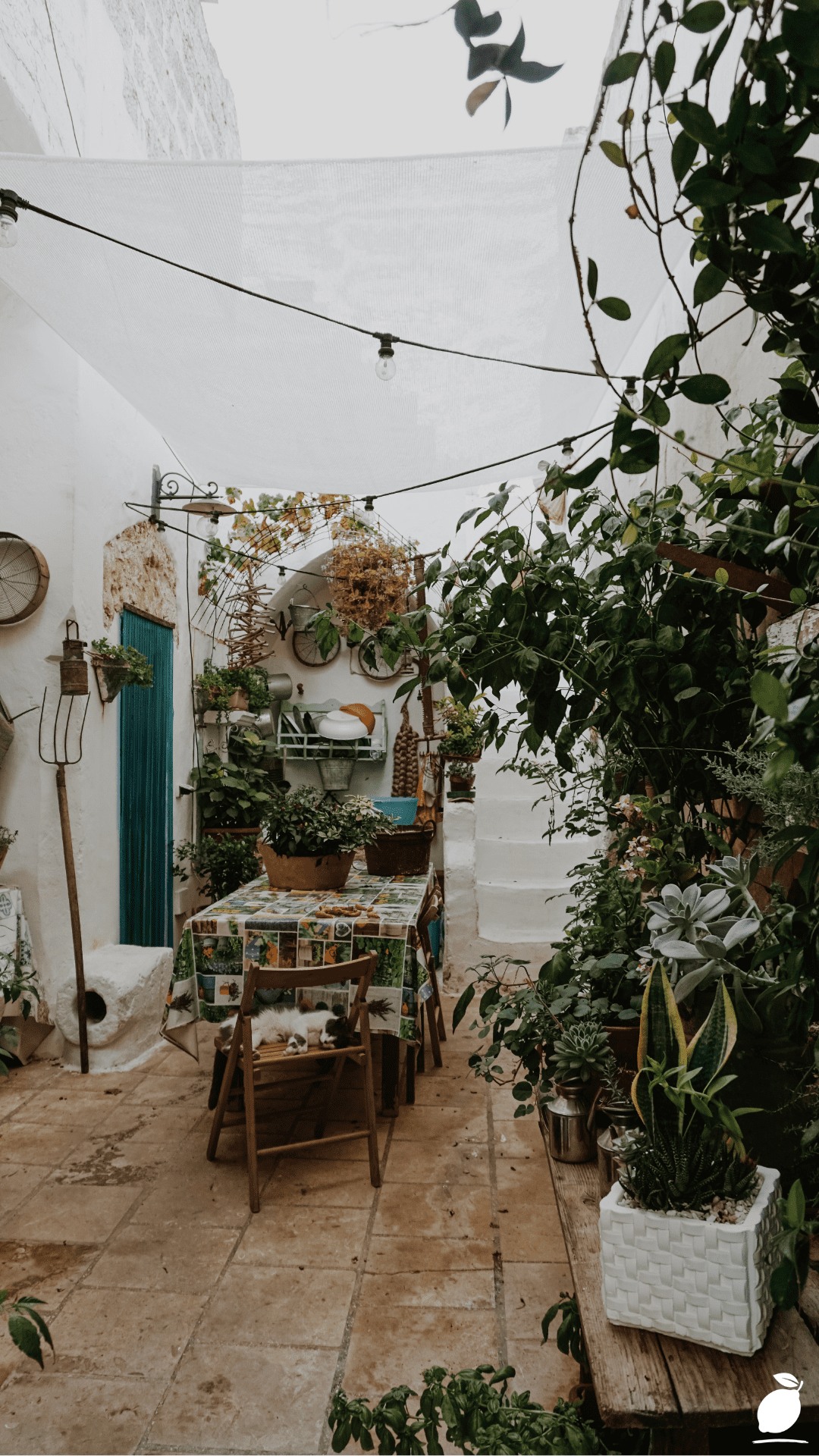
But here is the beautiful truth: there is an entire world of plants that not only survive on shaded patios, but also genuinely thrive there. The kind of layered, lush, casually abundant planting you see in a Mediterranean courtyard, large leafy specimens in terracotta, climbing vines reaching the ceiling, and smaller pots filling every corner with green, is almost entirely composed of plants that prefer lower light. Shaded patios are not a limitation to design around. With the right plant palette, they become some of the most atmospherically rich and personally cozy outdoor spaces you can create. Here is your complete guide to making it happen.
The Shaded Patios Guide
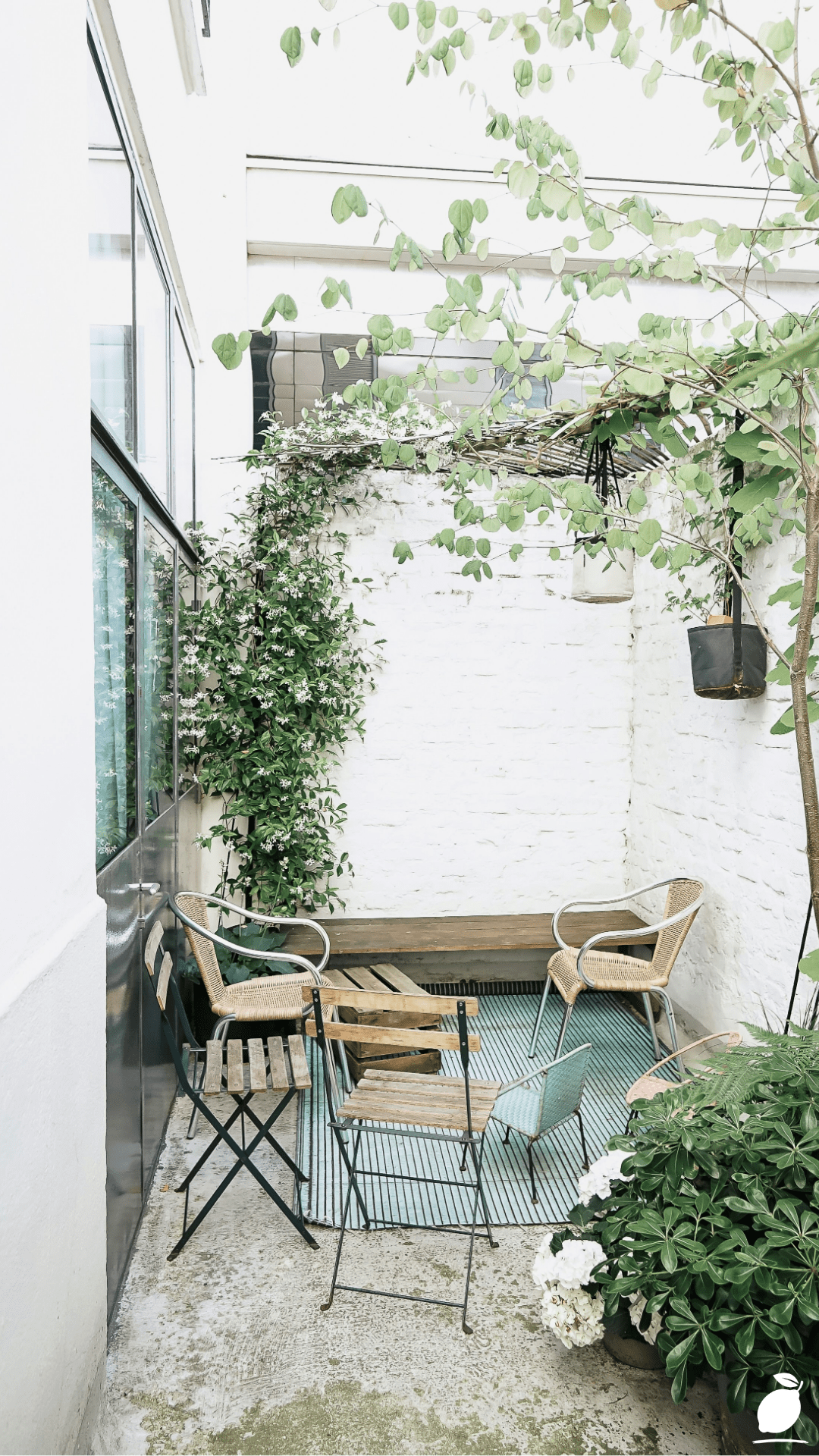
The title here calls for a curated plant roundup of the best performers for shaded patios and porches, each chosen for beauty, reliability, and the kind of lush, living atmosphere that makes an outdoor room feel genuinely inhabited. These selections work in partial shade through to deep shade, across covered porches, north-facing courtyards, and the dim corners of walled gardens.
Ferns (Various Species)
Few plants define the look of a lush, shaded patio more immediately than a well-grown fern. From the dramatic, arching fronds of the Boston fern (Nephrolepis exaltata) to the delicate texture of the maidenhair fern (Adiantum) and the bold, architectural presence of the bird’s nest fern (Asplenium nidus), there is a fern for every scale and style of shaded outdoor space. Most prefer consistently moist, humus-rich potting mix and indirect light.
Why it works: Ferns bring a quality of lushness that almost no other plant can replicate on shaded patios. Their layered, feathery, or bold frond structures create visual depth and movement, and their rich green tones make white walls glow and terracotta pots look even warmer. As the large leafy foreground plant in a Mediterranean courtyard planting, a well-established Boston fern or bird’s nest fern anchors the entire composition.
Caladium
Caladiums are among the most visually spectacular plants available for shaded patios, producing enormous, heart-shaped leaves in combinations of pink, white, red, and green that look almost artificially vivid in low-light conditions. They are tropical perennials grown as annuals in cooler climates, thriving in warm, humid shade, exactly the protected, still-air environment of a covered porch or walled courtyard.
Why it works: On shaded patios where flowering plants struggle, caladiums deliver the color impact that blooms would in sunnier spots but through foliage rather than flowers. Their large, patterned leaves catch and hold the eye in dim conditions, and because they produce that color continuously through the season rather than in flushes of bloom, they provide an uninterrupted visual statement. Grouped in terracotta pots of varying sizes, they create the layered, luxuriant look of a fully realized outdoor room.
Impatiens (Busy Lizzies)
Impatiens are the gold standard of flowering plants for shaded patios and remain one of the few annuals capable of producing continuous, prolific blooms in low-light conditions from late spring through the first frosts. Modern varieties, particularly the New Guinea impatiens and the disease-resistant Beacon series, are robust, heat-tolerant, and available in a range of colors from white and coral through to deep fuchsia and burgundy.
Why it works: Impatiens fill the role that sun-loving annuals like petunias cannot on shaded patios: reliable, season-long color from a genuinely shade-adapted plant. They require virtually no deadheading, grow vigorously in partial to full shade, and look beautiful both in standalone pots and in mixed container arrangements alongside ferns or caladiums. For shaded patios where you want consistent floral color without constant maintenance, impatiens are the single most dependable choice available.
Hostas
Hostas are perennial shade champions whose extraordinarily varied foliage, from tiny miniature varieties to enormous specimens with leaves the size of dinner plates, makes them as useful on shaded patios as they are in garden borders. Leaf colors range from blue-green and gold to chartreuse and deep green, with many varieties producing attractive cream or white variegation. Most hostas also produce attractive lavender flower spikes in midsummer that attract bees.
Why it works: On shaded patios, hostas provide architectural scale and year-on-year value as perennials that return and expand each season. A large, well-established hosta in a generous terracotta pot becomes a genuine focal point bold enough to anchor a corner arrangement, interesting enough to earn its place as a solo specimen. Their tolerance of deep shade makes them useful in the darkest corners of covered porches where almost nothing else will perform.
Peace Lily (Spathiphyllum)
The peace lily is one of the most reliable flowering plants for shaded patios in warm climates or during summer months in temperate ones. Its glossy, deep green foliage and elegant white spathe flowers are produced repeatedly through the growing season in conditions of moderate to deep shade. It tolerates low light better than almost any other flowering plant and communicates its water needs clearly by wilting visibly, then recovering completely within hours of watering.
Why it works: Peace lilies bring an elegant, clean-lined sophistication to shaded patios that more casual, cottagey plants do not. Their white flowers stand out beautifully against both white stucco walls and dark green foliage backgrounds, and their glossy leaves hold their appearance through heat and humidity better than most alternatives. They also excel as indoor-outdoor plants that move seamlessly between a covered porch and an interior room as seasons change.
Climbing Hydrangea (Hydrangea anomala petiolaris)
For shaded patios with walls or trellises to clothe, climbing hydrangea is one of the most rewarding long-term investments a gardener can make. It is a fully hardy, self-clinging climber that produces masses of flat-topped white lacecap flowers in early summer and extraordinary peeling, cinnamon-colored bark in winter. It is slow to establish but, once settled, grows vigorously and covers shaded walls in a way that permanently transforms the character of the space.
Why it works: Shaded patios often suffer from the feeling of being enclosed and overshadowed. Climbing plants soften the hard lines of walls and overhead structures, and climbing hydrangea does this with exceptional elegance in low-light conditions. The vines visible at the top of a Mediterranean courtyard planting, threading through overhead structures and softening the transition between wall and sky, represent exactly the atmospheric quality this plant delivers on covered, shaded patios.
Fatsia japonica (Japanese Aralia)
Fatsia japonica is a bold, architectural evergreen shrub that brings a genuinely tropical drama to shaded patios through its enormous, glossy, deeply lobed leaves, each one a statement in itself. It grows happily in containers in partial to full shade, tolerates urban pollution, and maintains its handsome appearance year-round. In autumn, it produces upright clusters of small white flowers that attract late-season pollinators.
Why it works: On shaded patios where scale and permanence matter, fatsia provides both. A single large specimen in a generous pot establishes instant visual authority in a corner or against a wall, making the space feel curated and intentional rather than thrown together. Its year-round presence means shaded patios have a living anchor through every season, not just in the summer months when most other container plants are performing.
Expert Secrets for Success
Pro-Tips for Better Results
- Layer your pot heights deliberately. The most atmospheric shaded patios work in vertical layers, low, ground-level planters of impatiens or small ferns beneath mid-height hostas and caladiums, with tall fatsia or climbing plants above. This layering creates the dense, room-like quality that makes a covered porch feel like a fully realized living space rather than a transitional area between indoors and out.
- Choose terracotta and natural materials for pots. On shaded patios, where the light is softer and cooler, the warm orange tones of terracotta and the texture of wicker baskets add visual warmth that plastic or white ceramic pots cannot provide. Natural materials also complement the green, shadowy quality of shade-loving plants far more sympathetically than synthetic containers.
- Water more carefully, not more frequently. A common mistake on shaded patios is overwatering shaded containers, which dry out more slowly than sun-exposed ones, and roots sitting in persistently wet compost are the fastest route to plant failure. Check soil moisture with your finger before watering. In most shade conditions, container plants need watering far less often than you expect.
- Add ambient lighting to extend the magic. A string of warm Edison-style bulbs hung across a covered porch or courtyard, as seen in the Mediterranean courtyard image, does more than provide light. It creates an atmosphere that makes the surrounding plants look lush and intentional even after dark, transforming a shaded patio from a daytime-only space into an evening destination.
- Feed through the growing season. Shade-tolerant container plants still need nutrition to look their best. A slow-release granular fertilizer at planting, topped up with a balanced liquid feed every two weeks from May through August, keeps foliage rich in color and growth vigorous on shaded patios throughout the season.
Common Mistakes to Avoid
- Placing sun-lovers on shaded patios and hoping for the best. Lavender, rosemary, petunias, and geraniums are outstanding garden plants in the right position. On shaded patios, they stretch, fail to bloom, and decline slowly. Always check a plant’s actual light requirements before purchasing for a low-light space.
- Using containers that are too small. Shade-tolerant plants like hostas, fatsia, and ferns are often large-growing, architectural specimens that need generous root space to perform. Cramming them into undersized pots restricts root development, causes rapid drying, and prevents the plants from reaching the scale that makes them visually impactful on shaded patios.
- Neglecting humidity-loving plants in dry covered spaces. Ferns and peace lilies in particular need consistent moisture in the air as well as the soil. Under a dry, covered porch roof, they can suffer from crisp, brown leaf edges. Grouping humidity-loving plants, standing pots on trays of damp gravel, or misting foliage regularly, mitigates this significantly.
- Ignoring evergreen structure. Many gardeners fill shaded patios with seasonal annuals and then find themselves with a bare, uninviting space from October through April. Including at least one or two evergreen specimens, such as fatsia, certain ferns, and climbing hydrangea’s structural stems, ensures shaded patios retain character and visual interest through every season.
- Forgetting to clean foliage regularly. In shaded, sheltered conditions, large-leaved plants like caladiums, hostas, and peace lilies accumulate dust and grime on their leaves, which both dulls their appearance and reduces their ability to photosynthesize efficiently. A gentle wipe with a damp cloth every few weeks keeps foliage looking vibrant and performing well.
Why Shaded Patios Matter
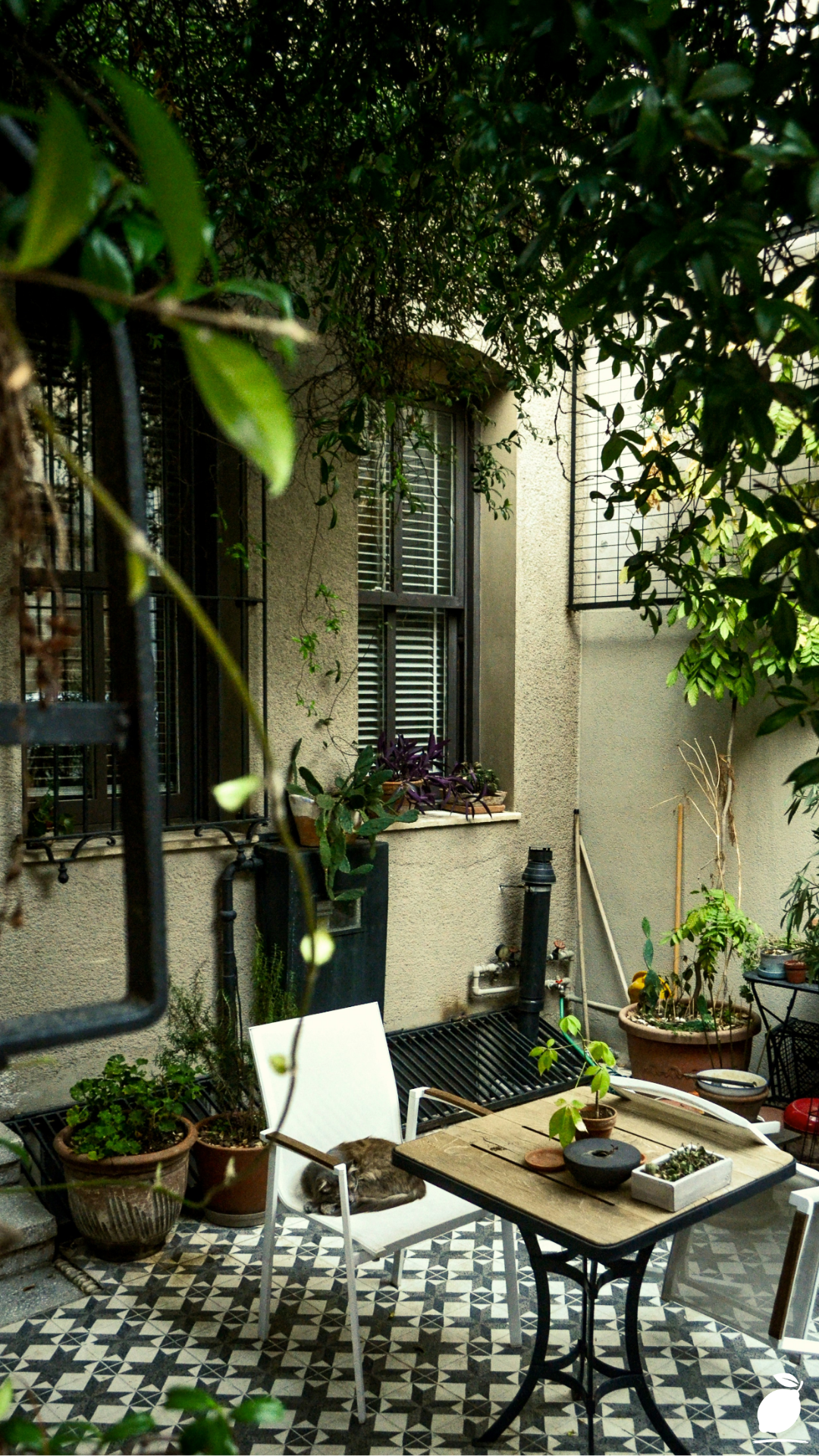
A shaded patio transformed by the right plants becomes something more than an outdoor room. It becomes a refuge, a place where the particular quality of filtered light and surrounding green creates a sense of gentle enclosure that feels genuinely restorative. Shaded patios have a natural tendency toward intimacy that sun-drenched spaces do not: the overhead cover, the dappled shadows on white walls, the sound-dampening effect of surrounding foliage. When you fill that space with plants that belong there, you amplify a quality that was already present, waiting to be recognized.
For families, a comfortable, planted shaded patio extends the home outward in a way that changes how the household functions through warmer months. Meals migrate outside. Morning coffee becomes a ritual with a backdrop of greenery rather than a kitchen wall. Children do their homework at the outdoor table instead of the kitchen counter. The simple act of creating a shaded, planted outdoor space invites a slower pace and a different quality of presence, more attentive, more unhurried, more connected to the natural world just beyond the potted plants. These are not small things. These are the rhythms that define how a home actually feels to live in.
And for your own well-being, the research is unambiguous: time spent near plants reduces cortisol, lowers blood pressure, and improves mood in measurable ways. Shaded patios, precisely because of their enclosed, protected quality, amplify this effect. They are spaces where it is easy to sit still, to breathe slowly, to notice the detail of a fern frond or the shadow a large hosta leaf casts on a white wall. Building and tending a planted shaded patio is an act of ongoing care for yourself, a quiet investment in the quality of your own daily life that pays dividends every single time you step outside and settle into it.
Frequently Asked Questions
What plants grow best on very dark shaded patios with almost no direct sun?
For genuinely deep shade under a dense roof with no direct sunlight, the most reliable choices are peace lilies, Boston ferns, bird’s nest ferns, hostas, and fatsia japonica. These are all capable of maintaining healthy growth and reasonable appearance in very low light conditions. Avoid flowering plants in deep shade; prioritize foliage interest instead and supplement with ambient lighting to enhance the atmosphere.
How do I stop my shaded patio containers from becoming waterlogged?
Waterlogging on shaded patios is primarily a drainage issue. Ensure all containers have adequate drainage holes that are not blocked by compacted compost or sitting directly on a surface that prevents drainage. Raise pots slightly using pot feet or bricks to allow free drainage. Use a free-draining, peat-free potting mix with added perlite, and always check soil moisture before watering. Shaded containers retain moisture far longer than sun-exposed ones.
Can I grow herbs on a shaded patio?
Most culinary herbs, basil, rosemary, thyme, and oregano require full sun and perform poorly on shaded patios. However, some herbs tolerate partial shade well: mint is extremely shade-tolerant, parsley does well in dappled light, chives manage with three to four hours of sun, and Vietnamese coriander thrives in warm, shaded conditions. For a herb garden on shaded patios, focus on these shadow-tolerant species rather than the full-sun Mediterranean herbs.
How do I make a small shaded patio feel larger through planting?
Vertical planting is the most effective tool for making shaded patios feel more expansive. Train climbing plants up walls and overhead structures to draw the eye upward and create a sense of height. Use mirrors on walls, a classic Mediterranean courtyard technique, to reflect foliage and light. Choose plants with large, bold leaves rather than many small ones: a single large-leaved hosta or fatsia reads as more generous and spacious than a collection of small-leaved filler plants.
When should I bring shaded patio plants indoors for winter?
In temperate climates, tender plants used on shaded patios, such as caladiums, peace lilies, New Guinea impatiens, and tropical ferns, should be brought indoors before the first frost, typically in October. Hardy perennials like hostas can remain outdoors in containers if the containers are large enough to insulate the roots from hard freezing. Move them to a sheltered position against a house wall for additional frost protection. Climbing hydrangea and fatsia are fully frost-hardy and can remain outside year-round.