It starts with a single impulse: you want flowers on your kitchen table. Not the stiff, cellophane-wrapped bundles from the supermarket that open too fast and drop petals on the counter by Thursday, real flowers, grown somewhere close, cut in the early morning with dew still on the petals, arranged loosely in a jar that looks effortless because it genuinely is. You have the garden space.
You have the intention. You order seeds in January with real excitement and then, by late spring, find yourself staring at a bed of tangled stems and spotty blooms that look nothing like the abundant, romantic cutting garden you imagined. Where is the fullness? Where is the succession? Where are all the flowers you were promised?
The gap between imagining a cut flower garden and actually running one comes down almost entirely to planning, specifically, to understanding which flowers bloom when, how long they hold in a vase, which varieties produce stems long enough to actually cut, and how to sequence your planting so that something is always at peak readiness from late spring straight through to summer’s end. Most first-time cut flower gardeners plant without this sequencing knowledge and end up with a glut of one thing in one week and nothing worth cutting for the next three. The abundance was there, but it was not organised into the steady, rolling harvest that makes a cut flower garden genuinely useful.
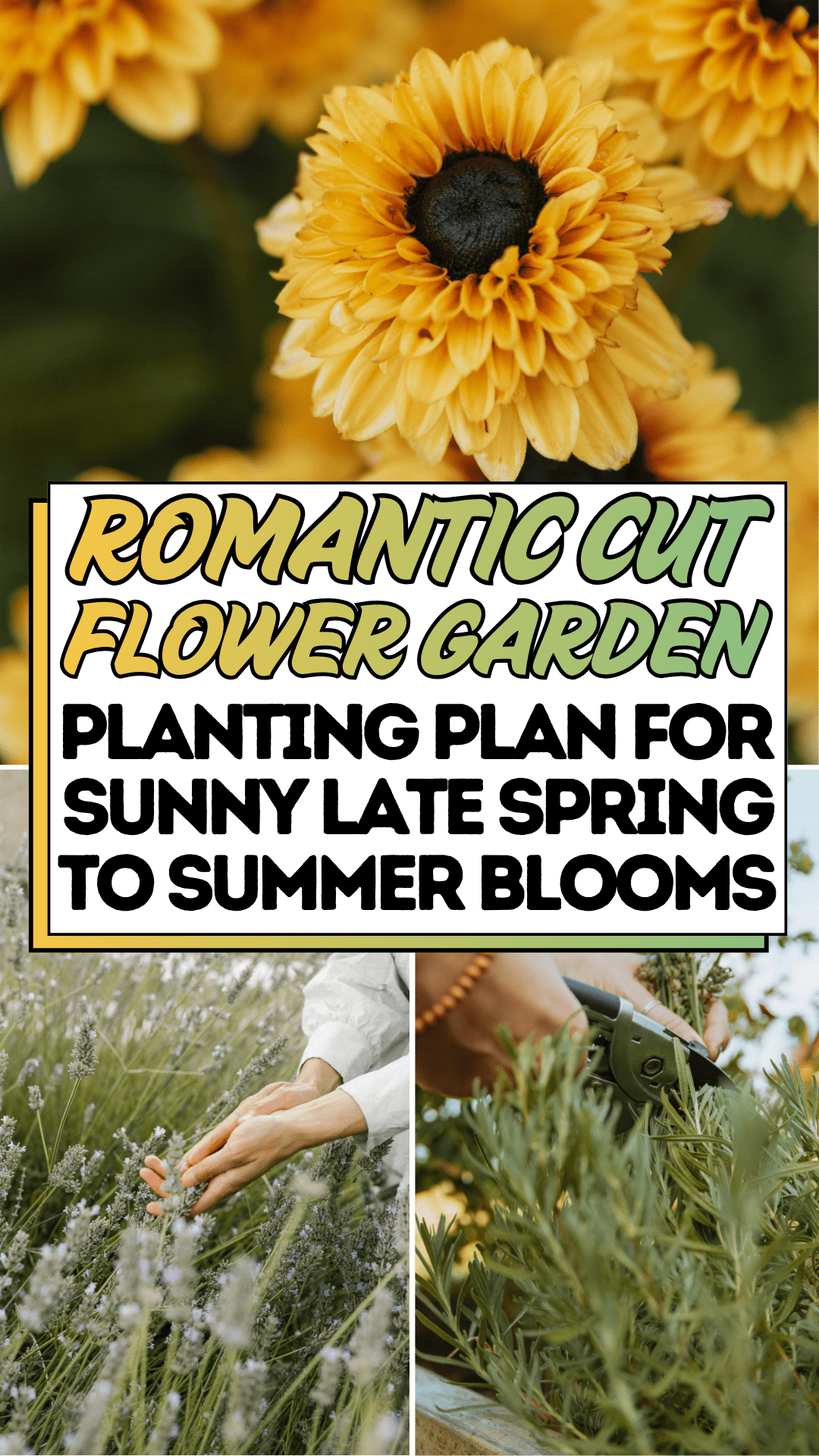
That is exactly the problem a well-designed romantic cut flower garden planting plan solves. A dense cluster of golden Black-eyed Susans glowing against dark foliage, fully open, richly petaled, photographed at the height of their season, is not the result of scattering seeds and hoping. It is the result of knowing which sunny-season bloomers perform when, planting them in the right sequence, and giving them exactly what they need to produce the kind of long-stemmed, vase-ready flowers that make every room in your home feel more alive. Here is the planting plan that makes it happen.
The Cut Flower Garden Guide
The title is a planting plan, rounding up the best flowers for a romantic, sunny-season cut flower garden from late spring through summer, chosen for vase performance, succession value, and that particular quality of romantic abundance the style demands. Each entry includes bloom timing, why it earns its place in the cut flower garden, and how to use it at its best.
Black-eyed Susan (Rudbeckia hirta)
The golden star of the late summer cut flower garden, Black-eyed Susans produce clusters of rich yellow, dark-centred blooms on strong, upright stems from July through September and well into autumn. The variety ‘Indian Summer’ produces particularly large blooms on long stems ideal for cutting, while ‘Cherry Brandy’ offers a warm mahogany-gold bicolour for vases with more depth and warmth. Direct sow in spring for late summer blooms, or start indoors six to eight weeks before the last frost for an earlier harvest.
Why it works: Black-eyed Susans are among the most reliable and long-lasting cut flower garden performers for sunny positions. Individual cut stems hold in a vase for seven to ten days, and because plants produce blooms continuously rather than in a single flush, they provide a steady harvest across weeks rather than days. Their warm golden tones complement almost every other summer cut flower, roses, zinnias, dahlias, cosmos, and their informal, wildflower character gives arrangements a romantic, garden-gathered quality that formal flowers cannot replicate.
Zinnia (Zinnia elegans)
Zinnias are the engine of the summer cut flower garden, fast-growing, sun-loving, prolific bloomers that produce cutting-ready stems from midsummer right through to the first frost if deadheaded or harvested consistently. The ‘Benary’s Giant’ series is the gold standard for cut flower garden production, offering stems up to 24 inches long in colours ranging from coral, orange, and yellow through to deep burgundy and lime green. Direct sow after the last frost date for the simplest, most reliable results.
Why it works: No other annual provides the sheer volume of cut stems per square foot that a zinnia planting delivers in a cut flower garden. The more you cut, the more they produce a virtuous cycle that means a well-managed zinnia row turns into a nearly inexhaustible source of vase material through the height of summer. Their bold, pom-pom flower form provides the colour mass in arrangements that delicate flowers like cosmos and sweet peas cannot achieve alone.
Sweet Peas (Lathyrus odoratus)
Sweet peas are the romantic soul of the late spring and early summer cut flower garden. Their frilled, pastel blooms and extraordinary fragrance are unlike anything else in the cutting border. Sow in autumn for the earliest spring blooms, or in late winter indoors for a slightly later harvest. Train them up a generous support structure, a five-foot net or bamboo frame and cut stems frequently and generously to prevent pod formation, which halts flowering almost immediately.
Why it works: The fragrance of sweet peas in a cut flower garden is, by itself, justification enough for growing them. A single vase of sweet peas on a bedside table or kitchen windowsill scents the entire room. They bloom in late spring and early summer, filling the gap before zinnias, dahlias, and rudbeckias come into their own, and their climbing habit allows them to be grown vertically, maximising the flower yield from a small cut flower garden footprint.
Cosmos (Cosmos bipinnatus)
Cosmos is the airy, graceful counterpart to bolder cut flower garden performers. Its feathery foliage and single, open blooms on long, slender stems bring movement and lightness to arrangements that would otherwise feel dense and heavy. The ‘Sensation’ series and the newer ‘Rubenza’ variety offer exceptional stem length and vase life. Direct sow after the last frost in full sun and cut stems when the buds are just beginning to open for the longest vase life.
Why it works: A cut flower garden composed entirely of bold, full-petaled flowers, dahlias, zinnias, and rudbeckias can look magnificent, but lacks the lightness and movement that cosmos provides. In a mixed arrangement, cosmos stems weave between larger blooms, soften hard outlines, and create the casual, just-gathered quality that defines romantic cut flower garden style. They also bloom prolifically and continuously throughout summer with almost no maintenance beyond regular cutting.
Dahlias
Dahlias are the showpiece of the late summer and autumn cut flower garden. Their extraordinary range of flower forms, from tight pompons to enormous dinner-plate varieties and delicate anemone types, provides vase material of a scale and drama that no other summer plant matches. Plant tubers after the last frost in rich, well-drained soil and full sun. Pinch plants at 12 inches to encourage branching and maximise stem production. A single plant can yield dozens of cutting stems across the season.
Why it works: Dahlias solve the late-season problem that affects almost every cut flower garden: the September and October gap when early summer performers have finished and only the most cold-tolerant annuals remain. A well-grown dahlia patch keeps the cut flower garden productive deep into autumn, long after cosmos and sweet peas have finished. Their sheer visual impact, bold forms, intense colours, and long vase life make them the premium yield of the entire cut flower garden season.
Scabiosa (Pincushion Flower)
Scabiosa produces delicate, pincushion-shaped blooms in soft lavender, lilac, white, and deep burgundy on long, wiry stems that are ideal for cutting. It blooms from early summer through autumn in full sun and is one of the most underused plants in the amateur cut flower garden. Professional florists, by contrast, prize it as a filler and accent flower that gives arrangements an airy, romantic depth that more obvious flowers cannot provide.
Why it works: Scabiosa fills the textural role in a cut flower garden that foliage plays in floristry. It is the connector, the softener, the element that makes a collection of blooms read as an arranged composition rather than a bunch of flowers. Its wiry stems move freely in a vase, creating natural movement in arrangements. It is also extremely long-lasting once cut up to two weeks in clean water, making it one of the highest-value flowers in the cut flower garden for the effort invested.
Lisianthus (Eustoma)
Lisianthus is the aspirational cut flower garden plant, slow to grow, requiring a long season and indoor starting, but producing stems of extraordinary elegance and vase longevity that justify every extra week of patience. Its ruffled, rose-like blooms in shades of white, purple, lavender, and deep plum look like luxury florist flowers because they are lisianthus, and consistently sell for premium prices at flower markets. Start seeds indoors sixteen weeks before the last frost, or buy started transplants for a more accessible first season.
Why it works: A cut flower garden that includes lisianthus produces something genuinely extraordinary, blooms that look as though they cost three times what they do and last in a vase for two to three weeks. They fill the role of the special-occasion flower in the cutting border, the bloom you bring inside when you want the arrangement to feel truly considered and refined. For a romantic cut flower garden planting plan, lisianthus is the elegant finale that elevates everything around it.
Expert Secrets for Success

Pro-Tips for Better Results
- Plan for succession, not simultaneity. The most productive cut flower gardens stagger planting dates so that different varieties come into bloom two to three weeks apart across the season. Sweet peas in late spring, cosmos and zinnias in midsummer, dahlias and rudbeckias in late summer, a planned bloom sequence delivers a continuous harvest rather than a week-long glut followed by bare stems.
- Cut in the early morning. Flower stems are most hydrated at dawn before the heat of the day draws moisture upward. Cut early, place stems immediately into cool water, and allow them to condition, sit in a cool, dark place in deep water for several hours before arranging. This single habit dramatically extends vase life across every cut flower garden variety.
- Deadhead and harvest ruthlessly. Most cut flower garden annuals respond to cutting by producing more stems. A zinnia or cosmos plant that is consistently harvested at peak bloom will produce three times more stems across the season than one that is allowed to set seed. Carry a bucket and harvest everything ready when you enter the cut flower garden, whether you need it for a vase or not.
- Grow more than you think you need. First-time cut flower gardeners consistently underestimate how many stems go into a single arrangement and how quickly a productive border is harvested. As a starting rule, triple the area you initially plan. A cut flower garden that feels generous in April feels barely sufficient by July, once you have experienced the joy of cutting freely.
- Feed generously and consistently. Cut flower garden plants are working hard, producing stems, blooms, and roots simultaneously throughout the growing season. A weekly liquid feed of high-potassium fertiliser from the moment buds begin forming through to the end of the season keeps stems strong, colours vivid, and vase life long. Unfed plants produce weak stems and blooms that open too fast and drop petals within days.
Common Mistakes to Avoid
- Cutting flowers at full bloom. Flowers cut at full, open bloom have already peaked and will last only a fraction as long in a vase as those cut at the bud stage. Cut zinnias when the outer petals have just opened. Cut dahlias when the bloom is three-quarters open. Cut sweet peas at the first colour show on the lowest bud. Cutting at the right stage is the single most impactful thing you can do for cut flower garden vase performance.
- Planting in rows that are too narrow. Cut flower garden plants need generous root space, air circulation between stems to prevent disease, and enough foliage mass to sustain heavy flowering. Rows less than 18 inches wide and plants spaced less than 12 inches apart, in most cases, lead to disease-prone, underperforming plants that produce fewer and shorter stems than their potential.
- Neglecting water during heat waves. The peak cut flower garden season is midsummer, which often coincides with the driest, hottest weeks of the year. Drought stress causes premature flower opening, short vase life, and rapid plant decline. Install drip irrigation or soaker hose before the season begins, or commit to consistent hand watering during dry periods. Container plants in the cut flower garden need watering daily in high summer.
- Growing only annuals. A cut flower garden composed entirely of annuals requires re-planting every season. Including perennial cut flowers, echinacea, rudbeckia, peonies, salvia, and alstroemeria establishes permanent productive plants that return and expand each year, reducing seasonal cost and effort while providing reliable bloom from established root systems.
- Forgetting foliage. Every florist knows that foliage is what makes a bunch of flowers look like an arrangement. A cut flower garden without dedicated foliage plants, eucalyptus, bupleurum, ammi majus, mint, or ornamental grasses produces blooms that look sparse in the vase. Dedicate at least a quarter of your cut flower garden space to foliage and filler material.
Why Cut Flower Garden Matters
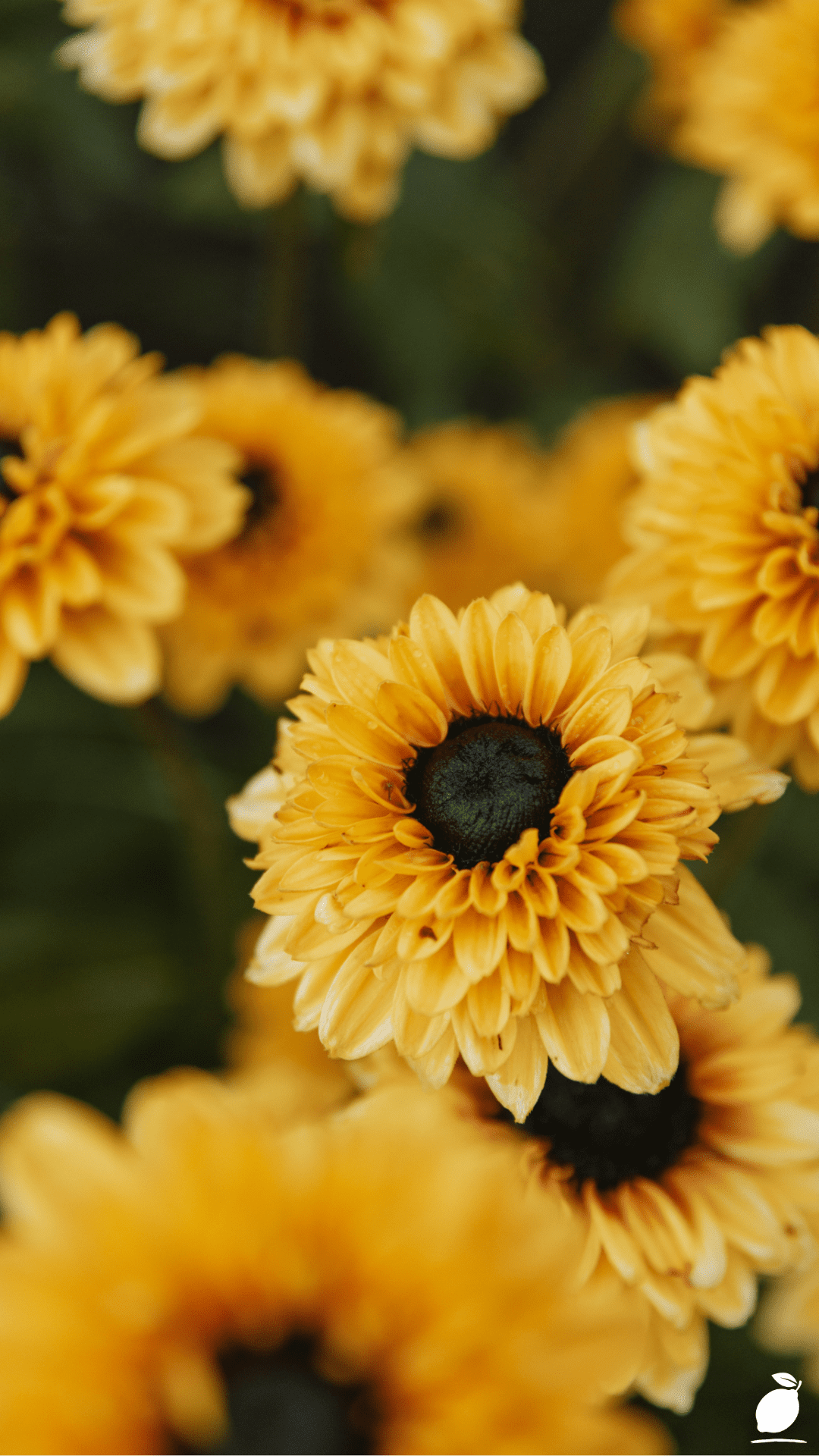
There is a particular quality that fresh-cut flowers from your own garden bring to a home, a quality that shop-bought bundles, however beautiful, never quite match. It is something about the knowledge of where they came from: the specific morning you cut them, the dew that was still on the petals, the fact that the rudbeckia in the kitchen vase is the same one you watched open from a bud three days ago. That connection between garden and home, between the act of growing and the daily experience of living surrounded by beauty, is one of the most deeply satisfying things a cut flower garden makes possible.
For families, the cut flower garden becomes a shared language of care and generosity. A teenager who cuts a bunch of sweet peas and puts them on the kitchen table without being asked has understood something important about how small gestures sustain the texture of daily life. A child who grows zinnias from seed and gives a stem to a neighbour has learned that what your hands produce has value beyond yourself. These are lessons that unfold quietly and naturally around a productive cut flower garden, not taught but absorbed through the season, stem by stem.
And for your own well-being, the ritual of the cut flower garden, the early morning walk through blooms still cool from the overnight air, the selection and cutting, the arranging, is one of the most effective resets available in a busy life. Research consistently links time spent with plants, and particularly the focused, sensory act of handling flowers, with measurable reductions in anxiety and improvements in mood. A cut flower garden does not just make your home more beautiful. It gives you a reason to be outside slowly, attentively, and with your hands in something real, every single day of its season. That is not a small thing. That is a life well-arranged.
Frequently Asked Questions
When should I start planning my cut flower garden for late spring to summer blooms?
Planning should begin in late winter, January or February, when seed catalogues are current, and the widest range of varieties is still available. Sweet peas should be sown in autumn or late January for the earliest blooms. Zinnias, cosmos, and rudbeckias are direct-sown after the last frost. Dahlia tubers go in after frost risk passes. Lisianthus requires a sixteen-week head start indoors. Mapping out your bloom succession across these sowing dates in winter is the foundation of a productive cut flower garden season.
How much space do I need for a productive cut flower garden?
A bed of 4 feet by 8 feet, 32 square feet, is enough to produce a meaningful harvest of cut flowers throughout summer if planted densely and harvested consistently. Most serious home cut flower gardeners work with a minimum of 100 square feet to allow for genuine succession planting and variety. The key metric is not total area but planting density: a small, intensively planted cut flower garden outperforms a large, sparse one in stem yield every time.
How do I extend the vase life of flowers from my cut flower garden?
Cut in the early morning at the correct bud stage for each variety. Recut stems underwater or at a sharp angle immediately before placing them in a clean vase. Use fresh, cool water changed every two days. Keep arrangements away from direct sun, heat sources, and ripening fruit; ethylene gas from fruit accelerates petal drop significantly. Strip all foliage that would sit below the water line to prevent bacterial growth. These combined practices can double the vase life of most cut flower garden varieties.
Which cut flower garden plants are best for complete beginners?
Zinnias, cosmos, and sunflowers are the most forgiving and productive cut flower garden plants for beginners. All three are direct-sown after frost, grow vigorously in full sun with regular watering, produce abundant stems without specialist knowledge, and provide instant feedback through continuous blooming. Black-eyed Susans are also excellent for beginners as perennials that return and expand each year without re-planting. Start with these four and add more demanding varieties like dahlias and lisianthus in subsequent seasons.
Can I create a cut flower garden in containers or raised beds?
Yes, a cut flower garden in large containers or a dedicated raised bed performs excellently, often better than an in-ground border, because soil conditions, drainage, and fertility can be precisely controlled. Use a deep, rich, free-draining potting mix. Ensure containers are at least 12 inches deep for most annuals and 18 inches for dahlias. Feed weekly with liquid fertiliser throughout the season, as container-grown cut flower garden plants exhaust soil nutrients faster than those grown in the open ground.