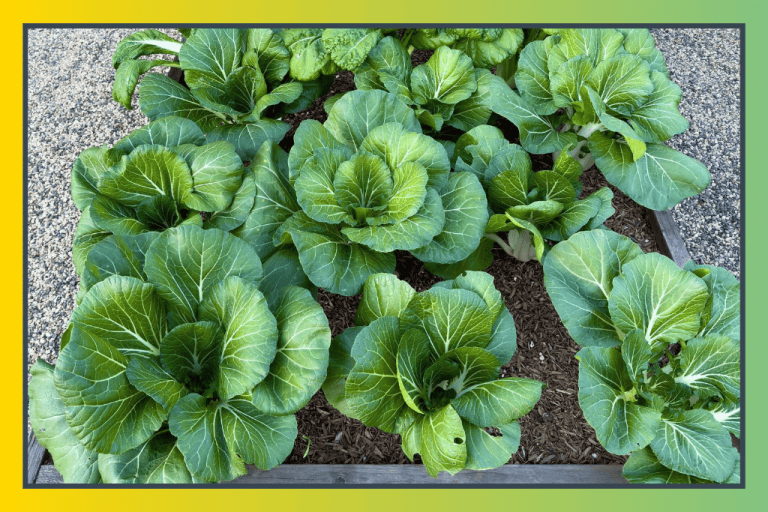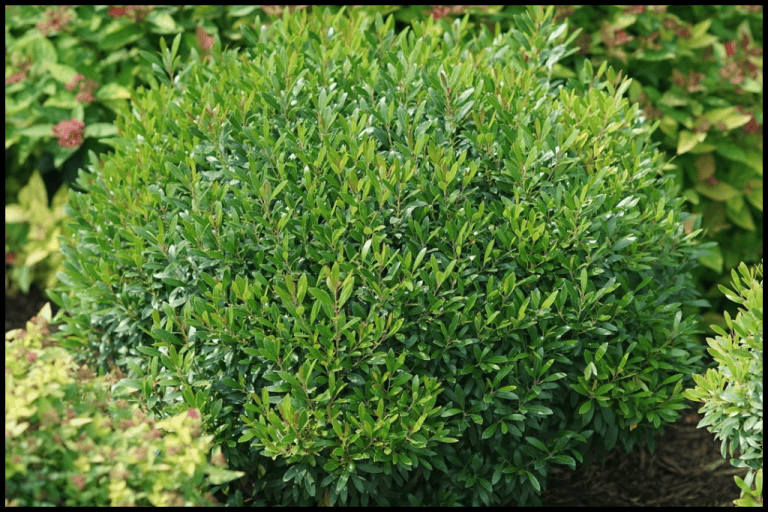
The yield was down again. Not dramatically, not the kind of failure that makes the news or forces a decision, but quietly, persistently, undeniably down from what it was five seasons ago. The same field, the same seeds, the same effort, and less to show for it. The input costs had gone up: more fertilizer to get the same result, more water to maintain what used to hold moisture naturally, more time managing the symptoms of a system that no longer seemed to be working the way it once did. The farmers who recognized this pattern earliest gave it different names: tired land, worn ground, depleted soil. What they were describing, without always having the vocabulary for it, was a soil health crisis happening slowly beneath their feet.
The frustration with soil decline is precisely its invisibility. Unlike a broken fence, a failed crop, or a flooded field, degraded soil health produces no single, dramatic moment of crisis. It produces instead a gradual erosion of productivity that is easy to attribute to weather, to market conditions, to seed quality, to anything that presents a more immediate and legible cause than the invisible biological community breaking down in the topsoil. By the time the decline becomes undeniable, when the fertilizer bill exceeds what the yield can justify, when the drainage fails in a way that no tillage can correct, the soil has been depleted for years. The cost of restoration is always greater than the cost of prevention would have been.
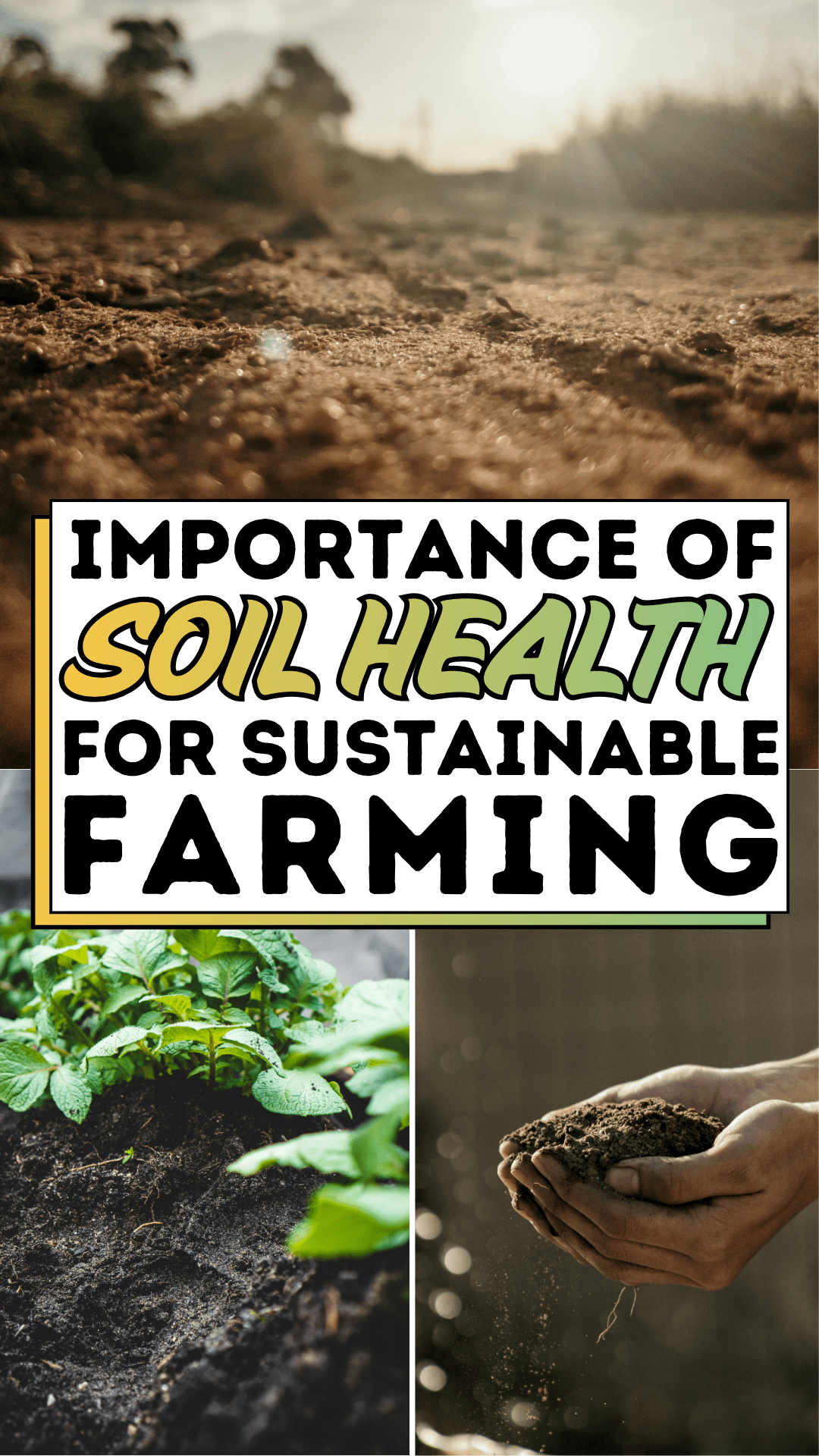
Soil health is not abstract. It is the reddish-brown earth in close-up, its texture, its particle structure, its living biological matrix, and above it, the trees, the vegetation, the sky that all depend on it. Sustainable farming is not possible without healthy soil, and healthy soil does not maintain itself without active, informed stewardship. The good news is that soil health responds to good management faster than most farmers expect. Biological systems, when given the conditions they need, recover with a speed that chemistry alone cannot replicate. Here is the blueprint for understanding and improving soil health across every season of the farming year.
The Soil Health Blueprint

Improving soil health is a sequential, cumulative process; each step builds on the last, and the results compound over seasons rather than appearing in a single growing period. This blueprint applies to home gardens, smallholdings, and commercial growing operations alike, because the biology of soil health operates on the same principles at every scale.
Step 1: Test Before You Treat
No soil health improvement program begins effectively without a baseline understanding of the soil’s current condition. Commission a comprehensive soil test pH, macronutrient levels (nitrogen, phosphorus, potassium), secondary nutrients (calcium, magnesium, sulfur), micronutrient profile, and ideally a biological activity assessment measuring microbial biomass and respiration rates. A standard chemical soil test costs relatively little and prevents the most common soil health mistake: adding what the soil does not need and overlooking what it does.
Test soil in multiple locations across a field or growing area. Soil health is rarely uniform, and a single sample from the most convenient spot produces a result that may not represent the conditions experienced by the majority of the crop. Map the results to understand which areas are most deficient and which are performing well. The map is the foundation of a targeted, efficient soil health intervention rather than a blanket application of amendments that may correct one area while over-treating another.
Step 2: Build Organic Matter Relentlessly
Organic matter is the single most important driver of long-term soil health across every soil type and every climate. It provides the carbon substrate that fuels soil microbial activity, improves water retention in sandy soils, improves drainage in clay soils, chelates micronutrients and makes them plant-available, and contributes directly to the cation exchange capacity that determines the soil’s ability to retain and supply nutrients to plant roots. Every management decision that increases organic matter improves soil health. Every decision that depletes it degrades it.
The most effective strategies for building organic matter are composting crop residues and returning them to the soil rather than removing or burning them, incorporating cover crops as green manures that are terminated and incorporated in advance of the main crop, applying well-rotted farmyard manure or compost at regular intervals, and reducing tillage intensity to preserve the soil aggregates within which organic matter is physically protected from decomposition. Organic matter builds slowly, typically at 0.1 to 0.2% per year under favorable management, but the cumulative effect on soil health over five to ten years of consistent management is transformative.
Step 3: Protect and Stimulate Soil Biology
Healthy soil is not primarily a chemical medium. It is a biological one. A teaspoon of healthy topsoil contains more individual organisms than there are people on Earth: bacteria, fungi, protozoa, nematodes, earthworms, and thousands of other species engaged in the continuous processes of nutrient cycling, disease suppression, aggregate formation, and organic matter decomposition that make soil health possible. Managing soil health means managing this biological community as its primary asset.
The practices that most directly support soil biological health are keeping the soil covered at all times bare soil loses biological diversity rapidly through UV exposure, temperature fluctuation, and moisture loss minimizing the use of broad-spectrum soil biocides including some fungicides and fumigants that damage non-target biological communities, reducing synthetic nitrogen applications that stimulate bacterial biomass at the expense of fungal diversity, and inoculating with specific beneficial organisms mycorrhizal fungi, rhizobium bacteria for legumes, Trichoderma species for disease suppression at strategic points in the crop cycle. Soil biology, when undisturbed and supported, does more for crop productivity than any synthetic input at equivalent cost.
Step 4: Manage pH with Precision
Soil pH is the master variable of soil health, the single measurement that determines the availability of almost every nutrient in the soil profile, the composition of the soil biological community, and the susceptibility of the growing system to specific diseases and pest organisms. Most crops perform optimally in a pH range of 6.0 to 7.0, where nutrient availability is at its broadest and biological activity is at its highest. Soils below pH 5.5 suffer from aluminum and manganese toxicity, reduced microbial activity, and severely limited phosphorus availability. Soils above pH 7.5 lock up iron, manganese, zinc, and boron.
Correct pH management before sowing, applying agricultural lime (calcium carbonate) to raise pH, or acidifying amendments such as elemental sulfur or composted pine bark to lower it, is more effective and less expensive than attempting to correct deficiencies caused by wrong pH during the growing season. Retest pH every two to three years and adjust as needed. In fields with naturally variable pH, precision application guided by detailed soil mapping targets lime where it is genuinely needed rather than applying uniformly to areas where the pH is already correct.
Step 5: Minimize Compaction
Soil compaction is one of the most pervasive and damaging threats to soil health in both agricultural and garden growing systems. Compaction destroys the pore structure through which air and water move, physically prevents root penetration, eliminates the macropore habitat of earthworms and other soil fauna, and creates the anaerobic conditions in which beneficial aerobic organisms cannot survive. Compacted soil loses soil health rapidly and requires significant energy to restore.
Prevent compaction by controlling traffic on growing areas, restricting machinery and foot traffic to defined paths, and avoiding field operations when soil moisture is above field capacity. Use cover crops with deep tap roots, radish, tillage radish, and deep-rooting brassicas to biologically break up compacted layers without the soil inversion damage of deep tillage. Earthworm populations are one of the most reliable indicators of soil health in cultivated soils: healthy, biologically active soil supports five to ten earthworms per square foot. Compacted, biologically depleted soil supports almost none.
Step 6: Diversify Rotations and Cover Crops
A growing system that returns the same crop family to the same soil year after year depletes soil health through the accumulation of crop-specific pathogens, the progressive depletion of the specific nutrients that crop extracts preferentially, and the reduction in soil biological diversity that monoculture root exudate profiles produce. Diverse rotations interrupt disease cycles, access different nutrient pools through root diversity, and feed a broader range of soil organisms through varied organic inputs.
Cover crops between cash crops are one of the highest-return soil health investments available to any farming system. A well-chosen cover crop mixture of legumes for nitrogen fixation, brassicas for compaction relief, grasses for organic matter and erosion protection, and broad-leaved species for biological diversity improves soil health in multiple dimensions simultaneously, at a cost per acre that returns its value in reduced fertilizer, improved drainage, and better subsequent crop establishment in season after season of cumulative benefit.
Expert Secrets for Success
Pro-Tips for Better Results
- Measure soil organic matter as your primary soil health metric. Chemical fertility measurements change with every application and every crop removal. Soil organic matter is the accumulated result of management over years and decades, the most reliable long-term indicator of soil health trajectory. Measure it annually, track the trend, and make management decisions around it. A rising organic matter percentage is a soil health system is working. A declining one requires immediate investigation of the practices driving the loss.
- Apply compost in autumn, not spring. Autumn compost applications allow the biological breakdown of organic matter to progress through winter, making nutrients available to soil organisms and eventually to crops in the early spring growth flush when demand is highest. Spring applications provide nutrients later in the season when soil temperature is rising, but the biological processing window is shorter. Autumn compost also protects bare soil through winter from erosion, compaction, and biological activity loss.
- Use a diverse cover crop mixture rather than a single species. A single-species cover crop feeds a narrow range of soil organisms and provides a limited profile of root exudates and residue chemistry. A mixture of five to eight species from different plant families, including legumes, grasses, and broad-leaved species, creates the root diversity and biological complexity that most closely mimics the soil health conditions under natural vegetation and produces the broadest improvement in soil biology.
- Reduce tillage intensity progressively rather than eliminating it overnight. Moving from conventional tillage to no-till in a single season on a soil with poor structure, compaction problems, or a high weed seed burden frequently produces worse short-term results than a gradual transition. Reduce tillage depth and frequency progressively over three to five seasons while building organic matter and biological activity, and the soil health will develop the structural integrity that supports no-till management before the transition is complete.
- Monitor earthworm populations as a biological soil health audit. Dig a 30cm cube of soil in multiple locations and count the earthworms. More than ten per cube indicates good soil health. Fewer than five indicates biological depletion that requires management intervention. Earthworms are the most accessible, cheapest, and most reliable biological indicator of soil health available to any farmer or gardener without specialist equipment.
Common Mistakes to Avoid
- Treating symptoms rather than causes. A soil that produces nitrogen-deficient crops year after year is not a soil that needs more nitrogen it is a soil whose nitrogen cycle is broken, most likely through low organic matter, inadequate biological activity, or pH that limits nitrification. Adding synthetic nitrogen treats the symptom while the underlying soil health problem continues to degrade. Diagnose the biological and structural cause before reaching for a chemical correction.
- Tilling wet soil. Tillage in wet conditions destroys soil structure at a rate that years of organic matter building cannot rapidly repair. Wet soil smears under tillage equipment rather than fracturing into the aggregate crumbs that support air and water movement. A single tillage pass in wet conditions can cause compaction and structural damage that takes three to five seasons of careful management to reverse. Wait. The soil health cost of wet tillage is always greater than the cost of delayed establishment.
- Applying raw manure to growing crops. Fresh, uncomposted manure carries nitrogen in forms that can burn plant roots, introduces pathogens, including E. coli, that present food safety risks in vegetable-growing systems, and produces nitrogen release patterns mismatched to crop demand. Apply raw manure to bare soil in autumn and allow it to break down through winter before incorporation or planting. Use well-rotted or composted manure for direct application near crops.
- Ignoring soil pH before adding nutrients. Nutrients applied to soil at the wrong pH are partially or entirely unavailable to the crop, regardless of the application rate. Phosphorus applied to soil at pH 5.0 precipitates as aluminum phosphate almost immediately and cannot be accessed by plant roots. Correct pH before applying nutrients, and the efficiency of every subsequent input improves dramatically.
- Confusing soil fertility with soil health. A soil can be chemically fertile, high in soluble nutrients from regular synthetic fertilizer application, and biologically depleted, with low organic matter, poor structure, and minimal microbial diversity. This type of soil produces adequate yields under high-input conditions but is fragile, expensive to maintain, and vulnerable to the productivity collapse that follows any disruption to the input supply. True soil health encompasses biological vitality and physical structure alongside chemical fertility; all three dimensions must be managed together for sustainable productivity.
Why Soil Health Matters
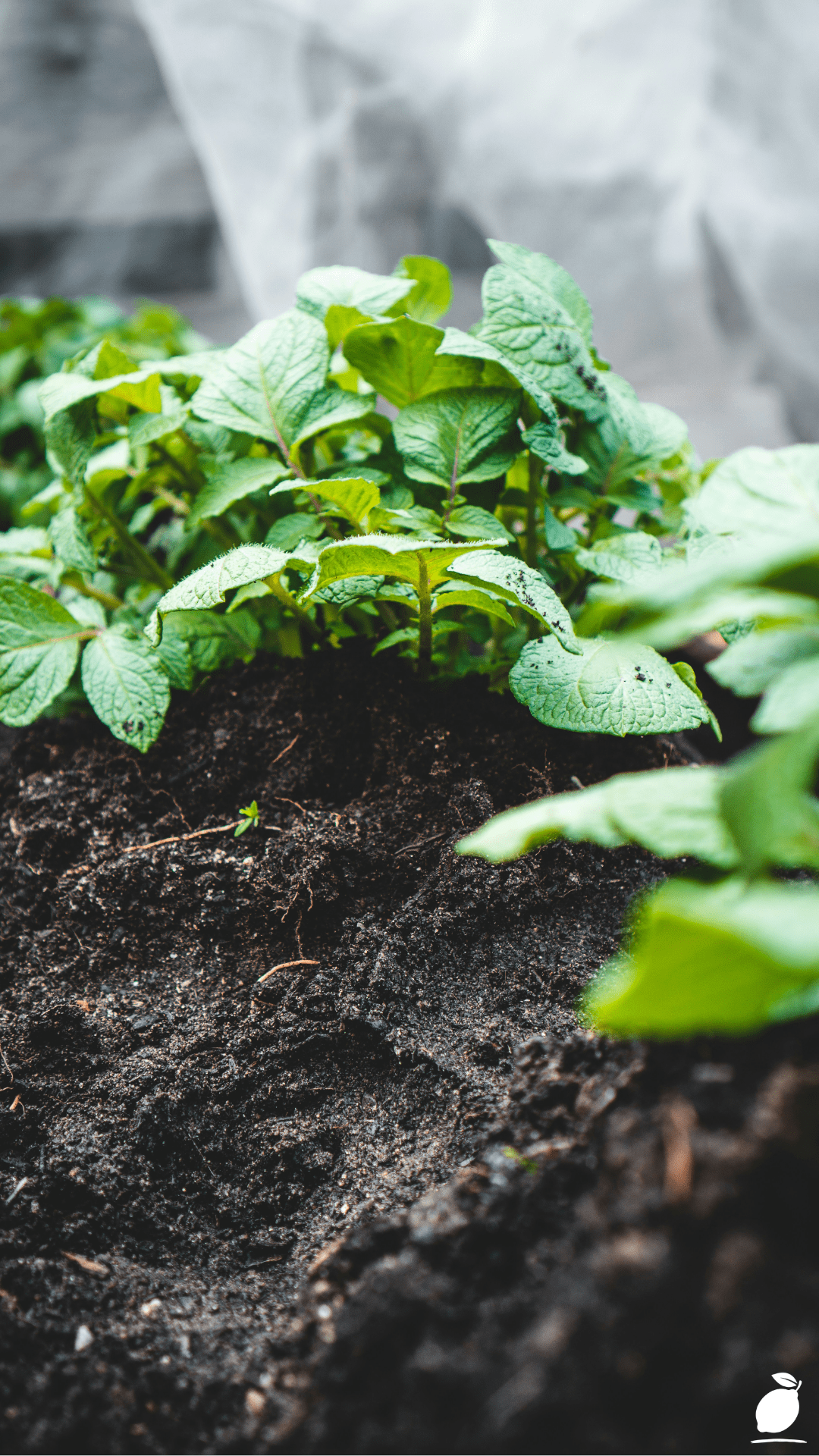
Soil health is the foundation beneath everything that grows, and beneath everything that grows is everything that eats. The connection between soil health and food security is not a scientific abstraction. It is the most direct causal chain in the human food system: degraded soil produces degraded crops, degraded crops produce degraded nutrition, and degraded nutrition produces degraded health outcomes in the populations who eat them. The UN Food and Agriculture Organization estimates that thirty-three percent of the world’s soils are already moderately to highly degraded. The practical implication of that number is felt in declining yields, rising input costs, and the increasing fragility of farming systems that depend on chemistry to compensate for biology that is no longer functioning.
For families who grow their own food even at the scale of a kitchen garden or a set of raised beds, soil health is the difference between a growing system that sustains itself year after year and one that requires increasing intervention to produce diminishing results. A garden built on healthy, living soil gives back without being asked: it retains moisture naturally, suppresses weeds biologically, resists disease through its own microbial community, and produces food with the flavor and nutritional density that comes from genuine biological complexity in the root zone. Tending soil health in the home garden is not idealistic. It is the most practical, most cost-effective, and most sustainable growing strategy available.
And at the deepest level, caring for soil health is caring for something that outlasts any individual growing season, something that, managed well, improves continuously and can be passed on in better condition than it was received. There is a particular quality of satisfaction in the knowledge that the soil you are working today is richer, more biologically active, and more productive than it was when you started. That is not just good farming. It is an act of genuine stewardship of the land, of the people who will grow from it next, and of the living system that makes all of it possible.
Frequently Asked Questions
How do I know if my soil health is improving?
The most accessible indicators of improving soil health are increasing earthworm populations, improved soil structure visible when digging crumbly aggregate rather than compacted clods, faster drainage after heavy rain, and progressive reduction in the synthetic inputs required to achieve comparable yields. Annual soil organic matter testing provides the most quantitative measure of long-term soil health trajectory. A consistent upward trend in soil organic matter percentage, even of 0.1% per year, indicates a system moving in the right direction.
How long does it take to restore degraded soil health?
Soil health restoration timelines depend on the degree of degradation and the intensity of the restoration management applied. Biologically depleted but physically intact soil can show measurable improvement in microbial activity and earthworm populations within one to two growing seasons of appropriate cover cropping and organic matter addition. Physical restoration of compacted or structurally degraded soil takes longer, three to five seasons of reduced tillage, cover cropping, and organic matter building, because physical soil structure develops more slowly than biological recovery. Chemical fertility can be corrected in a single season; biological and physical soil health takes years of consistent management.
Is it possible to improve soil health without reducing yield during the transition?
Yes, though the transition period from high-input conventional management to a soil health-focused system may involve some yield adjustment in the short term as the system recalibrates. The most successful transitions maintain yield by compensating for reduced synthetic inputs with targeted organic amendments, precise soil testing to identify genuine deficiencies, and cover crop nitrogen to reduce synthetic nitrogen dependency progressively. Farms and gardens that commit to soil health improvement over a five-to-ten-year horizon consistently report reduced input costs, maintained or improved yields, and significantly greater system resilience to drought, flood, and pest pressure.
What is the single most impactful thing I can do to improve soil health immediately?
Stop leaving soil bare. Bare soil loses biological diversity, organic matter, and physical structure faster than any management intervention can rebuild them. Sow a cover crop on any bare ground within the growing system, even a simple winter cover of rye or vetch, and the soil biology beneath it will begin recovering within weeks. Keep the soil covered at all times: with growing plants, with mulch, with crop residues, or with cover crops. This single practice, applied consistently, does more for long-term soil health than any other single management change at equivalent cost.