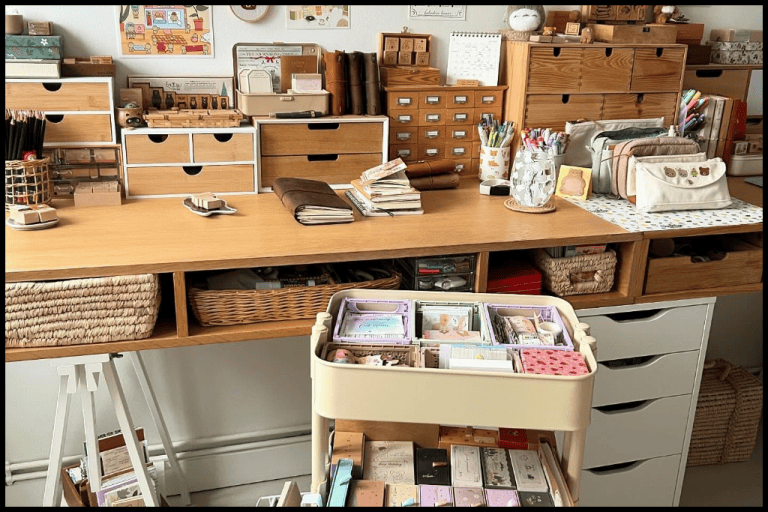
It’s 7 a.m. on a Tuesday, and you can’t find your keys. Again. The kitchen counter is buried under unopened mail, the living room has three half-finished projects competing for floor space, and your wardrobe is so packed you still somehow feel like you have “nothing to wear.” You scroll your phone for five minutes looking for a productivity hack, get distracted by a home décor reel, and suddenly you’re late. Sound familiar? For millions of people, this isn’t a bad morning; it’s just a morning. The clutter isn’t always visible. Sometimes it lives in your schedule, your browser tabs, your obligations, and your thoughts. It accumulates quietly until the weight of it becomes impossible to ignore.
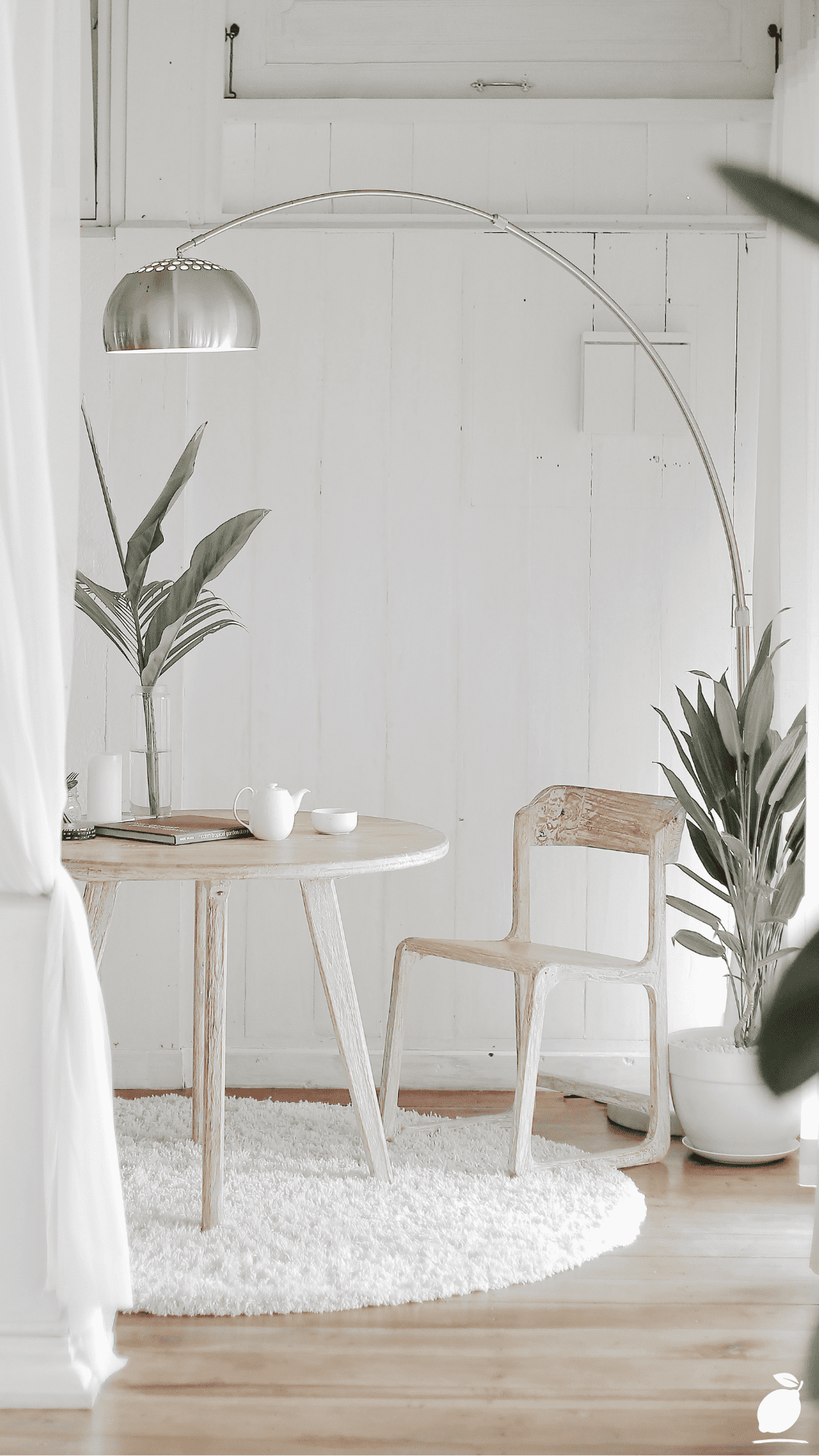
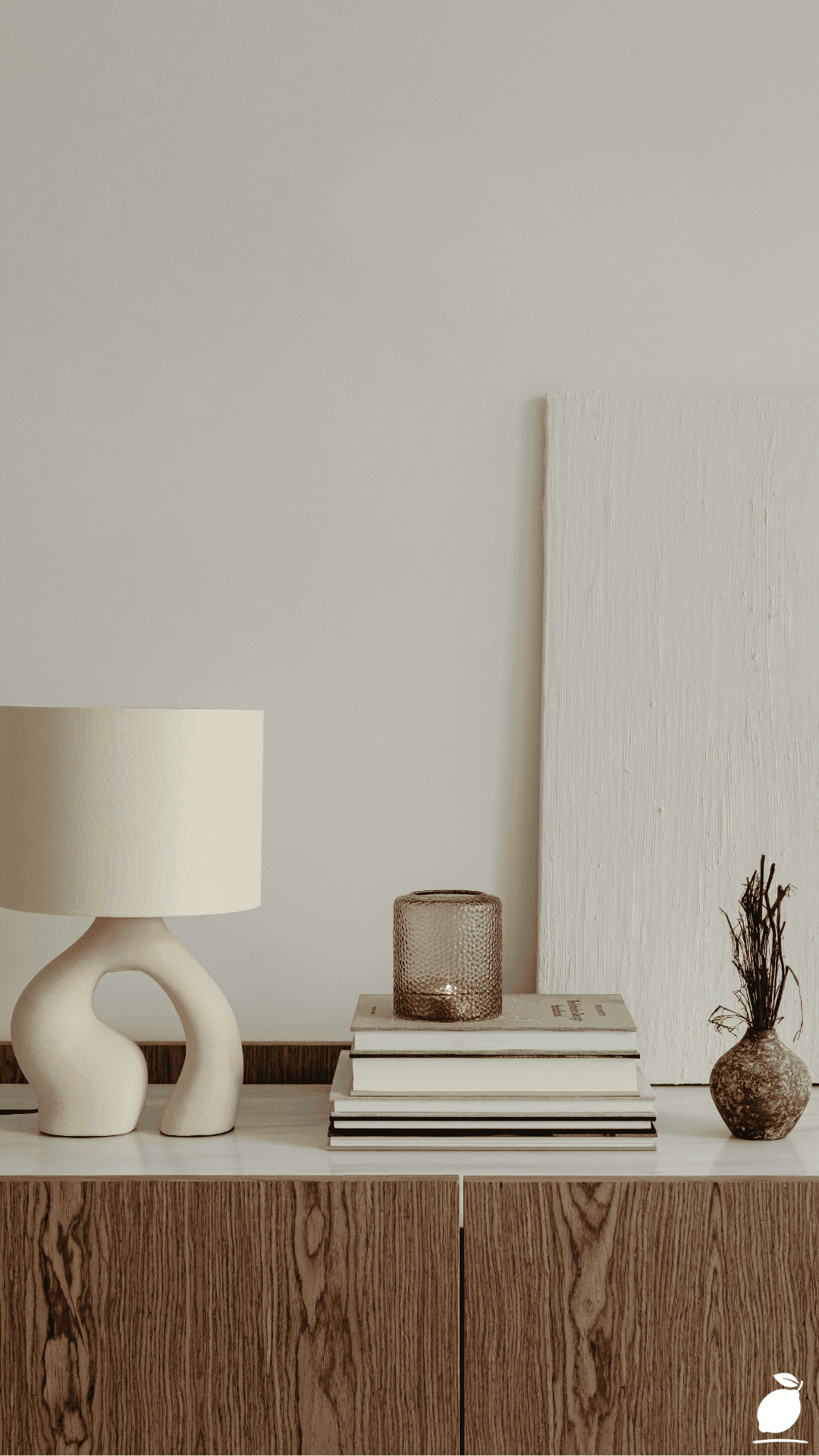
The irony is that most of us already know, somewhere deep down, that less would feel like more. We’ve all had that moment walking into a hotel room, a freshly cleaned space, or a friend’s carefully curated living room and exhaling in a way we didn’t know we needed to. That’s not an accident. That’s what minimalism actually feels like: a lamp with clean lines resting on a warm wooden surface, a small stack of books that were chosen rather than accumulated, a single candle casting steady light. Nothing is competing for attention. Nothing is demanding anything from you. Just intentional calm.
The good news is that minimalism isn’t a personality type or an aesthetic reserved for design magazines. It’s a practice, and like any practice, it starts with a decision and a few concrete steps. Whether your goal is a tidier home, a lighter schedule, or genuine mental clarity, these ways to simplify your life and embrace minimalism will meet you exactly where you are and walk you all the way to where you want to be.
The Minimalism Blueprint
Step 1: Define What “Enough” Looks Like for You
Before you touch a single drawer or delete a single app, minimalism asks one foundational question: What do you actually want your life to feel like? Skipping this step is why most decluttering efforts fail; people remove things randomly and then refill the space within weeks. Sit with a notebook and write down three words that describe how you want your home, your schedule, and your mind to feel. Calm. Clear. Purposeful. Those words become your filter for every decision that follows. Minimalism without intention is just emptiness; minimalism with intention is freedom.
Step 2: Start With One Room — and Finish It
The most common mistake people make when first embracing minimalism is trying to overhaul everything at once. Instead, choose one room, ideally a space you use daily, like a bedroom or home office, and commit to completing it before moving on. This single-room approach builds momentum, teaches you your own decluttering rhythm, and gives you a finished space to return to when the process feels overwhelming. As you work through the room, handle every item once: keep it, donate it, or let it go. No “maybe” boxes. Maybe boxes become clutter storage.
Step 3: Apply the One-In, One-Out Rule Immediately
Once a space is simplified, protect it. The one-in, one-out rule means that every time something new enters your home, a purchase, a gift, a free item, something else leaves. This single habit prevents the slow re-accumulation that undoes months of effort. It also changes how you shop. When you know that buying a new throw pillow means an old one has to go, impulse purchases start to feel less urgent. Minimalism isn’t about deprivation; it’s about being deliberate with what earns space in your life.
Step 4: Digitally Declutter Your Life
Minimalism extends far beyond physical possessions, and a digital declutter is one of the most impactful places to practice it. A cluttered inbox, a phone with 200 apps, a desktop buried in unlabeled folders, these create the same low-level cognitive drain as a messy room. Schedule a two-hour digital declutter session: unsubscribe from email lists that no longer serve you, delete apps you haven’t opened in 30 days, organize your files into a clean folder structure, and turn off non-essential notifications. The silence that follows is immediately noticeable. Your phone becomes a tool again instead of a source of constant ambient noise.
Step 5: Simplify Your Schedule
Physical space is only half the equation. Many people clear their homes and still feel overwhelmed because their calendars are overcommitted. Audit your weekly schedule the same way you audit your belongings: identify what’s truly essential, what brings genuine value, and what you’re doing out of habit or obligation alone. Minimalism applied to your time looks like protected mornings, fewer yes’s, and more breathing room between commitments, and it’s every bit as transformative as minimalism applied to your home. Guard your calendar with the same intentionality you give your living space.
Step 6: Create Intentional Spaces That Stay Simple
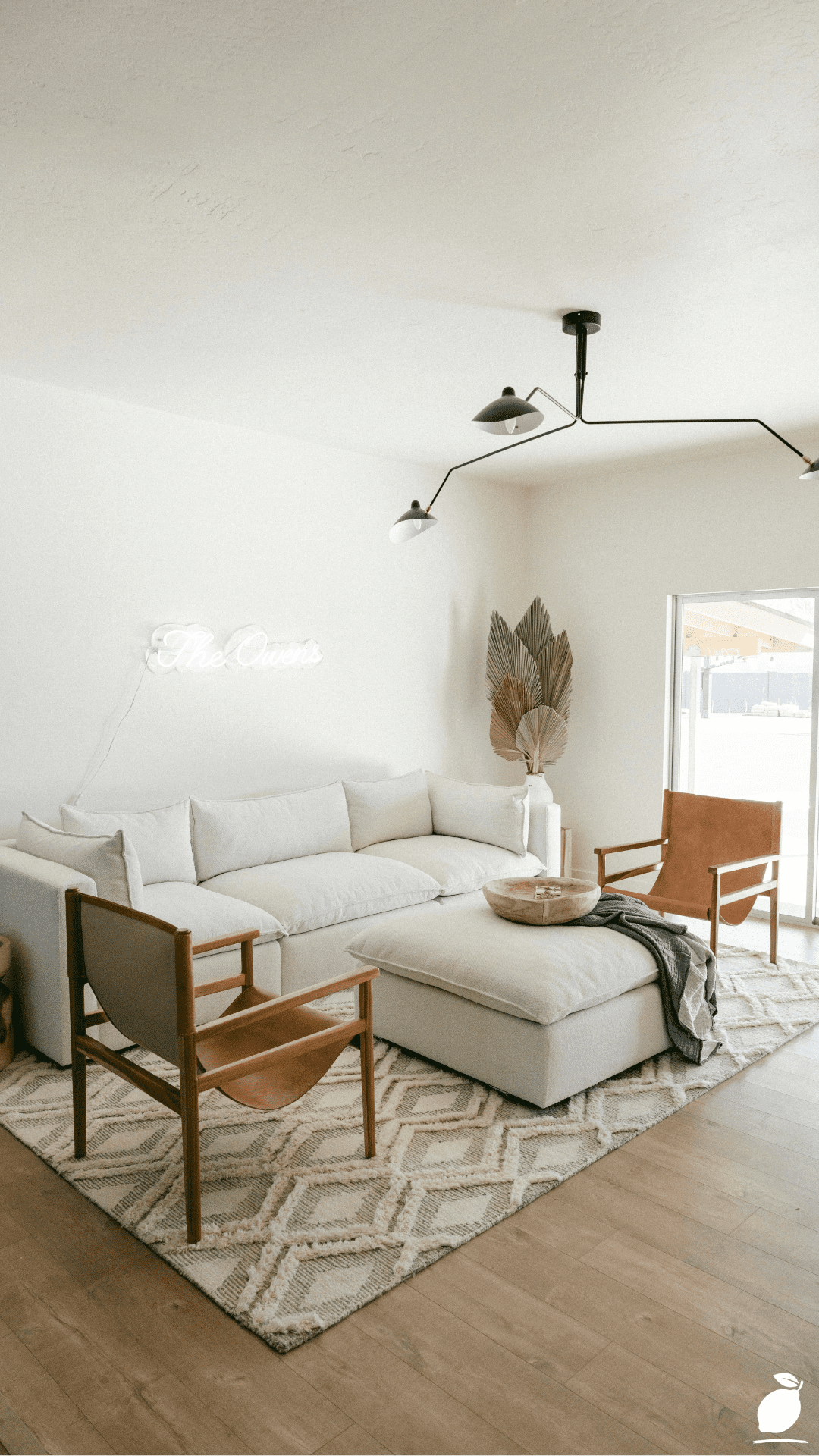
Once you’ve decluttered, design your spaces to maintain themselves. This means giving every object a designated home, keeping surfaces nearly clear by default, and choosing a few meaningful items, such as a ceramic vase, a stack of books you love, and a candle you actually light over many decorative objects that gather dust. Intentional spaces don’t require constant maintenance because they were designed with a purpose from the start. They also serve as a daily visual reminder of the slower, calmer life you’re building.
Step 7: Build Minimalist Habits for the Long Term
Minimalism isn’t a one-time project; it’s a lifestyle shift maintained through small, consistent habits. A five-minute evening reset where you return things to their homes. A monthly review where you ask whether your possessions and commitments still align with your values. A weekly ten-minute “one bag out” session where you fill a single bag for donation. These micro-habits compound quietly over months until maintaining a simplified life requires almost no effort at all. That is the real promise of minimalism: not a perfect home, but a sustainable, lasting peace.
Expert Secrets for Success
Pro-Tips for a Better Result
- Photograph before you start. Taking a photo of cluttered spaces before decluttering gives you a measurable “before” that makes progress visible and keeps motivation alive when the process feels slow.
- Sort by category, not by room. When tackling clothing or books, gather every item of that category from across the entire home before sorting. Seeing 47 mugs in one pile is far more motivating to reduce than finding 8 mugs spread across four cupboards.
- Use the “six-month rule” for sentimental items. If you haven’t touched, worn, or used something in six months and the only reason to keep it is guilt, it’s ready to go. Sentimentality is valid, but it shouldn’t be the default reason everything stays.
- Donate immediately. Don’t let donation bags sit in your car or garage for weeks. Schedule a drop-off the same day you fill the bag. Items that linger in a “going out” pile have a way of finding their way back inside.
- Start with the easiest spaces first. Build confidence by tackling a junk drawer or bathroom cabinet before approaching emotionally loaded areas like a childhood bedroom or a deceased loved one’s belongings. Early wins create real momentum.
Common Mistakes to Avoid
- Organizing clutter instead of removing it. Buying more storage solutions to contain too much stuff is the opposite of minimalism. If you need another bin, the answer is probably fewer things, not a better bin.
- Decluttering for aesthetics alone. Minimalism driven purely by how a space looks rather than how it feels will always be fragile. True minimalism is rooted in function and peace, not a curated Instagram feed.
- Comparing your progress to others. Minimalism looks different for a family of five than it does for a single person in a studio apartment. The benchmark is your own clarity and calm, not someone else’s empty shelves.
- Rushing the emotional items. Moving too fast through sentimental belongings leads to regret and can cause people to abandon the entire process. Give yourself permission to slow down for meaningful items and revisit them when you’re ready.
- Neglecting maintenance after the initial purge. Decluttering once without building habits to prevent re-accumulation means you’ll be back in the same place within a year. The habits are the practice, not a one-time event.
Why Minimalism Matters
There is a quietness that settles over a simplified space and over the person who lives in it. Research in environmental psychology consistently links cluttered environments to elevated stress hormones, reduced focus, and poorer sleep quality. The visual noise of too many objects keeps the brain in a low-level state of processing, scanning, and categorizing even when you’re trying to rest. Minimalism isn’t just an aesthetic choice. It’s a direct intervention in your nervous system.
For families, the benefits multiply. Children in less cluttered homes show improved concentration and more creative play, because open space invites imagination in ways that overstimulating environments simply don’t. When parents model intentionality, choosing quality over quantity, experiences over possessions, presence over productivity, those values pass naturally to the next generation. A simple home becomes a teaching environment without a single lesson being formally delivered.
Easy Peasy Life Matters believes that a calm home is the foundation for a calm life. When the spaces around you stop demanding your attention, something remarkable happens: you get it back. The mental bandwidth that was quietly consumed by visual clutter, an overfull schedule, and digital noise becomes available again for creativity, for connection, for genuine rest. Minimalism doesn’t take things away from your life. It gives your life back to you.
Frequently Asked Questions
Does minimalism mean getting rid of everything I love?
Not at all. Minimalism is about keeping what genuinely adds value to your life and releasing what doesn’t. The goal is never emptiness; it’s intentionality. A home that reflects minimalism can still have art on the walls, books on shelves, and meaningful objects on display. The difference is that every item was chosen, not simply accumulated.
How do I get my family on board with minimalism?
Start with your own spaces, your wardrobe, your desk, your side of the bedroom, before attempting shared areas. Let the results speak for themselves. When family members notice that your spaces feel calmer and that you seem less stressed, curiosity about minimalism tends to follow naturally. Avoid framing minimalism as a rule or a deprivation; frame it as a shared experiment in living with more ease.
What if I declutter and then miss something I gave away?
This is less common than most people fear, and it becomes rarer the longer you practice minimalism. For items you’re genuinely uncertain about, try the “box test”: place them in a sealed box with a date three months out. If you don’t open the box to retrieve anything before the date arrives, donate the box without opening it. Most people find they never once thought about what was inside.
How do I maintain a minimalist home with young children?
Focus on systems rather than perfection. Fewer toys with accessible, designated storage actually lead to tidier rooms than overflowing toy boxes, because children can participate in their own cleanup routines. Rotate toys seasonally to keep things fresh without adding more. Choose open-ended toys (blocks, art supplies, building sets) over single-purpose items that are used once and forgotten.
Is minimalism only for people with large, expensive homes?
Minimalism is arguably most powerful in small spaces. When square footage is limited, every object matters more, and intentional editing becomes a practical necessity. Some of the most beautifully minimalist homes in the world are compact apartments where every item earns its place. Space doesn’t create a minimalism mindset, but it does.