For two full years, the wall above our sofa was a decision I hadn’t made yet. We’d arranged the living room furniture deliberately, the sofa positioned perfectly against the longest wall, the coffee table centered, the rug anchoring everything. But above the couch? Nothing. Just a large, pale, slightly accusing rectangle of blank wall that made the whole room feel like a waiting room where someone had put a nice sofa. I tried a single framed print at one point, but it looked like a postage stamp on a billboard. I tried a string of lights, which looked festive for about a week and then looked like I hadn’t taken down the Christmas decorations. Every time I sat on that sofa, I was aware, in that low-frequency way you learn to tune out, that the most prominent visual surface in the room was completely unresolved.
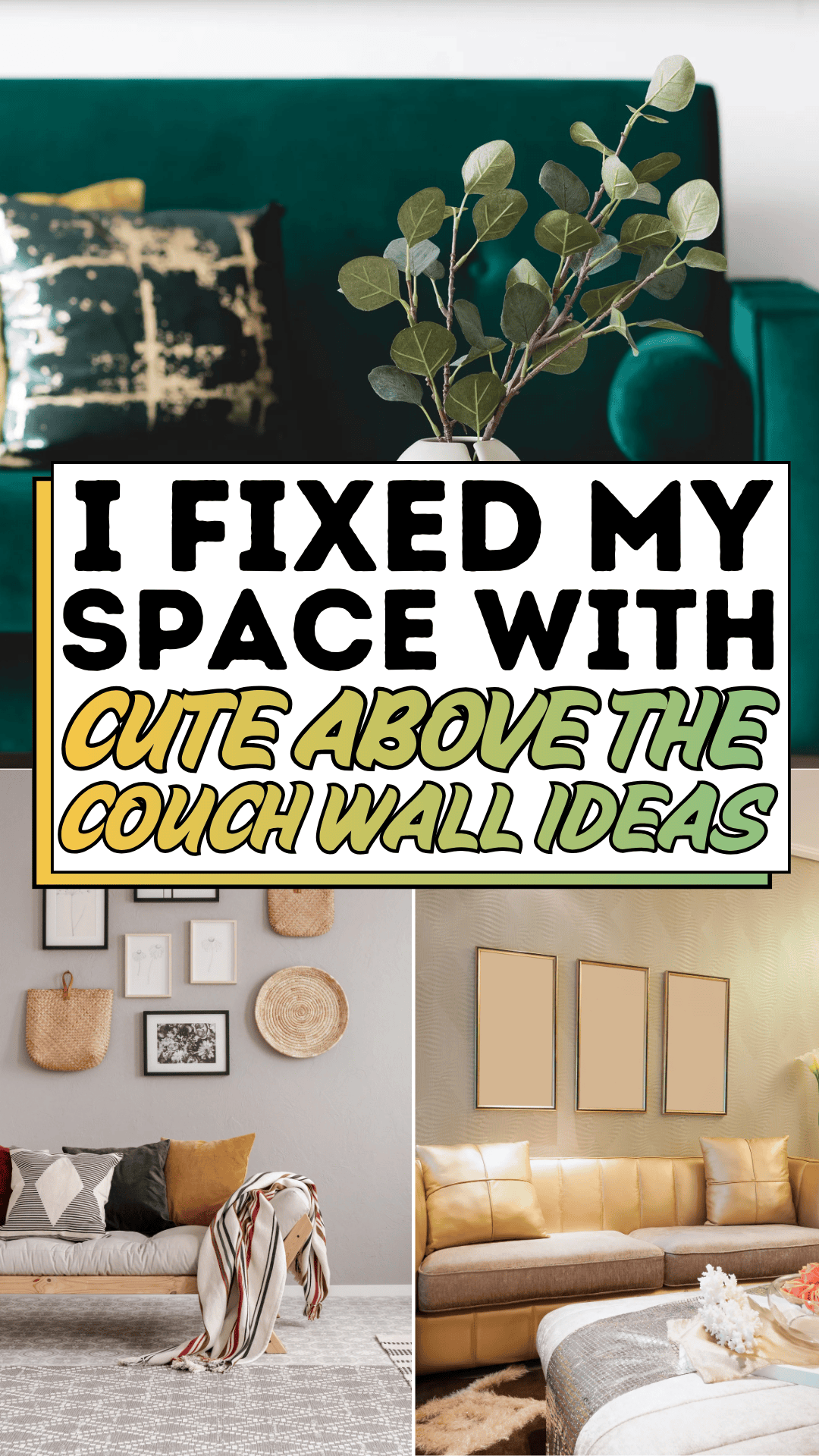
What I didn’t understand, and what changed everything once I did, was that the wall above the couch isn’t just a decoration problem. It’s a proportion problem, a color problem, and a composition problem that all need to be solved together, or none of them get solved at all. The reason a single small frame looked wrong above the couch wasn’t that the art was bad. It was that nothing on a small scale can hold the visual weight of a sofa below it. The space above the couch demands scale, presence, and intentionality in exact proportion to the sofa’s dominance in the room. Once I understood that, the solution became almost obvious: go bold, go geometric, go with color that earns its place on the wall rather than quietly apologizing for being there.
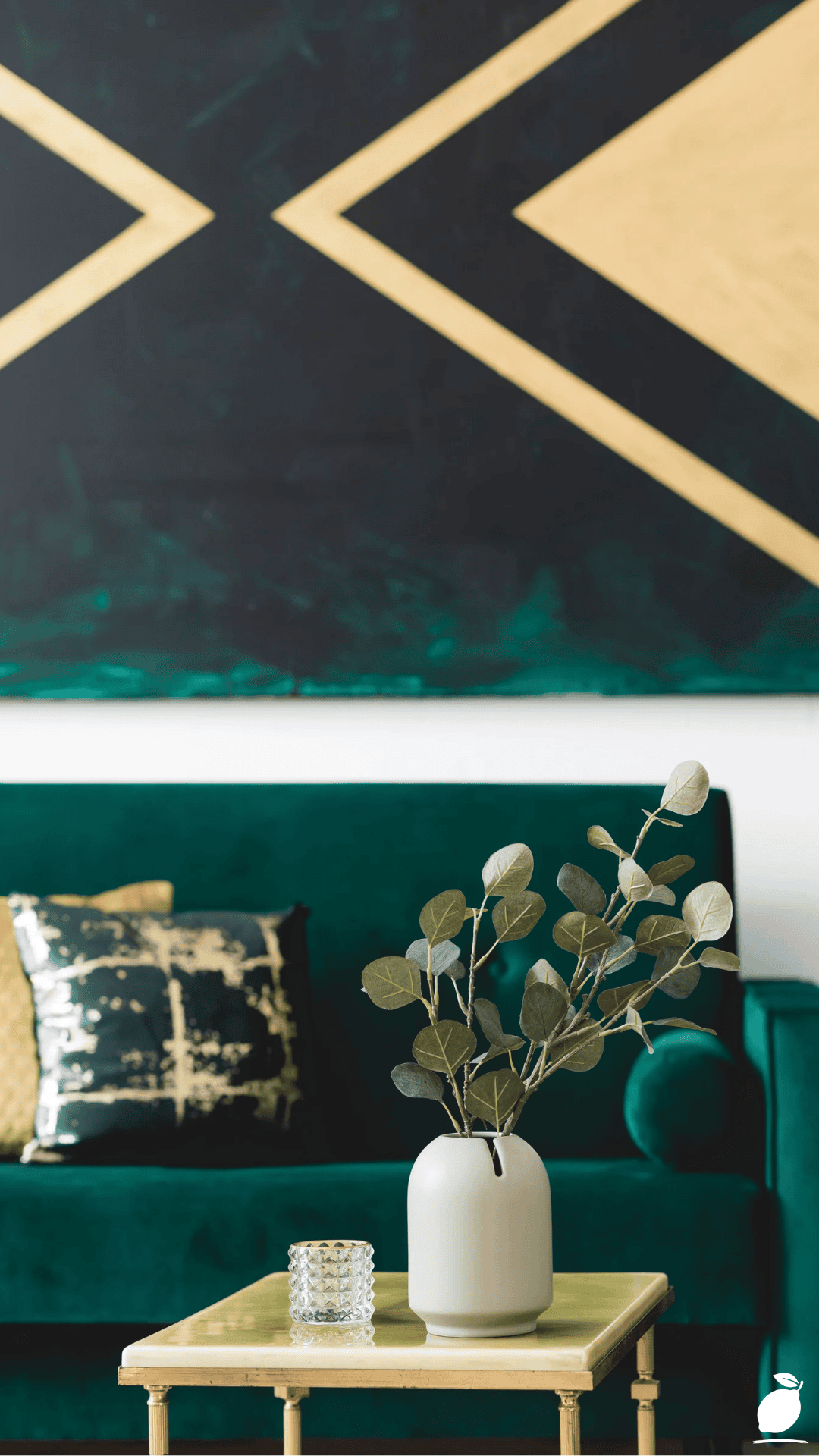
The wall I built, painted deep teal with oversized geometric gold triangles painted directly onto the surface, a deep emerald velvet sofa below it, gold accent pillows completing the palette, is now the room that every visitor photographs. The above-the-couch solution I was circling for two years turned out to be simpler, more dramatic, and more personal than any gallery wall or mass-produced art collection I’d considered. This post walks through every above-the-couch decision I made, in the exact order that made the project work, so you can take your own blank wall from frustrating to finished with a clear plan and genuine confidence. Let’s get into it.
The Above the Couch Blueprint
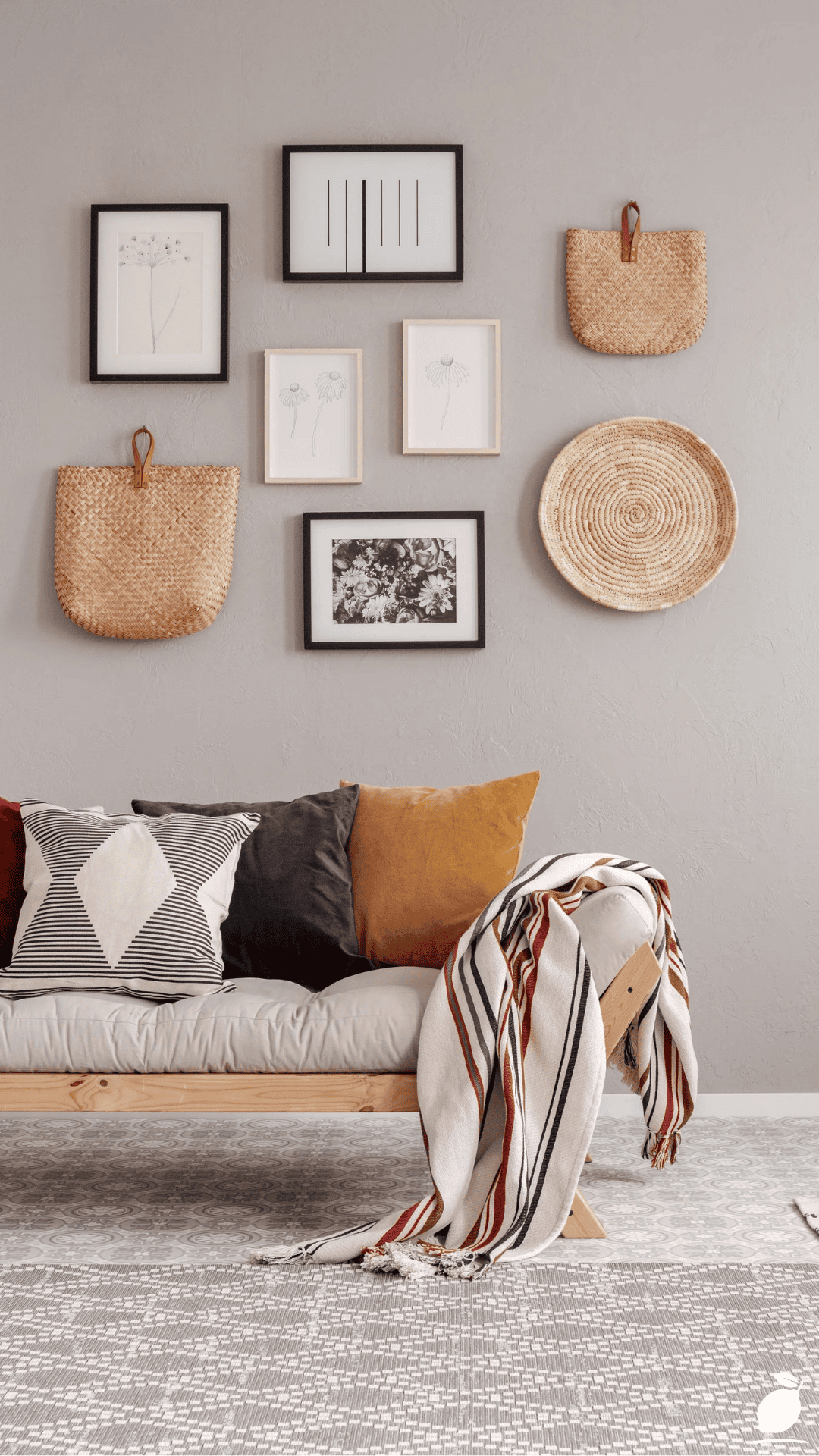
Solving the above couch wall successfully is a sequential process; each decision depends on the one before it. Work through these steps in order, and you’ll produce an above-the-couch result that feels deliberately designed rather than tentatively assembled.
Step 1: Measure and Map Your Above-the-Couch Space
Before making any aesthetic decision about the above couch area, get precise about the dimensions you’re working with. Measure the width of your sofa and the height from the top of the sofa’s back to the ceiling. The above-the-couch treatment should span approximately two-thirds to three-quarters of the sofa’s width, narrow enough to leave breathing room on both sides, wide enough to visually anchor to the sofa below. For height, the bottom of any artwork, shelf, or painted treatment above the couch should sit 6 to 8 inches above the top of the sofa back; any lower feels crowded; any higher creates a gap that disconnects the above-the-couch element from the furniture below it. Write these measurements down before purchasing, painting, or hanging anything; they are the spatial parameters within which every above-the-couch idea must operate.
Step 2: Choose Your Above-the-Couch Design Approach
Above-the-couch solutions fall into four main categories, and the right choice depends on your wall dimensions, your room’s existing color palette, and how much visual drama you want the above-the-couch area to generate:
- Painted geometric treatment the most design-forward of all the couch ideas, and the most impactful per dollar. Using painter’s tape to create large geometric shapes, triangles, diamonds, chevrons, or abstract angular forms in an accent color directly on the wall turns the area above the couch into the room’s most distinctive architectural feature. Metallic paint (gold, brass, copper) on a deep background color is the most striking version of this above-the-couch approach.
- The gallery wall is the most popular above-the-couch treatment and the most frequently executed badly. A successful above-the-couch gallery wall requires frames of varied sizes in a consistent finish, art in a cohesive palette, and a composition mapped on the floor before a single hole is drilled. When done correctly, it creates warmth, personality, and layered visual interest above the couch.
- Single oversized statement piece, one large artwork or mirror spanning at least half the sofa’s width, hung centered above the couch at the correct height. This above-the-couch solution is the cleanest and most architecturally elegant option for minimalist and contemporary rooms.
- Floating shelf with curated objects, a shelf installed above the couch at the correct height, styled with a considered combination of art, plants, candles, and books. This above-the-couch approach works especially well in rooms where storage is limited or where a three-dimensional display adds interest that flat wall art cannot.
Step 3: Choose the Above the Couch Color Strategy
The color of your above-the-couch treatment, whether painted, framed, or sculptural, must be chosen in deliberate relationship to the sofa below it. An above-the-couch treatment in the same tone as the sofa creates a seamless, immersive effect: the sofa and wall read as a single composed unit rather than independent elements sharing the same space. A complementary contrast like a deep teal wall behind an emerald green sofa, unified by gold metallic accents, creates tension and visual energy that makes the area above the couch feel genuinely dramatic. The one color relationship to avoid above the couch is complete neutrality: a beige wall above a beige sofa produces a room that feels uniformly flat rather than composed. Make a deliberate color decision for the wall above the couch, even if that decision is a precisely chosen white against a deeply saturated sofa.
Step 4: Execute the Geometric Painted Treatment Above the Couch
If you’ve chosen the painted geometric approach for above the couch, which produces the most dramatic result for the lowest material cost, the execution follows a clear sequence. First, paint the base wall color (deep teal, navy, forest green, or charcoal) on the entire surface above the couch wall and allow it to dry completely for a minimum of 24 hours. Then, using a laser level and pencil, lightly mark the geometric lines of your chosen pattern on the wall. Apply painter’s tape along the outer edge of each geometric shape, pressing the tape edge firmly to prevent paint bleed. Apply two coats of your metallic accent color (gold, copper, or brass) within the taped areas, working from the tape edge inward. Remove the tape while the second coat is still slightly tacky; pulling the tape at a 45-degree angle away from the painted shape produces the cleanest edge. The above-the-couch result is a wall treatment that looks like a professional installation and costs less than a single piece of commercial wall art.
Step 5: Style the Surface Below to Complete the Above the Couch Composition
The above-the-couch wall treatment does not function in isolation; it is always seen in relationship to the sofa, the side table, and the objects immediately below it. To complete the above couch composition, the sofa’s cushions and throw pillows must speak the color language of the wall treatment: in this case, gold and black patterned pillows and a solid gold cushion bridge the metallic above the couch wall treatment to the emerald sofa below it. The side table beside the sofa extends the palette horizontally: light wooden table with gold-toned legs, white ceramic vase with eucalyptus, crystal votive, each element chosen to expand the composition above the couch outward from its central axis without competing with the wall for attention. The wall above the couch is always the lead. Everything below and beside it is the ensemble.
Expert Secrets for Success
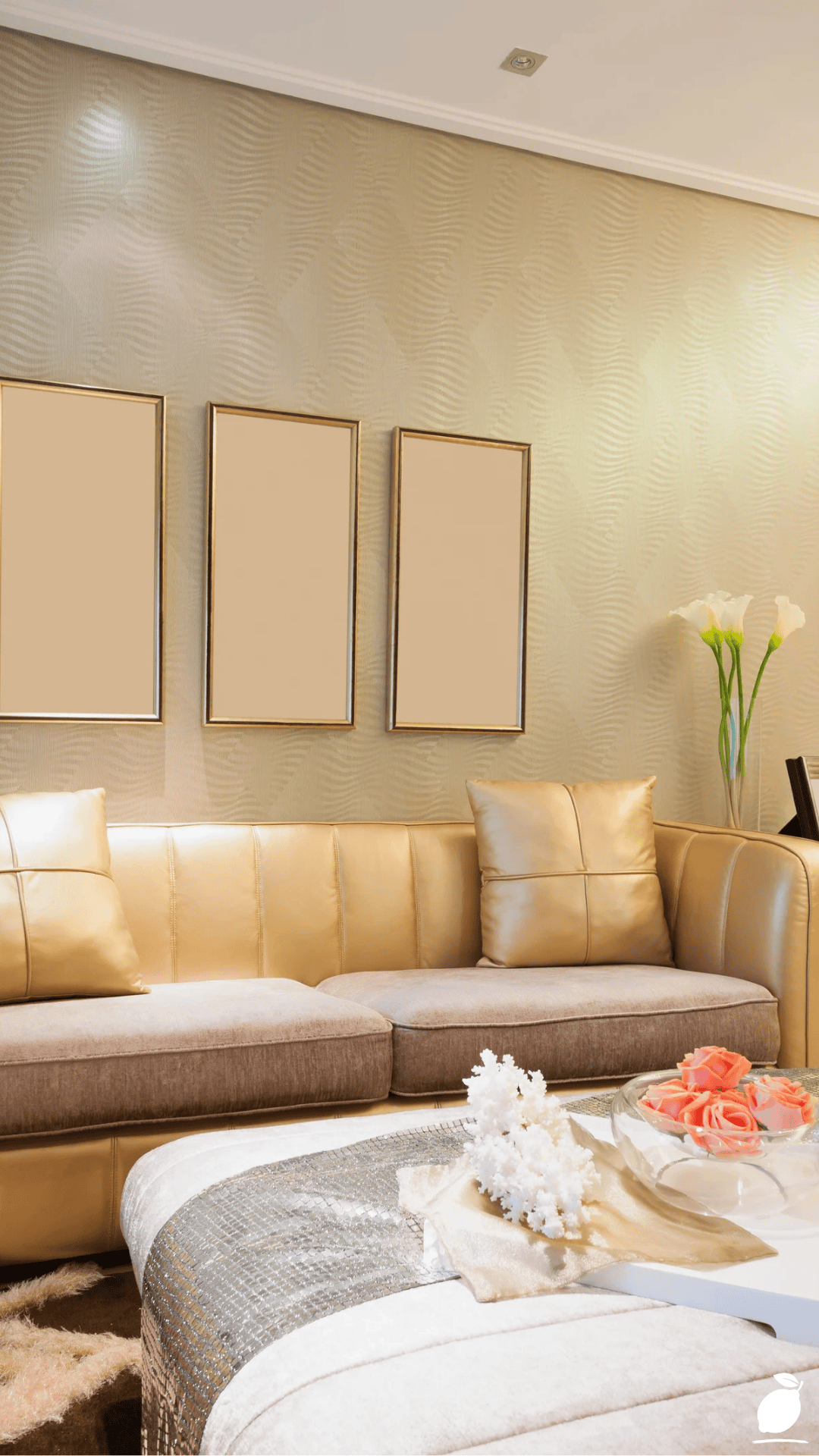
Pro-Tips for a Better Result
- Use a laser level for any geometric treatment above the couch, painted treatment. Freehand geometric shapes above the couch inevitably drift; even experienced painters produce lines that appear straight in isolation and clearly crooked when viewed across the full width of a wall. A laser level projects a perfectly horizontal or angled reference line at any angle you set, allowing you to mark your geometric shapes with absolute precision. Renting or purchasing a basic laser level for an above-the-couch geometric project is a $20 to $40 investment that is the difference between a professional result and one that requires repainting.
- Choose metallic paint in a flat or eggshell sheen for above-the-couch treatments. High-gloss metallic paint above the couch picks up every light source in the room and creates unpredictable glare that changes the appearance of the geometric shapes depending on where you’re standing. Flat or eggshell metallic sheen diffuses the reflectivity, producing a rich, dimensional gold effect that reads consistently from every angle and in every lighting condition, including evening lamplight, which is when the wall above the couch is seen most often.
- Pull the couch pillow colors directly from the wall treatment palette. The single most cohesive above-the-couch result comes from using the same colors in the sofa’s decorative cushions as appear in the above-the-couch wall treatment. If the wall above the couch features gold triangles on teal, the sofa should have a gold cushion and a teal or black accent pillow. This color repetition between the wall above the couch and the furniture below it creates the visual continuity that makes a room feel deliberately designed from every vantage point.
- Add eucalyptus or dried botanicals at side table height to complete the vignette above the couch. A white ceramic vase with fresh eucalyptus branches placed on the side table adjacent to the sofa introduces organic texture and a botanical color note that softens the geometric precision of the wall above the couch. The silvery-green of eucalyptus is particularly harmonious with teal and gold above-the-couch palettes; it bridges the warm metallic and cool deep green tones without introducing a competing color. Dried pampas, olive branches, and cotton stems achieve a similar softening effect for above-the-couch vignettes in warmer or earthier palettes.
- Test your above-the-couch wall color in the evening before committing. Deep, saturated wall colors, teal, navy, forest green, and charcoal, look dramatically different under artificial evening lighting than they do in daytime natural light. Before painting the full wall above the couch in a dark or saturated tone, apply a large sample swatch (at least 18″ x 18″) and observe it over two evenings under your room’s actual lamp and overhead light conditions. The wall above the couch will be seen predominantly in evening light during the hours you spend on the sofa. Make sure the color performs the way you need it to in those exact conditions.
Common Mistakes to Avoid
- Hanging above the couch art too high. The single most common above-the-couch error is positioning artwork, mirrors, or shelves too far above the sofa back, creating a visual gap that disconnects the above-the-couch element from the furniture below it. The bottom edge of any above-the-couch treatment should sit 6 to 8 inches above the sofa’s back no more. When the above couch element is too high, it reads as a separate wall decoration rather than as a composed relationship between furniture and art.
- Using an above-the-couch piece that’s too narrow for the sofa’s width. An artwork or mirror that spans less than half the sofa’s width looks undersized and accidental above the couch, like it arrived in the wrong room and stayed out of confusion. For a visually resolved above-the-couch composition, the horizontal span of the treatment (whether a single large piece, a gallery wall arrangement, or a painted area) should be a minimum of two-thirds the sofa’s width. This proportion creates the visual anchoring that makes the above-the-couch area feel intentional and complete.
- Choosing an above-the-couch gallery wall without planning the composition first. The above-the-couch gallery wall is the most frequently abandoned DIY project in home decorating because most people start drilling before they’ve mapped the composition. The correct process for an above-the-couch gallery wall is to lay all frames on the floor in the intended arrangement, photograph the layout, trace the frames onto kraft paper, tape the paper templates to the wall, then drill through the template centers. The above-the-couch planning process takes twenty minutes and prevents the Swiss-cheese wall that results from drilling by intuition.
- Ignoring the above, the couch wall’s relationship to the room’s other walls. An above-the-couch treatment in a dramatically different color or material from every other wall in the room can feel jarring and spatially isolated rather than intentional. For an above-the-couch painted treatment in a deep color, ensure the color has at least one echo elsewhere in the room in a rug, a cushion, or a curtain panel so it reads as part of the room’s overall palette rather than an isolated experiment.
- Using temporary solutions above the couch that never get replaced. A single piece of washi tape art, a calendar printed at home, or a string of fairy lights positioned above the couch as a placeholder while you “figure out what to do” is the above-the-couch equivalent of a folding table standing in for a dining room table; it communicates incompleteness rather than intention. If you’re not ready to commit to a permanent above-the-couch solution, choose a high-quality temporary solution: a large leaning canvas or a removable wallpaper panel above the couch signals consideration even before the permanent solution is in place.
Why Above the Couch Matters
The wall above the couch is the most-seen surface in most living rooms, not because it’s the largest or the most architecturally prominent, but because it is what you look at while you’re doing everything else. Conversations happen on the sofa, looking up and across at the wall above the couch on the opposite side. Films are watched from the sofa, with peripheral awareness of the wall above the couch in the near-field vision. Children fall asleep on the sofa looking at the wall above the couch without consciously registering it. It is the visual background of a household’s shared life in a way that few other surfaces are, which means the quality of what happens above the couch shapes, subliminally but consistently, the quality of every experience the room contains.
A blank above the couch wall communicates incompleteness, and incompleteness, registered daily, produces a subtle but persistent drain on the sense of ease and comfort that a well-designed home is supposed to provide. Solving the above couch problem isn’t about aesthetics for its own sake. It’s about completing the visual grammar of the room’s most important space so that every evening spent on the sofa, every family conversation, every quiet hour with a book or a screen, happens inside a space that feels finished and intentional and worthy of the life being lived in it. That completes the feeling of a room that has been thought about and cared for, which is not a luxury. It is the everyday quality of home that makes everything else in the house feel more possible.
Frequently Asked Questions
How high above the couch should wall art be hung?
The bottom edge of any artwork, mirror, or wall treatment above the couch should sit 6 to 8 inches above the top of the sofa’s back. This spacing is close enough to visually connect the above-the-couch element to the furniture below, creating a composed relationship rather than a gap. If you’re installing a floating shelf above the couch, the same 6-to 8-inch rule applies to the underside of the shelf. Anything higher than 10 inches above the sofa back begins to read as disconnected from the furniture and as an isolated wall decoration rather than an intentional above-the-couch composition.
What size art should I hang above the couch?
The artwork above the couch should span between two-thirds and three-quarters of the sofa’s total width. For a standard 84-inch sofa, this means an above-the-couch piece between 56 and 63 inches wide. If you’re using a gallery wall arrangement above the couch rather than a single piece, the total width of the arrangement from its leftmost to rightmost element should fall within the same two-thirds to three-quarters range. Single pieces narrower than half the sofa’s width will look undersized and accidental above the couch regardless of their quality.
Can I paint a geometric design above the couch myself?
Yes, a geometric painted treatment above the couch is one of the most achievable DIY wall projects available with basic tools and materials. You’ll need a laser level or chalk line for accurate geometry, painter’s tape applied precisely along your planned design lines, a base wall color in your chosen tone, and a metallic or accent color for the geometric shapes. The most important technique for a clean geometric result above the couch is removing the tape while the final coat is still slightly tacky (not fully dry), pulling at a 45-degree angle away from the painted shape. Total material cost for an above-the-couch geometric treatment is typically $30 to $60 for paint and supplies.
What are the best colors for a bold above-the-couch wall treatment?
The most impactful above the couch wall color combinations in 2026 are: deep teal or navy with gold metallic geometric accents (the most sophisticated and photographically striking above the couch palette), forest green with brass or copper details, charcoal with white geometric shapes for a graphic modern above the couch treatment, and deep terracotta with cream and gold for a warmer, more organic above the couch aesthetic. Whatever color you choose for above the couch, ensure it either matches or deliberately contrasts with the sofa to avoid a complete color mismatch (warm orange wall above a cool gray sofa, for example) that creates visual conflict rather than deliberate tension.
How do I style the side table next to the sofa to complement the wall above the couch?
The side table beside the sofa should extend the above the couch wall’s color language horizontally rather than introducing competing new colors. If your above-the-couch treatment features gold metallic on teal, choose a side table with gold-toned legs or hardware, a white ceramic vase (which stays neutral while providing height), and one organic element: eucalyptus, a small plant, or a dried botanical that introduces natural texture. Keep the above the couch side table styled to three objects maximum: vase or plant, one light source (candle or small lamp), and one small decorative object. More than three objects on the side table create a competing focal point that dilutes the impact of the wall treatment above the couch.