
For three winters, the fire pit in our backyard was a place we visited rather than a place we stayed. We’d light it, pull whatever chairs happened to be nearby, a mismatched camping chair, a plastic lawn seat that was never quite right for the height of the fire, sometimes an overturned bucket, arrange them in a vague semicircle, and then spend the next hour fidgeting. The chairs were wrong. The spacing was off. Someone was always too close, someone always too far. The fire itself was beautiful, but the experience around it never quite matched the promise of the image in your head when you imagine a winter evening outside: the glow, the warmth, the conversation, the feeling of being genuinely settled in rather than hovering around something. Our fire pit deserved better than folding chairs. Our backyard deserved better than improvised seating that came apart every time someone leaned back too hard.
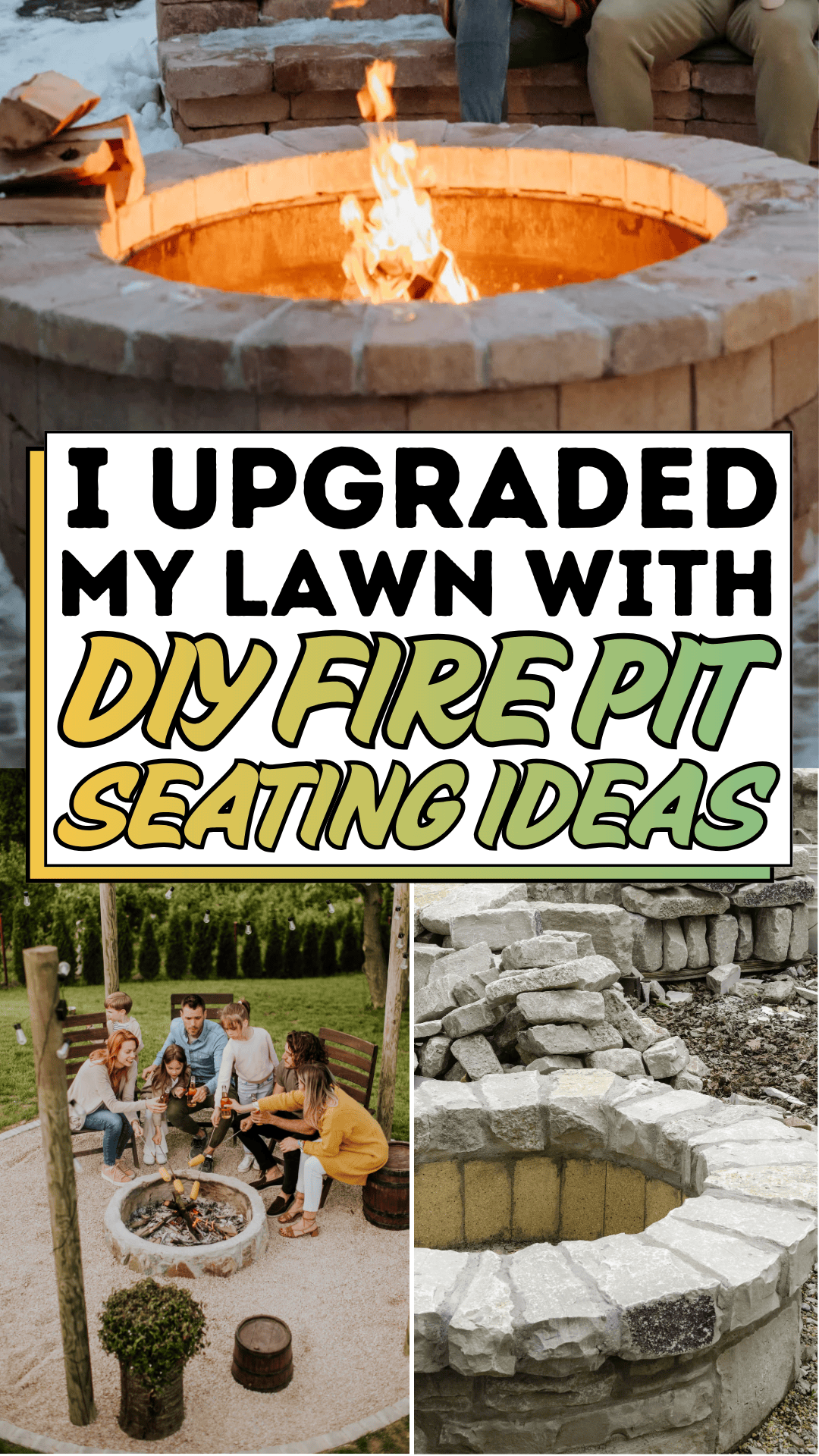
The shift came when I stopped thinking about fire pit seating as furniture and started thinking about it as landscape architecture. Because that’s what the best DIY fire pit seating ideas actually are, they’re not chairs you move to the fire; they’re structures you build around the fire that become part of the outdoor space permanently. A built-in stone bench curving around a circular stone fire pit isn’t just seating. It’s a destination. It’s a room without walls. It tells everyone who walks into the backyard that this space was designed to be lived in, that the fire is the center of something intentional rather than something improvised. Once I understood that, every decision about the project became clearer: the materials, the scale, the height, the relationship between the seating and the fire pit, and the deck and the lights strung between them.
The DIY fire pit seating ideas in this post are drawn from the exact project I built over two autumn weekends a circular stone fire pit with a continuous built-in stone bench, designed to hold four to six people comfortably in every season, with enough clearance from the fire for genuine warmth without discomfort and enough depth in the seat for a person to settle in and stay for the evening rather than perch and leave. Whether you’re building from scratch or upgrading an existing fire pit with better surrounding seating, the DIY fire pit seating ideas blueprint ahead will take you from a bare patch of lawn to the backyard gathering space your family will use every week of the year. Let’s build it.
The DIY Fire Pit Seating Ideas Blueprint
A successful DIY fire pit seating ideas project is built on sequencing and site preparation as much as on materials and construction. Work through these steps in order, and the build will go smoothly. Skip any step, and the problems will compound into expensive corrections.
Step 1: Plan the Layout and Establish Your Safety Clearances
Before ordering a single stone or digging a single inch, map your DIY fire pit seating ideas layout on paper with accurate measurements. The most critical dimension in any DIY fire pit seating ideas project is the clearance between the fire pit’s outer edge and the front face of the seating bench. The sweet spot for warmth and safety is 36 to 48 inches. Too close (under 30 inches) and the radiant heat is uncomfortable; too far (over 60 inches) and the warmth doesn’t reach the seating effectively. For a circular DIY fire pit seating ideas layout, this means your total seating ring will have a diameter of the fire pit plus two times the clearance plus the depth of the bench, approximately 10 to 14 feet in total diameter for a standard residential setup. Mark this circle on your lawn with spray paint or a string compass before beginning any construction to confirm the scale works within your available space.
Step 2: Choose Your Stone Materials for Both Fire Pit and Seating
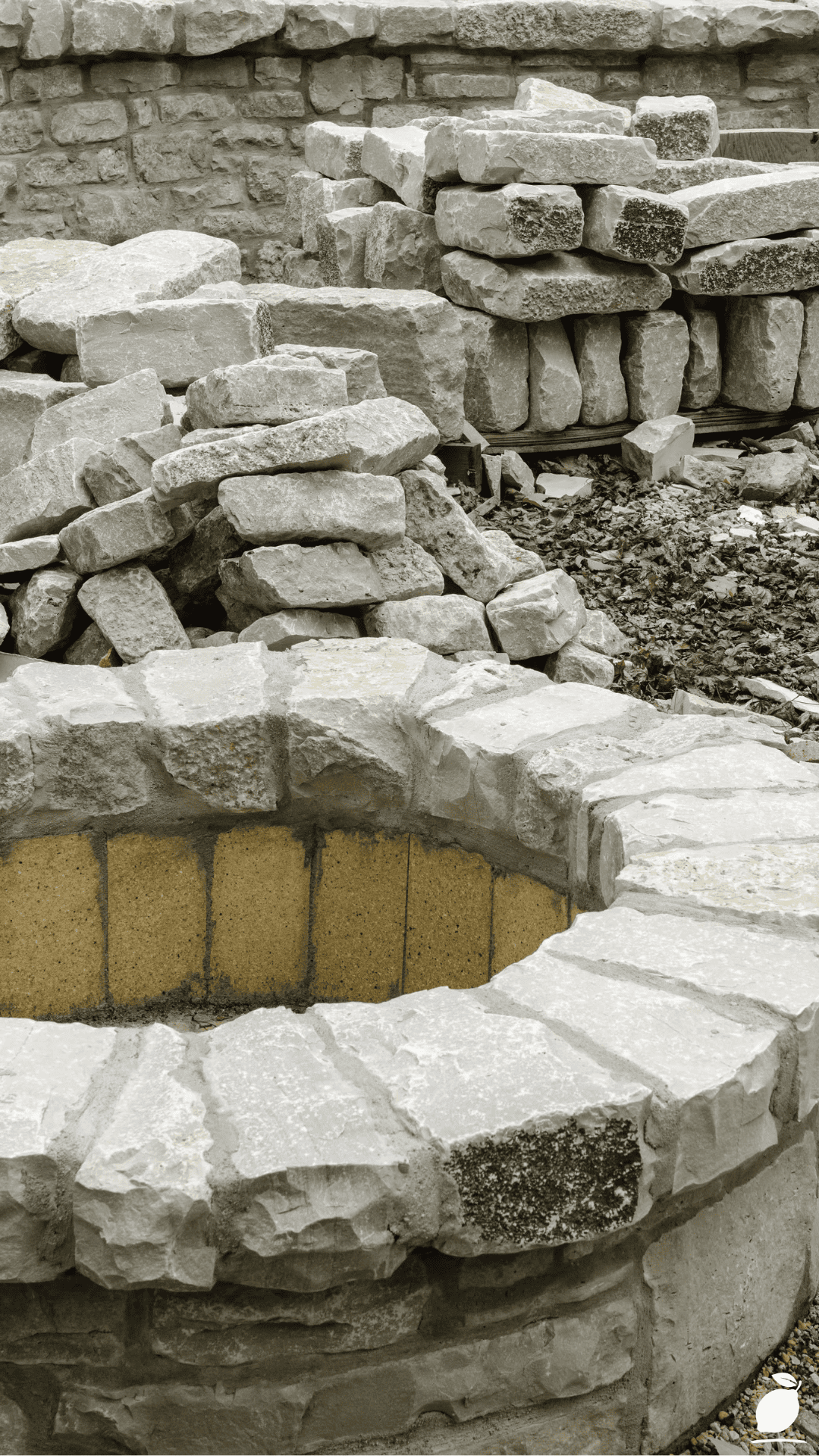
The material choice for your DIY fire pit seating ideas determines both the aesthetic and the longevity of the finished project. For a cohesive built-in appearance, the kind that looks like the seating and the fire pit were designed as a single element rather than two separate additions, use the same or complementary stone for both. Light-colored wall block (the uniform, flat-faced concrete block available at most home improvement stores) is the most DIY fire pit seating ideas-friendly material because it stacks and courses predictably, requires no mortar for the bench structure, and weathers beautifully through freeze-thaw cycles when properly installed on a gravel base. Natural fieldstone or river rock creates a more organic, landscape-integrated appearance for DIY fire pit seating ideas, but requires more skill to set evenly and more time to select compatible pieces. For the fire pit bowl itself, use fire-rated materials, either purpose-built fire pit ring inserts or fire brick rather than standard landscape block, which can crack under repeated high-heat cycles.
Step 3: Excavate and Prepare the Base
The structural foundation of your DIY fire pit seating ideas is the most physically demanding part of the project and the one that most determines longevity. Excavate the entire circular area, fire pit center plus bench ring, to a depth of 6 to 8 inches below grade. Fill with compactable gravel (crushed limestone or road base) and compact in 2-inch lifts using a hand tamper or plate compactor. This gravel base performs two critical functions for DIY fire pit seating ideas: it provides drainage that prevents frost heave from shifting your stonework over winter, and it creates a level, stable foundation that prevents settling and cracking in the finished build. Do not skip this step in favor of setting stone directly on disturbed soil. The settlement that follows is the most common cause of DIY fire pit seating ideas projects that look fine in autumn and look wrong by spring.
Step 4: Build the Fire Pit Ring First
In any integrated DIY fire pit seating ideas layout, the fire pit is built first, and the seating bench is constructed in relation to it. Begin with a sand-set base course of your chosen wall block, checking level in all directions before proceeding upward. Stack three to five courses of blocks for the fire pit wall. The finished height of the fire pit rim should sit 12 to 18 inches above finished grade, which places the fire at a comfortable viewing and warming height from the seating bench. Insert your fire pit ring or fire brick liner at this stage, setting it on a 2-inch sand bed inside the block ring. The liner protects the surrounding block from direct flame contact and can be replaced independently if it deteriorates before the outer stone structure, a practical DIY fire pit seating idea that saves high future cost.
Step 5: Construct the Built-In Stone Bench
With the fire pit ring established, build the bench ring outward from it at the planned clearance distance. The bench in a DIY fire pit seating ideas project should be built to a finished seat height of 17 to 19 inches, the same ergonomic range as indoor dining chairs, which means three to four courses of standard 6-inch wall block on the prepared gravel base. Use landscape construction adhesive between courses for stability (not mortar, which cracks under seasonal movement) and check level on the seat surface across the full arc of the bench before the adhesive sets. For the seat surface itself, the top course of wall block can be left as-is for a utilitarian DIY fire pit seating idea result, or capped with a course of natural flagstone or bluestone cap pieces for a more finished, comfortable, and aesthetically polished appearance. Cap stones also dramatically reduce the heat absorption of the concrete block surface — which matters on summer afternoons when the seating would otherwise be uncomfortably hot to the touch.
Step 6: Add Landscape Gravel, Lighting, and Finishing Touches
The final layer of any DIY fire pit seating ideas project is the finishing work that transforms a construction zone into a destination. Fill the interior circle of the fire pit area (between the fire pit and the bench) with pea gravel or river rock. This prevents mud, defines the space visually, and gives the DIY fire pit seating area a clean, landscaped appearance. Scatter additional rocks of varying sizes throughout the gravel for a naturalistic look. Install warm white string lights on any adjacent pergola, fence, or nearby tree. The combination of fire glow and string light warmth is the specific quality that makes a DIY fire pit seating area feel magical rather than merely functional after dark. Add two or three weather-resistant lanterns or citronella candles at bench level for additional ambient light that also serves a practical bug-deterring purpose in warmer months.
Expert Secrets for Success
Pro-Tips for a Better Result
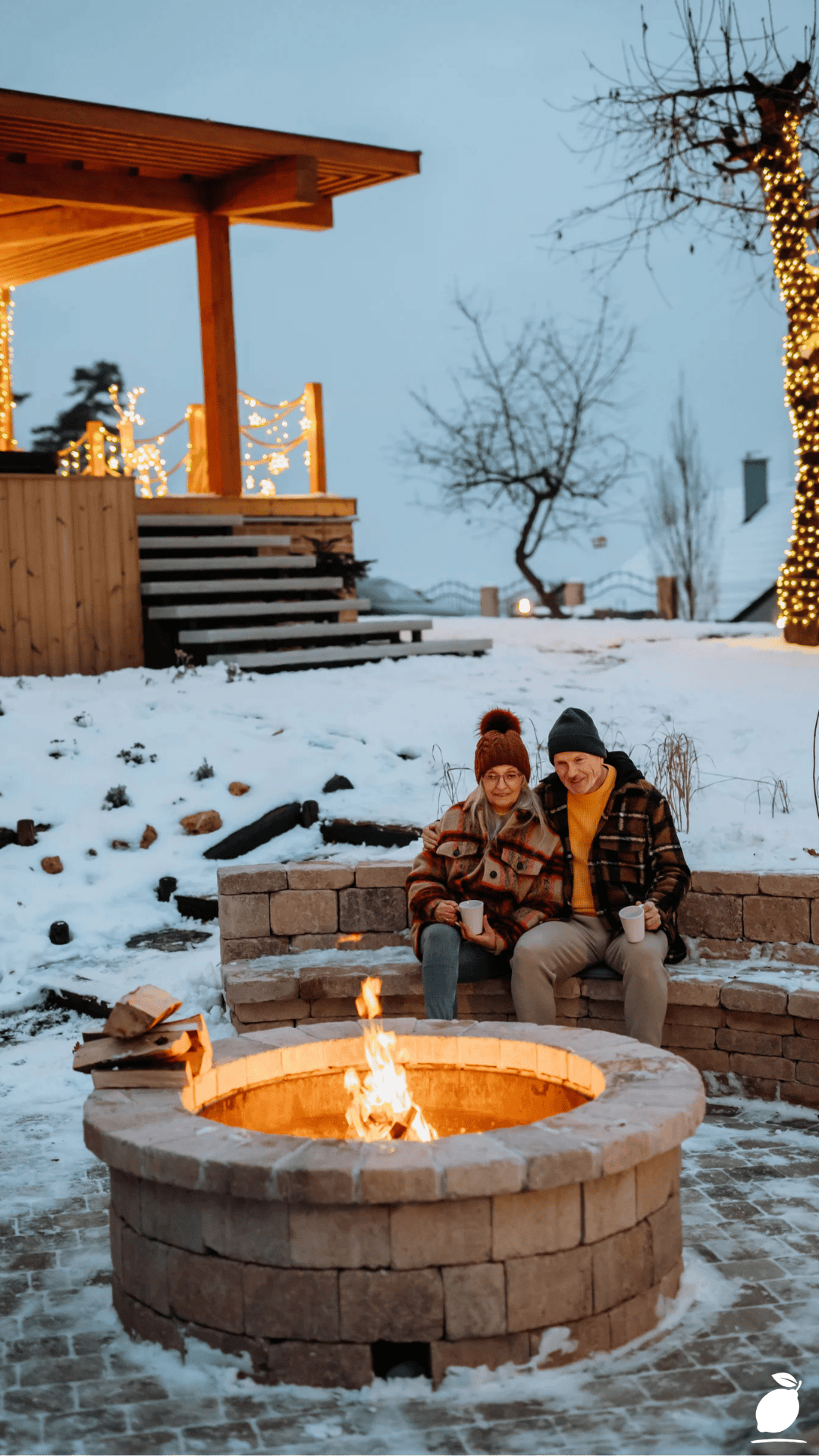
- Wrap the nearby tree in warm white lights as part of your DIY fire pit seating ideas finishing plan. A bare winter tree wrapped in warm LED lights above a stone fire pit and bench area creates one of the most visually dramatic DIY fire pit seating ideas possible; the illuminated branches against a dusky winter sky frame the entire outdoor room with a quality that no purchased decor element can replicate. Use outdoor-rated LED string lights (which stay cool to the touch and draw minimal power) and wrap from the trunk outward through the main branches. This single finishing detail elevates DIY fire pit seating ideas from a construction project to an outdoor experience.
- Use landscape adhesive rather than mortar for DIY fire pit seating ideas bench construction. Mortar is rigid; it doesn’t flex with seasonal freeze-thaw movement, and in climates with true winters, even well-mixed mortar joints in outdoor stonework will crack within two to three years. Landscape construction adhesive (such as Liquid Nails Landscape) bonds wall block courses firmly while retaining enough flexibility to accommodate the thermal expansion and frost movement that winter conditions produce. DIY fire pit seating ideas built with adhesive rather than mortar consistently outlast mortared versions in cold climates by a factor of three to five years.
- Cap the bench seat with natural flagstone for comfort and durability. Among DIY fire pit seating ideas finishing choices, a flagstone cap on the bench seat surface is the single detail that most visibly elevates the finished result from “DIY project” to “landscape installation.” Natural Pennsylvania bluestone or Tennessee crab orchard stone in 1.5-inch thickness sits stably on the wall block, stays cooler than concrete in summer, and develops a beautiful weathered patina over seasons that makes the DIY fire pit seating area look more established and intentional with every passing year.
- Orient your DIY fire pit seating ideas layout so the primary seating faces away from the prevailing wind. The most common functional complaint about fire pit seating is smoke, specifically smoke that follows the person rather than rising away from them. The primary seating position in your DIY fire pit seating ideas layout should be oriented so that the prevailing wind in your area blows the smoke away from seated guests rather than toward them. Observe wind direction in your backyard across several days before finalizing the bench orientation, and position the main seating arc on the upwind side of the fire pit.
- Install the fire pit on a dedicated circuit if adding a gas insert to your DIY fire pit seating ideas. Many homeowners upgrade their DIY fire pit seating ideas project with a natural gas or propane insert after the stone structure is complete, eliminating the need for wood and giving precise flame control. If this is in your long-term DIY fire pit seating ideas plan, run a conduit through the gravel base during initial construction for future gas line installation. Retrofitting gas to a completed stone fire pit structure is significantly more disruptive and expensive than installing the conduit pathway during the original build.
Common Mistakes to Avoid
- Setting wall block directly on soil without a gravel base. The gravel base is the structural foundation of every durable DIY fire pit seating ideas project, and skipping it is the single most consequential construction mistake. Without drainage-providing gravel beneath the stone, soil moisture freezes and expands in winter, lifting and shifting the stonework in patterns that cannot be corrected without disassembling and rebuilding from the ground up. Budget the time and materials for a proper gravel base into every DIY fire pit seating idea project from the beginning.
- Using standard landscape block rather than fire-rated materials inside the fire pit bowl. Standard concrete landscape block is not rated for the temperatures produced by an active wood fire. Sustained exposure to direct flame causes it to spall, crack, and eventually disintegrate. This mistake in DIY fire pit seating ideas projects is expensive to correct once the surrounding seating is built, because accessing and replacing the fire pit interior requires disassembly of adjacent stonework. Always use fire brick or a purpose-built steel fire pit ring insert for the interior fire-contact surfaces of your DIY fire pit seating ideas project.
- Building the seating bench too close to the fire pit. The most common comfort problem in DIY fire pit seating ideas projects built without proper clearance planning is radiant heat discomfort; seated guests feel too hot on their front and too cold on their back, which makes the seating unusable for extended periods despite the beauty of the surrounding construction. Maintain a minimum of 36 inches between the fire pit’s outer edge and the front face of the bench in all DIY fire pit seating idea layouts. For families with young children, 42 to 48 inches provides an additional safety margin without meaningfully reducing the warming effect.
- Neglecting the drainage of the interior gravel area between the fire pit and the bench. The circular gravel area between the fire pit and the built-in bench in a DIY fire pit seating ideas layout needs to drain efficiently. Standing water in this zone after rain events makes the space unusable and accelerates the deterioration of the stone foundations. Ensure the gravel layer is at least 4 inches deep within this zone and that the grade slopes very slightly (1/8 inch per foot) away from the fire pit center toward the bench perimeter, where drainage can escape into the surrounding lawn.
- Finishing the DIY fire pit seating ideas project without weatherproofing the wood elements. If your DIY fire pit seating area includes adjacent wooden elements, such as a pergola, a deck railing, or a wooden fence, the combination of fire smoke, winter moisture, and summer UV exposure accelerates wood degradation faster than in any other residential outdoor environment. Apply a penetrating exterior wood sealer to all adjacent wood surfaces annually, beginning immediately after the first season of use. This maintenance step takes two hours per year and prevents the structural wood deterioration that eventually compromises the safety and appearance of the entire outdoor room you’ve built around your DIY fire pit seating ideas.
Why DIY Fire Pit Seating Ideas Matter

Something particular happens when a family has an outdoor space that is genuinely, invitingly comfortable, something that doesn’t happen when the seating is improvised, and the fire is something you stand around for twenty minutes before drifting back inside. People stay. They talk. They don’t look at their phones because the fire is more interesting. Children who would otherwise be inside on a screen are instead outside in the cold air, in proximity to the adults in their lives, having the kind of unstructured conversations that happen naturally when a group of people are warm and comfortable and have nowhere to be for a while. DIY fire pit seating ideas, built well and used consistently, create one of the most genuinely relationship-building outdoor environments a family can have, and they produce it year-round, not just on perfect summer evenings.
There is also the specific satisfaction of having built the space yourself. A DIY fire pit seating ideas project is not a trivial undertaking; it requires planning, physical effort, material knowledge, and sustained attention across multiple work sessions. But the structure that results from that effort is one that you understand completely, that bears the evidence of your specific decisions in every course of stone, and that will sit in your backyard for decades, delivering a return on the investment of two weekends. Every fire lit in a structure you built is a fire that means something different than one lit in a purchased product. The warmth is the same. The feeling surrounding the warmth is not. DIY fire pit seating ideas, at their best, are about building a place where your family’s life happens, and that is always worth the effort it takes to build it right.
Frequently Asked Questions
How much do DIY fire pit seating ideas projects typically cost?
A complete DIY fire pit seating ideas project, a circular stone fire pit with integrated built-in bench seating for four to six people, typically costs between $300 and $800 in materials, depending on stone selection, bench size, and whether you include flagstone capping and lighting. Wall blocks and retaining blocks from major home improvement stores run $2 to $5 per block, and a complete fire pit and bench ring for a 12-foot seating area requires approximately 150 to 200 blocks. A steel fire pit ring insert costs $40 to $120. Gravel, sand, landscape adhesive, and finishing materials add $100 to $150. String lights and decorative rock complete the DIY fire pit seating ideas budget for under $1,000 total, a fraction of the cost of comparable professionally installed outdoor fire features.
Can I build DIY fire pit seating ideas in one weekend?
A complete DIY fire pit seating ideas project, including excavation, gravel base, fire pit ring, and built-in bench, is realistically a two-weekend project for most homeowners working without professional masonry experience. Weekend one covers site preparation, material delivery, excavation, and gravel base compaction. Weekend two covers block laying for both the fire pit ring and the seating bench, capstone installation, and gravel fill. Attempting to complete the full DIY fire pit seating ideas project in a single weekend typically results in rushed construction decisions, particularly on the gravel base, which compromises long-term structural quality.
What is the best seating height for DIY fire pit seating ideas?
The most comfortable seating height for DIY fire pit seating ideas is 17 to 19 inches from finished grade to the top of the seat surface, the same ergonomic range as standard indoor chairs. This height positions seated guests with their feet flat on the ground, their knees at approximately 90 degrees, and their torso at the optimal angle for both conversation and fire viewing. Bench heights below 15 inches feel too low and make standing up difficult for older guests; heights above 21 inches feel perch-like and uncomfortable for extended sitting. Plan your DIY fire pit seating ideas, block courses to hit this range, with the capstone included in the total height calculation.
Do DIY fire pit seating ideas require a permit?
Permit requirements for DIY fire pit seating ideas vary significantly by municipality. Most jurisdictions require no permit for a wood-burning fire pit under a specific size (typically 36 to 48 inches in diameter) that is freestanding and not connected to any utility. Gas fire pit installations almost universally require a permit and a licensed gas line connection. HOA communities may have additional restrictions on fire pits and permanently built-in structures that supersede municipal allowances. Check with your local building department and HOA before beginning any DIY fire pit seating ideas project that involves permanent ground construction or a utility connection.
How do I maintain DIY fire pit seating ideas through winter?
Properly built DIY fire pit seating ideas on a compacted gravel base require minimal winter maintenance in most climates. The drainage-providing base prevents the frost heave that damages improperly constructed stonework. Cover the fire pit opening with a purpose-built steel or aluminum fire pit cover to prevent water accumulation inside the fire pit bowl, which can crack brick and block through freeze-thaw cycles. Remove any seat cushions or wood accessories before winter. Inspect the DIY fire pit seating ideas stonework each spring for any block shifting or capstone movement and reset displaced pieces with fresh landscape adhesive before the first fire of the season.