The back corner of our garden had been accumulating the evidence of abandoned projects for three years running a stack of leftover cinder blocks from a retaining wall job, a bag of potting mix that had partially solidified after getting rained on, two plastic nursery pots with plants that hadn’t made it through the previous summer, and the general atmosphere of a space that nobody had decided about in a very long time. I walked past that corner every time I went into the garden and performed a small, involuntary act of not-seeing the visual equivalent of changing the subject. The cinder blocks in particular bothered me, because they were heavy and therefore permanent in a way that other garden clutter isn’t. They had settled in. They were staying. The question was only whether they stayed as an eyesore or became something.
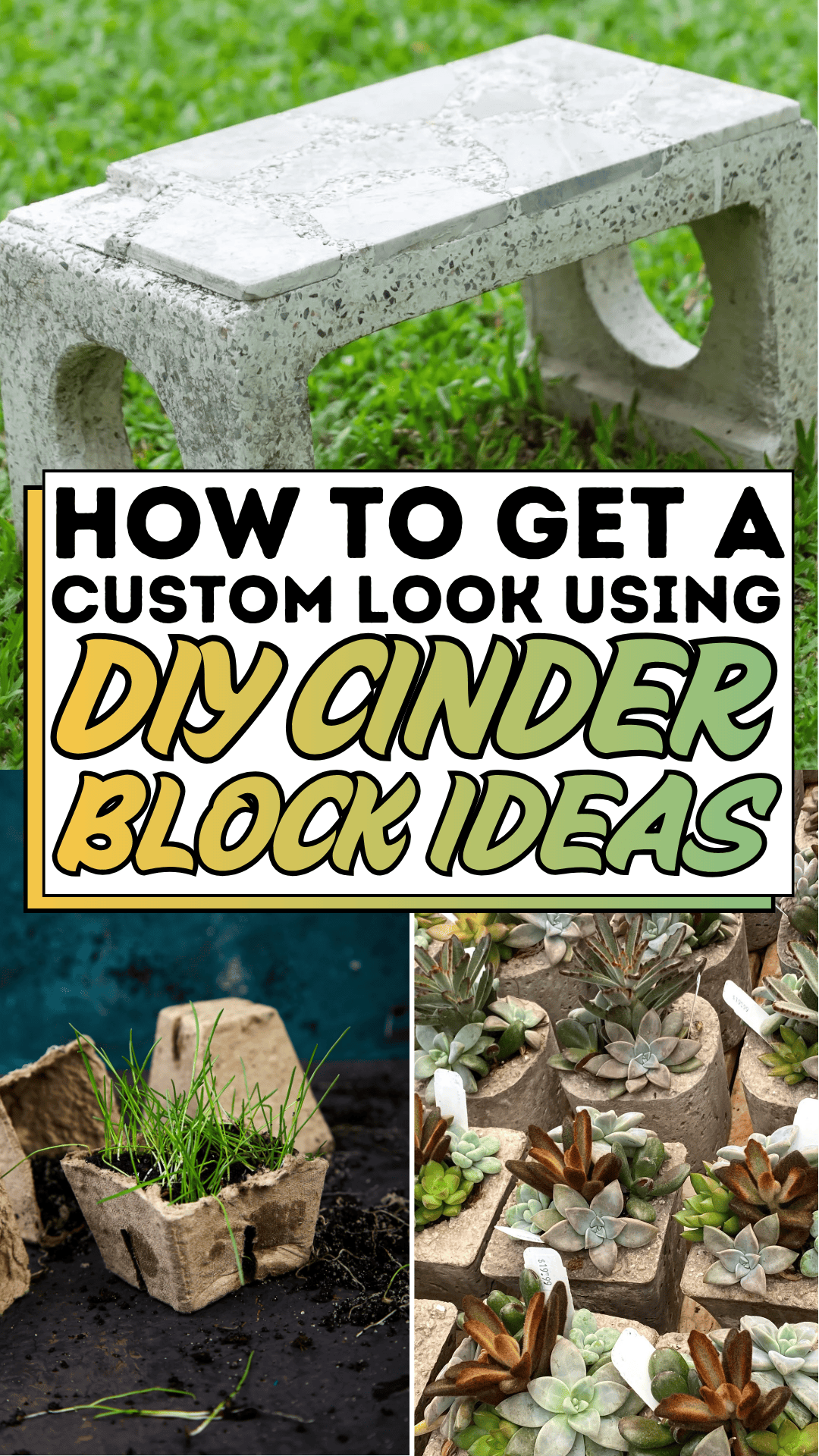
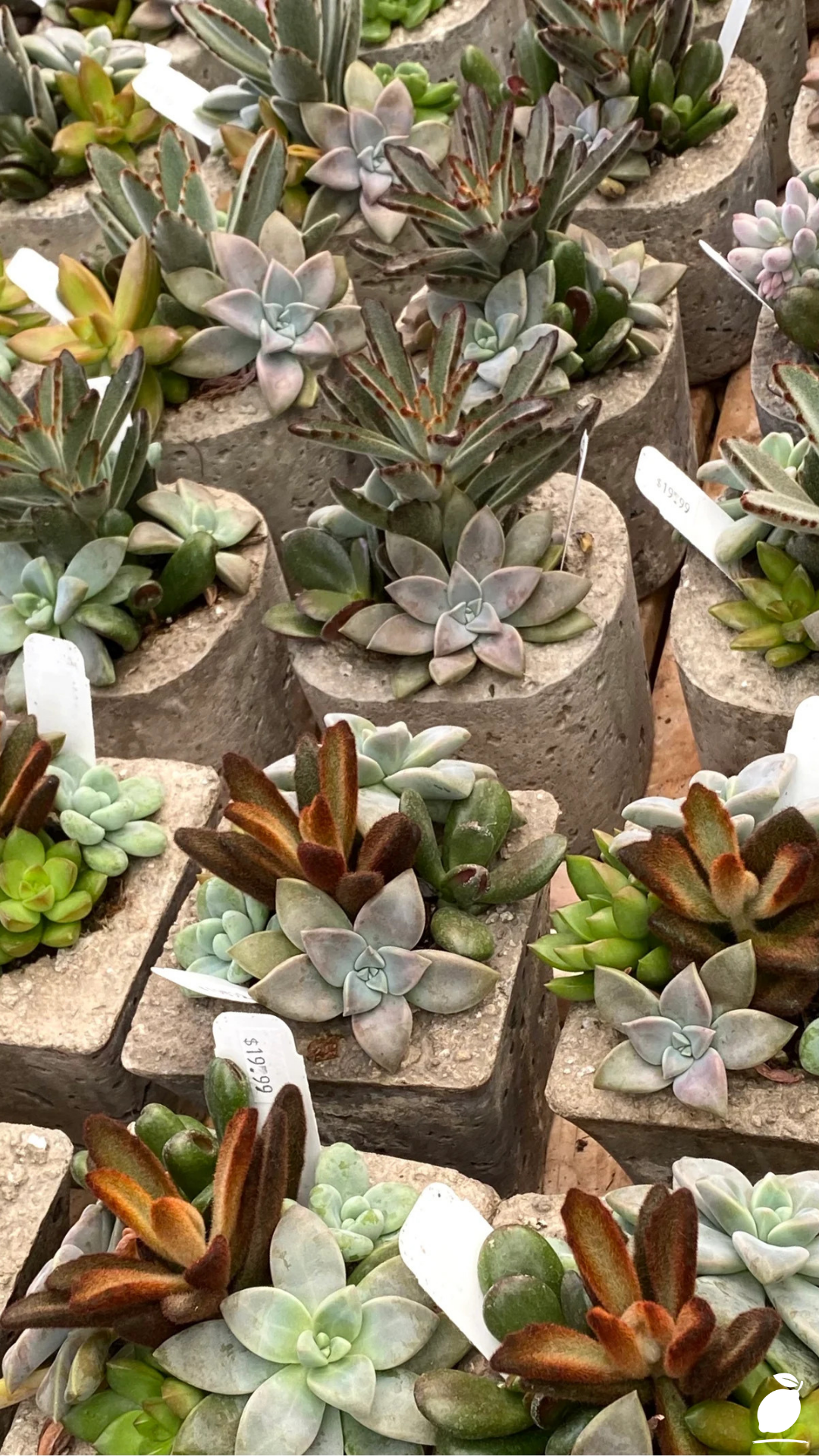
DIY cinder block ideas entered my thinking not through a grand creative vision but through the simple act of looking at the blocks differently, specifically, from above. The hollow cores of a standard cinder block are, in their dimensions, almost exactly the right size for a succulent rosette. A grid of cinder blocks, each hollow filled with a different succulent variety-pale green, silver-blue, reddish-brown- arranged together from overhead, looks like a living mosaic: precise, geometric, and quietly spectacular. The concrete material that seemed to be the problem turned out to be the entire aesthetic point. Gray concrete and the soft, fleshy geometry of succulent rosettes are visual opposites that amplify each other, the cool hardness of the material making the organic warmth of the plants more vivid, the plants’ color variations making the concrete’s uniformity feel intentional rather than industrial.
What I built from those DIY cinder block ideas is a planter installation that every visitor to the garden notices first: a grid of succulent-filled concrete blocks arranged at ground level like a low-profile living artwork, with the kind of overhead visual logic that rewards a second look and a third. This post walks through every DIY cinder block idea in the process: the layout decisions, the soil preparation, the plant selection, and the finishing details that turn a pile of construction materials into a custom garden feature that looks like it cost significantly more than it did. Let’s build it.
The DIY Cinder Block Ideas Blueprint
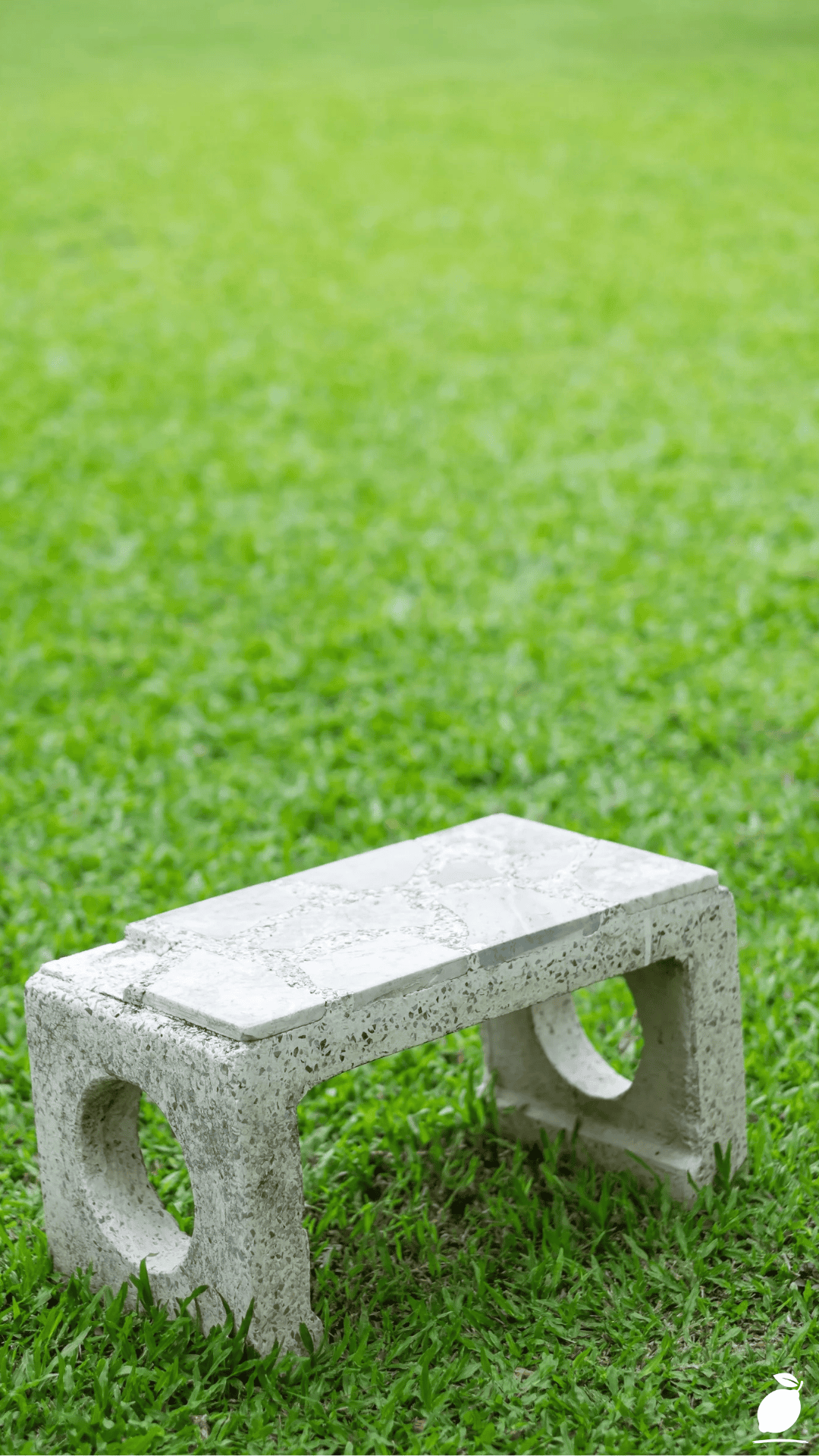
Great DIY cinder block ideas succeed because of planning and preparation as much as execution. Work through these steps in sequence: site selection, block arrangement, soil prep, plant selection, and finishing for a result that looks custom and holds up through multiple seasons.
Step 1: Survey Your Space and Define the Scale of Your DIY Cinder Block Ideas Project
Before moving a single cinder block, spend ten minutes evaluating the site where your DIY cinder block ideas will live and defining the realistic scale of your project. Cinder blocks weigh between 25 and 35 pounds each, which means a 3×4 grid of DIY cinder block ideas planter blocks represents 300 to 420 pounds of material that, once filled with soil and established plants, will not be moving again. Choose a location that receives the appropriate light for your intended plant palette (full sun for succulents and most herbs, part shade for ferns and impatiens), that has adequate drainage underneath (avoid low spots where water pools after rain, as standing water in cinder block cavities will rot plant roots), and that is genuinely where you want a permanent feature to live. The most common DIY cinder block ideas mistake is building something beautiful in the wrong location because it was convenient to place the blocks where they already sat rather than where the feature should be.
Step 2: Plan the Block Arrangement and Visual Composition
The visual power of DIY cinder block ideas comes entirely from deliberate arrangement: cinder blocks placed casually look like construction materials; cinder blocks arranged with geometric intention look like design. For a planter grid DIY cinder block ideas installation, arrange blocks in a rectangular or square grid pattern with all hollow cores facing upward, and decide before beginning whether you want the cores in a single row (a low, horizontal planter that reads as a border or edging) or in a stacked two-course arrangement (which adds height and visual presence at the cost of losing some of the grid’s overhead legibility). For the mosaic-like visual effect of succulent varieties viewed from above, the most striking of all DIY cinder block ideas formats a single-course grid with blocks placed side by side, joints touching, creating the continuous surface that makes the arrangement read as a unified planter rather than individual blocks. Sketch your planned grid dimensions on paper and mark the site with spray paint or string before moving blocks.
Step 3: Prepare the Ground Surface and Level the First Course
The structural foundation of any DIY cinder block ideas planter or garden installation is a level first course. If the blocks aren’t level to begin with, every course above them amplifies the error, and even a single-course DIY cinder block ideas grid looks significantly less intentional when it visibly tilts or rocks. Remove all grass, weeds, and debris from the planned footprint of your DIY cinder block ideas installation. Lay a 1 to 2-inch base of coarse sand or decomposed granite across the entire area and rake flat. This provides a leveling medium that you can adjust precisely by adding or removing material beneath individual blocks. Place each block on the prepared base and check level in both directions before proceeding to the next. A 4-foot level placed across multiple blocks at once reveals cumulative tilt that a shorter level on individual blocks might miss. Take the time to get this step right; a level first course is the difference between a DIY cinder block ideas installation that looks professional and one that looks improvised.
Step 4: Fill Hollow Cores With the Correct Growing Medium
The hollow cores of standard cinder blocks are small growing cavities approximately 5 to 6 inches wide and 7 to 8 inches deep that require a specific growing medium for DIY cinder block ideas planting success. Standard potting mix retains too much moisture for succulents and cacti and can become waterlogged in the confined concrete cavity, leading to root rot within one to two seasons. For DIY cinder block ideas planted with succulents, fill each core with a mix of 60% coarse horticultural grit or perlite and 40% potting compost; this fast-draining blend mimics the rocky, mineral-rich conditions succulents evolved in and prevents the moisture accumulation that kills them in conventional potting mix. For DIY cinder block ideas planted with herbs, annuals, or perennials, a standard potting mix amended with 20 to 25% perlite provides adequate drainage while retaining enough moisture for plants with higher water requirements. Fill each core to within 1 inch of the top to leave room for the plant’s root ball and a thin mulch or top-dress layer.
Step 5: Select and Install Your Plant Palette
Plant selection for DIY cinder block ideas planter grids follows the same visual logic as any container garden: variety in color, form, and texture creates richness, while a unifying color family creates cohesion. For the succulent-filled DIY cinder block ideas grid, choose five to seven different succulent varieties from across the color spectrum: a pale green echeveria for the base tone, a silver-blue senecio or blue chalk sticks for cool contrast, a reddish-brown sedum or echeveria ‘Afterglow’ for warm accent, and one or two architectural varieties (a haworthia, a small aloe, or a geometric sempervivum) for structural variation. Assign plant varieties across the grid so no two identical species are directly adjacent. This produces the mosaic quality that makes DIY cinder block planter grids look as if designed from above. Install plants by gently loosening the root ball, setting at the soil surface, and pressing lightly to anchor without compacting the drainage-critical growing medium.
Step 6: Top-Dress, Label, and Finish the DIY Cinder Block Ideas Installation
The finishing layer of any DIY cinder block planter grid transforms it from a planted arrangement to a polished feature. Top-dress the soil surface of each core with a thin layer (half an inch) of white gravel, crushed granite, or coarse sand this suppresses weeds, reflects light upward onto the plant’s undersides to enhance color saturation, reduces moisture evaporation in hot weather, and gives the DIY cinder block ideas installation the clean, intentional appearance of a curated display rather than a freshly planted garden bed. Add small white plant identification tags (available at any garden center) tucked into each core; they add a charming, nursery-aesthetic detail to the DIY cinder block ideas grid and serve the practical purpose of helping you remember which variety is which when planning future additions or replacements. Water all newly planted cores gently with a watering can rather than a hose to avoid displacing the top-dressing and disturbing the shallow root systems of newly installed succulents.
Expert Secrets for Success
Pro-Tips for a Better Result
- Paint or seal the cinder blocks before planting for a custom look in DIY cinder block ideas. Raw gray cinder block has an industrial quality that works beautifully in certain contexts but can read as unfinished in a garden or patio setting. Applying a coat of masonry paint in white, charcoal, terracotta, or sage green to the exterior surfaces of your DIY cinder block ideas blocks before installation immediately elevates the finished result from construction material to a designed object. Use exterior-rated masonry paint (standard latex paint peels from concrete rapidly under outdoor moisture cycles) and apply two coats for even coverage. White-painted DIY cinder block planter grids with succulent plantings create a particularly clean, contemporary aesthetic that reads as expensive despite the negligible material cost.
- Orient the DIY cinder block ideas grid on a slight grade for passive drainage. Even with a fast-draining growing medium, standing water in a cinder block planter core during extended wet weather can stress or kill shallow-rooted succulents. Orienting the DIY cinder block ideas grid on a very slight grade, just enough to direct water drainage in one direction, provides passive drainage from the cores without requiring any additional infrastructure. A 1/8-inch drop per foot across the grid is sufficient for effective passive drainage and is imperceptible to the eye in the finished DIY cinder block installation.
- Use the outer walls of the cinder block grid as additional planting cavities in DIY cinder block ideas. The spaces between adjacent blocks in a DIY cinder block ideas grid — the joint gaps where blocks meet can be planted with low, spreading groundcovers (creeping thyme, sedum album, or mind-your-own-business) that fill the gaps over the growing season and integrate the individual blocks into a single organic composition. This planting-in-the-joints technique is one of the most distinctive DIY cinder block ideas finishing details, and transforms the grid from an arrangement of discrete objects into a single, continuous living surface.
- Photograph the DIY cinder block ideas installation from directly above for the most striking visual result. The grid-and-rosette visual logic of a succulent-filled DIY cinder block planter is designed to be seen from above; the overhead view reveals the full mosaic quality of the arrangement, the color variations between varieties, and the geometric precision of the concrete grid in a way that ground-level photography cannot capture. Photograph your completed DIY cinder block ideas installation from a standing position looking directly down, or from a ladder or elevated deck if the grid is large, for the most architecturally compelling record of the finished project.
- Rotate succulent varieties seasonally within the DIY cinder block ideas grid to maintain color interest year-round. Wide succulent varieties change color in response to seasonal temperature and light intensity shifts, developing red, orange, or purple stress coloring in high heat or drought conditions and returning to green in cooler, more hydrated periods. Planning your DIY cinder block ideas plant palette to include at least two varieties known for dramatic seasonal color change (echeveria ‘Perle von Nürnberg,’ sedum ‘Autumn Joy,’ or aloe ‘Christmas Carol’) means the DIY cinder block ideas grid presents a different palette in summer, autumn, and spring without any additional intervention.
Common Mistakes to Avoid
- Using standard potting mix without drainage amendment in DIY cinder block ideas for succulent planters. The confined cavity of a cinder block core holds moisture far longer than a conventional pot because the concrete walls are relatively impermeable and the drainage path is limited to the single opening at the top. Standard potting mix in this environment stays wet for days after watering, far longer than any succulent can tolerate without root rot developing. Always amend the growing medium for DIY cinder block ideas succulent plantings with at least 50% inorganic drainage material (perlite, coarse grit, or crushed granite) before planting, regardless of what the potting mix packaging claims about its drainage properties.
- Installing DIY cinder block ideas in a location without adequate sunlight for succulents. Succulents require a minimum of 6 hours of direct sunlight per day for healthy growth, compact form, and the vivid color variations that make DIY cinder block planter grids visually compelling. In less than 4 hours of direct sun, most succulents etiolate, stretching toward light in a leggy, elongated growth pattern that destroys the compact rosette form that makes them beautiful. Before committing to a DIY cinder block idea location, observe the site for a full day and count the hours of direct sun. If adequate sun is unavailable, choose shade-tolerant plant varieties (haworthias, gasteria, or certain sedums) rather than attempting to grow full-sun succulents in an inappropriate position.
- Skipping the ground leveling step in DIY cinder block installation. A DIY cinder block ideas grid installed on uneven ground will rock, tilt, and shift over the first season as the soil beneath it settles unevenly under the blocks’ weight. The resulting installation looks improvised rather than designed, and the instability of individual blocks makes the planting, maintenance, watering, deadheading, and replacing plants more physically awkward than it needs to be. Invest thirty minutes in leveling the ground surface with a sand or gravel base before placing the first block; the time investment is repaid by a stable, level, professional-looking DIY cinder block installation that holds its arrangement indefinitely.
- Planting too many varieties of succulents with incompatible growth rates in the same DIY cinder block ideas grid. Fast-growing succulents (certain sedums and echeverias) will outgrow their individual cinder block core within a single season and begin encroaching on adjacent blocks, while slow-growing varieties remain compact, producing an uneven, asymmetric grid that loses its geometric quality over time. For DIY cinder block ideas, planting grids where visual uniformity is important, choose varieties with similar mature sizes and growth rates, or commit to seasonal trimming and replanting to maintain the grid’s proportional balance.
- Neglecting the exterior appearance of the cinder blocks in DIY cinder block project ideas. The most beautiful plant selection in a DIY cinder block ideas grid loses significant impact when the concrete blocks themselves are visually uninspiring, stained with old mortar, chipped at the edges, or simply the raw industrial gray that communicates a construction site rather than a garden feature. At a minimum, power wash or scrub the exterior faces of all cinder blocks before assembling any DIY cinder block installation, and consider a coat of masonry paint or a limewash treatment that transforms the blocks from raw material into a considered design element. The plants are the content of DIY cinder block ideas; the blocks are the frame, and frames matter.
Why DIY Cinder Block Ideas Matter
There is something specifically satisfying about building something beautiful from materials that were not supposed to be beautiful. A cinder block is functional by definition and aesthetic by accident; it is the vocabulary of infrastructure, of retaining walls and construction sites, and the utilitarian undersides of buildings. When you take that material and, through arrangement, planting, and intention, transform it into a garden feature that people stop and look at, that produces the particular pleasure of finding potential where none was assumed to exist. DIY cinder block ideas are, at a functional level, about garden furniture and planter construction. At a deeper level, they’re about the experience of creative problem-solving with what you already have rather than what you wish you had, and that experience has real value beyond the finished object it produces.
For families and households where home improvement projects are often deferred by the combination of limited budget and limited confidence, DIY cinder block ideas occupy a particularly useful position: they are genuinely inexpensive (cinder blocks cost $1.50 to $3.00 each at any home improvement store), structurally simple (no special tools, no advanced skills, no mortar required for most applications), and visually rewarding in proportion to the effort that is wildly disproportionate to the cost. A weekend of DIY cinder block ideas work produces a garden feature that improves with time as plants establish and fill in, that requires minimal ongoing maintenance, and that demonstrates to everyone in the household, including the children watching, that the difference between a problem and a feature is often just a decision and an afternoon. That demonstration is worth more than the planters.
Frequently Asked Questions
How many cinder blocks do I need for a DIY cinder block succulent grid?
A visually impactful DIY cinder block succulent grid typically requires a minimum of 9 blocks (a 3×3 arrangement) to read as a deliberate design feature rather than a collection of individual planters. A 4×4 grid of 16 blocks creates a more substantial visual presence and allows for the full color variety and variety-adjacent contrast that make the overhead view compelling. Each standard 8″x8″x16″ cinder block provides two hollow cores for planting, so a 16-block DIY cinder block idea grid accommodates 32 individual succulent plants, enough for a rich, varied palette without repetition across the grid.
Can DIY cinder block ideas be used indoors?
Yes, with some modifications. DIY cinder block planter grids work beautifully indoors in bright, sunlit rooms (near south- or west-facing windows) with succulents or cacti, and can be sealed with a clear masonry sealer to prevent concrete dust from transferring to indoor floors. Indoor DIY cinder block installations benefit from a waterproof tray or liner beneath the block arrangement to protect flooring from water runoff. The raw industrial quality of concrete blocks reads as intentional and contemporary in minimalist, loft-style, or industrial-aesthetic interiors, and painted or limewashed DIY cinder block ideas integrate naturally into more traditional or warm-palette indoor spaces.
What is the best paint to use on cinder blocks for DIY cinder block ideas?
Exterior-rated masonry paint or concrete paint is the only appropriate finish for DIY cinder block ideas. Blocks used with standard interior latex paint cannot bond durably to concrete’s alkaline, porous surface and will peel within one to two seasonal cycles of outdoor moisture exposure. Rust-Oleum Concrete and Masonry Paint, Behr Masonry Paint, and similar masonry-specific formulas provide durable, weather-resistant coverage that holds its finish through years of outdoor DIY cinder block ideas use. Apply a masonry primer as the first coat for best adhesion, then two coats of the finish color. White, warm gray, charcoal, and terracotta are the most popular finish choices for contemporary DIY cinder block garden installations.
How do I water succulents in a DIY cinder block idea grid without overwatering?
The correct watering approach for succulent-filled DIY cinder block grids is deep and infrequent rather than light and regular. Water each planting core thoroughly until water drains freely from the base, and then allow the growing medium to dry out completely before watering again. In most outdoor summer conditions, this means watering DIY cinder block ideas succulent grids every 7 to 14 days; in cooler autumn conditions, every 14 to 21 days. The simplest test is the finger test: insert a finger to the full depth of the core. If any moisture is detectable, do not water yet. Overwatering is the most common cause of succulent failure in DIY cinder block planter grids, and consistent restraint in watering is the single practice most correlated with long-term succulent health.
Can I stack cinder blocks for raised DIY cinder block garden beds?
Yes, stacked cinder block raised garden beds are among the most popular and most structurally reliable of all DIY cinder block ideas for vegetable and herb gardening. Stack two to three courses of blocks without mortar (the weight of the blocks themselves provides adequate stability for beds up to 24 inches tall in most residential garden contexts), staggering joints between courses for structural strength. The hollow cores of each course can be filled with soil and planted with trailing herbs, annual flowers, or strawberries for an additional planting tier alongside the main raised bed. DIY cinder block ideas raised beds warm faster in spring than wood-framed beds (concrete absorbs solar heat during the day and radiates it at night), extending the growing season at both ends, a practical benefit that compounds the visual advantages of the concrete material.