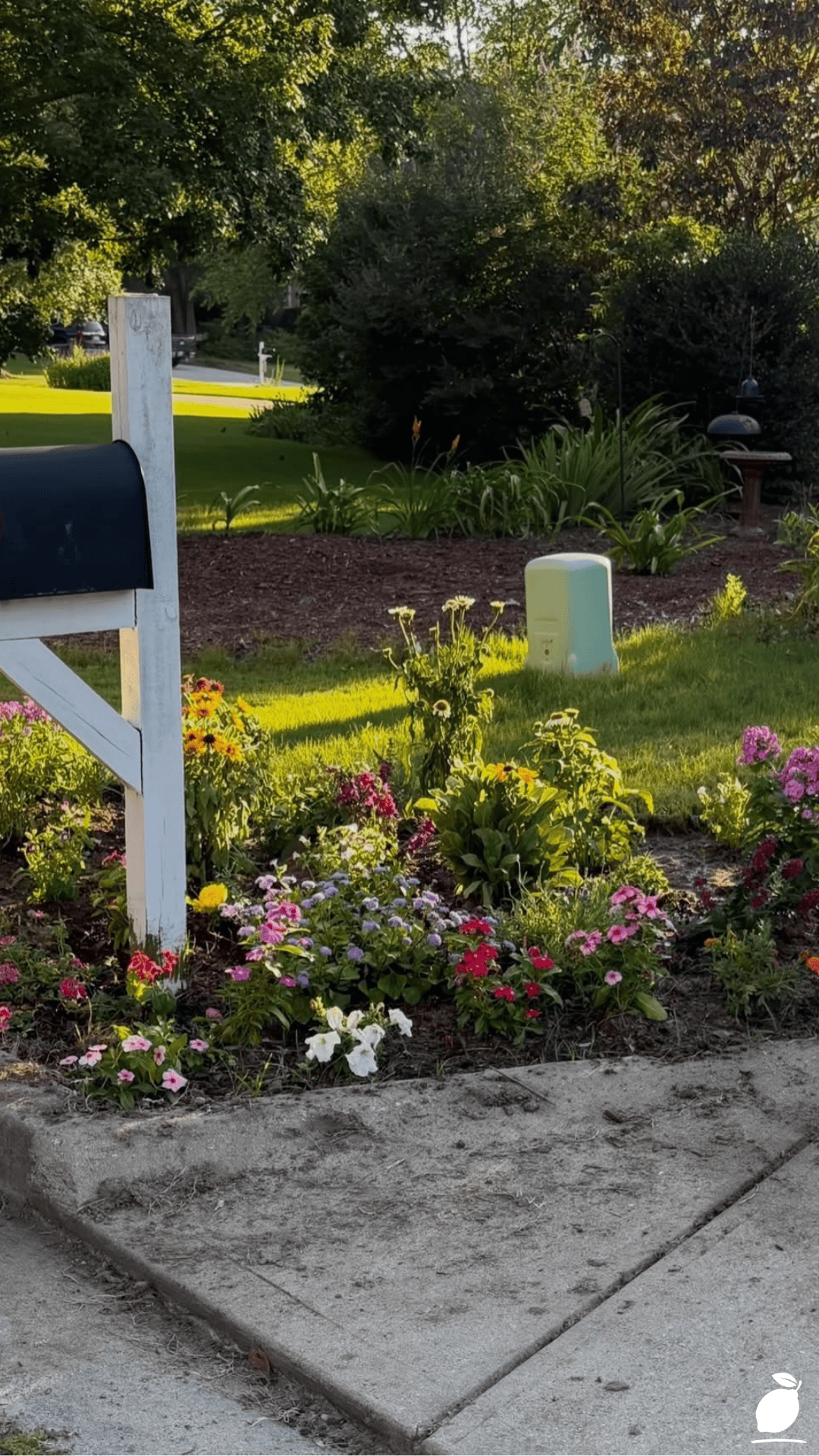
The garden plan lasted exactly one season. Not because the plants were wrong or the soil was bad, but because life happened the kind of relentless, schedule-consuming life that turns the best gardening intentions into a list of things that did not happen this year. The annuals I planted with care in spring needed deadheading I did not do, feeding I kept forgetting, and replacement the following year when, predictably, none of them survived winter. By midsummer of the second year, the border that was supposed to be filled with summer color was a patchwork of determined weeds and the three plants that had somehow survived by stubbornness alone. I had spent money, spent time, and produced a garden that looked exactly like a garden managed by someone who does not have time for a garden. Which is what I was.
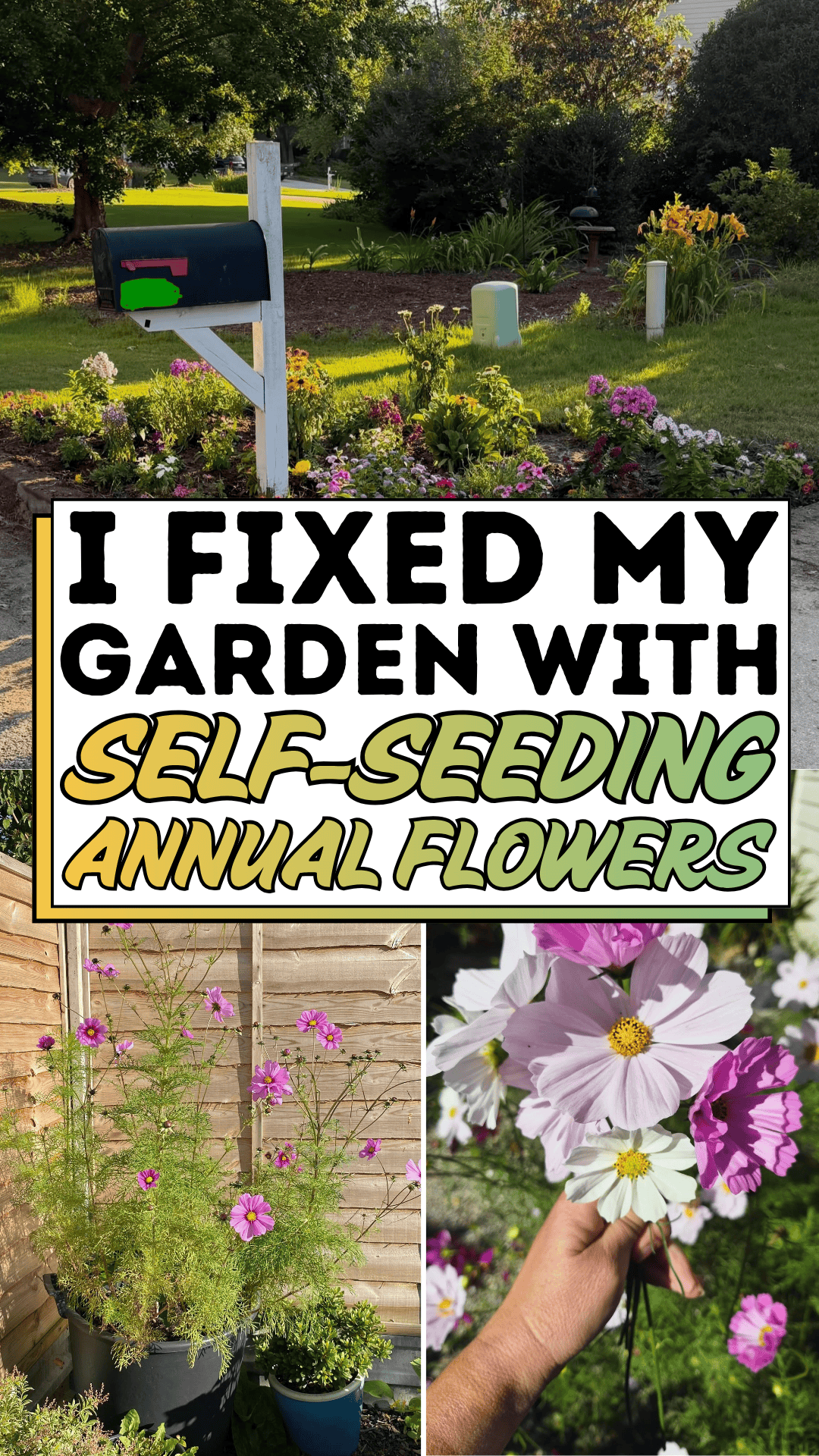
The cycle I was trapped in is the one that most home gardeners know well: buy annuals, plant annuals, enjoy annuals briefly, watch annuals die, repeat the following spring with money you were not planning to spend and a trip to the garden center you had to schedule around everything else. It is not sustainable as a gardening practice financially or practically, and it produces a garden that resets to zero every autumn rather than building on itself. What I needed, and did not know I needed, was a category of plant that did the resupply work itself. That dropped seeds at the end of its season, let them overwinter in the soil, and reappeared the following spring as new plants in roughly the same place or somewhere equally good without requiring any action from me beyond initially deciding where to let them grow.
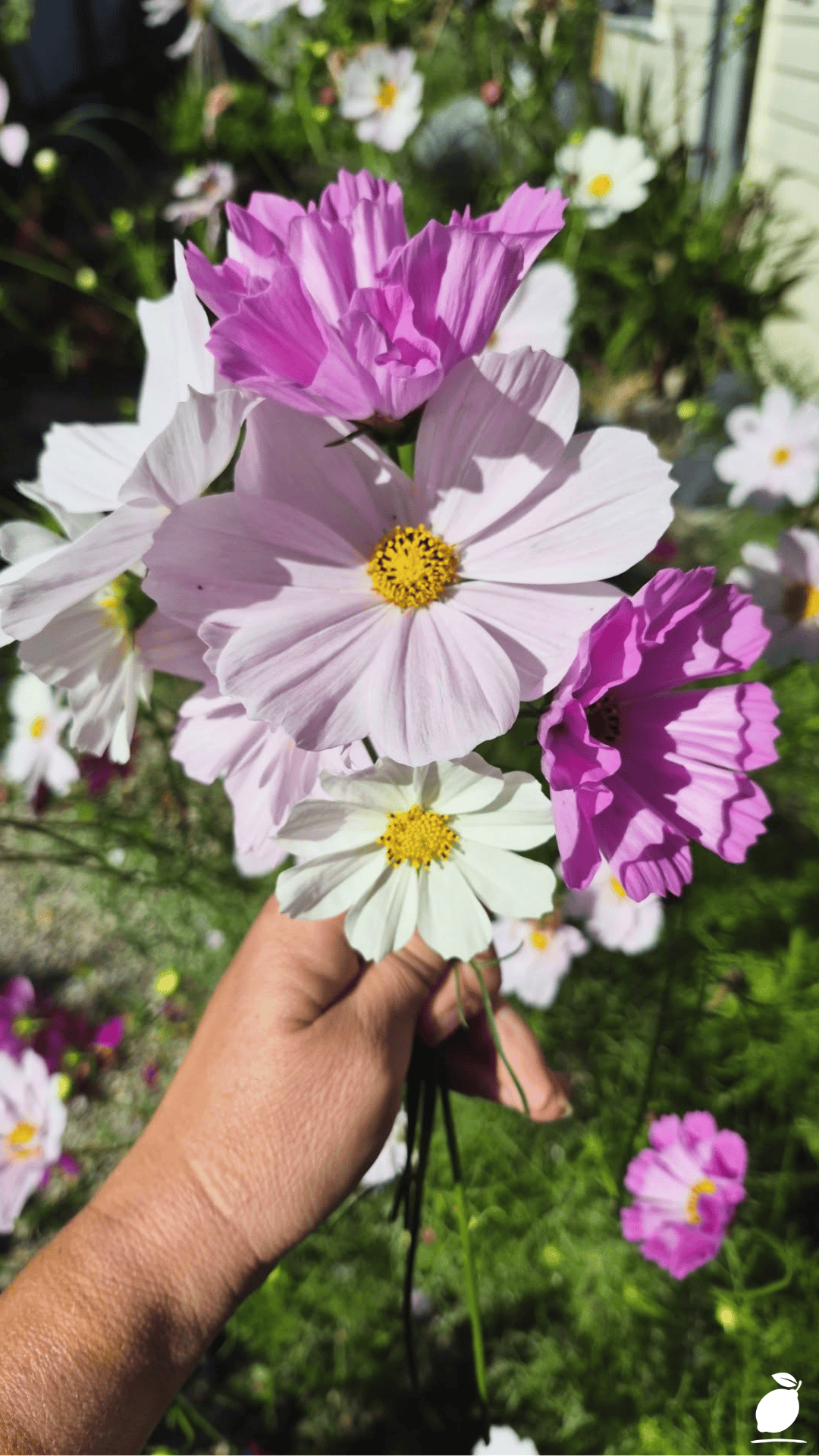
That first hand-cutting of a cosmos bouquet, pink flowers with golden centers, vibrant against the white wall of the house behind, a garden filled with more of the same stretching back into the frame was the moment the garden felt genuinely fixed rather than merely managed. Cosmos is the quintessential self-seeding annual flower, and it has a quality that I had not encountered in the more well-behaved annuals I had previously invested in: it is grateful for the space rather than demanding of attention. It seeds freely, it fills borders, it blooms prolifically, and it asks for almost nothing in return. That single seed purchased three seasons ago is still producing this garden. Here is the complete guide to the self-seeding annual flowers that work the same way.
The Self-Seeding Annual Flowers Guide
The title calls for a curated roundup of the best self-seeding annual flowers for a garden that wants to fill itself without annual replanting, each chosen for its seeding reliability, its beauty, and the specific role it plays in the garden’s design. These are the varieties that earn their place by returning, season after season, as dependable members of the garden community.
Cosmos (Cosmos bipinnatus)
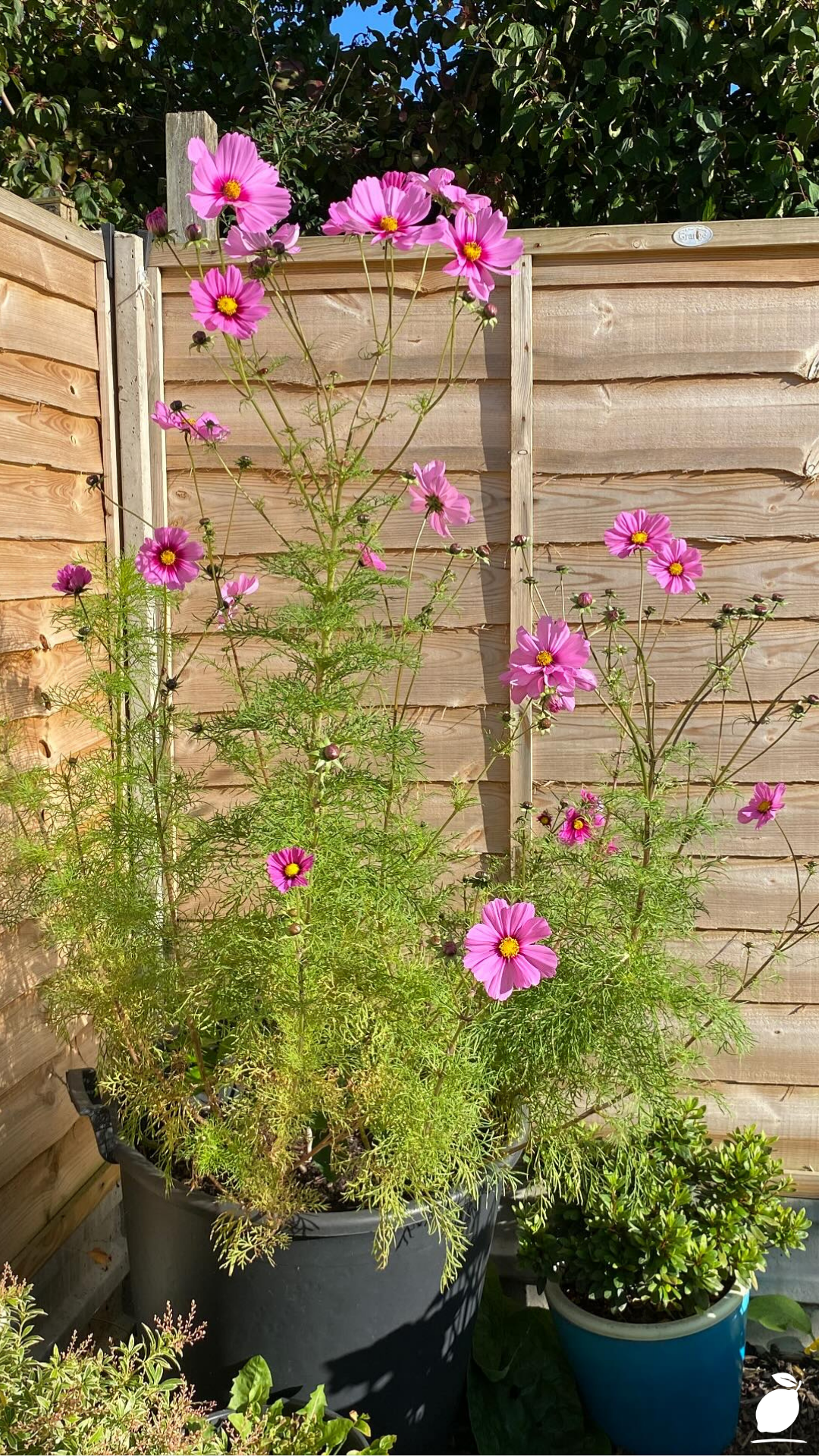
Cosmos is the poster plant for self-seeding annual flowers and the one most likely to transform a gardener’s practice the first season it is allowed to seed freely. Its feathery foliage and wide, open flowers in shades from pure white through pale pink and magenta to deep burgundy appear from midsummer through the first frost on upright stems reaching 60 to 120cm. It seeds prolifically in any well-drained soil in full sun, and the following spring’s seedlings emerge with a naturalness that looks entirely planned.
Why it works: Cosmos produces hundreds of seeds per plant and drops them at a time early autumn when soil conditions in temperate gardens are ideal for stratification and germination the following spring. Its seedlings are distinctive and easy to identify (ferny foliage in pairs from a thin stem), making thinning and editing straightforward. As a self-seeding annual flower, it provides the height, the movement, and the prolific cut-flower yield that makes the garden genuinely useful as well as beautiful.
Nigella (Love-in-a-Mist)
Nigella damascena is one of the earliest-blooming self-seeding annual flowers, its blue, white, and pink flowers appearing in late spring and early summer, filling the seasonal gap before most other annuals have reached flowering height. Its balloon-shaped seed pods are as decorative as the flowers, and both contribute to dried flower arrangements if left to mature on the stem. It is a cool-season self-seeder, germinating in early spring from seeds dropped the previous autumn.
Why it works: Nigella fills the early-season void in a self-seeding annual flowers border by blooming before the summer performers are established, providing continuous color through the transitional weeks of late May and June when the garden most needs interest. It self-seeds with exceptional reliability in free-draining soil, often colonizing gravel paths, wall bases, and the edges of borders in a way that reads as romantic and deliberate rather than opportunistic. Leave seed pods to mature fully, and they disperse naturally; collect pods before they open if more controlled placement is preferred.
Calendula (Pot Marigold)
Calendula officinalis, the hardy, cheerful pot marigold with its orange and yellow daisy flowers, is one of the most reliable self-seeding annual flowers for a productive kitchen garden or cutting border. It blooms from late spring through the first hard frost if deadheaded regularly, and even without deadheading produces enough seed before the season ends to colonize its position generously the following year. Its flowers are edible, its foliage deters aphids, and its presence in the garden supports a broad range of beneficial insects.
Why it works: As a self-seeding annual flower, calendula is particularly valuable because it doubles as a functional garden plant; its pest-deterring properties make it useful alongside vegetables and roses, and its edible flowers add color to salads and herb butters. It germinates readily in cool spring conditions and can be edited easily by thinning or transplanting seedlings to preferred positions while young. The range of orange and yellow tones available through named varieties allows the garden’s self-seeding annual flowers palette to be managed with some control even within the plant’s natural spread.
Borage (Borago officinalis)
Borage is the self-seeding annual flower that arrives uninvited and earns its welcome within the first week of flowering. Its small, intensely blue star-shaped flowers produced in profusion on branching stems reaching 60 to 90cm are among the most reliably bee-attracting of any summer flower, and a border with established borage hums with pollinator activity from June through September. It self-seeds with a freedom that can border on enthusiasm; seedlings appear in gravel, between paving joints, at the base of walls, but its tap-rooted seedlings are straightforward to remove from positions where they are not wanted.
Why it works: Borage is the self-seeding annual flower that actively improves the ecology of the garden it inhabits. Its deep taproot accesses nutrients from lower soil layers and makes them available to surrounding plants when its season ends and it decays. Its flowers attract bumblebees, honeybees, and hoverflies in volumes that benefit every other flowering plant in the vicinity. As a self-seeder, it is generous without being invasive; it responds to editing and thinning without the resentment that some enthusiastic self-seeders display by immediately re-establishing in removed positions.
Phacelia (Phacelia tanacetifolia)
Phacelia is the self-seeding annual flower most often grown as a green manure or bee-attracting cover crop but equally valuable as a garden border plant in its own right. Its lavender-blue, spiraling flower heads appear from early summer on branching stems and attract honey bees with a specificity that is almost alarming; a flowering phacelia is a bee magnet, and a border with established phacelia providing self-seeded plants across multiple positions becomes a significant pollinator habitat.
Why it works: Phacelia as a self-seeding annual flower provides something most ornamental gardens lack: a dedicated pollinator support plant that looks beautiful and functions ecologically. Its blue-lavender tone complements the pink and white of cosmos and nigella in a border designed around self-seeders, and its finely divided foliage texture provides visual contrast to the bolder foliage of calendula and borage nearby. It seeds freely in open ground and maintains itself reliably from the second season onward with no annual intervention required.
Larkspur (Consolida ajacis)
Larkspur is the cottage garden self-seeding annual flower par excellence, its tall spikes of blue, purple, pink, and white flowers providing the vertical element that most self-seeding borders lack among the wider, more spreading forms of cosmos, calendula, and nigella. It is a cool-season bloomer, germinating from autumn-sown or late-winter-germinated seeds to flower in late spring and early summer before setting seed and dying back in summer heat. Its seeds remain viable in the soil for several years, providing a reliable second-generation return even in years when conditions at the critical germination time are marginal.
Why it works: Larkspur fills the specific niche of tall, vertical self-seeding annual flower in a border where every other self-seeder is mid-height or lower. Its flower color range from pale lavender through deep cobalt to rose and white provides palette versatility, and its tendency to naturalize in drifts when seeds are scattered in autumn produces the romantic, English-cottage-garden quality that makes self-seeding annual flowers so visually compelling at their best. Its cool-season blooming window also ensures that larkspur fills the gap before the summer self-seeders cosmos, borage, and phacelia have reached their peak, providing continuous border interest from late spring through late autumn.
Expert Secrets for Success
Pro-Tips for Better Results
- Allow at least some plants to set seed fully before removing them. The most common error in managing self-seeding annual flowers is tidying the garden too enthusiastically in late summer and early autumn, removing plants before their seeds have dropped. Self-seeding annual flowers need the opportunity to complete their seed cycle, which means allowing spent plants to remain in position until seed heads are visibly brown and beginning to open. A cut-flower gardener who deadheads everything immediately will have no self-seeding to enjoy the following season.
- Thin self-seeding annual flower seedlings in spring rather than transplanting. Self-seeding annual flowers germinate most successfully when they are not disturbed from their germination position. Thinning by cutting or pinching out surplus seedlings at ground level rather than attempting to transplant seedlings to new positions is more reliable than transplanting because it does not disturb the developing root system of the remaining plants. Transplanting is possible with very young seedlings (true-leaf stage or earlier) but becomes increasingly disruptive as the root system develops.
- Scatter additional seed in autumn to reinforce natural self-seeding. In a new border where self-seeding annual flowers have not yet established a seed bank in the soil, supplementing the natural self-seeding by hand-scattering additional seed in autumn significantly accelerates the development of the self-seeding system. A generous scatter of cosmos, nigella, larkspur, and calendula seed in October produces a spring germination of multiple self-seeding annual flower species simultaneously, which is the quickest route to the naturalized, abundantly flowering border that established self-seeders provide.
- Leave the soil relatively undisturbed in self-seeding annual flower areas. Deep digging or rotavating in areas where self-seeding annual flowers have established buries the surface-lying seeds to depths from which they cannot germinate and exposes previously buried weed seeds. In established self-seeding annual flower areas, restrict soil intervention to light surface weeding and occasional shallow hoeing enough to control competition from weeds without disturbing the seed bank that the previous season’s self-seeders have deposited.
- Photograph the self-seeding area each season for comparison. Self-seeding annual flowers gradually naturalize in a garden, filling more space, appearing in unexpected positions, creating combinations that were not planned but are more beautiful than planning would have produced. Photographing the same area in the same month across successive seasons makes this gradual naturalization visible and provides the documentation that motivates continued patience with the process in the seasons when the self-seeding feels sparse or incomplete.
Common Mistakes to Avoid
- Removing self-seeding annual flower seedlings as weeds. In early spring, the seedlings of self-seeding annual flowers are young, small, and easily confused with weed seedlings by anyone who does not know what to look for. The ferny pairs of cosmos seedlings, the distinctive divided foliage of nigella, the round paired leaves of calendula, and the hairy, square-stemmed seedlings of borage are all identifiable with a little familiarity, but without that familiarity, they are removed along with the genuine weeds and the self-seeding system is lost before it has expressed itself. Learn to identify the seedlings of your specific self-seeding annual flowers before the first spring following a seed year.
- Expect a fully established self-seeding display in the first season. Self-seeding annual flowers reach their most generous expression in the second and third seasons after initial planting, as the soil seed bank builds and the plants naturalize fully into their position. A first-season self-seeded garden is often noticeably thinner and less comprehensive than the established version will become. Patience through the first season, returning with supplementary direct seeding to fill gaps, produces the second-season abundance that makes the system work.
- Growing self-seeding annual flowers in heavily mulched beds. A deep mulch layer is excellent for moisture retention and weed suppression in perennial beds but actively prevents self-seeding annual flowers from germinating. Seeds need contact with bare soil to germinate; they cannot penetrate through a 10cm layer of bark mulch. In borders intended for self-seeding annual flowers, maintain a light or absent mulch layer, restricting any mulching to the established perennial positions rather than the annual planting areas.
- Combine aggressive self-seeders with delicate plants they will outcompete. Some self-seeding annual flowers, particularly borage and phacelia, are generous spreaders that outcompete less vigorous neighboring plants if not edited. Place aggressive self-seeding annual flowers at border margins rather than adjacent to small perennials or choice bulbs that they might overwhelm. The editing required to manage enthusiastic self-seeders is minimal, but must be applied; a thinned borage plant is an asset; an unthinned colony of borage is a problem.
- Cutting flowers for vases without leaving enough plants to seed. The cut-flower value of self-seeding annual flowers, particularly cosmos, is a primary benefit of growing them. But cutting every stem for vases before seeds have formed defeats the self-seeding system. Leave at least one-third of the plants in any self-seeding annual flower group uncut, specifically for seed production, while cutting freely from the remaining two-thirds. This balance provides abundant cut flowers and ensures the seed return that keeps the system running the following season.
Why Self-Seeding Annual Flowers Matter
Self-seeding annual flowers matter because they change the fundamental relationship between the gardener and the garden from a relationship of annual investment and annual return to one of initial investment and compounding return. The garden that contains established self-seeding annual flowers asks less of its gardener each successive year while simultaneously offering more. More plants, more coverage, more cut flowers, more seasonal interest, more ecological value as the seed bank builds and the naturalized colony deepens. That is an unusual and genuinely valuable property in any garden element, and it is rare enough in the horticultural world to deserve specific recognition: a plant that does more for you each year you do less for it.
For families, particularly those for whom the garden is a valued but perpetually time-pressured space, self-seeding annual flowers offer the specific gift of a garden that does not require a full spring intervention to be beautiful. The cosmos seedlings appear. The calendula fills the front of the border. The nigella opens in May without having been planted in March. The garden has happened, largely without the gardener’s active management, and the afternoon can be spent cutting flowers for the table rather than sourcing replacements for plants that did not overwinter. That practical gift translates directly into more family time in the garden and less family time at the garden center.
And for the gardener personally, the self-seeding annual flower garden connects its cultivator to the most fundamental rhythm of the natural world: the cycle of flowering, seeding, dying, and returning that has organized the vegetable kingdom for longer than gardens have existed. Tending a garden where the plants themselves make the decision to return is not a lesser form of gardening than one where every plant is purchased and placed. It is a more trusting form, one that requires the gardener to observe rather than to control, to edit rather than to direct, to allow the garden to develop its own character within the framework of an initial decision. That kind of gardening produces spaces that feel genuinely alive rather than merely maintained, and that quality of aliveness is what makes a garden worth having.
Frequently Asked Questions
How do self-seeding annual flowers differ from perennials?
Self-seeding annual flowers complete their lifecycle germination, flowering, seed production, and death within a single growing season, unlike perennials, which persist through winter via their root system. What makes self-seeding annuals behave like perennials is their ability to drop seeds that germinate the following spring, producing a new generation of plants that appears to be the same plant returning. The plant itself does not return; its offspring do. This distinction matters in practice because each new generation is a seedling requiring full establishment time, not an established plant with a developed root system, which is why thinning and editing are important in self-seeding annual flower management.
Do self-seeding annual flowers come back true to the parent plant’s color?
Many self-seeding annual flowers come back true to the parent plant’s color, particularly species (non-hybrid) varieties. Cosmos bipinnatus seedlings from a pink-flowered parent typically produce pink-flowered offspring. Calendula and nigella also generally come back true. Hybrid varieties, those bred for specific double flowers, unusual colors, or compact growth habits, may revert toward their parent species’ characteristics in the seedling generation, producing simpler flowers or different colors than the original. For a consistent color palette, choose species or open-pollinated named varieties of self-seeding annual flowers rather than F1 hybrid cultivars.
Can self-seeding annual flowers become invasive?
Most self-seeding annual flowers grown in temperate gardens are not invasive in the ecological sense; they do not produce seeds that spread beyond the garden or outcompete native vegetation in natural habitats. They can, however, self-seed prolifically enough within the garden to require regular editing and thinning to prevent them from crowding out less vigorous neighbors. Borage and phacelia are among the more generous self-seeders; cosmos and larkspur are generally more restrained. Annual hoeing of unwanted seedlings in spring, before they have developed significant root systems, is the most efficient management approach for self-seeding annual flowers that spread more freely than the garden’s design requires.
When is the best time to sow self-seeding annual flowers for the first time?
The optimal first sowing time for most self-seeding annual flowers is either autumn (October to November in temperate climates) or early spring (February to March, depending on last frost date). Autumn sowing mimics the natural self-seeding cycle: seeds experience the cold period they need for stratification and germinate at the correct time the following spring. Spring sowing directly into warmed soil at or just after the last frost date produces germination within ten to fourteen days for most self-seeding annual flower species without stratification. Both approaches are effective; autumn sowing typically produces slightly earlier spring flowers because stratification has been completed in situ rather than requiring spring soil warming.