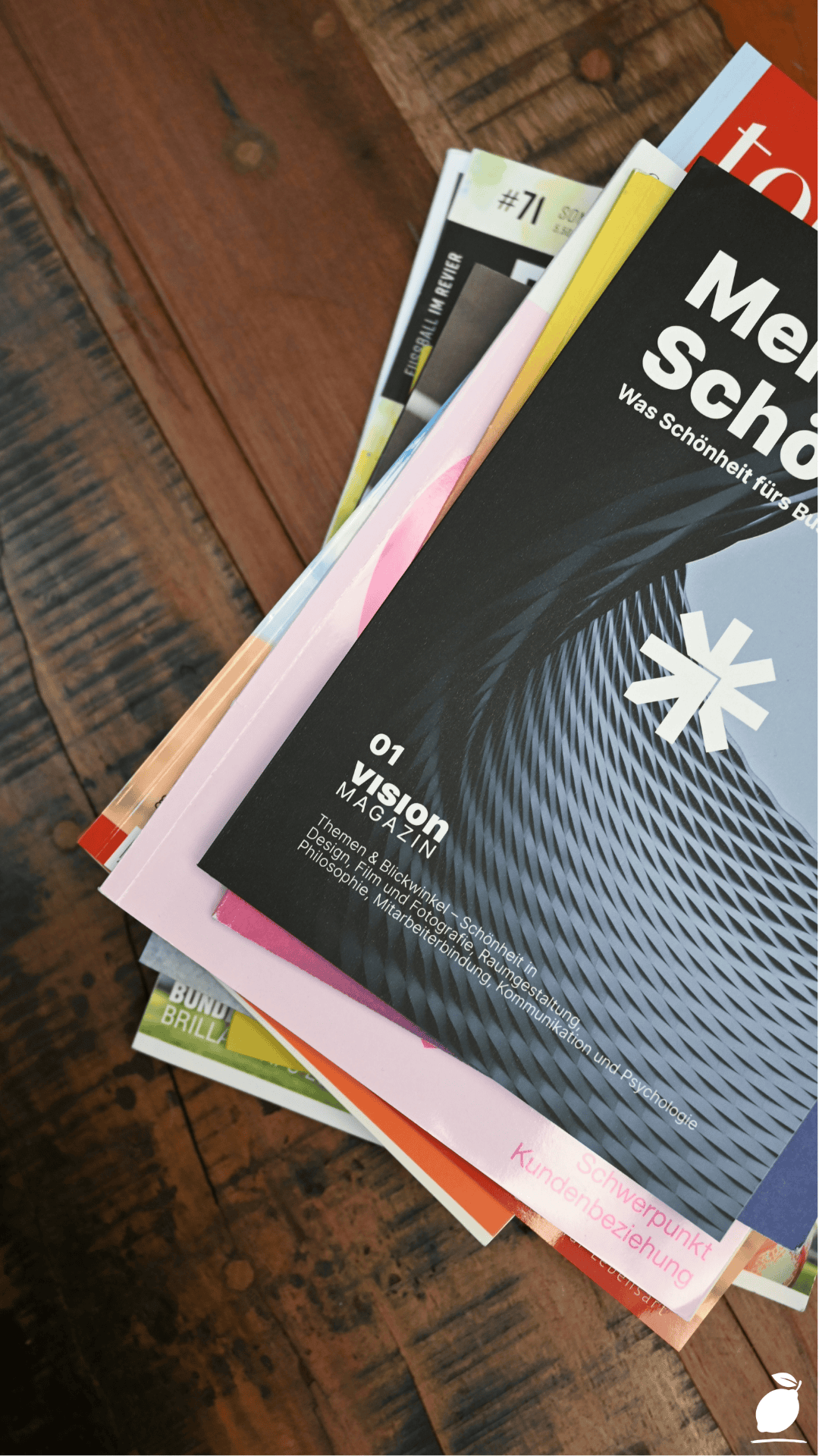
The coffee table had become a landing zone for everything except actual reading material. Magazines slid sideways into a leaning stack, holder junk mail wedged itself between the pages, and every time you sat down to relax, you’d end up shoving the whole pile to one side just to find room for your coffee. What started as “I’ll read that later” had quietly turned into a slouching tower of paper that made the whole living room feel a little more chaotic than it actually was.

If that sounds familiar, you’re far from alone. Magazines and print materials are strange to organize because they’re not quite books, not quite documents, and not quite decor. They slip through the cracks of most storage systems entirely, and without a clear home for them, they end up cluttering exactly the surfaces you’re trying to keep calm and clear.
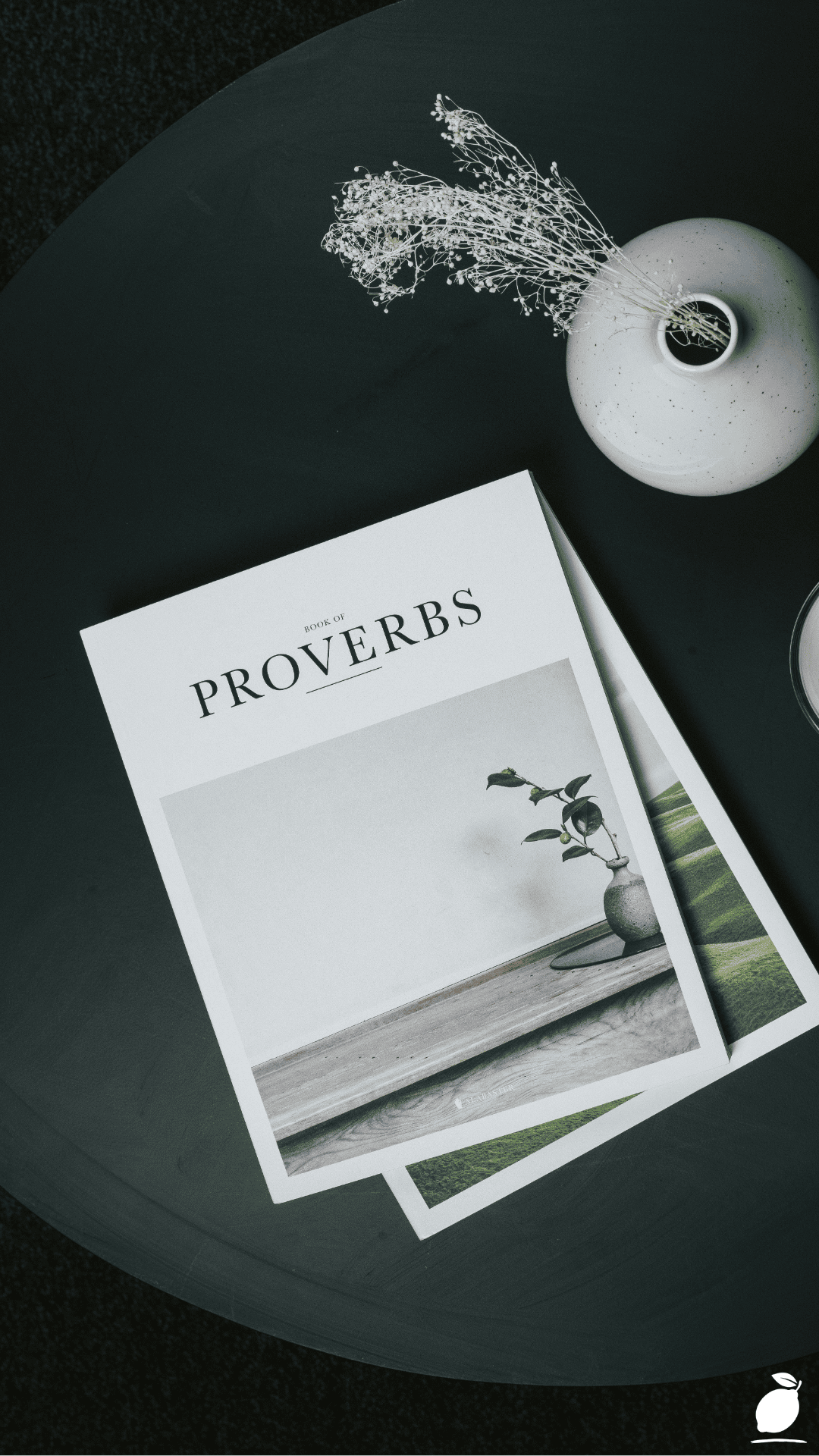
Now picture the alternative: a single, quiet still life one beautifully designed magazine resting at an angle on a dark, matte surface, a small potted plant and a vase of delicate dried flowers nearby, everything intentional, nothing crowded. That kind of calm doesn’t happen by accident. It happens because someone gave their reading material an actual home instead of letting it pile up wherever there was space. Here’s exactly how the right holder can bring that same quiet order to your own coffee table or reading nook.
The Holder System

Getting your magazines under control isn’t about buying more storage; it’s about choosing the right holder and building a simple system around it. Here’s the process, broken into three clear stages.
Step 1: Prepare
Before bringing home a new holder, gather every magazine, catalog, and loose print piece scattered around your space into one pile. Sort through it honestly, keeping only what you’ll realistically revisit and recycling or donating the rest. This step matters more than people expect, since even the best holder will feel overwhelmed if you’re trying to force three years of back issues into it.
Step 2: Implement
Choose a holder that matches both your space and your habits: a slim vertical rack for a narrow side table, a low, open stand for a coffee table display, or a deeper file-style piece if you’re storing more reference material than casual reading. Place it somewhere naturally in your line of sight, like beside your favorite reading chair, so using it becomes part of your existing routine rather than an extra step you have to remember.
Step 3: Maintain
Set a simple weekly habit of returning any loose magazine to its holder rather than leaving it wherever you finished reading. Once a month, do a quick pass through the collection, removing anything outdated or already read, so it never has the chance to slide back into a chaotic pile.
The Secrets to Holder Success
Pro-Tips
Choose a holder with a slight open angle. A tilted or angled shape, similar to how a single magazine rests so beautifully in a styled photo, makes covers visible and genuinely inviting rather than hidden in a flat stack.
Match material to your room’s tone. A matte black or dark wood finish reads as moody and sophisticated, while a light wicker or white ceramic option feels softer and more casual choose based on the mood you already have in the room.
Keep the holder’s capacity intentionally small. Something that only comfortably fits eight to ten issues naturally forces regular editing, which keeps the whole system from quietly overflowing again.
Common Mistakes to Avoid
Buying a holder before sorting your collection. Without a prepared pile, it’s easy to choose a size or style that doesn’t actually match how much you keep.
Placing it somewhere inconvenient. A rack tucked in a closet or another room rarely gets used consistently, since it’s out of the natural flow of where you actually read.
Letting the holder become a permanent archive. Treating it as a place things go to be forgotten, rather than a rotating, actively used space, eventually recreates the same clutter problem in a slightly tidier container.
Why a Holder Matters
There’s a real, quiet relief that comes from a surface that finally has order to it. A cluttered stack of magazines is a small thing, but it adds a steady, low-level visual noise to a room, a tiny reminder of something unfinished every time you glance at it. A well-chosen holder removes that noise entirely, replacing it with something closer to the calm, styled stillness of a single beautifully placed magazine and a small plant.
That shift matters more than it might seem. Small, contained organizing wins like this one genuinely support mental clarity, giving your eyes and your mind one less thing to sort through when you’re trying to relax. A tidy, intentional system turns a coffee table from a source of quiet stress into an actual invitation to sit down, unwind, and read.
At Easy Peasy Life Matters, this is exactly the kind of small, doable project we believe in: not a big renovation, just one well-chosen holder and a simple weekly habit that keeps a whole corner of your home feeling calm and cared for.
FAQ
What’s the best type of holder for a small living room?
A slim, vertical wall-mounted or floor-standing holder works well in tight spaces, since it takes up minimal footprint while still keeping magazines upright and visible rather than stacked flat.
How many magazines should I keep in it at once?
Most well-organized setups work best with eight to ten current issues at a time, which keeps the collection manageable and encourages regular rotation rather than letting old issues pile up indefinitely.
Can a magazine holder work as a decorative piece too?
Yes, choosing a material and finish that matches your room’s aesthetic, like matte black metal or natural wicker, lets it double as an intentional styling element rather than just a functional storage piece.