My patio garden used to be a random assortment of whatever looked nice at the nursery that particular week: a petunia here, a geranium there, nothing planted with any real purpose beyond “pretty.” It looked fine, technically a pollinator pot, but it also felt strangely quiet. No bees humming around the blooms, no butterflies drifting through on a summer afternoon. Just flowers sitting there, doing nothing but existing, while I half-heartedly watered them and wondered why the garden never felt as alive as the ones I saw online.
If you’ve ever planted a container garden that looked decent but somehow felt lifeless, you might be missing the same thing I was: intention behind the plant choices themselves. Not every flower attracts pollinators, and a pot full of the wrong varieties can look full and colorful while still being empty of the buzzing, fluttering activity that makes a garden feel truly alive. The fix isn’t more flowers. It’s the right flowers, chosen specifically to draw bees and butterflies in.
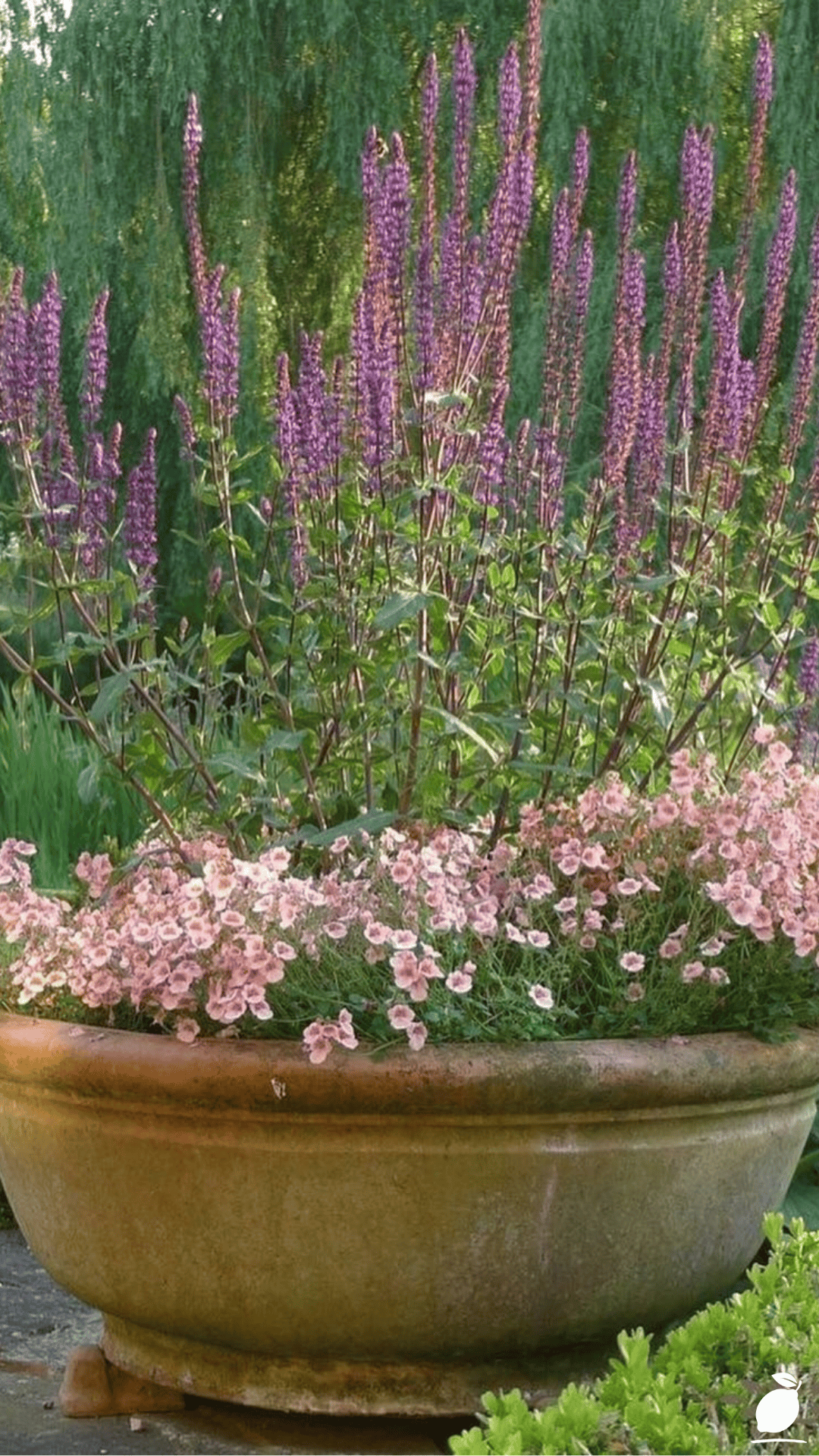
That’s exactly what I saw in a photo that reshaped how I thought about container gardening: a tall oval terracotta pot layered with spiky purple Russian sage rising above cascading pink and white verbena, set against the soft, drooping backdrop of a weeping willow. It wasn’t just beautiful; it was clearly built to attract pollinators, with tall nectar-rich spikes and a low, spreading ground layer working together. That single pot became my blueprint for turning my own patio into something genuinely alive. Here’s exactly how to build your own DIY pollinator pot.
The Pollinator Pot Blueprint
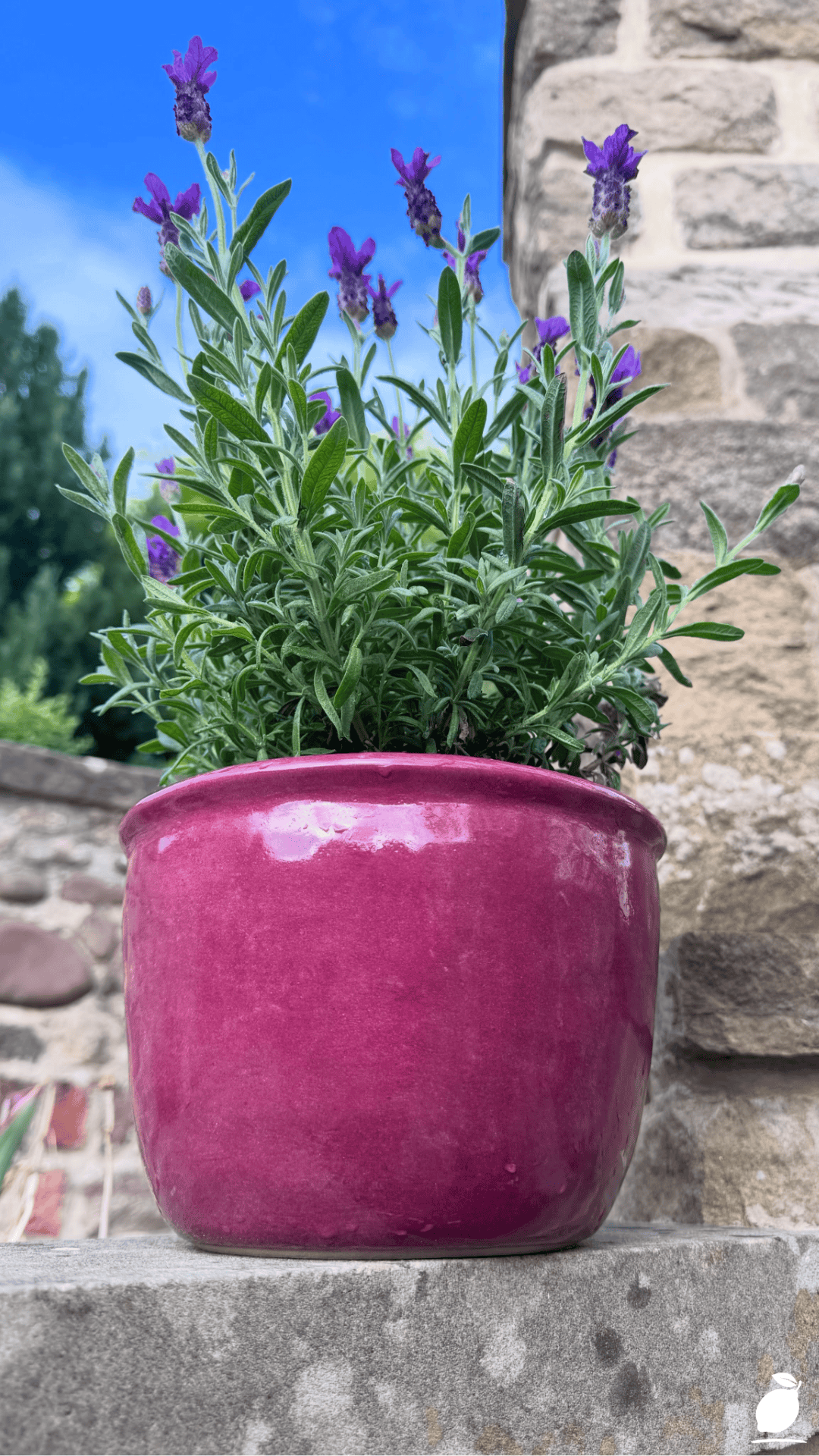
Step 1: Choose a Large, Well-Draining Container
Select a pot at least 16-18 inches in diameter with adequate drainage holes, since pollinator-friendly plants like Russian sage need room for their root systems and don’t tolerate waterlogged soil well.
Step 2: Select a Tall, Nectar-Rich Centerpiece Plant
Choose a tall, spiky bloomer like Russian sage, salvia, or agastache for the center or back of your pot. These vertical, nectar-dense flowers are especially attractive to bees and act as a strong visual anchor for the entire arrangement.
Step 3: Add Mid-Height Filler Blooms
Layer in mid-height flowering plants like coneflower, zinnia, or lantana around your centerpiece. This middle layer fills out the pot’s overall shape and extends the bloom period, since different plants flower at slightly different times.
Step 4: Choose a Cascading Ground Cover Layer
Select a trailing, low-growing plant like verbena, sweet alyssum, or trailing lobelia to spill over the pot’s edges. This layer softens the container’s silhouette and provides easy landing platforms for smaller pollinators like bees.
Step 5: Use Well-Draining, Nutrient-Rich Potting Soil
Fill your container with a quality potting mix designed for containers, avoiding dense garden soil that can compact and restrict root growth. Amend with compost if your chosen plants benefit from extra nutrients.
Step 6: Plant in Layers, Tallest to Shortest
Position your tallest plant toward the back or center, mid-height plants around it, and trailing plants along the edges. Planting in this order from the start makes the arrangement easier to visualize and balance as everything grows in.
Step 7: Water Deeply and Consistently
Water your newly planted pollinator pot thoroughly after planting, then maintain consistent moisture as roots establish over the following weeks. Container gardens dry out faster than in-ground beds, so check soil moisture regularly, especially during hot weather.
Step 8: Skip Pesticides and Choose Organic Care
Avoid chemical pesticides entirely, since they’re harmful to the very bees and butterflies you’re trying to attract. Use organic pest control methods, like insecticidal soap or simply hand-picking pests, if issues arise.
Expert Secrets for Success
Pro-Tips for a Better Result
- Choose native or regionally adapted plant species when possible, since local pollinators are often more strongly drawn to plants they’ve evolved alongside.
- Stagger bloom times by selecting plants that flower in different months, keeping your pollinator pot productive and attractive from spring through fall.
- Place your pot in a sunny spot receiving at least six hours of direct sunlight daily, since most pollinator-friendly flowers need substantial light to bloom well.
- Group multiple pollinator pots together if space allows; clusters of blooms are often more visible and attractive to pollinators than a single isolated container.
Common Mistakes to Avoid
- Don’t choose heavily hybridized “double bloom” flower varieties; many have been bred in ways that reduce or eliminate the nectar and pollen pollinators need.
- Avoid using systemic pesticides or treated soil, since these can harm pollinators even when applied correctly for pest control purposes.
- Don’t overcrowd your pot with too many plant varieties competing for the same root space; overcrowding can stunt growth and reduce overall blooming.
- Resist letting your pot dry out completely between waterings; inconsistent moisture stresses plants and can significantly reduce flower production.
Why a Pollinator Pot Matters
A garden isn’t just decoration; it’s a small, living ecosystem, and a well-designed pollinator pot invites that ecosystem right onto your own patio or porch. Watching bees and butterflies actually visit and use a space you planted with intention brings a specific kind of satisfaction that purely ornamental gardening rarely offers. It’s proof that a small container can genuinely support something bigger than itself.
There’s real mental clarity that comes from tending a garden that feels alive rather than static. For families, a pollinator pot can also become a simple, shared source of wonder a chance for kids to spot a butterfly up close, or to learn why bees matter, right outside the back door. That quiet, ongoing connection to nature, built from just one thoughtfully planted pot, adds a genuine sense of calm and purpose to everyday home life.
FAQ
What are the best flowers for attracting bees and butterflies to a container?
Russian sage, salvia, coneflower, verbena, and lantana are all excellent choices, offering a mix of nectar-rich blooms across different heights and bloom times.
How big should a pollinator pot be?
A container at least 16-18 inches in diameter provides enough root space for a layered planting of tall, mid-height, and trailing pollinator-friendly plants.
Do pollinator pots need full sun?
Most pollinator-attracting plants thrive in full sun, generally requiring at least six hours of direct sunlight daily to bloom abundantly and attract the most pollinator activity.
Can I create a pollinator pot in a small space, like an apartment balcony?
Yes, a single well-chosen pollinator pot can attract bees and butterflies even in small urban spaces, especially when placed in a sunny spot and planted with compact, nectar-rich varieties.
How do I keep pests away from a pollinator pot without harming beneficial insects?
Use organic methods like insecticidal soap, neem oil, or hand-removal of pests rather than chemical pesticides, which can harm the very bees and butterflies your pot is designed to attract.