We know what it’s like to feel overwhelmed by life! The laundry piles up and becomes an entire ecosystem; our calendars look like a patchwork quilt of deadlines; and cooking dinner can feel like you’re making a deal with the devil!
We want to have an intentional life, but oftentimes we just want to find a matching pair of socks while we look at the overflowing sink in the kitchen! And while it’s true that there are beautiful, edible flowers to grow, a chaotic cycle of busyness that’s exhausting and leaves us feeling “disconnected” from the home(s) we work hard to create and maintain, there is also an enormous need for both visual and mental “reset” in the midst of this busy cycle at home.
Many of us see “peace” in large, expensive changes, but most of the true peace we can create will be found in the tiny, tangible pieces that we care for ourselves. For example, if you were to substitute the 10 minutes you spend glancing at stressful headlines for 10 minutes spent underneath the shade of a tree while breathing in the scent of both wet dirt and blooming plants, you would be amazed by how much “magic” occurs by moving from constantly reacting to our environment to gently cultivating the same environment.
The Edible Flowers To Grow: Blueprint
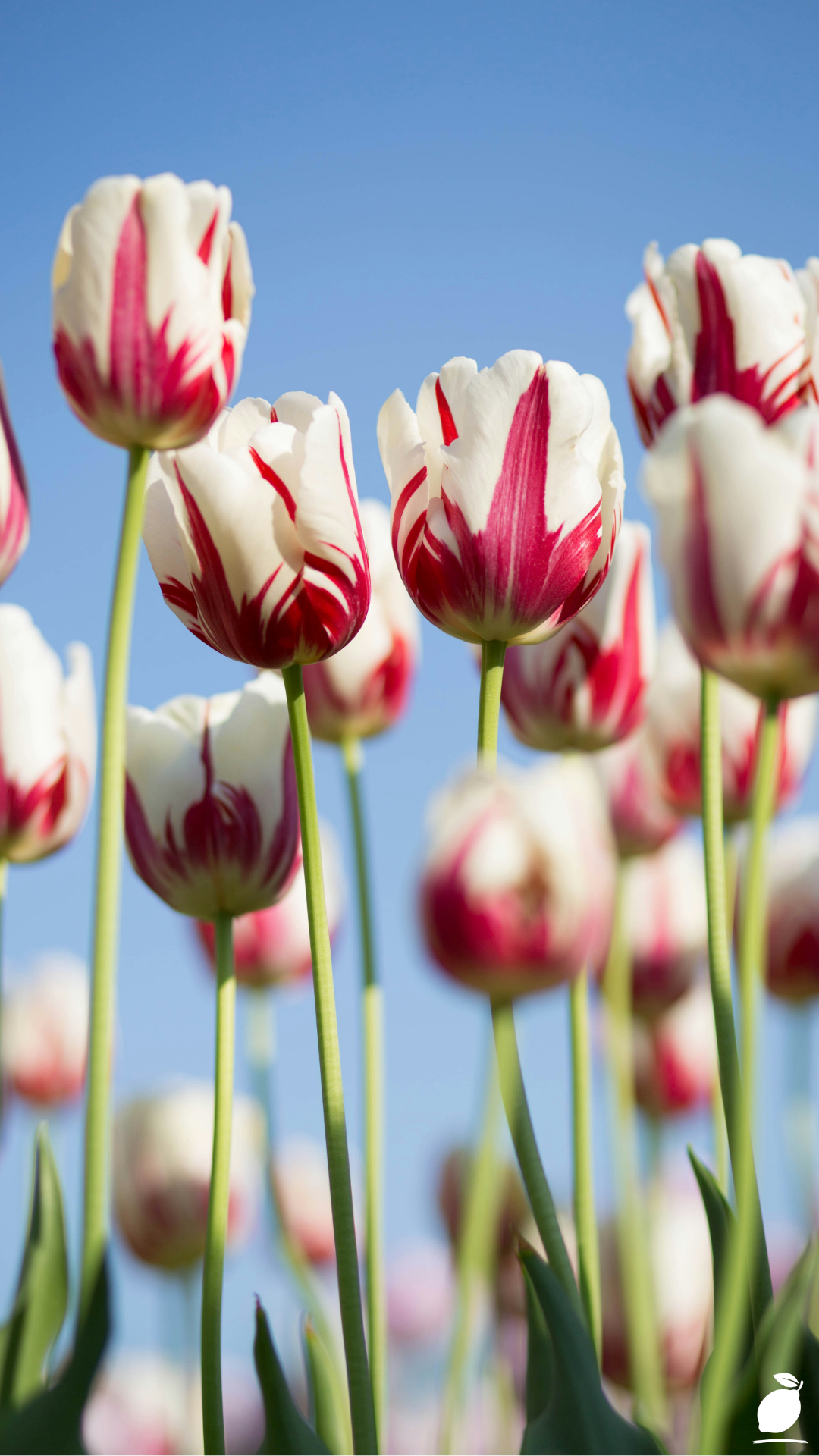
Choose Your Culinary Stars
The first step in your journey is selecting the right varieties. While peonies are stunning for the soul, if you want beauty you can eat, look toward Nasturtiums for a peppery kick, Pansies for a mild wintergreen flavor, or Lavender for sweet, floral notes. These are some of the most rewarding edible flowers to grow because they offer high yields with minimal fuss. Ensure you are purchasing seeds or starts specifically labeled as organic or food-grade to avoid systemic pesticides often found in purely ornamental nursery stock.
Prepare the Foundation
Edible flowers thrive in well-draining soil with plenty of organic matter. Whether you are using raised beds or containers on a sunny balcony, the secret to success with edible flowers is consistent moisture without waterlogging. Aim for a spot that receives at least six hours of sunlight. If you are planting in pots, use a high-quality potting mix enriched with compost to give your blooms the nutrients they need to produce vibrant, flavorful petals.
Strategic Planting and Spacing
Follow the specific depth requirements on your seed packets, but generally, most flower seeds only need a light dusting of soil. Space them according to their mature size to ensure proper airflow, which prevents powdery mildew, a common mood-killer in any patch of edible flowers to grow. For a lush look similar to a dense bouquet, you can plant slightly closer than recommended, provided you are diligent about pruning and harvesting.
The Maintenance Rhythm
Growing food-grade flowers requires a clean approach. Skip the chemical fertilizers and opt for fish emulsion or seaweed extract. Deadheading, the process of removing faded blooms, is your most important task here. Not only does it keep your selection of edible flowers to grow looking tidy, but it also signals the plant to keep producing more flowers rather than shifting its energy toward seed production.
Expert Secrets for Success
Pro-Tips for a Better Result
- The Morning Harvest Rule: For a formal, premium look and better flavor, harvest your edible flowers in the early morning while the lighting is soft and the petals are hydrated.
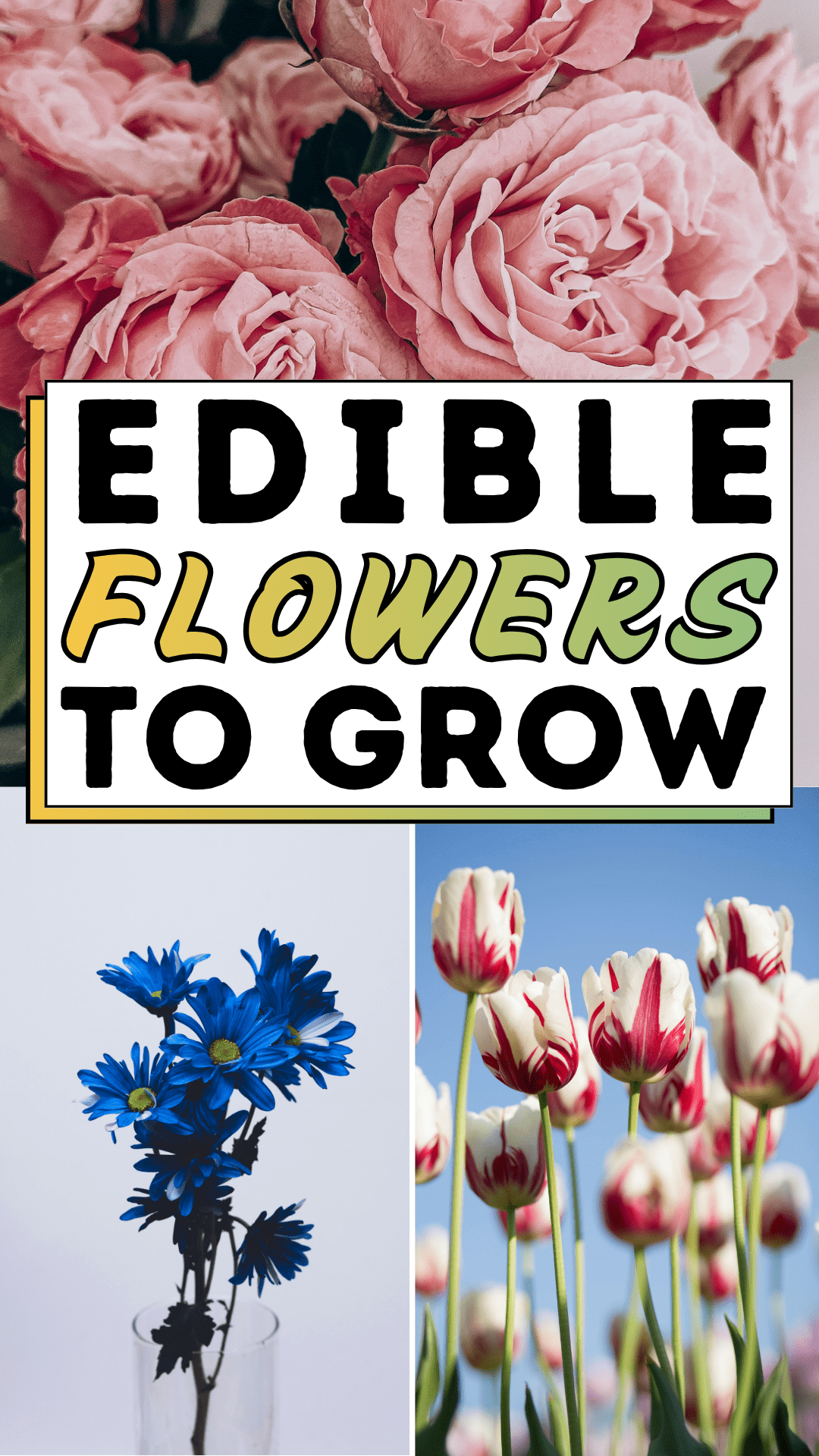
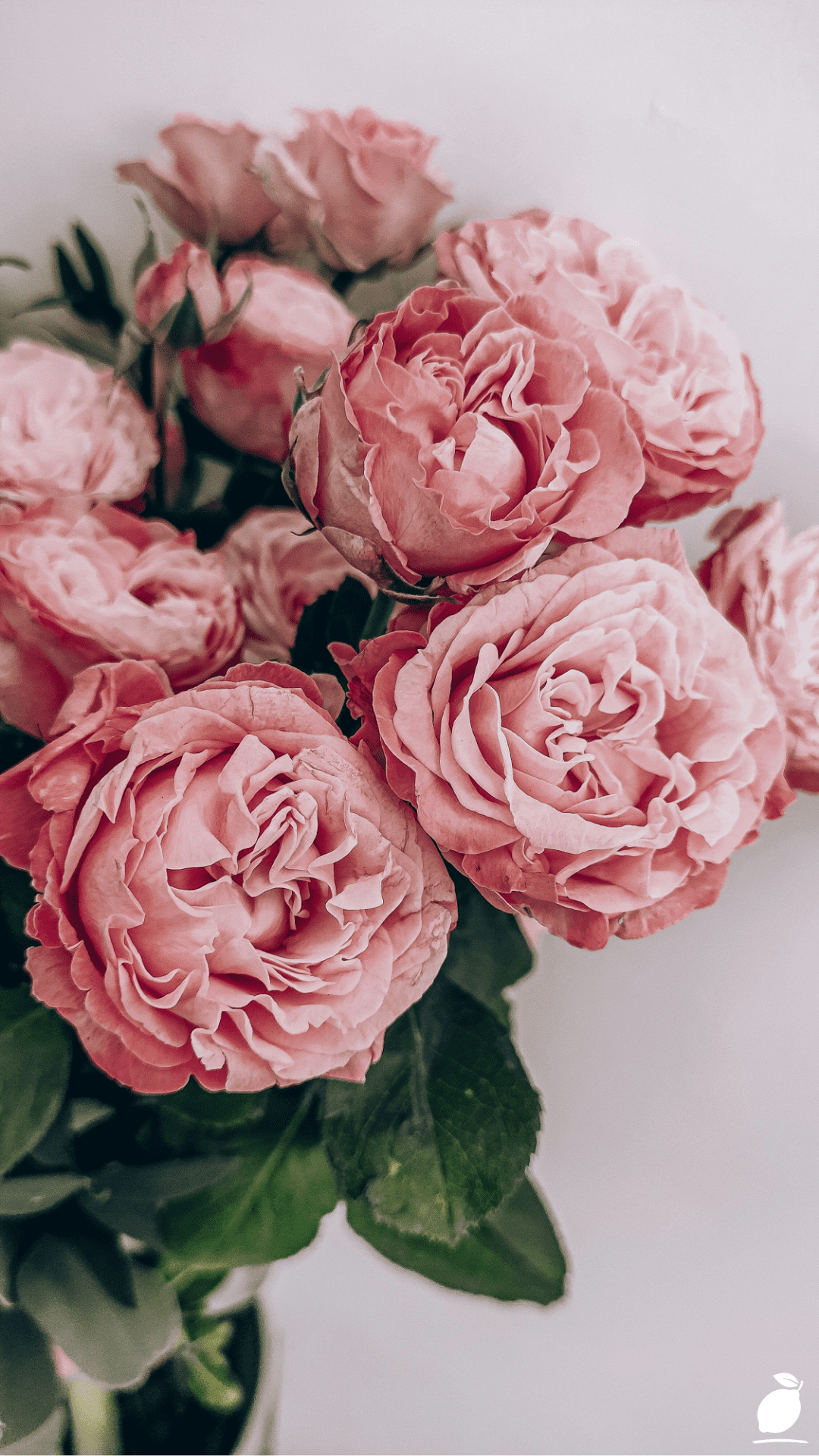
- The Tonal Contrast Strategy: Always evaluate your flowers against their background. Dark green leaves provide a striking contrast to pink blooms, creating a psychological sense of order and architectural stability.
- The Dreamy Depth Filter: To achieve a professional-grade aesthetic in your garden photography or presentation, maintain a shallow depth of field, creating a gentle blur effect in the background that highlights the natural texture of the petals.
Common Mistakes to Avoid
- The Chemical Noise Trap: Do not use systemic pesticides on edible flowers to grow. This leads to a messy struggle with food safety. A premium result requires a structured, organic approach.
- Ignoring the Pollen Factor: Many people forget to remove the pistils and stamens before eating. This can introduce unorganized flavors or allergens. To succeed, focus on the delicate petals for the cleanest culinary experience.
- Over-complicating the Display: Avoid the urge to mix too many unorganized colors. A high-quality sanctuary often relies on a centered composition of soft pinks and whites to maintain a dreamy, atmospheric glow.
Why Edible Flowers To Grow Matters
In a world that demands high-speed results, the act of cultivating beauty is a necessary rebellion. It forces a slower pace that directly benefits your mental clarity. When you engage in the repetitive, gentle tasks of gardening, your brain shifts away from the fight or flight mode of modern work life and into a state of flow. This peace is contagious; a home filled with edible flowers to grow and enjoy feels more grounded and stable for the entire family.
Furthermore, involving the family in the process turns a DIY project into a shared legacy. When children see that a flower can go from a seed in the dirt to a garnish on their birthday cake, it builds a sense of wonder and agency. Achieving success with edible flowers to grow provides a blueprint for tackling larger home challenges. It proves that with a little patience, you can transform any messy situation into something full of grace and purpose.
FAQ
Which edible flowers are the easiest for beginners?
Nasturtiums and Marigolds are incredibly hardy and grow quickly from seed, making them perfect candidates for your first edible flowers to grow.
Can I grow edible flowers indoors?
Yes, wide varieties like Violas and Calendula can thrive on a bright, sunny windowsill as long as they receive adequate light and the soil is kept consistently moist, making them great edible flowers to grow year-round.
How do I clean the flowers before eating?
Gently shake the flowers to remove any small insects, then dip them briefly in a bowl of cool water. Pat them dry very carefully with a soft towel to avoid bruising the delicate petals.
Are all roses edible?
Technically, all rose petals are edible, but the flavor varies wildly between varieties. Generally, the more fragrant the rose, the better it will taste in syrups, teas, or salads.