The kitchen counter had become a graveyard for paper nobody wanted to deal with. School permission slips buried under takeout menus, a stack of mail that hadn’t been opened in over a week, random receipts shoved into a drawer “just in case,” and at least three different notebooks with half-finished to-do lists scattered across different rooms. Every time you needed one specific piece of paper an appointment card, a warranty, a recipe torn from a magazine it took ten minutes of digging through piles that all looked equally chaotic.
If this sounds familiar, you’re far from alone. Paper is uniquely hard to manage because it arrives constantly and rarely announces its own importance. A single week can bring bills, school notices, appointment reminders, and random scraps all mixed, and without a system, they pile up faster than anyone can realistically sort them one piece at a time. It’s not a lack of effort; it’s a lack of structure.
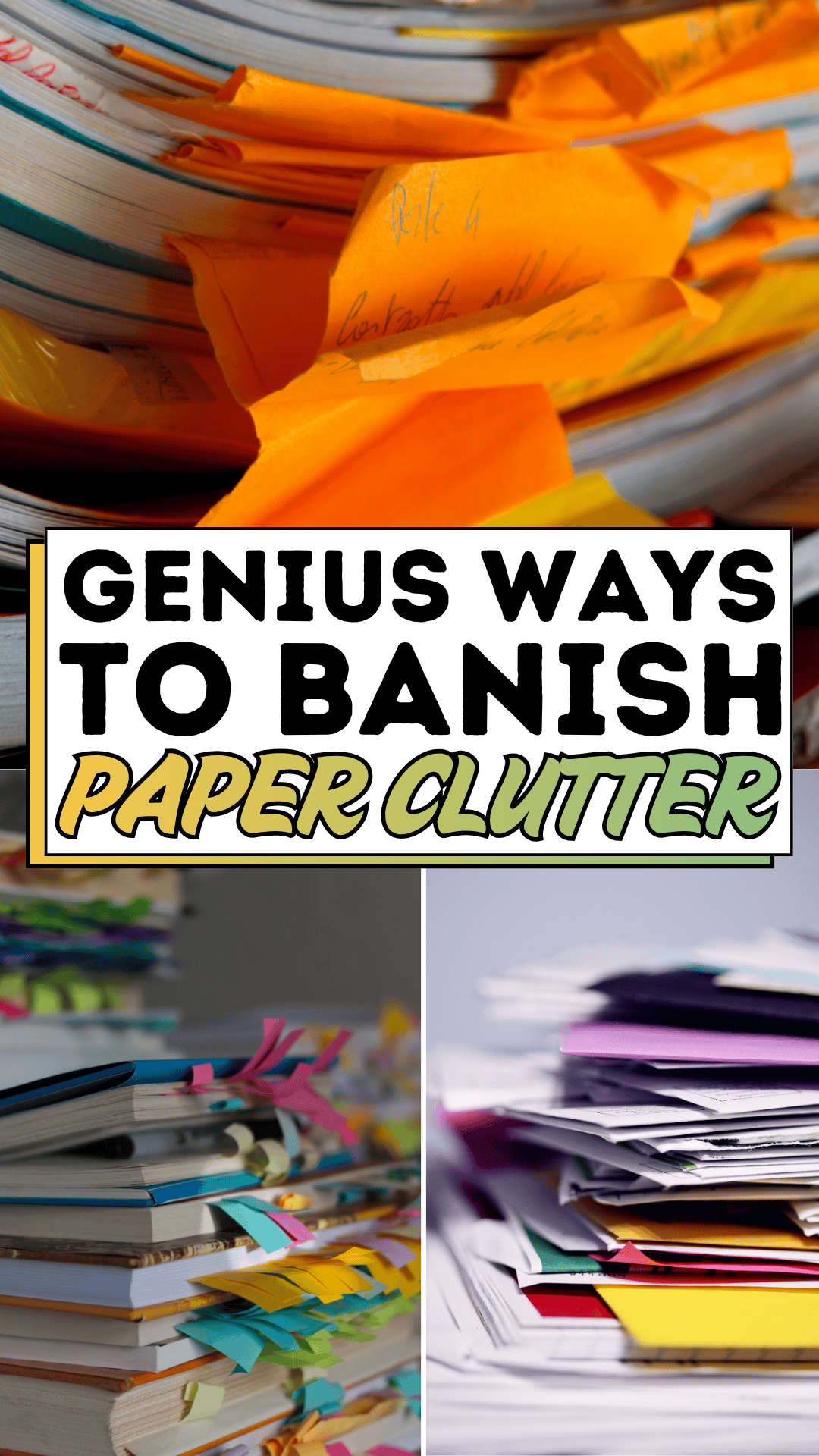
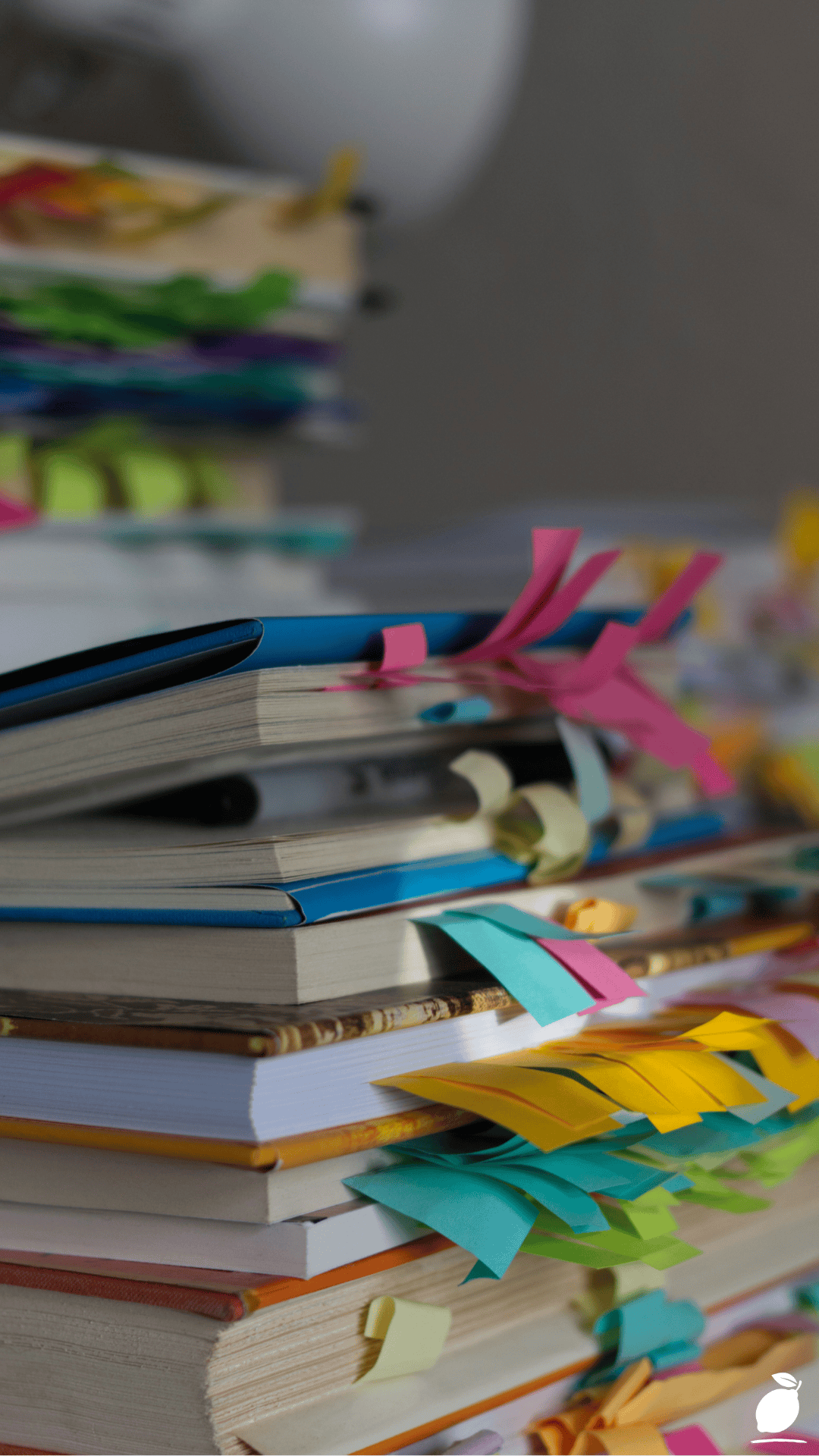
Now picture the opposite: a stack of books, each one marked with colorful sticky notes and bookmarks in exactly the right spot, everything findable at a glance instead of buried in a chaotic pile. That’s the entire idea behind a real system for paper: not eliminating every piece of paper you own, but giving each type a clear, visible, intentional place. These genius ways to banish paper clutter will help you build exactly that kind of calm, findable system in your own home.
The Paper Clutter Blueprint
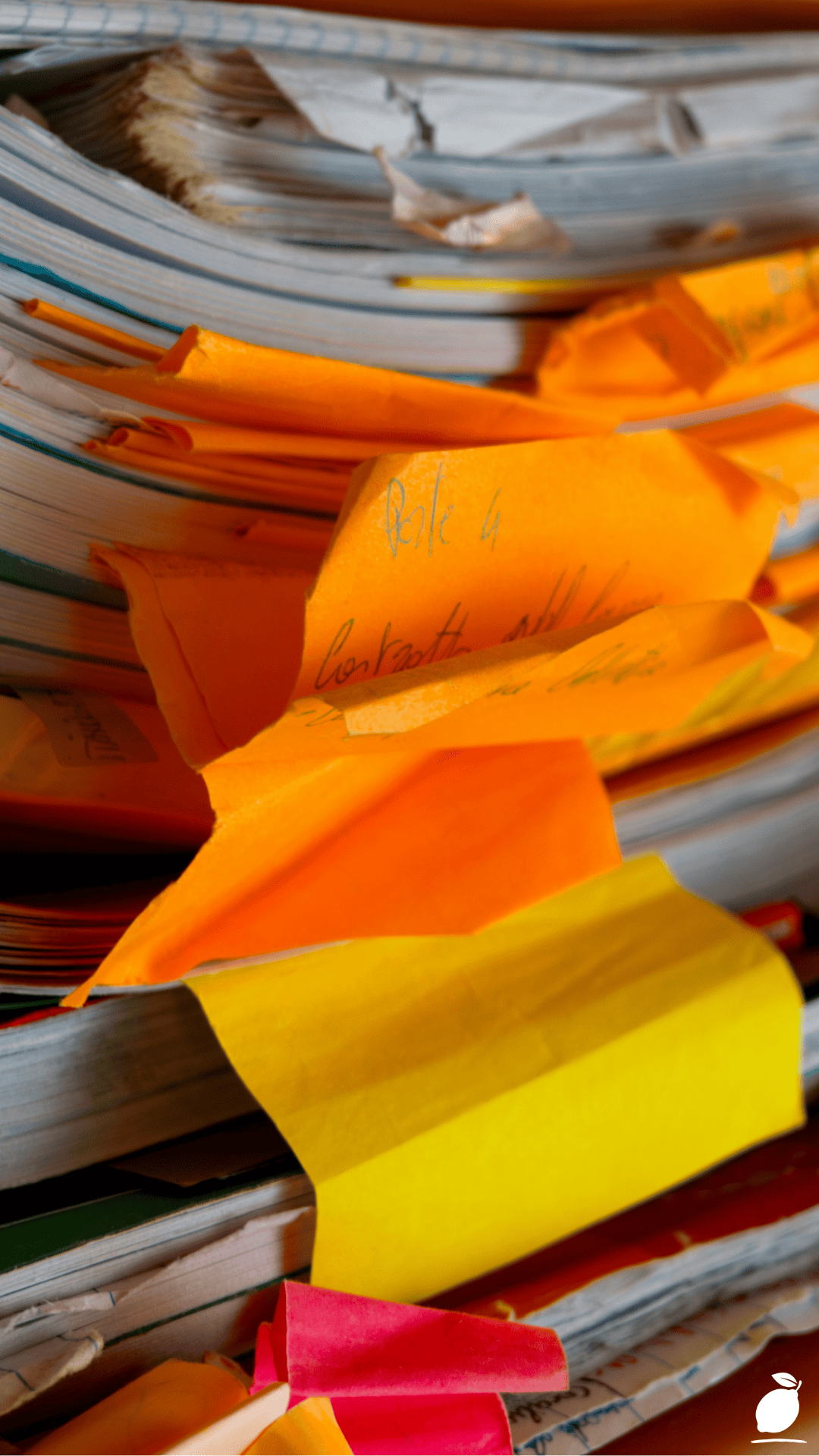
Getting real, lasting control over paper clutter comes down to sorting, categorizing, and building simple daily habits around it. Here’s the full sequence.
Step 1: Gather Every Piece of Paper in One Place
Collect every loose paper from counters, drawers, bags, and random piles into a single central spot. Seeing the full scope of your paper clutter at once is the necessary first step before any real system can take hold.
Step 2: Sort into Broad Categories
Divide everything into simple categories like bills, school papers, receipts, personal notes, and keepsakes. This initial sort turns an overwhelming mountain of paper clutter into several smaller, far more manageable piles.
Step 3: Apply the Immediate Decision Rule
For each category, quickly decide: action needed, file for reference, or recycle. Making this decision immediately, rather than setting the paper aside “for later,” is what actually prevents paper clutter from reaccumulating.
Step 4: Set Up a Simple Filing System
Create a small filing system with clearly labeled folders or a filing box for anything you need to keep, like tax documents, warranties, or medical records.
Step 5: Create an Inbox for Incoming Paper
Designate one small tray or folder as the landing spot for all new mail and paper as it enters the house, giving incoming clutter a single, contained place to live until it’s processed.
Step 6: Digitize What You Can
Scan or photograph documents you need for reference but don’t need in physical form, like receipts or instruction manuals, then recycle the paper original to reduce your ongoing paper clutter significantly.
Step 7: Use Visual Markers for Active Items
Borrow a trick from the styled stack of books above: use colorful sticky notes or tabs to flag anything requiring near-term action, making priority items instantly visible instead of lost in a stack.
Step 8: Build a Weekly Processing Habit
Set a recurring ten-minute weekly session to empty your inbox tray, file anything needed, and recycle the rest, so paper clutter never has the chance to build back up to overwhelming levels.
Expert Secrets for Success
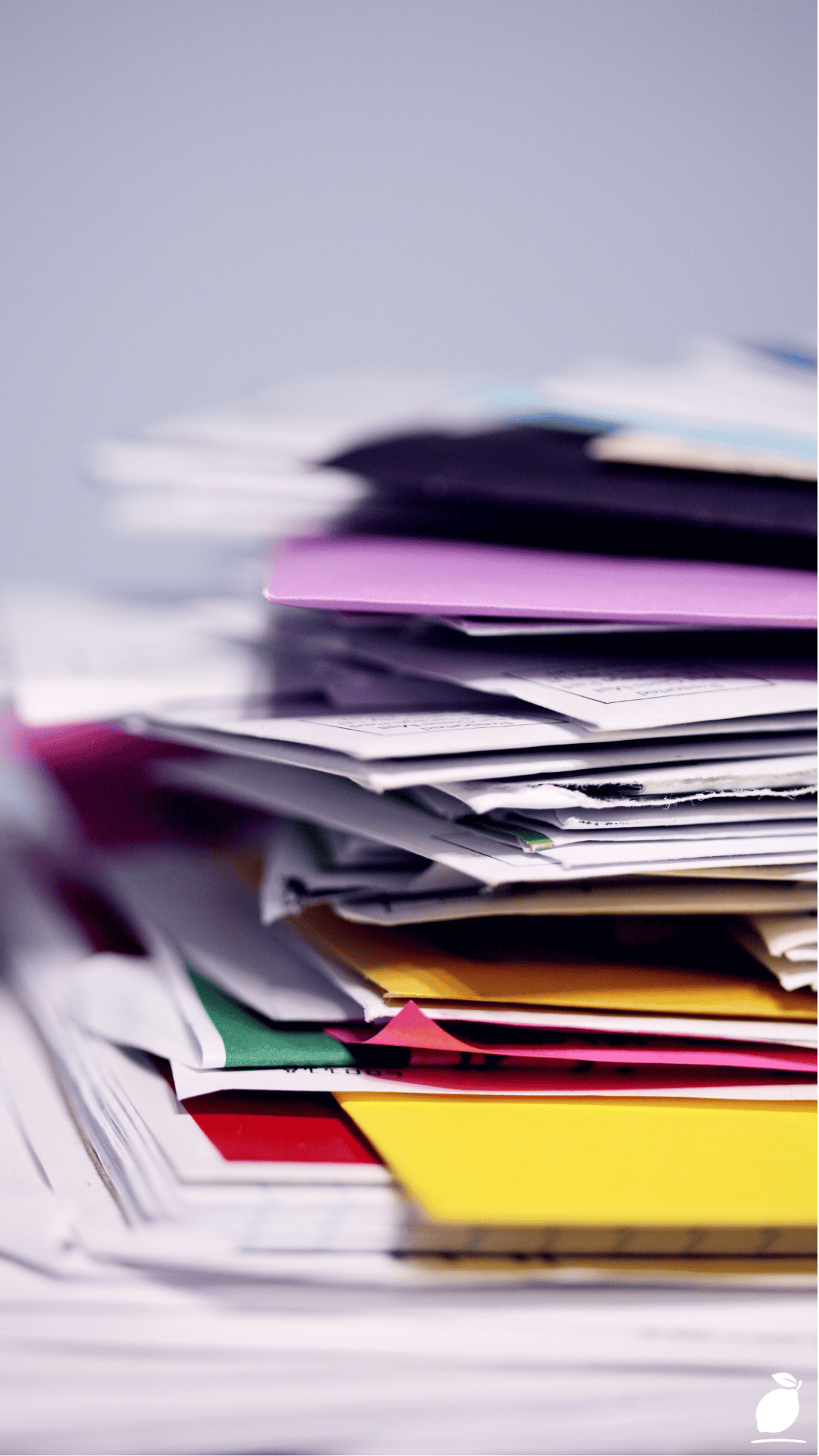
Pro-Tips for a Better Result
Handle each paper only once when possible. Deciding immediately whether to file, act on, or toss a piece of paper prevents it from being shuffled around and re-decided on repeatedly.
Color-code your categories. Using different colored folders or sticky notes for bills, school papers, and personal documents makes sorting and retrieving information dramatically faster.
Keep your filing system shallow, not deep. A simple system with a handful of broad categories is far easier to maintain long-term than an overly detailed one with dozens of subfolders.
Recycle immediately, not eventually. Keep a recycling bin or shredder within arm’s reach of your paper inbox so unwanted items never have the chance to become part of a growing pile.
Revisit your system seasonally. A quick review every few months ensures your categories still match what’s actually coming into your home, since paper clutter sources tend to shift over time.
Common Mistakes to Avoid
Skipping the full gather-and-sort step. Trying to organize paper clutter in small batches without first seeing the full scope often leads to an incomplete, inconsistent system.
Creating too many categories. An overly complex filing system becomes just as hard to maintain as no system at all, since it adds decision fatigue to every piece of paper.
Letting the inbox tray become a permanent pile. Without a regular weekly habit, even a well-designed paper inbox can quietly turn into the very paper clutter it was meant to prevent.
Keeping paper “just in case” indefinitely. Holding onto every receipt or document without a clear reason is one of the fastest ways for paper clutter to silently rebuild.
Ignoring digital alternatives. Failing to scan or digitize reference documents means holding onto far more physical paper than necessary.
Why Paper Clutter Matters
There’s a specific, low-grade stress that comes from a home filled with paper piles, bills you’re not sure you paid, school forms you might have missed, important documents you can’t quite locate when you need them. That constant background uncertainty adds up, even when it doesn’t feel like an obvious source of stress in the moment.
Clearing paper clutter does more than tidy a counter. It removes a recurring source of mental friction, replacing “did I already deal with that?” with a clear, confident answer. For families, a simple paper system also reduces the small daily conflicts that come from important documents getting lost or forgotten in the shuffle.
At Easy Peasy Life Matters, this is exactly the kind of small, doable project we love supporting: not a massive organizational overhaul, just a clear, sustainable system that quietly reduces daily stress. Banishing paper clutter for good is proof that a calmer, more peaceful home often comes down to a few simple habits, applied consistently.
FAQ
How do I start decluttering paper if I’m already overwhelmed?
Start with just one small area, like a single drawer or counter pile, rather than tackling the whole house at once. Sorting into simple categories and processing a little at a time prevents the task from feeling impossible.
How long should I keep paper documents before shredding them?
Most financial and tax documents should be kept for three to seven years depending on your situation, while receipts and non-essential paperwork can typically be discarded much sooner once no longer needed.
What’s the best way to handle kids’ school papers?
Designate one folder or bin per child for active school papers, and set a regular time, like weekly or monthly, to review and either keep meaningful keepsakes or recycle the rest.
Should I go completely paperless to avoid clutter?
Not necessarily. Digitizing reference documents and reducing physical mail where possible helps significantly, but a small, well-organized physical system for essential paperwork is still practical for most households.
How often should I process my paper inbox tray?
A weekly ten-minute session is typically enough to keep a paper inbox from building into clutter, though busier households may benefit from a quick daily check instead.