Every Saturday morning used to start the same way: coffee in hand, staring at the front yard with a mix of guilt and exhaustion. The lawn had brown patches no amount of watering seemed to fix, the flower beds we’d planted with big plans two springs ago were either overgrown or dead, and the whole thing demanded hours of mowing, edging, weeding, and watering just to look “fine.” Not beautiful. Not welcoming. Just barely presentable, and only for about a day before it started looking tired again.
If that sounds familiar, you’re far from alone. A huge number of homeowners inherit or plant a front yard that looks good on paper but turns into a genuine time sink: thirsty grass, fussy annuals, beds that need constant deadheading and pest-checking just to survive. It’s not that anyone lacks a green thumb. It’s that most traditional landscaping was never designed around the realistic amount of time people actually have on a weekend.
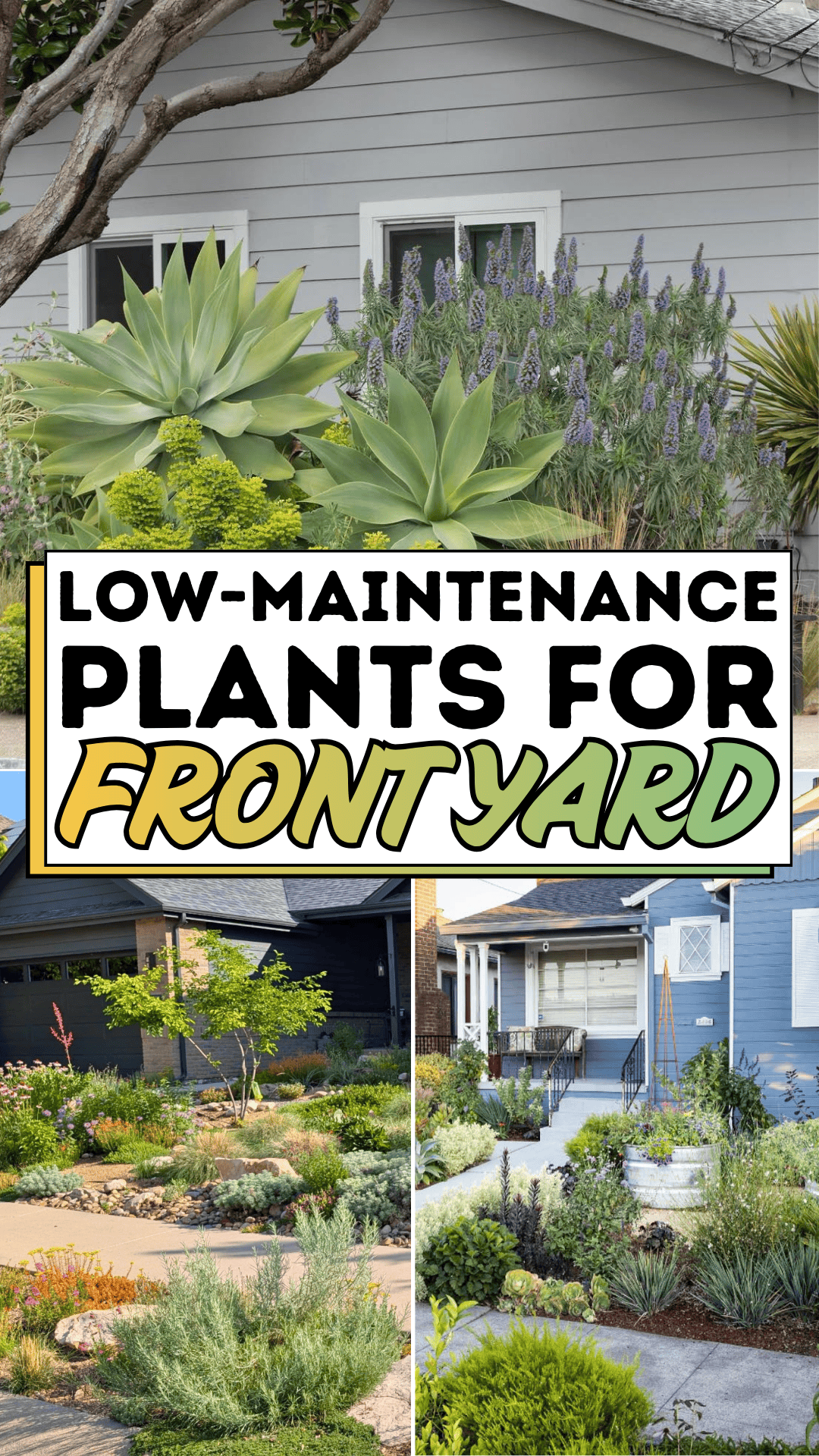
What finally changed everything for us was seeing a front yard that looked genuinely inviting without any of that upkeep behind it a cottage-style house with soft blue siding, a curved concrete path leading to the door, and garden beds filled with structural, textural plants: blue agave, ornamental grasses swaying in layers, pops of purple flowers, all requiring a fraction of the water and effort of a traditional lawn. That’s the entire idea behind this guide. These are the low-maintenance plants for front yard spaces that actually deliver that same calm, layered, curb-appeal-ready look, without turning your weekends into yard work.
The Low-Maintenance Plant Guide
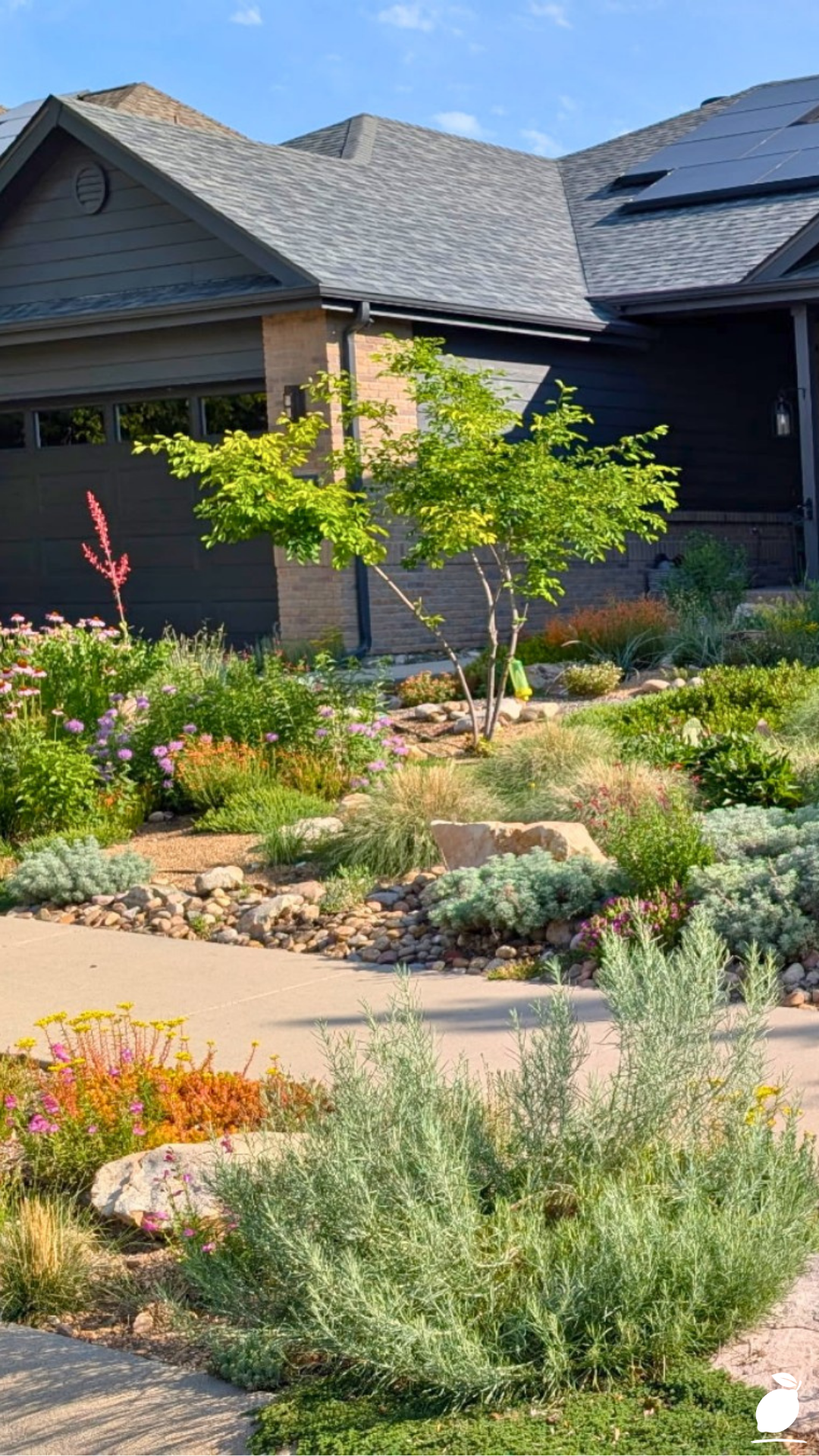
Each of these plants was chosen for the same reasons that make a xeriscape-style front yard work so well: minimal water needs, strong structure, and very little ongoing fuss once established.
Blue Agave
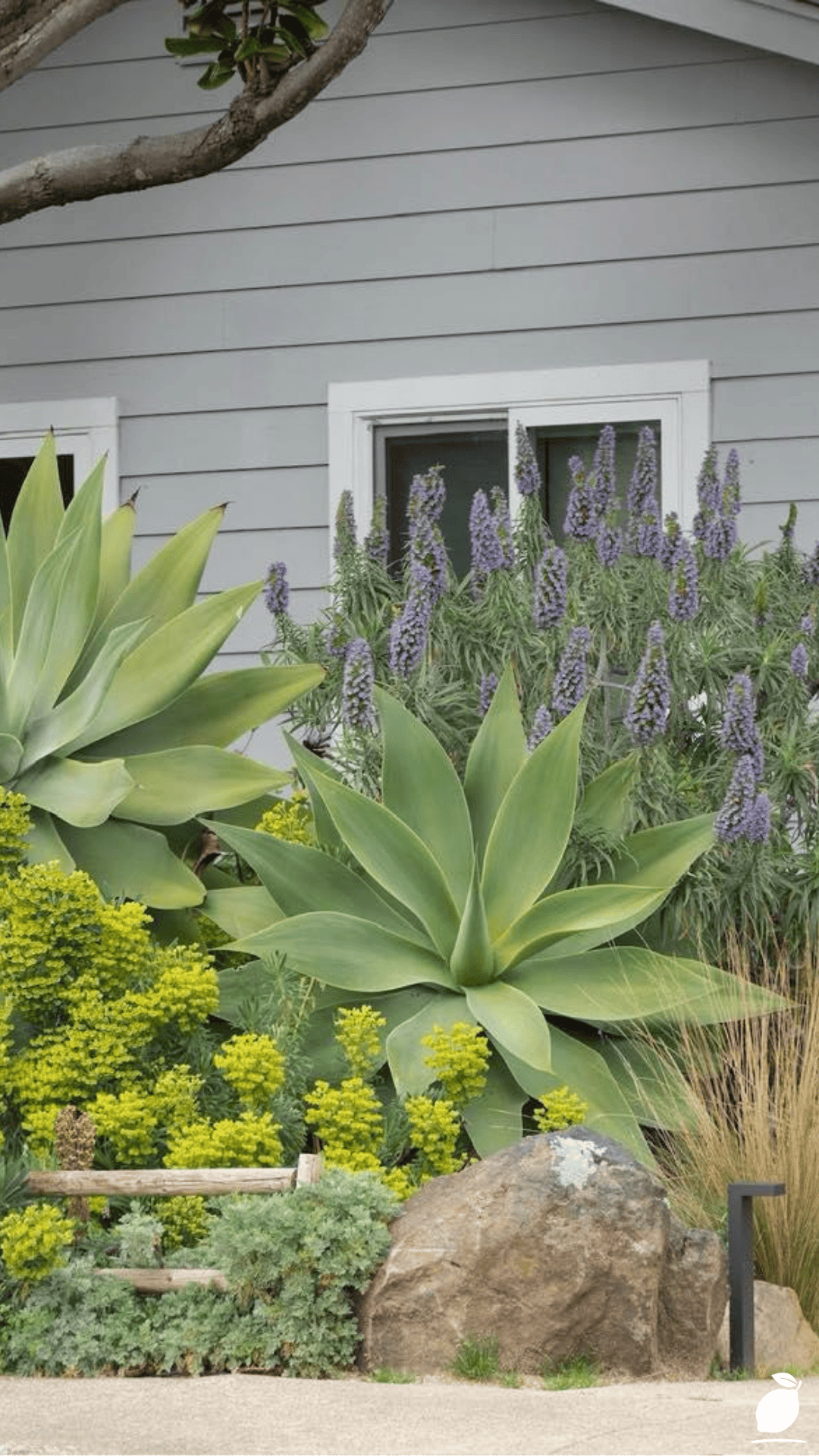
This architectural succulent forms bold, spiky rosettes that instantly add structure and a modern edge to any front bed.
Why it works: Agave thrives on neglect, needing minimal water once established and almost no pruning, while its striking silhouette anchors a low-maintenance plant grouping beautifully.
Ornamental Grasses
Varieties like blue fescue or feather reed grass bring movement and soft texture, swaying gently and filling in beds with very little care.
Why it works: Most ornamental grasses are drought-tolerant, need just one annual trim in late winter, and spread naturally to fill space without aggressive maintenance.
Lavender
This fragrant, purple-flowering perennial thrives in poor, well-drained soil and brings both color and scent to a front entrance.
Why it works: Lavender is naturally drought-resistant, deer-resistant, and needs only an occasional light pruning after blooming, making it one of the most rewarding low-maintenance plant choices for sunny beds.
Russian Sage
With airy purple blooms and silvery foliage, Russian sage adds height and soft color without demanding much attention.
Why it works: It tolerates poor soil, requires very little water once established, and rarely needs pest treatment, holding its shape and color from summer through fall.
Sedum (Stonecrop)
This low, spreading succulent groundcover fills gaps between larger plants with dense, textured foliage and late-season blooms.
Why it works: Sedum stores water in its leaves, making it exceptionally drought-tolerant, and it spreads slowly enough to stay tidy without regular trimming.
Yucca
Bold, sword-like leaves give yucca a striking sculptural presence that pairs beautifully with softer grasses and flowering perennials.
Why it works: Yucca is nearly indestructible once planted, tolerating extreme heat, poor soil, and long dry spells with essentially no maintenance required.
Rosemary
This woody, fragrant herb doubles as both a landscaping shrub and a kitchen staple, with soft blue-green foliage year-round.
Why it works: Rosemary thrives in dry, sunny conditions and needs only occasional shaping, making it a genuinely useful low-maintenance plant that earns its space in more ways than one.
California Poppy
These cheerful orange and yellow blooms self-seed readily and add a burst of seasonal color without any replanting effort.
Why it works: As a native drought-tolerant wildflower, California poppy needs no supplemental watering once established and reliably returns year after year with minimal intervention.
Expert Secrets for Success
Pro-Tips for Better Results
Group plants by water needs. Clustering similarly drought-tolerant plants together, rather than mixing thirsty and dry-loving varieties, keeps watering simple and consistent across the whole bed.
Add a layer of mulch. A two-to-three-inch layer of mulch around every low-maintenance plant conserves moisture, suppresses weeds, and reduces watering frequency significantly.
Prioritize layered heights and textures. Combining tall grasses, mid-height shrubs, and low groundcovers, similar to the layered look in a well-designed xeriscape yard, creates visual interest without adding maintenance.
Choose native or regionally adapted species. Plants already suited to your local climate require far less water and intervention than non-native alternatives, no matter how “low-maintenance” they’re labeled.
Install a simple drip irrigation system. Even drought-tolerant plants benefit from consistent, targeted watering during establishment, and a basic drip system removes the guesswork entirely.
Common Mistakes to Avoid
Overwatering newly planted low-maintenance plants. Many drought-tolerant species, especially succulents like agave and sedum, are more likely to fail from overwatering than under-watering.
Skipping soil drainage improvements. Poorly draining soil can cause root rot in dry-climate plants, even ones known for being low-maintenance, so amend heavy clay soil before planting.
Planting too densely too soon. Many drought-tolerant plants spread significantly once established, so overcrowding at planting time often leads to unnecessary thinning and maintenance later.
Ignoring first-year watering needs. Even the hardiest low-maintenance plant needs regular watering during its first few months to establish a strong root system before you can scale back.
Choosing purely for looks without checking climate fit. A plant that’s low-maintenance in one region may struggle significantly in another, so always confirm hardiness for your specific zone before planting.
Why Low-Maintenance Plants for Front Yard Matter
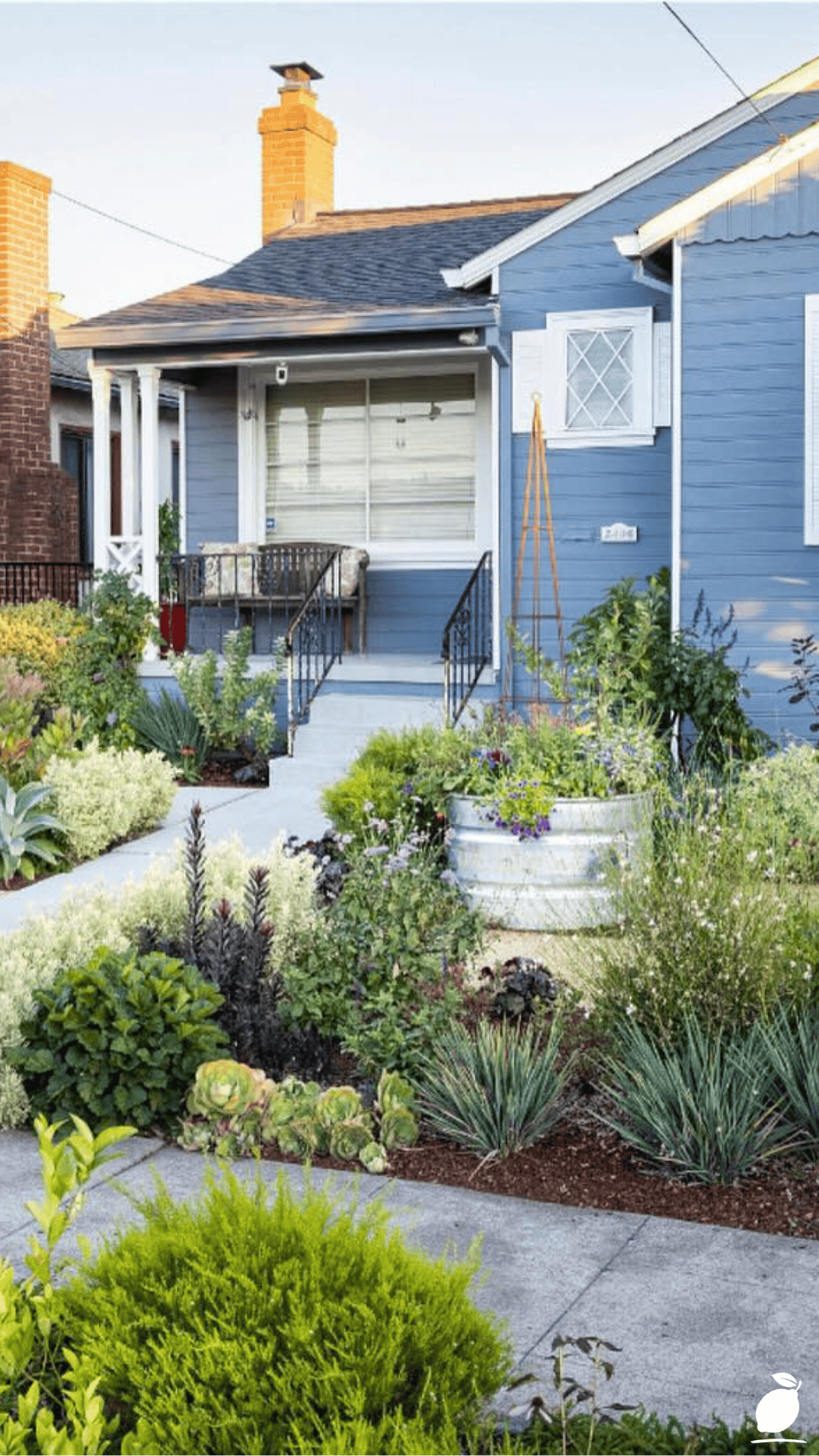
There’s a real, tangible relief that comes from walking outside and seeing a front yard that looks good without demanding your entire Saturday. Choosing low-maintenance plants for front yard spaces isn’t just a practical landscaping decision; it’s a small but meaningful way of reclaiming time and mental space that used to go toward mowing, weeding, and worrying about a struggling lawn.
A calmer, easier-to-maintain yard tends to ripple into the rest of home life too. When the outside of your house isn’t a constant source of guilt or unfinished projects, there’s simply more room, mentally and physically, for the things that actually matter: time with family, a slower morning coffee on the porch, or just walking up to a home that already feels cared for the moment you pull into the driveway.
At Easy Peasy Life Matters, this is exactly the kind of shift we love helping people make: not bigger, harder projects, but smarter choices that quietly reduce daily stress. Low-maintenance plants for front yard beds prove that curb appeal and calm can coexist, without a single weekend lost to yard work.
FAQ
What are the easiest low-maintenance plants for a beginner gardener?
Sedum, lavender, and ornamental grasses are excellent starting points, since all three tolerate a wide range of soil conditions, need minimal pruning, and are forgiving of occasional missed watering.
Do low-maintenance plants for front yard beds still need any watering?
Yes, especially during the first few months after planting while roots establish. Once mature, most drought-tolerant species need only occasional deep watering during extended dry spells.
Can low-maintenance plants work in a small front yard?
Absolutely. Many of these plants, like sedum, lavender, and California poppy, work beautifully in compact beds or even container arrangements, making them just as suitable for small yards as larger ones.
How do I transition an existing lawn to low-maintenance plants?
Start by removing sections of grass in phases, amending the soil as needed, and planting drought-tolerant species in stages rather than replacing the entire yard at once, which keeps the process manageable and budget-friendly.
Are low-maintenance plants for front yard landscaping more affordable long-term?
Generally yes. While initial planting costs are similar to traditional landscaping, the significant reduction in water use, fertilizer, and ongoing maintenance typically makes low-maintenance yards more cost-effective over several years.