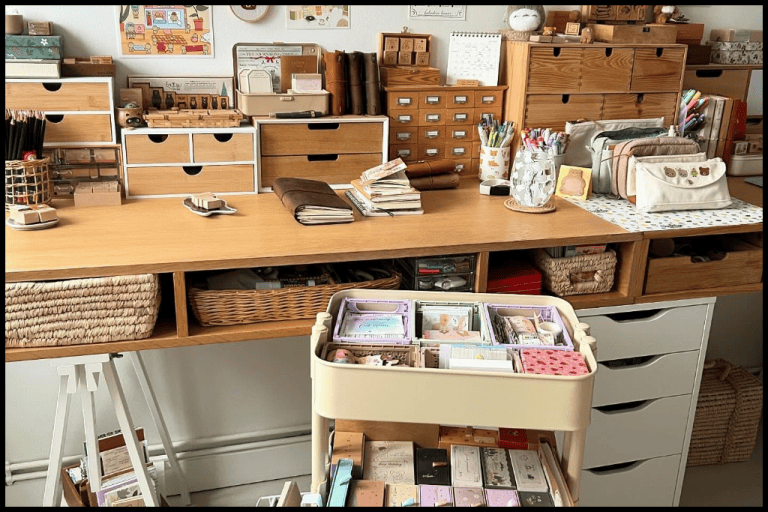
The toy bins in my toddler’s room used to multiply like they had a mind of their own. Every birthday and holiday brought a fresh wave of plastic toys that never had a real home, so they ended up scattered across the floor, wedged under the crib, or stacked in a corner that grew a little taller every week. Getting him dressed in the morning meant navigating an obstacle course, and bedtime wind-down never really felt calm; the room itself was too loud, visually, for anyone to relax in.
I know I’m not the only parent who’s felt this particular kind of overwhelmed. It’s not the toys themselves that cause the stress; it’s a room with no structure, where everything competes for attention, and nothing has a clear place. I wanted my son to have independence to reach his own toys, choose his own books, even help tidy up, but the room I’d built for him was working against that goal instead of supporting it. What I actually needed wasn’t more storage. It was a completely different approach to the space.
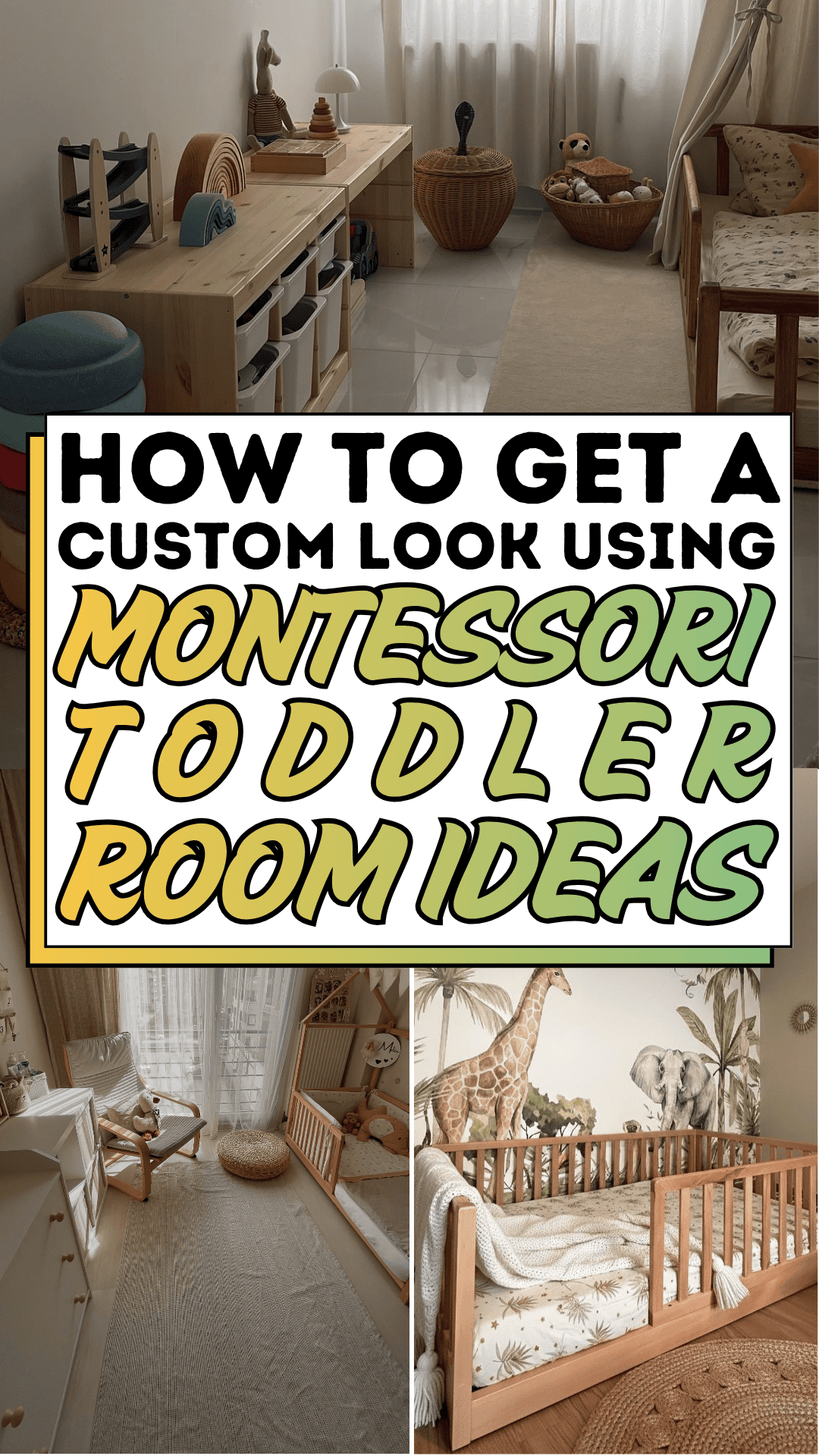
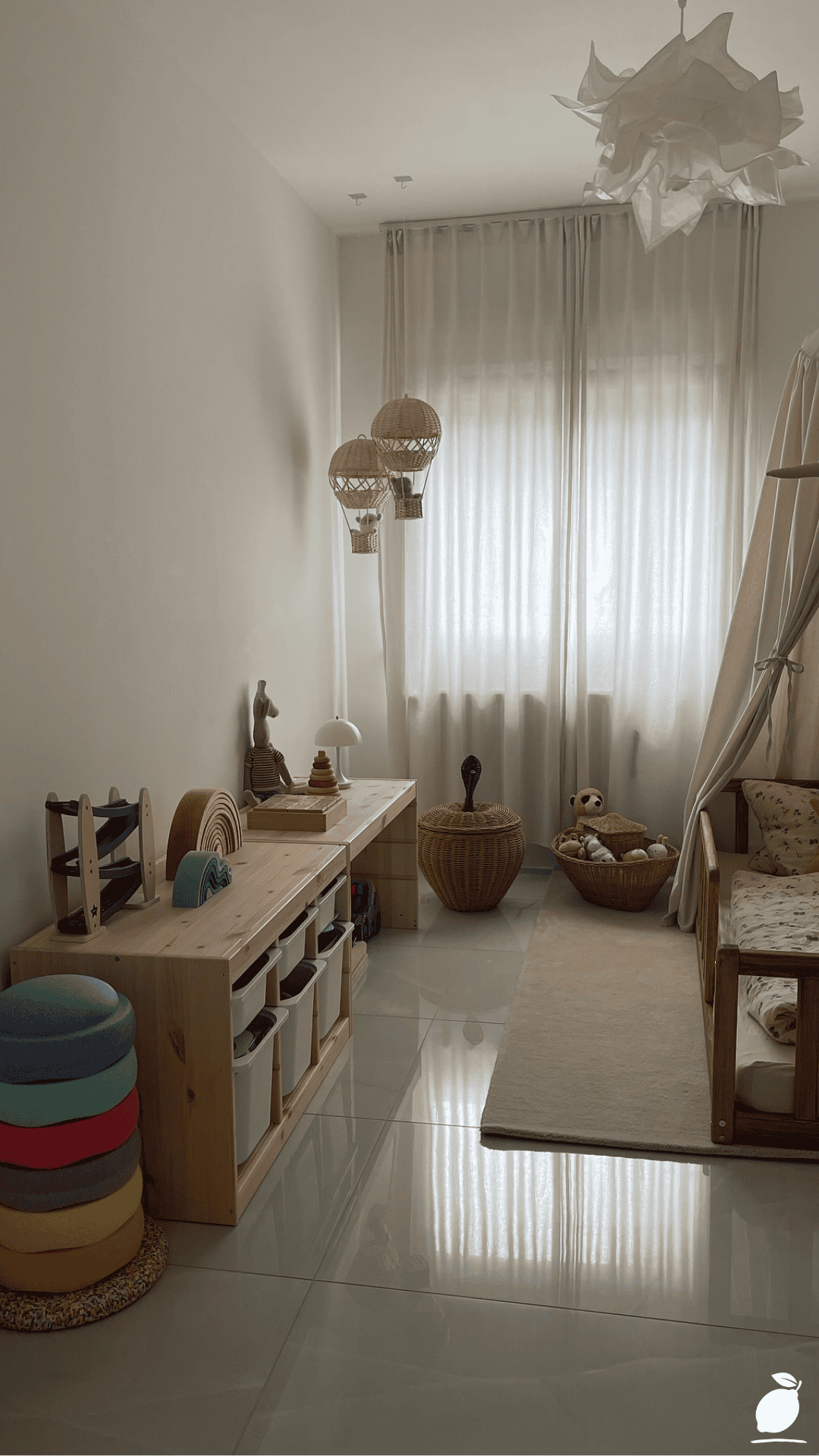
That approach turned out to be Montessori toddler room ideas. I came across a photo of a children’s room that stopped me mid-scroll: a low wooden daybed with a soft canopy, a long storage bench with open cubbies at floor height, a woven pendant light casting warm shadows, and a single colorful rainbow stacker sitting neatly on white tile. Nothing about it looked overstuffed or overstyled; it looked like a room designed for a small person to actually use, independently and calmly. That image became my starting point, and within a few weekends, I turned my son’s chaotic room into something close to it. Here’s the exact process I followed.
The Montessori Toddler Room Ideas Blueprint
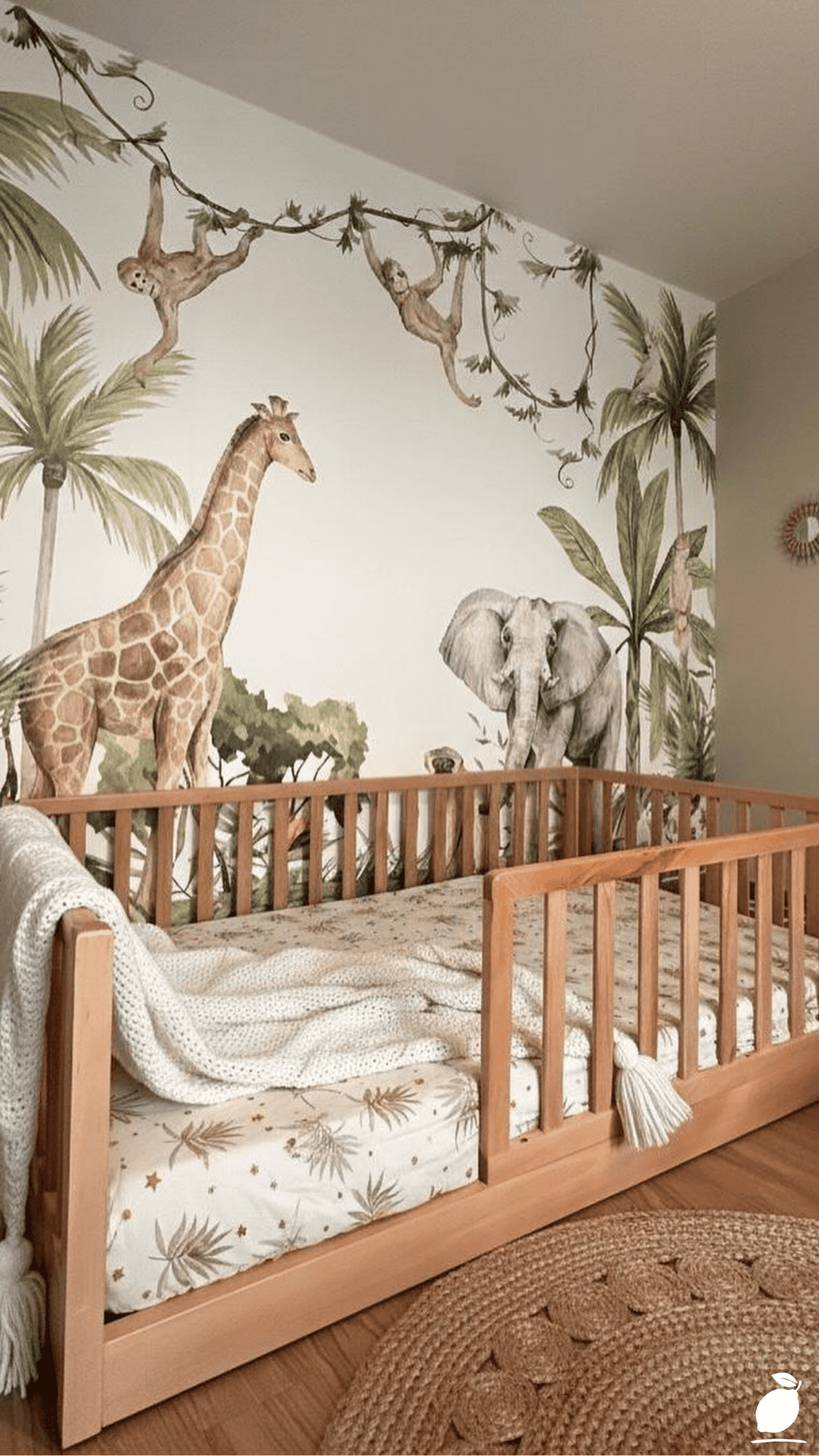
Step 1: Lower Everything to Toddler Height
The core Montessori principle is accessibility: your child should be able to reach their bed, books, and toys without help. Swap a crib for a low daybed or floor bed, and choose open shelving or a storage bench low enough for small hands to use independently.
Step 2: Choose a Calming, Neutral Base Palette
Start with soft whites, warm wood tones, and one or two muted accent colors. A neutral base keeps the room from feeling overstimulating and lets your child’s toys and books, which are naturally colorful, stand out without visual competition.
Step 3: Install a Low Storage Bench With Open Cubbies
A long wooden bench with built-in cubbies gives you structured storage at exactly the right height. Open cubbies (rather than closed drawers) make it easy for toddlers to see and choose their own toys, which builds independence and reduces the “dump everything out” instinct.
Step 4: Limit Toys to What’s Currently Displayed
Rather than filling every cubby, choose a small, rotating selection of toys a rainbow stacker, a few books, one or two stuffed animals. Store the rest out of sight and swap them in every few weeks. Fewer choices actually help toddlers focus and play more deeply.
Step 5: Add Soft, Natural Textures for Sensory Calm
Layer in natural materials: a woven rattan pendant light, a soft canopy over the bed, a textured pouf for floor seating. These elements add warmth and sensory richness without relying on bright colors or busy patterns.
Step 6: Maximize Natural Light With Sheer Curtains
Swap heavy blackout drapes (used only at nap and bedtime) for sheer curtains during the day. Soft, filtered natural light makes a room feel calmer and more inviting, and it supports healthy daytime rhythms for young children.
Step 7: Create a Defined Floor Play Zone
Use a rug, a pouf, or simply open floor space to signal “this is where I play.” A defined zone, free of furniture clutter, gives toddlers room to move, stack, and explore safely on their own terms.
Expert Secrets for Success
Pro-Tips for a Better Result
- Choose furniture with rounded edges and stable, low centers of gravity; safety and independence go hand in hand in a true Montessori-inspired room.
- Use floor beds or low daybeds with a guard rail only if your child is a new or restless sleeper; many toddlers adjust quickly to an open floor bed.
- Stick to one or two toy “categories” per cubby (stacking toys, books, art supplies) so tidying up stays simple and intuitive for a toddler.
- Add a small, low mirror near the play area. Montessori classrooms use mirrors to support self-awareness and body movement in young children.
Common Mistakes to Avoid
- Don’t fill every shelf and cubby at once an overstocked room undermines the calm, focused environment Montessori design is built around.
- Avoid busy patterns or saturated colors on large furniture pieces; they compete with the child’s own toys and can feel overstimulating over time.
- Don’t skip furniture anchoring; low doesn’t mean lightweight, and any climbable piece still needs to be secured to the wall.
- Resist the urge to make the space “picture perfect” for adults; a true Montessori toddler room should be functional and inviting at a child’s eye level first.
Why Montessori Toddler Room Ideas Matter
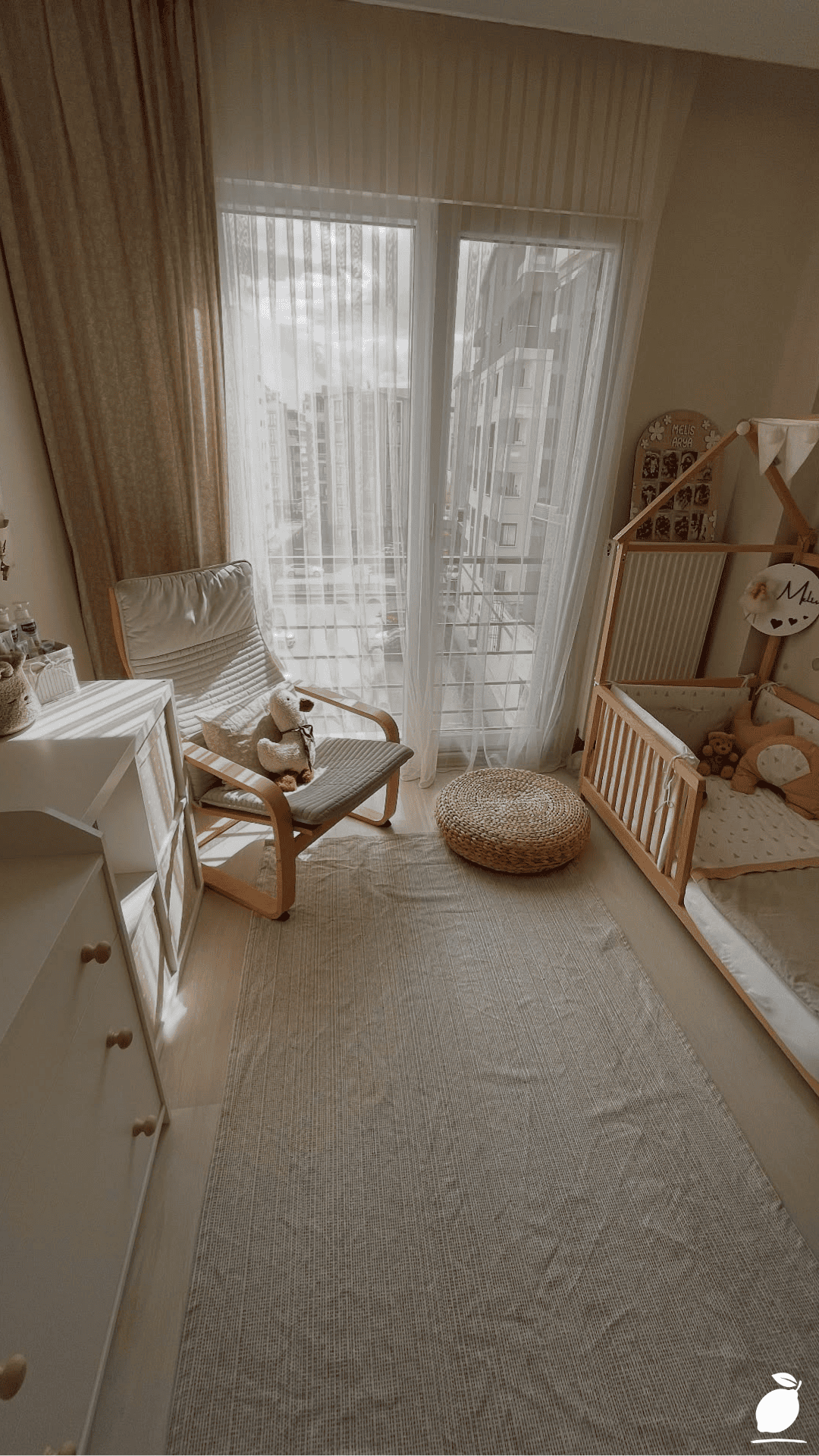
A toddler’s room is one of the first environments where they learn to trust themselves — to make small choices, reach for what they need, and take care of their own things. A room built around genuine Montessori toddler room ideas isn’t just aesthetically calming; it actively teaches independence, patience, and a sense of order that toddlers carry with them well beyond the nursery.
For parents, the shift is just as meaningful. A room your child can actually navigate on their own means fewer meltdowns over independence, less friction during transitions, and more peaceful mornings and bedtimes. It’s a small design choice with a surprisingly large emotional payoff: a calmer child, a calmer room, and a little more breathing room for the whole family.
FAQ
At what age should I start using Montessori toddler room ideas?
Many families begin transitioning to a floor bed and low shelving around 12 to 18 months, once a child is walking confidently, though the principles can be adapted for infants and older toddlers alike.
Is a floor bed safe for toddlers?
Yes, when the room is properly toddler-proofed, furniture anchored, outlets covered, and hazards removed, a floor bed is considered a core, safe element of Montessori toddler room ideas, since it allows a child to get in and out independently.
How do I choose which toys to display versus store away?
Rotate toys based on your child’s current interests and developmental stage, keeping only 6-10 items accessible at a time; store the rest in a closet or bin and swap them in every 2-3 weeks.
Can Montessori toddler room ideas work in a small bedroom?
Absolutely, the principles focus on accessibility and simplicity rather than square footage, so a small room with a low bed, one storage bench, and a few rotating toys can be just as effective as a larger space.
Do I need to buy special Montessori-branded furniture?
No. Many standard low shelving units, daybeds, and storage benches can be adapted to fit Montessori toddler room ideas as long as they’re at the right height and free of unnecessary clutter.