The Tuesday afternoon scramble used to feel like a losing battle against an invisible tide of gear. It started at the threshold, the moment the front door opened, and a chaotic wave of backpacks, damp denim jackets, mud room, and stray shoes spilled across the floor. In a home where space is a premium, the entryway often becomes a high-traffic collision zone where the outside world crashes into your domestic peace, leaving a trail of grit and disorganized frustration in its wake.
I remember standing in the middle of that entryway minefield, feeling the mental weight of a house that felt perpetually “undone.” My shoes were in a heap, the mail was scattered on a rickety table, and the laundry from the adjacent room seemed to be slowly migrating into the hall. It wasn’t just about the mess; it was about the friction. Starting or ending the day in a state of architectural disarray creates a background hum of anxiety that makes even the simplest transition feel like a monumental task. I needed a reset, a way to bridge the gap between the outdoors and the inner sanctuary of my home.
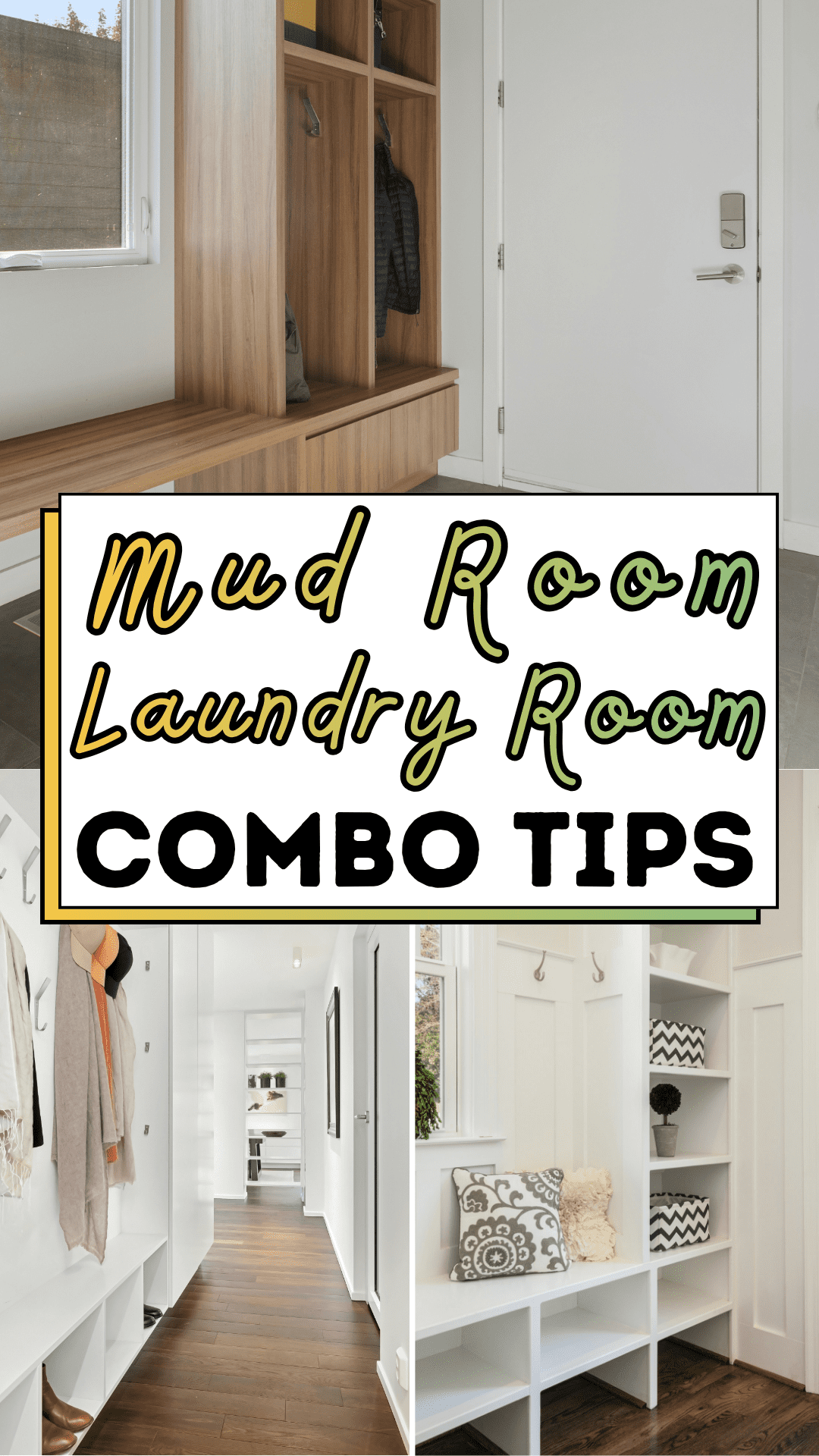
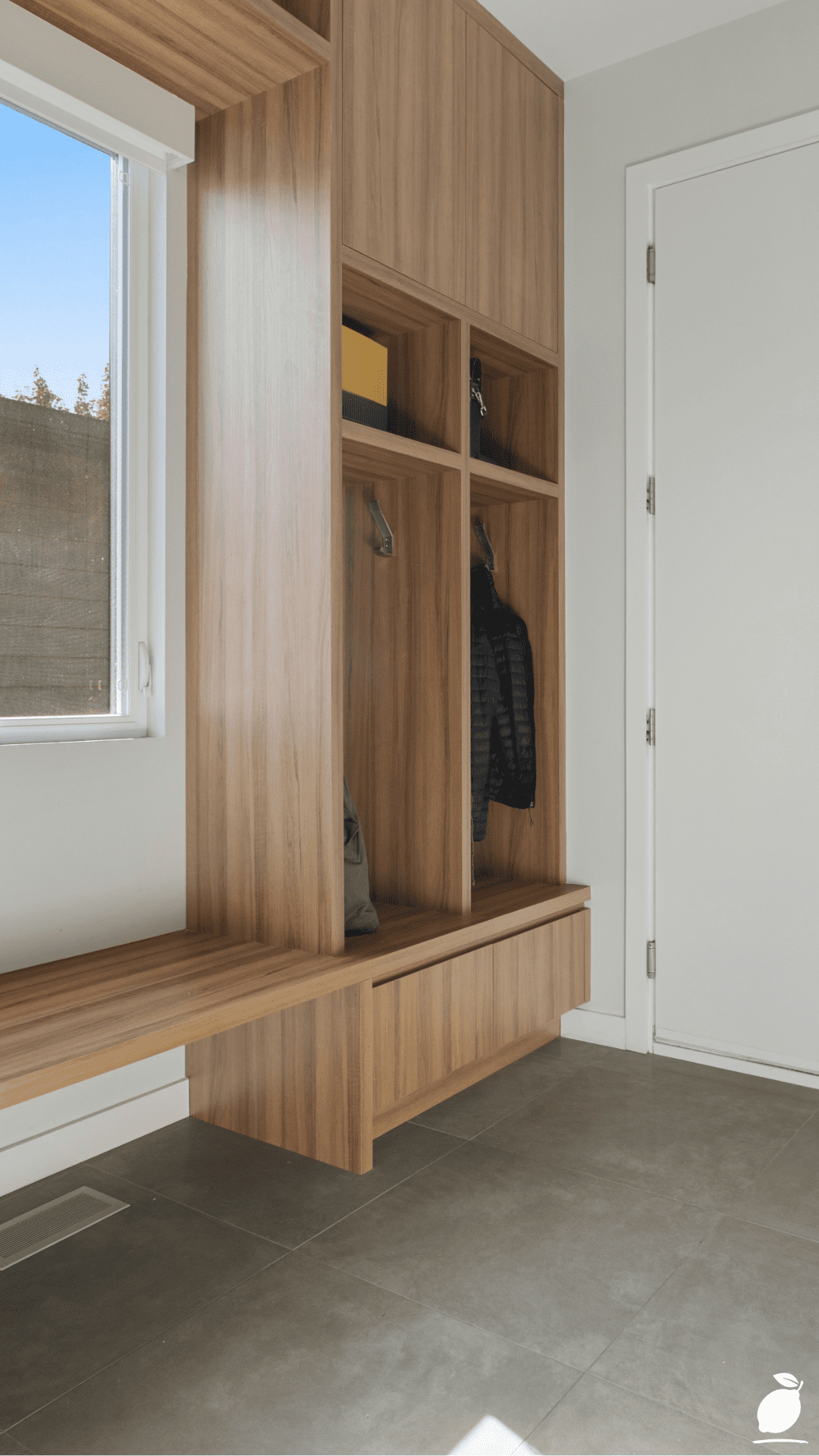
The transformation began when I stopped seeing the entryway and the utility area as separate struggles and started seeing them as a singular, intentional opportunity for flow. Imagine walking into a space defined by light oak wood panels and clean, horizontal lines. A denim jacket doesn’t sit on the floor; it hangs purposefully on a built-in storage unit. The large-format grey tiles underfoot feel solid and cool, while a large window floods the minimalist white walls with natural light. This is the calm after the storm. By integrating smart Mud Room Laundry Room Combo Tips, you turn a high-pressure bottleneck into a streamlined, light-filled portal that sets the tone for a life of easy-peasy order.
The Mud Room Blueprint
Creating a multifunctional transition zone requires a strategic balance of durable materials and intelligent cabinetry. Follow this sequence to master your home’s new command center.
Step 1: Zoning for Flow and Function
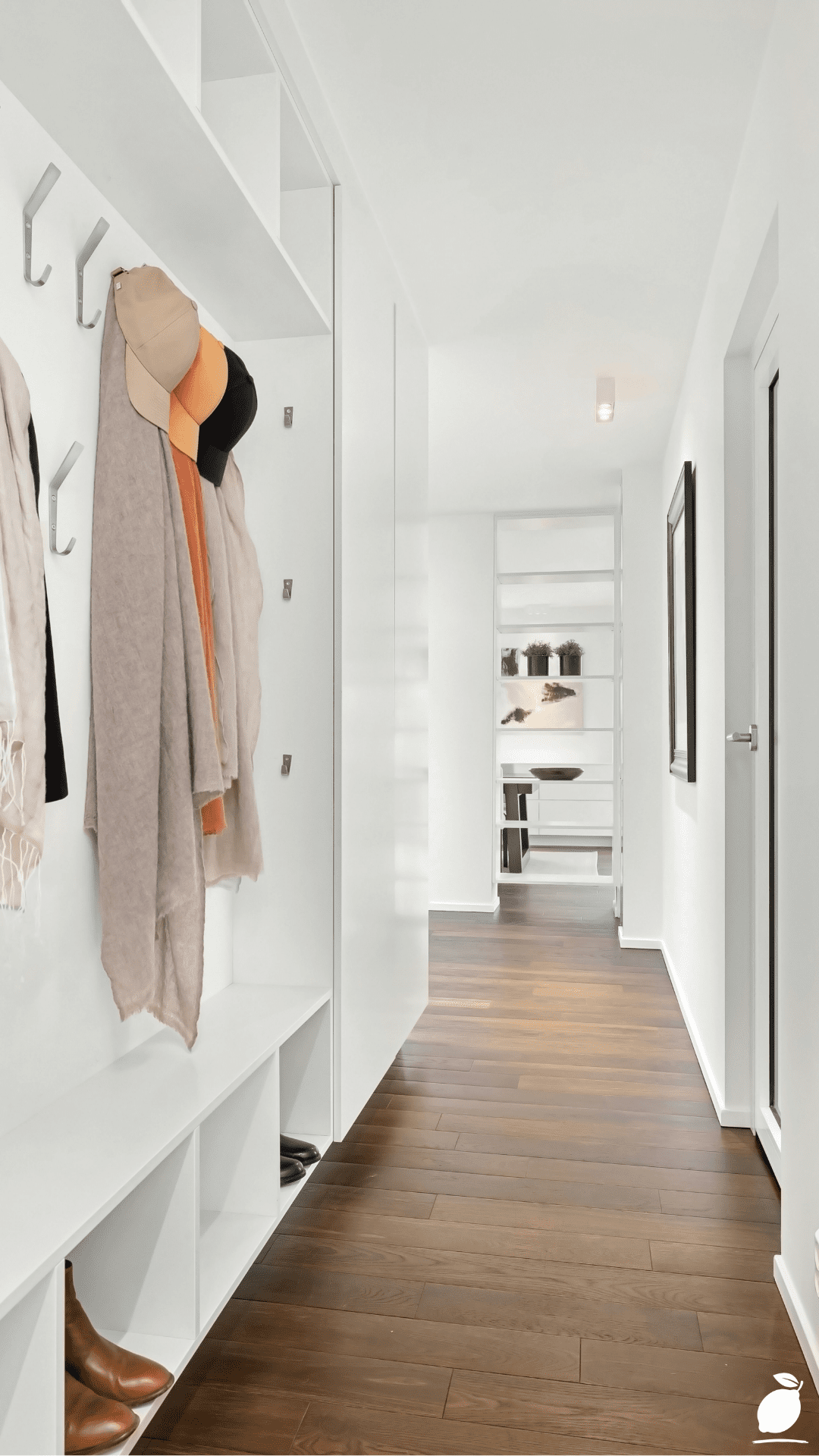
The first step in any successful Mud Room layout is defining the “wet” and “dry” zones. In a combo space, you want your laundry appliances positioned near the plumbing stack, typically behind a modern silver-handled door or integrated into the cabinetry. The entryway portion should focus on the “drop zone,” the built-in wooden storage unit where outer layers and shoes are stowed immediately upon entry.
Step 2: Selecting High-Traffic Materials
Durability is the foundation of a Mud Room. Large-format grey tiles are the gold standard for 2026; they minimize grout lines where dirt can hide and provide a sleek, contemporary look. Pair these with light oak wood for your storage units. Oak is a resilient hardwood that stands up to the daily abuse of bags and boots while maintaining a warm, natural aesthetic against minimalist white walls.
Step 3: Integrating Light and Ventilation
A common mistake in utility spaces is making them feel like dark closets. Incorporate a large window with simple white trim. This provides a visual connection to the outside, even if the view is a simple concrete wall. Natural light makes the white walls feel expansive and ensures that the Mud Room remains a place you want to linger in rather than a room you hurry through.
Step 4: Custom Cabinetry and Bench Seating
True organization comes from tailored storage. Design your storage unit with multiple compartments and horizontal dividers. Include open shelving for frequently used items and a sturdy bench seat made of the same light oak. Having a dedicated place to sit and remove shoes is a small lifestyle luxury that prevents the “one-legged balance act” that leads to scuffing walls and floors.
Step 5: Electrical and Tech Integration
In a modern home, the Mud Room is also a charging station. Position electrical outlets near your bench or inside a compartment. This allows you to charge handheld vacuums for quick tile cleanups or keep devices powered up right by the door, ensuring you are ready to grab-and-go the next morning.
Expert Secrets for Success
Pro-Tips for a Better Result
- Color Drenching for Cohesion: If your Mud Room is small, paint your interior doors and white trim the same shade as your walls. This creates a seamless, minimalist aesthetic that makes the light oak storage units the hero of the room.
- Vertical Space Utilization: Run your cabinetry all the way to the ceiling. Use the upper compartments for seasonal items like winter hats or summer beach towels, keeping the lower shelves clear for daily essentials like that denim jacket.
- Texture Contrast: The mix of smooth grey tiles and the organic grain of light oak creates a sensory experience. This contrast makes the space feel designed rather than just functional, adding to the “lifestyle” value of your home.
Common Mistakes to Avoid
- Skimping on the Bench: A bench that is too narrow or made of flimsy material will go unused. Ensure your oak bench seat is deep enough to be comfortable and structurally sound enough for the whole family.
- Ignoring the “Drop” Height: Ensure your hooks and open shelving are at an accessible height for everyone in the household. If the storage is too high, the gear will inevitably end up back on the grey tiles.
- Poor Tile Choice: Avoid high-gloss tiles in a Mud Room. When wet, they become a slip hazard. Stick to matte-finish large format tiles that provide grip and hide water spots from damp shoes.
Why Mud Room Matters
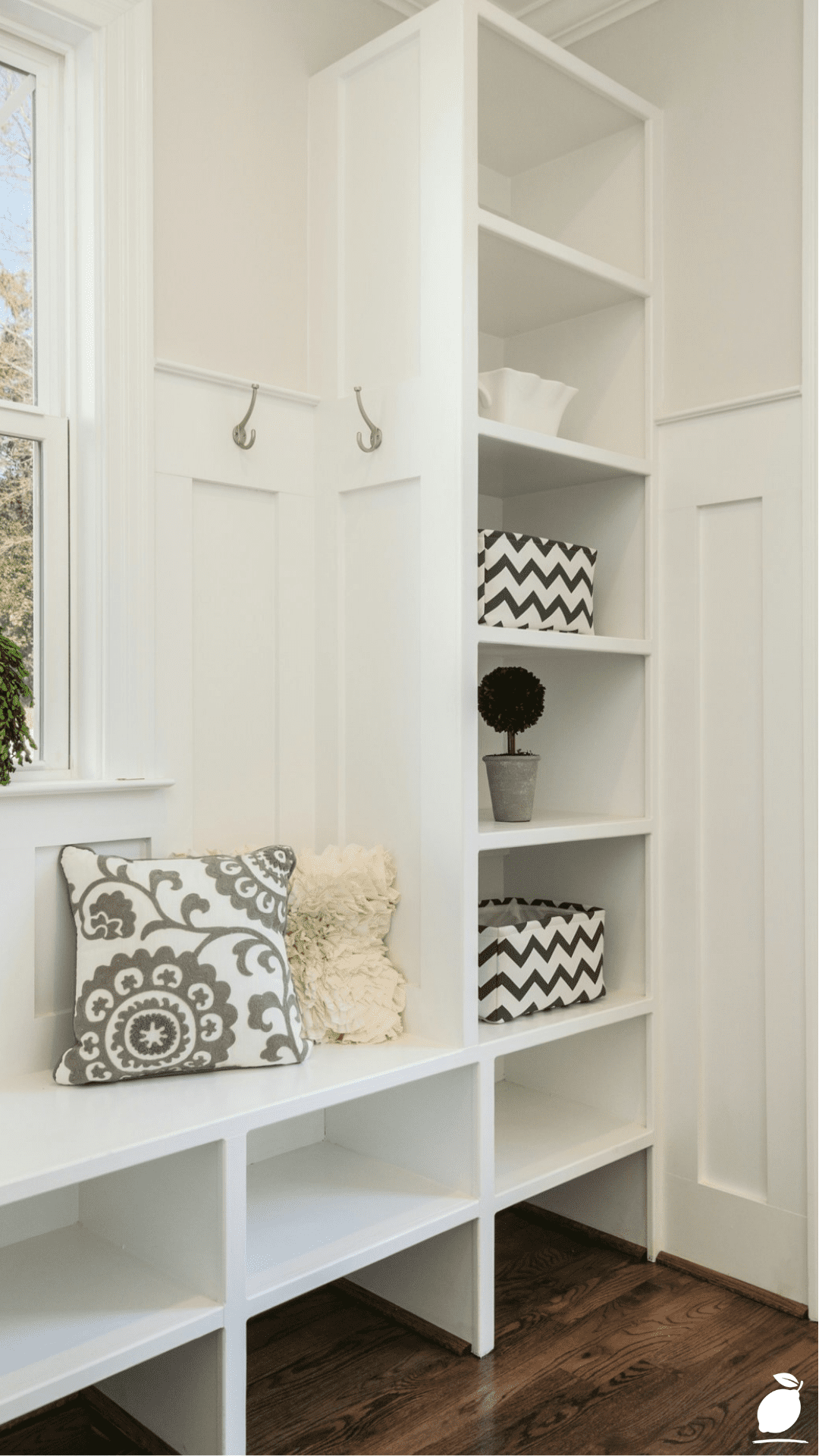
At Easy Peasy Life Matters, we believe that the entryway is the “handshake” of your home. When you successfully implement a Mud Room project, you are doing more than just building shelves; you are creating a psychological buffer. This zone acts as a filter, catching the chaos of the outside world before it can penetrate the rest of your living space.
This sense of DIY success leads directly to mental clarity. When every family member has a dedicated light oak compartment for their belongings, the morning “where are my keys” panic disappears. This fosters family peace, as the friction of daily transitions is replaced by a smooth, predictable rhythm. A well-designed transition space proves that home maintenance is not just a chore, but a strategy for a calmer, more intentional life.
FAQ
Can I fit a Mud Room in a small hallway?
Absolutely. The key is using light-colored materials like light oak and white walls to keep the space feeling airy. Even a single vertical storage unit with a small bench seat can function as an effective Mud Room.
How do I keep the laundry side from looking messy?
In a Mud Room Laundry Room Combo, use a modern interior door to hide the appliances when they aren’t in use. This maintains the clean, minimalist entryway aesthetic while keeping the utility features accessible.
What is the best flooring for a Mud Room?
Large-format grey tiles are ideal. They are water-resistant, easy to clean, and the grey tone is excellent for disguising the inevitable dust and footprints that come with a high-traffic entry.
How do I maintain the light oak wood panels?
A simple wipe-down with a microfiber cloth and a mild wood cleaner will keep the oak looking fresh. Because it’s a Mud Room, ensure the wood is sealed with a high-quality matte finish to protect it from moisture from damp coats and jackets.