Our patio was technically an outdoor space, but it never actually felt like a room worth spending time in. A few mismatched pots crowded the corner, an old hose reel took up half the wall, and every plant I brought home ended up shoved wherever there happened to be an open spot on the ground. It looked cluttered rather than intentional, more like a storage overflow area than a place I wanted to sit with coffee in the morning or invite anyone to relax in.
That’s a genuinely common trap with small outdoor spaces. Floor space fills up fast, pots multiply faster than you plan for, and without any real structure, a patio slowly turns into a maze of containers you’re constantly stepping around rather than a cohesive, styled space. The plants aren’t the issue; it’s that almost nobody thinks to use the one resource sitting right there, completely unused: the wall.
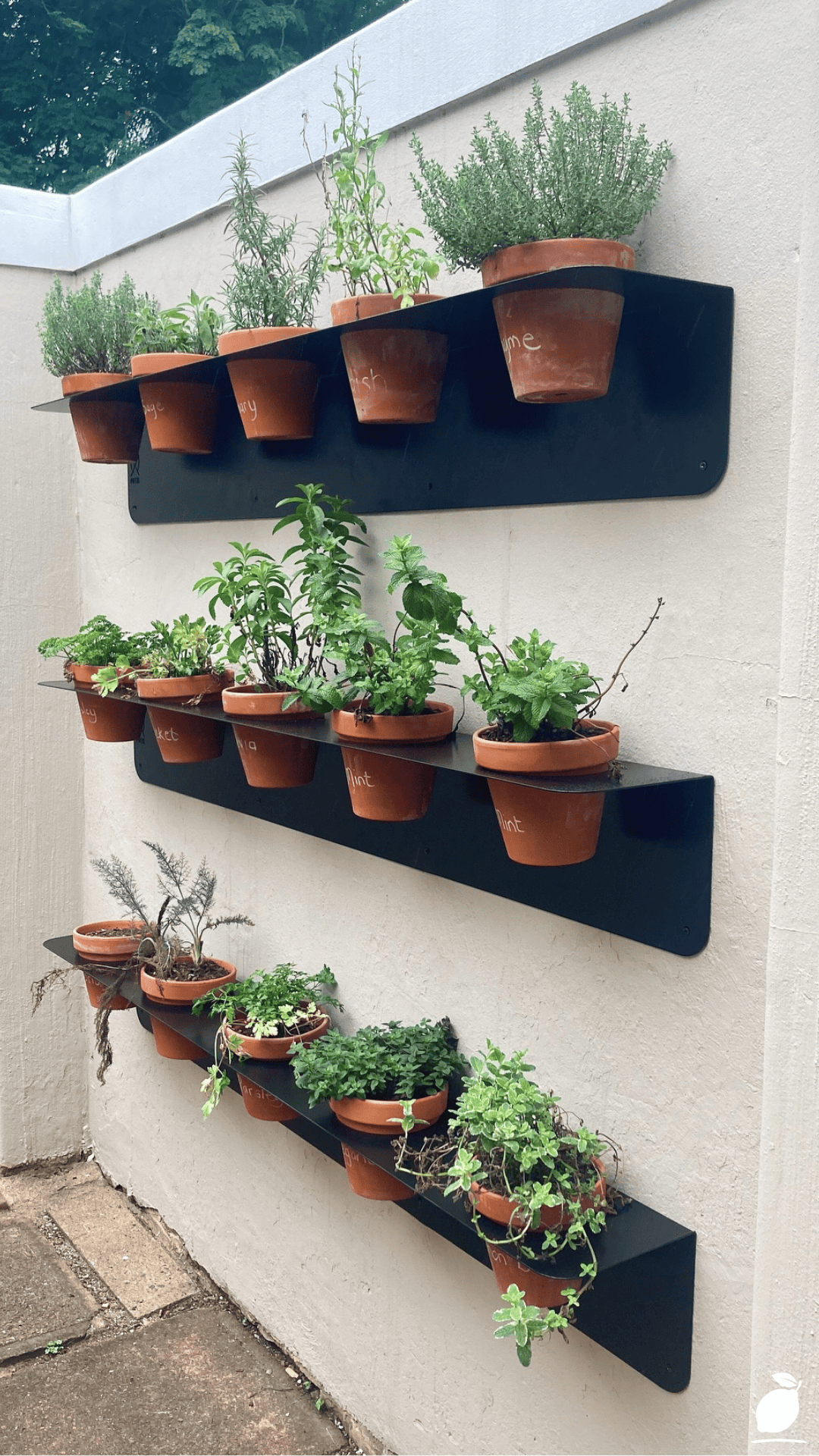
What changed everything was building a vertical planter setup: sleek black floating shelves mounted directly on the wall, holding neat rows of terracotta pots filled with herbs and leafy greens at three different heights. Suddenly the clutter on the ground disappeared, the whole space felt custom-designed instead of thrown together, and every plant had a defined, intentional spot. This is exactly how to get a custom look using patio wall planter ideas, without needing a full outdoor renovation to pull it off.
The Patio Wall Planter Blueprint
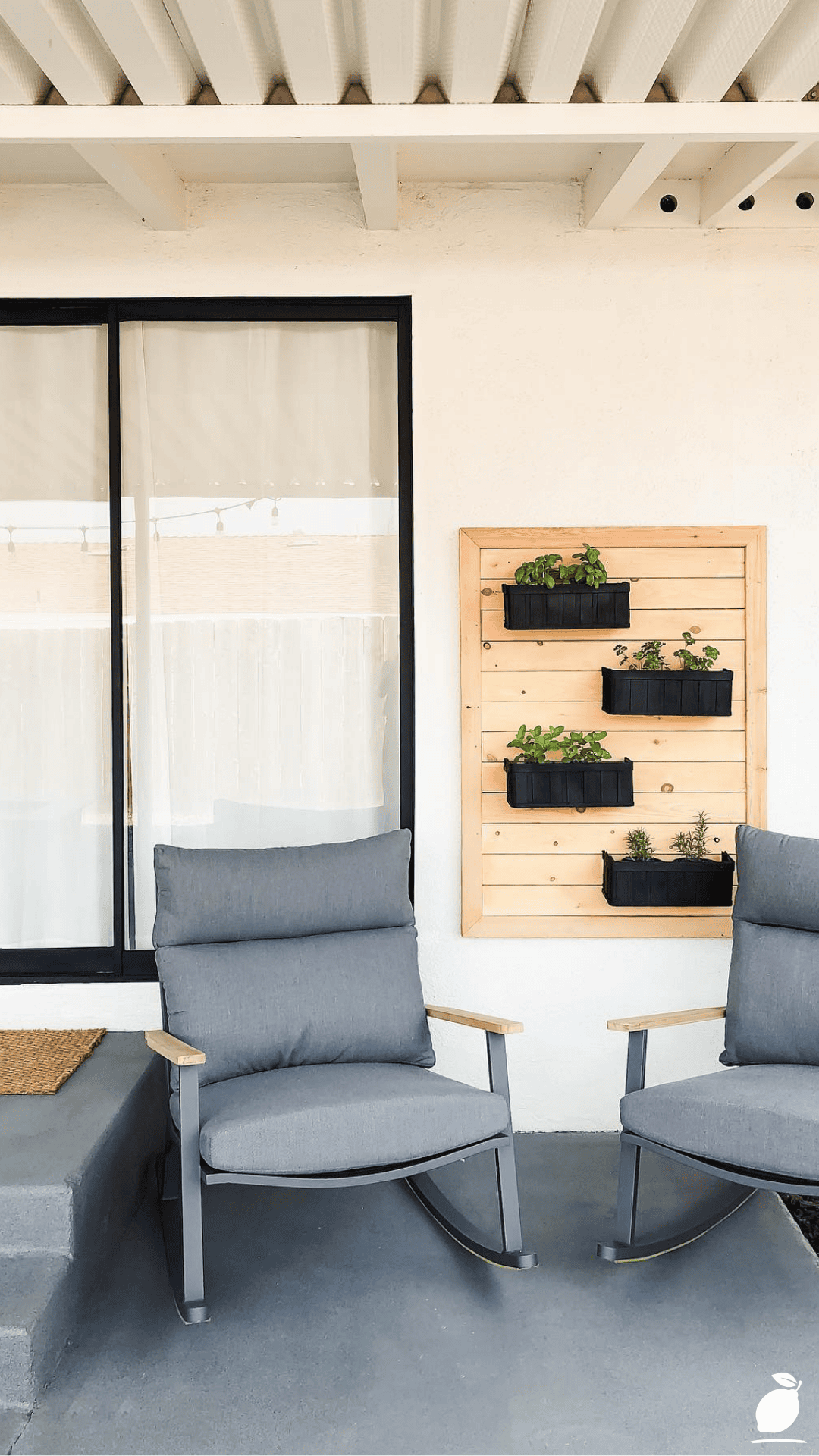
Creating a custom vertical planter wall is a highly achievable weekend project, and the finished look punches well above the effort it actually takes to build.
Step 1: Assess Your Wall Space
Choose a wall section that gets appropriate sunlight for the plants you want to grow, and measure the available width and height. This determines how many shelves and pots your patio wall planter setup can realistically hold without feeling cramped.
Step 2: Choose Your Shelf Style and Material
Select sturdy, weather-resistant floating shelves rated for outdoor use, ideally in a material like powder-coated metal or treated wood that can handle sun and moisture without warping.
Step 3: Plan Your Shelf Heights and Spacing
Map out three staggered heights, spacing shelves far enough apart that taller plants on lower shelves won’t be shaded out by pots above them. This tiered spacing is what gives a patio wall planter its clean, gallery-like visual rhythm.
Step 4: Mount the Shelves Securely
Use appropriate wall anchors for your surface, whether that’s stucco, brick, or siding, and confirm each shelf is rated to hold the combined weight of multiple filled terracotta pots before loading them up.
Step 5: Choose Coordinated Pots
Select matching or complementary pots, like classic terracotta, to unify the whole look across all three shelves. Consistent pot style is one of the simplest ways to make a patio wall planter feel custom-designed rather than assembled piecemeal.
Step 6: Plan Plant Placement by Light and Size
Place taller, sun-loving plants on the top shelf, a mix of herbs on the middle shelf, and trailing or leafy greens on the bottom shelf where they have room to spill downward. Thoughtful placement is what turns a functional shelf into a genuinely styled patio wall planter display.
Step 7: Add Drainage Protection
Set a small saucer or tray beneath each pot to catch excess water and protect the wall and shelves below from staining or moisture damage over time.
Step 8: Style and Maintain the Display
Rotate pots occasionally for even growth, trim plants regularly to keep the display neat, and refresh soil each season to keep your patio wall planter looking as intentional as the day you built it.
Expert Secrets for Success
Pro-Tips for Better Results
Stagger plant heights across shelves. Placing taller plants up top and trailing varieties on the bottom shelf creates natural visual layering that reads as custom-designed.
Use uniform pots for a cohesive look. Matching terracotta or a single consistent color across every shelf is the fastest way to make a patio wall planter look polished rather than mismatched.
Group plants by watering needs. Clustering similar-thirst plants on the same shelf keeps your maintenance routine simple and consistent.
Leave breathing room between pots. Slight spacing between containers, rather than packing them edge to edge, keeps the arrangement looking curated instead of crowded.
Check weight ratings before mounting. Filled terracotta pots are heavier than they look, so confirming shelf and anchor weight limits upfront prevents sagging or collapse down the line.
Common Mistakes to Avoid
Overloading a single shelf. Cramming too many pots onto one level makes the whole patio wall planter feel cluttered rather than intentional.
Ignoring sun exposure per shelf. Upper and lower shelves often receive different light levels, so placing sun-loving plants on a shaded lower shelf can lead to weak, leggy growth.
Skipping proper wall anchors. Using standard interior hardware on an exterior stucco or brick wall risks shelves pulling loose once fully loaded with pots.
Mixing too many pot styles. A patchwork of different colors, materials, and shapes undercuts the clean, custom look that a coordinated planter wall is meant to achieve.
Neglecting drainage protection. Skipping saucers beneath pots can lead to staining, water damage, or mineral buildup on the wall and shelves over time.
Why Patio Wall Planter Ideas Matter
There’s a real shift that happens when a cluttered, chaotic outdoor space becomes an organized one. Our patio used to feel like something to avoid, a spot with too much stuff and not enough plan. Once the wall planter was up, that same space became somewhere I actually wanted to linger, coffee in hand, glancing over a neat row of herbs and greens instead of stepping around scattered pots on the ground.
Small, well-executed projects like this offer more than just visual improvement. There’s genuine mental clarity that comes from solving a problem you’ve been living around for months, turning an ongoing source of low-level frustration into a finished, functional space you’re proud of. That sense of accomplishment tends to carry outward, making the rest of the home feel a little more cared for by association.
At Easy Peasy Life Matters, this is exactly the kind of transformation we love featuring: a contained, achievable project that reshapes how an entire space feels and functions. Patio wall planter ideas like this one prove that a custom, styled look doesn’t require a full outdoor renovation just a thoughtful use of the vertical space you already have.
FAQ
How much weight can a typical patio wall planter shelf hold?
Most outdoor-rated floating shelves support 15 to 30 pounds per shelf depending on the anchoring system and wall material, so always check manufacturer specifications, especially once pots are filled with wet soil.
What plants work best for a vertical patio wall planter?
Herbs like basil, thyme, and rosemary work beautifully on middle shelves, while trailing varieties like ivy or creeping thyme are ideal for lower shelves where they can spill downward naturally.
Can I install a patio wall planter on a rented apartment balcony?
In many cases, yes, though it’s worth checking your lease first, since some rentals restrict wall drilling. Freestanding or hanging alternatives can achieve a similar tiered look without permanent mounting.
How do I protect my wall from water damage with a patio wall planter?
Placing a saucer beneath each pot and choosing pots with proper drainage holes are the two most effective ways to prevent water staining or damage to the wall surface behind your planter.
How often should I refresh the soil in a patio wall planter?
Most potted herbs and greens benefit from a soil refresh or amendment with fresh compost once per growing season, which helps replenish nutrients depleted from repeated watering and growth.