For the first few years of gardening in our new house, I basically bought whatever caught my eye at the nursery each spring, planted it with hope, perennial, and watched most of it disappear entirely by the next season. I was essentially starting from scratch every single year same bare beds in April, same scramble to fill them, same disappointment by August when half of it had already wilted or never came up at all. It felt like running in place instead of actually building a garden
If you’ve ever felt that same exhausting cycle replanting the same empty beds year after year with no real progress you’re not alone, and you’re definitely not doing anything wrong. The issue usually isn’t a lack of gardening skill. It’s a lack of perennial plants, the kind that don’t just survive the winter but actually return fuller and more established each year, building real momentum instead of starting over from zero every spring.
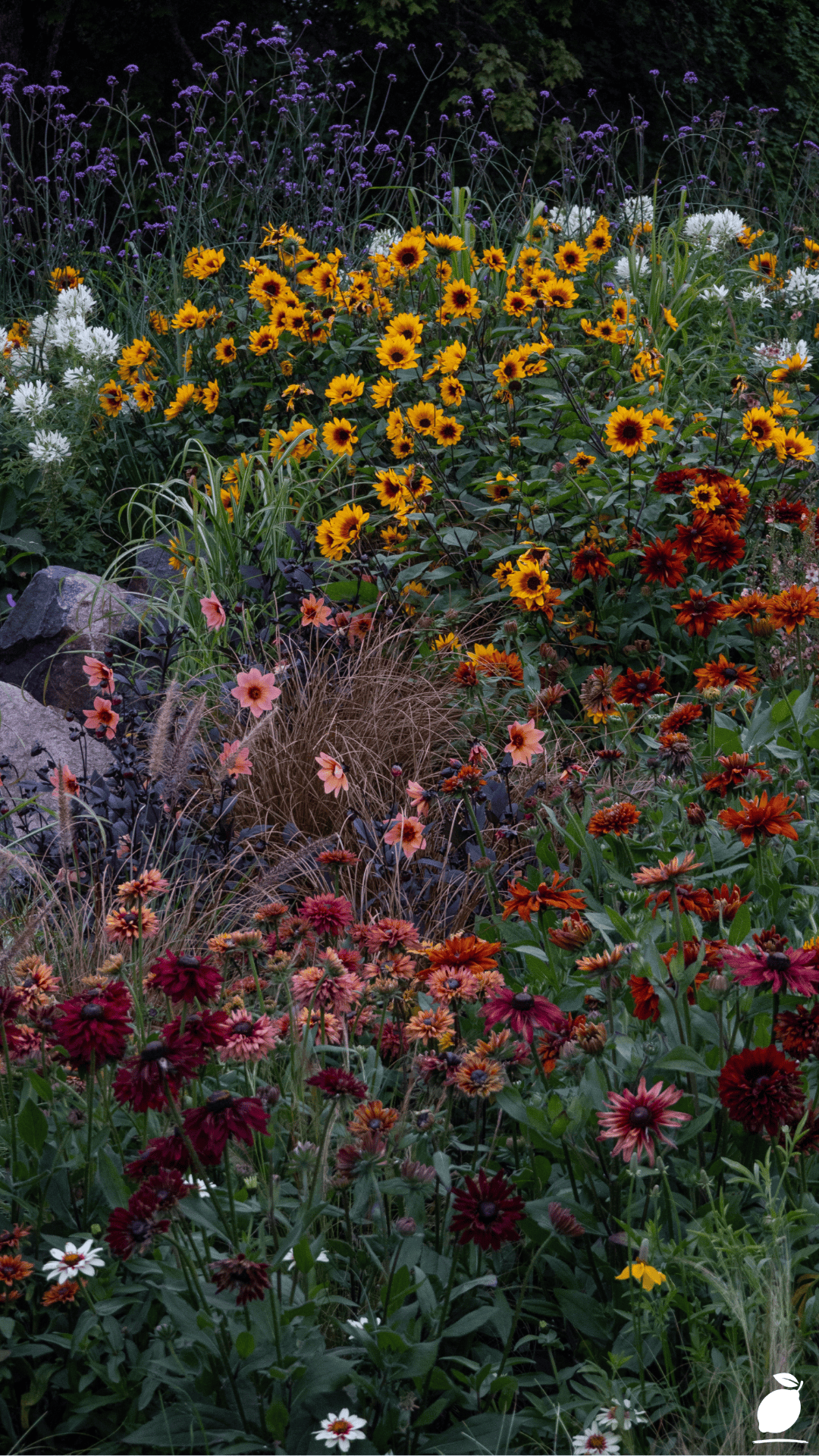
That shift in thinking clicked for me looking at a photo of a lush, layered garden bed: deep burgundy zinnias and coral blooms low to the ground, bright yellow sunflowers and white daisies filling the middle, purple-blue Russian sage rising above it all, with large stone accents adding structure throughout. It had the rich, established feel of a garden that had been growing and returning for years, not one replanted from scratch each season. Here’s a full guide to the best perennials that come back stronger every year.
The Perennial Guide
Russian Sage
Why it works: This tall, purple-blue bloomer becomes fuller and more floriferous each year as its woody base matures, and it’s remarkably drought-tolerant once established, making it one of the most reliable for low-maintenance gardens.
Black-Eyed Susan
Why it works: A vigorous self-seeder and spreader, black-eyed Susan often returns in even greater numbers each year, gradually filling in garden beds without requiring constant replanting.
Coneflower (Echinacea)
Why it works: Coneflowers develop deep, well-established root systems over time, making mature plants increasingly drought-resistant and productive with each passing season, often doubling in bloom count by their third year.
Daylilies
Why it works: Daylilies form expanding clumps that can be divided and replanted every few years, essentially multiplying your original investment into new plants throughout the garden over time.
Peonies
Why it works: Slow to establish but famously long-lived, peonies actually improve with age, often producing more abundant blooms a decade or more after planting, making them one of the most rewarding long-term perennial investments.
Ornamental Grasses
Why it works: Grasses like feather reed grass or switchgrass grow larger and more architecturally striking each year, adding structure and movement to a garden bed without the annual replanting cycle of many flowering plants.
Sedum (Stonecrop)
Why it works: Extremely low-maintenance and drought-tolerant, sedum spreads into dense, weed-suppressing mats over time, becoming more resilient and self-sufficient with each passing year.
Shasta Daisies
Why it works: Reliable and hardy, Shasta daisies form expanding clumps that can be divided regularly, providing an easy way to propagate more plants for other areas of the garden without any additional cost.
Expert Secrets for Success
Pro-Tips for Better Results
- Divide mature perennial clumps every three to five years to keep plants vigorous and to generate new plants for other garden areas at no additional cost.
- Mulch perennial beds in fall to protect root systems through winter, which directly supports stronger, faster regrowth the following spring.
- Choose perennials suited specifically to your USDA hardiness zone, since a plant pushed outside its ideal range is far less likely to reliably return year after year.
- Deadhead spent blooms throughout the season on repeat-flowering perennials to encourage additional blooming and stronger root development before winter dormancy.
Common Mistakes to Avoid
- Don’t plant perennials too late in the fall; they need adequate time to establish root systems before the ground freezes for reliable winter survival.
- Avoid overcrowding young perennial plantings; while mature perennials fill in beautifully, overcrowded young plants compete for resources and establish more slowly.
- Don’t skip soil amendment before planting; perennials that will remain in place for years benefit significantly from well-prepared, nutrient-rich soil from the start.
- Resist cutting back perennial foliage too early in fall; leaving some growth intact through early winter often protects the plant’s crown and improves next season’s return.
Why Perennial Matters
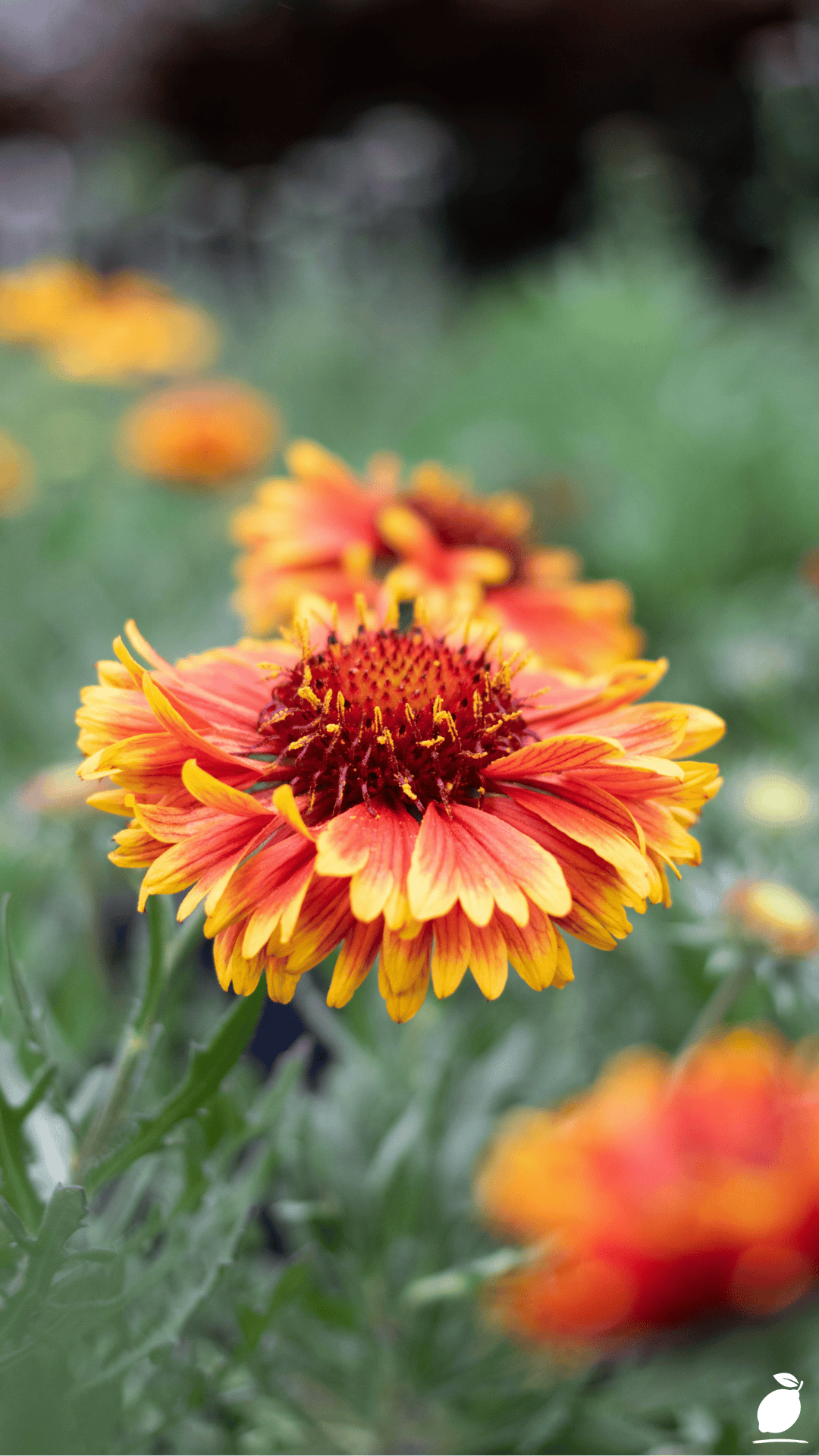
There’s a specific kind of satisfaction in watching a garden bed grow fuller and more established each year, rather than starting from bare soil every single spring. A garden built around perennial plants isn’t just less work over time it’s proof of accumulated effort, a visible record of seasons of care that keeps paying off long after the initial planting.
For families, a perennial garden also offers something a purely annual garden can’t: continuity. The same peonies that bloom every May, the same coneflowers that return each summer, become part of the rhythm of the year, something to look forward to and notice together. That sense of a garden growing alongside your family, season after season, brings a quiet, lasting kind of peace that’s hard to replicate any other way.
FAQ
What’s the difference between a perennial and an annual plant?
Perennials live for multiple years, typically dying back in winter and regrowing from the same root system each spring, while annuals complete their entire life cycle in a single growing season and must be replanted every year.
How long does it take for perennials to fully establish?
Most perennials take two to three growing seasons to reach their full mature size and blooming potential, following the common gardening principle of “sleep, creep, leap” across their first three years.
Do perennials need to be replanted every year?
No that’s the defining feature of perennials; once established, they return from the same root system year after year without needing to be replanted, unlike annual flowers.
What are the easiest low-maintenance perennials for beginners?
Black-eyed Susan, sedum, coneflower, and Russian sage are all excellent choices for beginners, offering reliable returns, drought tolerance, and minimal care requirements once established.
When is the best time to plant perennials for strong establishment?
Early fall or early spring are generally the best times to plant most perennials, giving roots time to establish in cooler, less stressful weather before facing the heat of summer or the cold of winter.