By midsummer, our rose bushes were basically an aphid buffet. Every morning I’d go out with my coffee, hopeful, and every morning I’d find another cluster of leaves curling in on themselves, coated in sticky residue, covered in tiny green pests multiplying faster than I could spray them off with the hose. I tried insecticidal soap, I tried neem oil, I tried picking them off by hand until my fingers were permanently sticky. Nothing felt like a real solution, just an endless, exhausting maintenance cycle with no end in sight.
If you’ve ever watched a garden pest problem spiral no matter how much store-bought spray or manual effort you throw at it, you know exactly how draining that cycle becomes. What I didn’t realize for way too long was that I was fighting a battle I didn’t need to fight alone. Nature already has an aphid-control system built in ladybugs, one of the most voracious natural predators of soft-bodied garden pests, and I just wasn’t giving them any reason to stick around. Once I understood that, the whole problem started to look completely different.
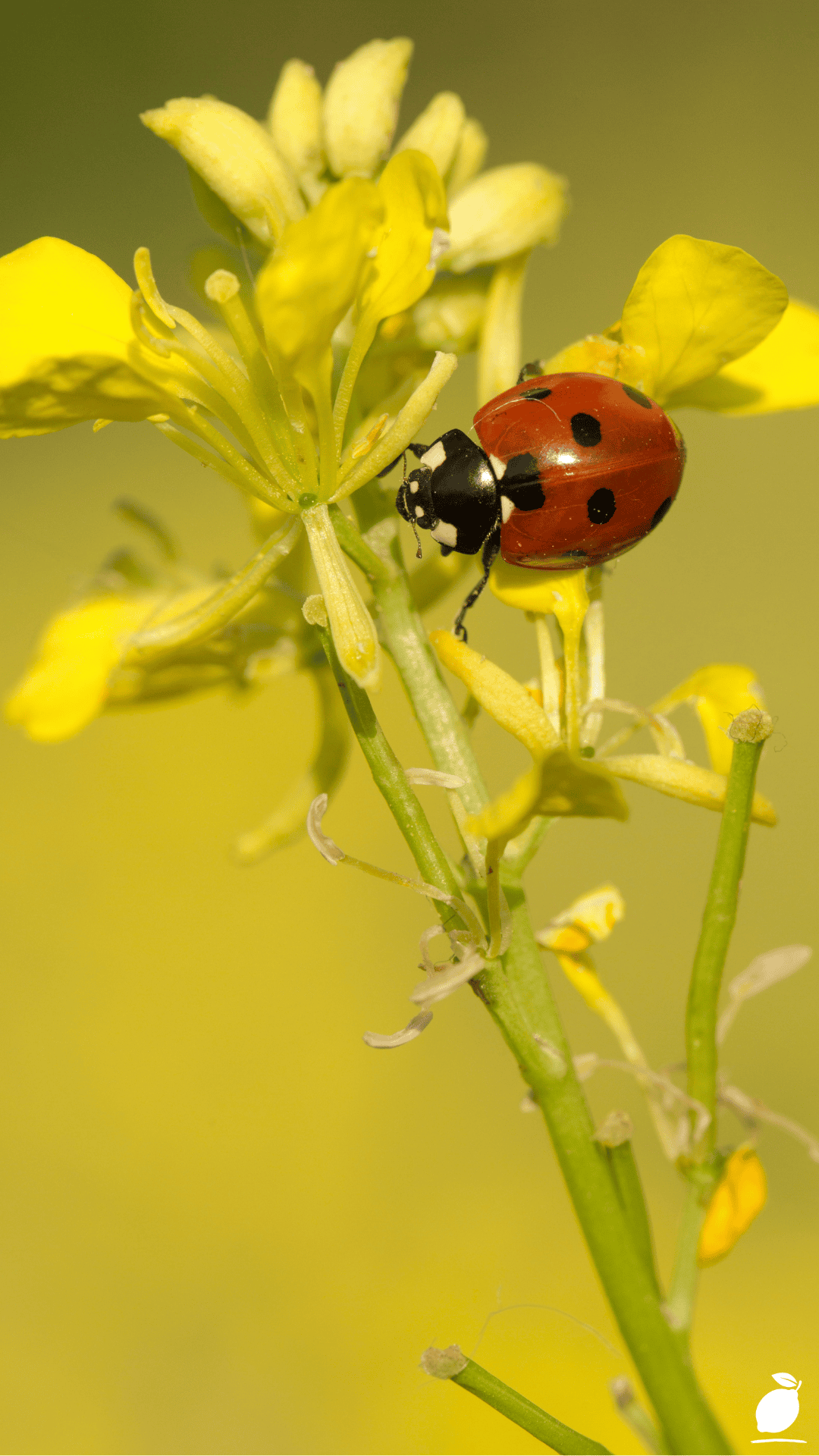
That realization crystallized for me looking at a macro photo of a single ladybug perched on a small yellow wildflower, its bright red, black-spotted shell catching the light against soft, blurred greenery in the background. It was such a small, simple image, but it reframed the whole problem: instead of fighting pests directly, I needed to build a garden that invited their natural predators in and gave them a reason to stay. Here’s a full guide to the best plants that attract ladybugs, and exactly how to use them to build a more self-sustaining, pest-resistant garden.
The Ladybug Guide
Not every flowering plant is equally effective at drawing ladybugs into a garden. The species below were chosen specifically for their pollen accessibility, bloom duration, and track record as reliable ladybug magnets in home gardens.
Yarrow
Why it works: Yarrow’s flat, clustered blooms provide an easily accessible landing platform and a steady source of pollen, which adult ladybugs rely on when aphid populations are low. Its long bloom season also means it continues attracting ladybugs throughout much of the growing year, making it one of the most consistently effective choices for a pest-resistant garden bed.
Dill
Why it works: Dill’s delicate, umbrella-shaped flower clusters are a favorite of many beneficial insects, including ladybugs, and the plant’s feathery foliage provides excellent shelter for ladybug larvae as they hunt for aphids nearby. As a bonus, dill is also useful in the kitchen, making it a dual-purpose addition to any vegetable garden border.
Fennel
Why it works: Similar in structure to dill, fennel’s open, airy flower heads offer both nectar and pollen resources that support adult ladybugs, making it a reliable, low-maintenance addition to any pest-resistant garden bed. Fennel also tends to self-seed readily, so a single planting often continues attracting ladybugs for several seasons with minimal upkeep.
Cosmos
Why it works: Cosmos flowers are easy to grow, bloom all summer prolifically, and their open, accessible petals make it simple for ladybugs to access pollen, especially valuable during periods when aphid prey is temporarily scarce. Their tall, airy stems also make an attractive backdrop for shorter, more compact ladybug-attracting plants.
Marigolds
Why it works: Beyond their reputation as a general pest deterrent, marigolds also produce abundant pollen that supports ladybug populations, making them a dual-purpose addition to vegetable and flower gardens alike. Their long bloom period and tolerance for a wide range of soil conditions make them one of the easiest options for beginner gardeners specifically hoping to attract ladybugs.
Sweet Alyssum
Why it works: This low-growing, fragrant ground cover produces small, dense clusters of flowers that are especially attractive to ladybugs and other tiny beneficial insects, making it an excellent border planting around vegetable beds. Its compact size also makes it a strong choice for container gardens where space is limited.
Angelica
Why it works: Angelica’s large, dramatic flower umbels provide an especially rich pollen and nectar source, drawing in significant numbers of ladybugs during its bloom period, and its tall structure adds valuable vertical interest to a garden bed. Because it’s biennial, planting a few new angelica seedlings each year ensures a continuous supply of blooms.
Calendula
Why it works: Calendula blooms continuously through much of the growing season and offers an easily accessible flower structure, providing a consistent food source for ladybugs even outside of peak aphid infestation periods. Its cheerful orange and yellow tones also make it a popular choice for edging vegetable beds and pathways.
Wildflowers (Yellow Rapeseed and Similar Species)
Why it works: Small, clustered wildflowers like yellow rapeseed, similar to the bloom in the inspiration photo, offer abundant pollen in a compact, easily accessible form that draws ladybugs in even from relatively small plantings. Allowing a small wildflower patch or meadow strip to grow, even in an otherwise tidy yard, can significantly boost overall ladybug activity nearby.
Expert Secrets for Success
Pro-Tips for Better Results
- Plant a diverse mix of flowering plants with staggered bloom times, ensuring ladybugs have a consistent food source available throughout spring, summer, and into fall, rather than a single burst of blooms followed by a long gap.
- Include some low-growing flowering ground covers alongside taller blooms, since ladybugs use varied plant heights for both feeding and shelter from wind and predators.
- Allow a small amount of aphid presence on non-critical plants rather than eliminating pests; a modest aphid population actually helps sustain resident ladybug populations for ongoing pest control throughout the season.
- Provide a shallow water source, like a dish with pebbles, near your ladybug-attracting plants, since these beneficial insects also need accessible water in warm weather, particularly during dry spells.
- Group ladybug-attracting plants in clusters rather than scattering single specimens throughout the garden, since dense plantings are more visible and appealing to passing ladybugs searching for food.
- Consider planting a dedicated “insectary strip” along one edge of a vegetable garden, combining several ladybug-attracting species to create a concentrated, reliable resource area.
Common Mistakes to Avoid
- Don’t use broad-spectrum pesticides, even organic ones, indiscriminately across your garden; these products often kill ladybugs along with the pests you’re trying to control, undoing the very balance you’re working to build.
- Avoid planting only a single ladybug-attracting species; a diverse mix of blooms provides more consistent, season-long support than one plant type alone.
- Don’t remove all aphids immediately upon sighting; eliminating the food source can drive away ladybugs before they’ve had a chance to establish and reproduce in your garden.
- Resist over-tidying garden beds in fall; leaving some plant debris and stems intact provides essential overwintering habitat for ladybugs to survive until the following spring.
- Don’t expect immediate results; building a self-sustaining population of beneficial insects takes time, and most gardens see the strongest results in their second or third season of consistent planting.
- Avoid planting ladybug-attracting flowers too far from the vegetables or ornamentals you’re actually trying to protect; proximity matters, since ladybugs are more likely to patrol nearby plants for pests.
Why Ladybug Matters
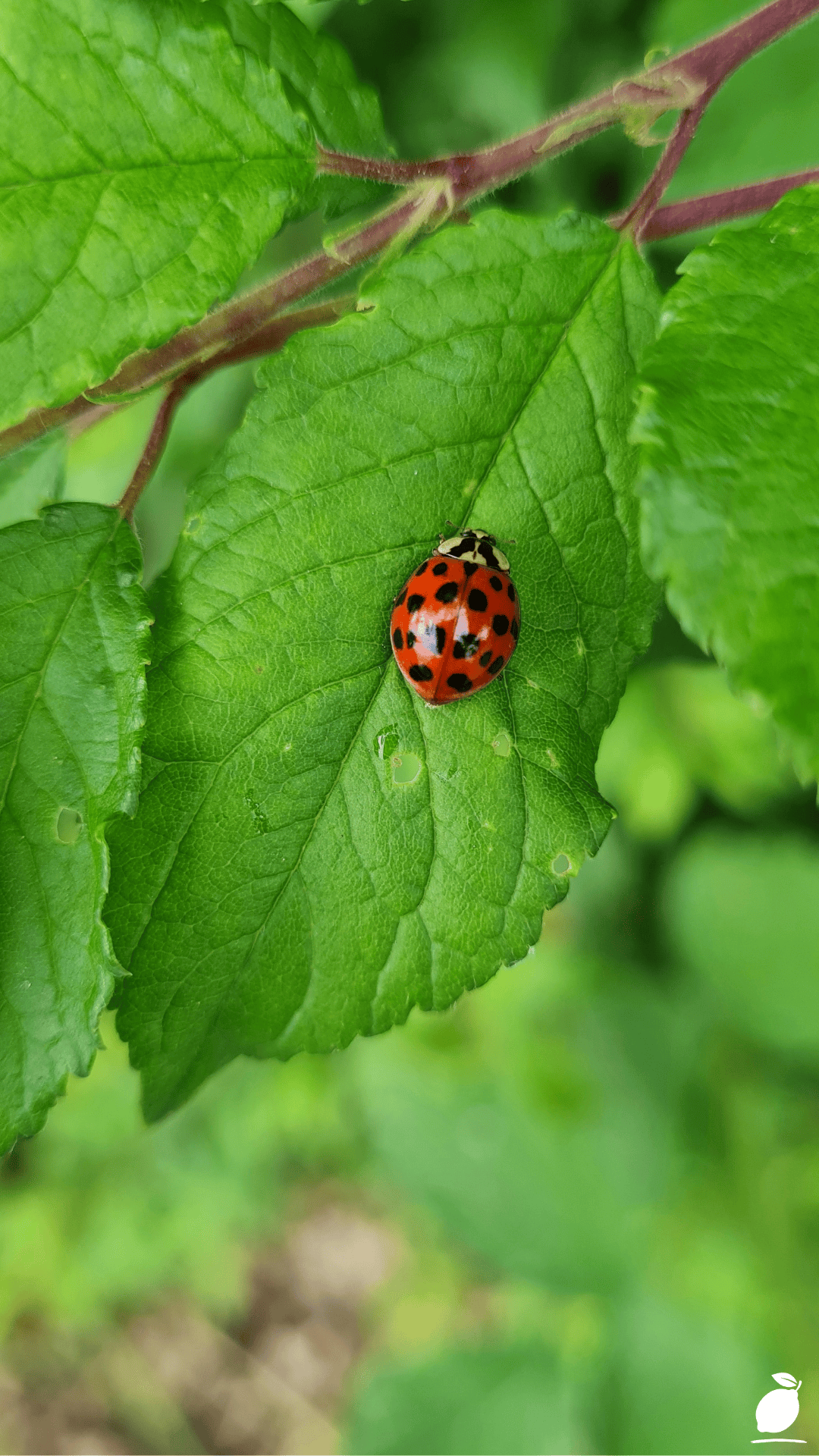
There’s a specific kind of relief that comes from watching a garden problem solve itself, quietly and naturally, instead of demanding constant intervention. Attracting ladybugs isn’t just a clever pest-control trick; it’s a shift toward working with your garden’s natural ecosystem rather than fighting against it, which changes the entire emotional experience of gardening from exhausting maintenance to something closer to genuine partnership with nature.
For families, a garden filled with ladybugs and other beneficial insects also becomes a wonderful, low-pressure way to introduce kids to the natural world. There’s something genuinely delightful about a small child spotting their first ladybug on a marigold bloom, learning that this tiny, bright red insect is actually helping protect the vegetables they’ll eat later that summer. That small moment of wonder, built entirely from a handful of thoughtfully chosen plants, adds a real sense of calm and connection to time spent in the garden together, and it’s a lesson in patience and natural balance that tends to stick with kids far longer than any lecture about pesticides ever could.
Beyond the practical pest control benefits, there’s also something deeply satisfying about building a space that supports life beyond just the plants you intentionally put in the ground. A garden that hosts ladybugs, bees, and other beneficial insects feels alive in a way that a purely ornamental, insect-free space simply doesn’t. Watching that ecosystem develop over a season, and knowing you played a direct role in creating the conditions for it to thrive, brings a quiet sense of accomplishment that goes well beyond whether your roses survived the aphids this year.
That accomplishment tends to compound season after season. Once a garden establishes a healthy population of ladybugs and other beneficial insects, pest problems that once felt overwhelming become smaller, more manageable, and far less frequent. What started as a frustrating cycle of spraying, picking, and worrying gradually shifts into something closer to trust trust that the garden, given the right conditions, is largely capable of taking care of itself.
FAQ
What plants attract the most ladybugs to a garden?
Yarrow, dill, fennel, cosmos, marigolds, sweet alyssum, angelica, and calendula are among the most reliable ladybug-attracting plants, offering abundant, easily accessible pollen and nectar throughout the growing season.
Do ladybugs actually eat garden pests, or is that a myth?
Ladybugs are genuinely effective natural predators, with a single adult ladybug capable of consuming dozens of aphids per day, making them one of the most valuable beneficial insects for organic pest control.
How long does it take to attract ladybugs to a new garden?
With the right mix of flowering plants, gardeners often begin noticing ladybug activity within a few weeks of blooms opening, though building a consistently established population typically takes a full growing season or more.
Can I buy ladybugs to release in my garden instead of attracting them naturally?
While ladybugs can be purchased and released, they often disperse quickly without an established food and habitat source already in place, making naturally attracting and retaining them through the right plants a more sustainable long-term strategy.
Will attracting ladybugs also attract other unwanted insects?
Many of the same plants that attract ladybugs also draw in other beneficial pollinators like bees and butterflies, and while some pest insects may also be present, they typically serve as the very food source that keeps ladybugs in your garden.
Do ladybugs need shelter in addition to food plants?
Yes, ladybugs benefit from areas of leaf litter, dense ground cover, or undisturbed plant debris where they can shelter, especially for overwintering, so avoiding excessive fall cleanup helps support a resident ladybug population year-round.
What time of year are ladybugs most active in the garden?
Ladybugs are typically most active from late spring through early fall, coinciding with peak aphid and other soft-bodied pest activity, though a diverse planting can support them through much of the growing season.
Can container gardens attract ladybugs, or do they need large planting areas?
Even small container gardens can attract ladybugs if planted with the right flowering species, particularly compact options like sweet alyssum, calendula, or dwarf marigold varieties suited to pot culture.