You’ve had forty browser tabs open for two weeks now, each one a different wall treatment idea, and you’re honestly no closer to a decision than when you started. One article insists wainscoting is the only timeless choice; the next swears board and batten is the modern standard. Your entryway wall is still bare, your Pinterest board is a chaotic mix of both styles pinned with no real plan, and every time you almost commit, another photo talks you out of it.
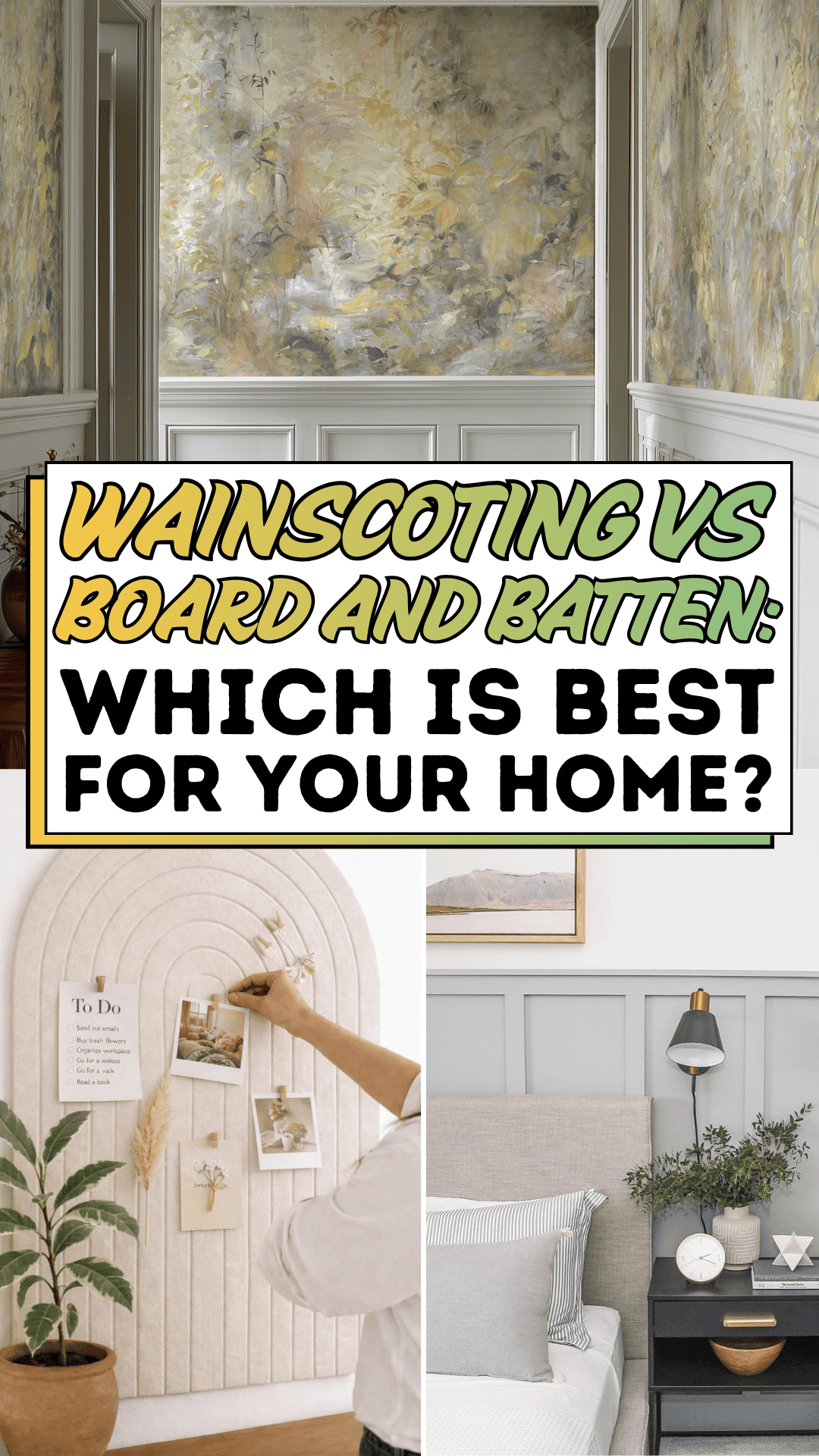
This kind of decision paralysis is incredibly common with wall trim projects, mostly because both styles genuinely look beautiful, and most articles compare them in isolation instead of helping you actually choose based on your specific room, budget, and style. Without a clear framework, it’s easy to spend more energy debating the decision than it would actually take to install either option.
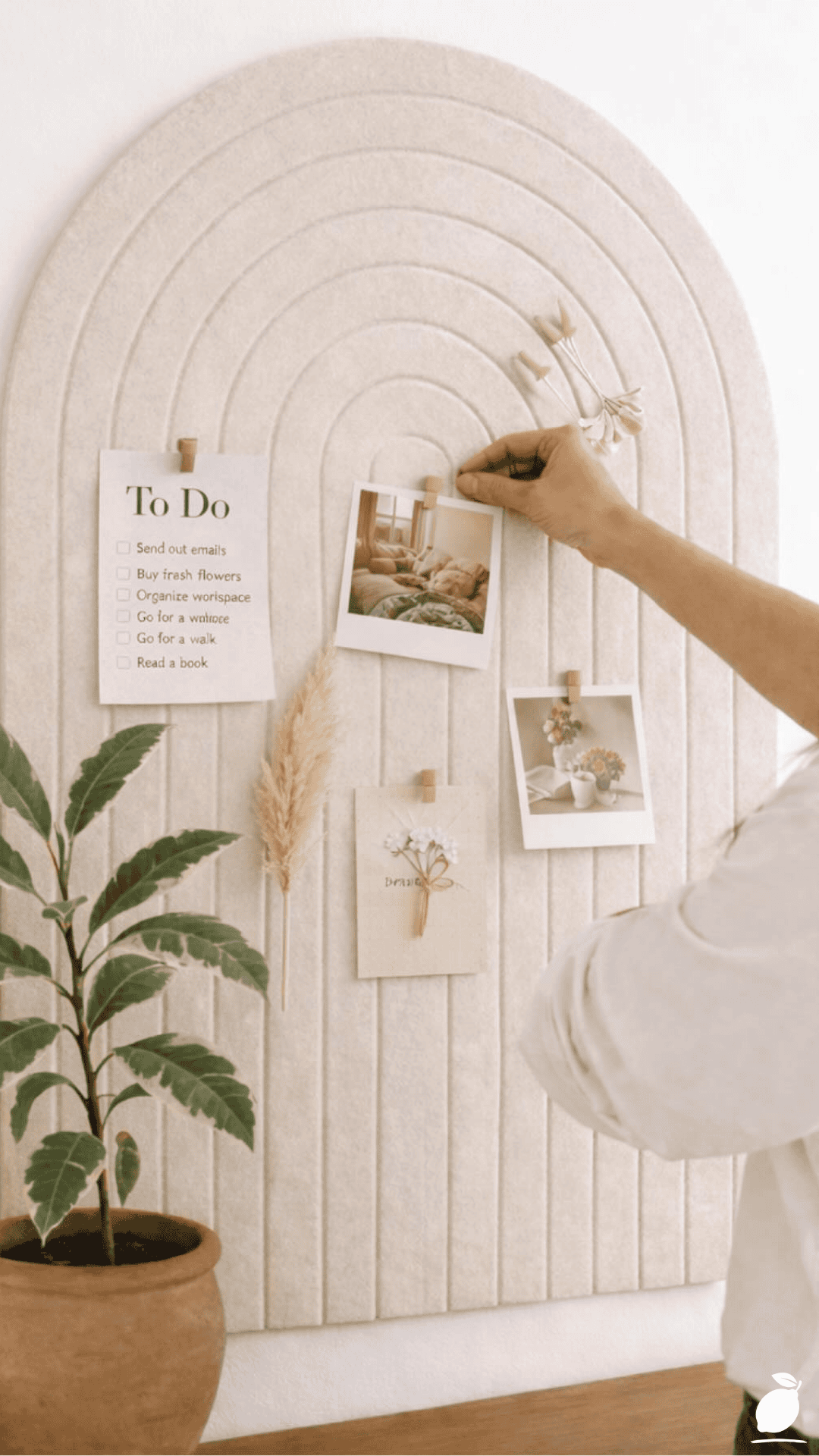
Now picture the opposite of that stuck, cluttered feeling: a clean, curated wall, a simple arched display board, a fiddle leaf fig in a terracotta pot, soft natural light, everything calm and intentional. That’s the payoff of finally making a decision and committing to it. This guide breaks down wainscoting versus board and batten clearly, so you can stop scrolling and start building the kind of considered, finished wall that space has been waiting for.
Wainscoting vs. Board and Batten: The Key Differences
Before diving into the decision process, it helps to understand what actually separates these two popular wall treatments.
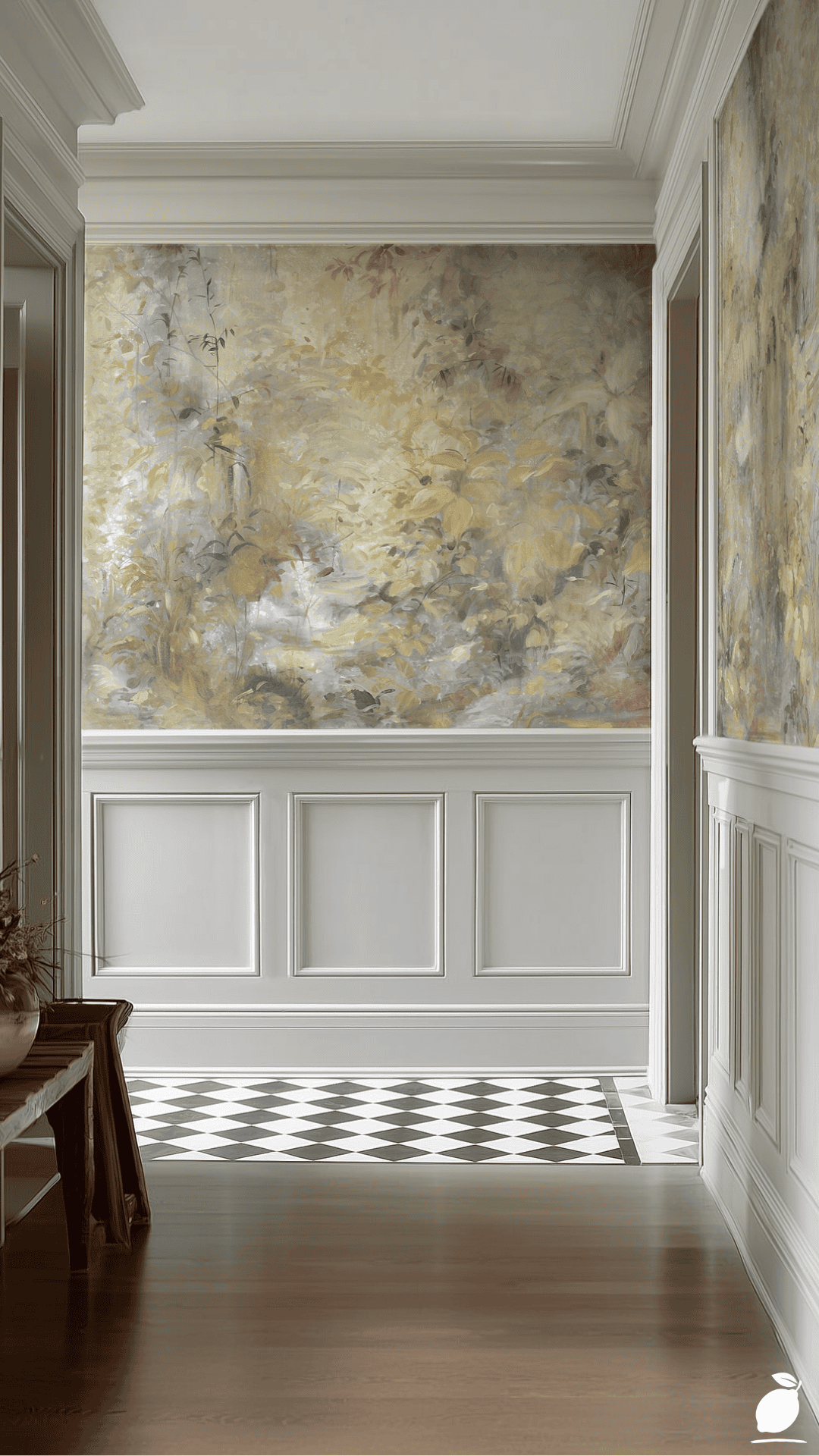
Wainscoting typically refers to a paneled wall treatment covering the lower portion of a wall, often featuring raised or recessed panel details, beadboard, or flat panel styles, usually paired with a chair rail or cap molding at the top. It reads as more traditional, detailed, and formal.
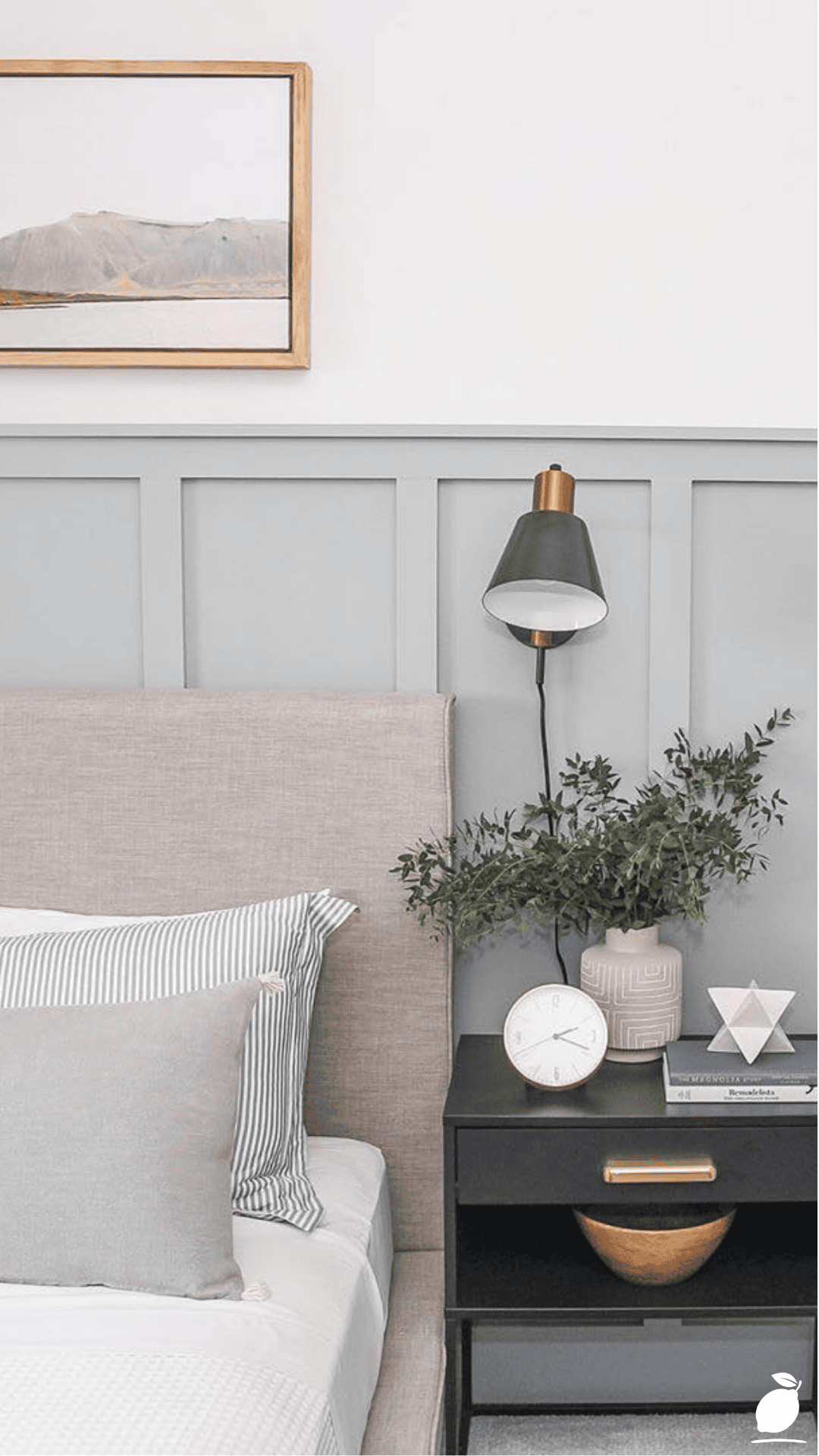
Board and batten, by contrast, uses vertical boards (battens) spaced evenly over a flat base, creating a simpler, more graphic, geometric look. It’s generally considered more modern and minimalist, though it works beautifully in farmhouse and transitional spaces too.
The Wainscoting Blueprint
Whether you land on wainscoting or board and batten, the decision-and-installation process follows a similar sequence. Here’s the full blueprint for choosing and executing the right wall treatment for your home.
Step 1: Assess Your Room’s Existing Style
Look at your home’s overall architecture and existing trim details. Traditional or historic homes often suit wainscoting’s detailed paneling, while modern or farmhouse-style spaces frequently lean toward the cleaner lines of board and batten.
Step 2: Consider Your Budget and Skill Level
Wainscoting, especially raised panel styles, generally requires more materials and precision, often translating to a higher cost and longer installation time. Board and batten is typically simpler and more budget-friendly for a first-time DIYer.
Step 3: Evaluate the Room’s Function
High-moisture rooms like bathrooms often benefit from wainscoting’s traditional protective role along the lower wall, while living rooms, entryways, and bedrooms work beautifully with either option depending on your desired aesthetic.
Step 4: Choose Your Height and Layout
Decide how high your treatment will run, typically one-third to half the wall height for both styles, and sketch your layout, including panel or batten spacing, before purchasing materials.
Step 5: Select Your Materials
Choose moisture-resistant MDF, PVC, or solid wood depending on the room and your chosen style. This decision affects both the final look and the long-term durability of either wainscoting or board and batten.
Step 6: Prep and Measure the Wall
Clean the wall surface, remove existing trim or fixtures, and carefully measure and mark your layout, whether that’s individual panels for wainscoting or evenly spaced vertical boards for batten.
Step 7: Install Your Chosen Treatment
Attach panels or battens using construction adhesive and finishing nails, checking level frequently. This is the most time-intensive step, whether you’ve chosen the more detailed process of wainscoting or the more straightforward vertical layout of board and batten.
Step 8: Fill, Caulk, and Paint
Fill nail holes, caulk seams and edges, sand smooth, then prime and paint in your chosen color for a clean, cohesive, professional-looking finish.
Step 9: Style and Finish the Space
Once fully cured, reinstall any fixtures and style the finished wall with simple, curated decor, much like the calm, minimal display shown in a well-designed room, to let the trim detail take center stage.
Expert Secrets for Success
Pro-Tips for a Better Result
Match your trim style to your home’s era. Wainscoting tends to complement traditional or colonial-style homes, while board and batten suits modern farmhouse and contemporary spaces especially well.
Choose a contrasting paint color for impact. Painting either wainscoting or board and batten a different shade than the upper wall adds instant depth and definition to the room.
Plan spacing before cutting anything. For board and batten especially, evenly spaced verticals make a dramatic difference in how polished the finished wall looks.
Use moisture-resistant materials in bathrooms and kitchens. Regardless of which style you choose, humidity-prone rooms need materials built to handle it.
Keep styling minimal once installed. A few curated decor pieces, rather than a cluttered wall, let the architectural detail of your wainscoting or board and batten actually stand out.
Common Mistakes to Avoid
Choosing a style that clashes with your home’s architecture. Ornate wainscoting in a strictly modern space, or overly minimal board and batten in a historic home, can feel visually mismatched.
Skipping proper wall prep. Uneven or unclean walls lead to gaps and a less polished result no matter which style you choose.
Miscalculating spacing on board and batten. Uneven batten spacing is one of the most common and most visible installation mistakes.
Using non-moisture-resistant materials in wet areas. Standard wood or MDF can warp quickly in bathrooms without proper sealing or material choice.
Rushing the caulking and painting steps. Skipping thorough caulking or painting before caulk fully cures leads to visible seams and cracking over time.
Why Wainscoting Matters
There’s real satisfaction in finally resolving a decision that’s been sitting unfinished for weeks or months. A bare, undecided wall has a way of quietly nagging at you every time you walk past it, while a finished one, whether dressed in classic wainscoting or clean board and batten, brings a sense of calm and completion to the whole room.
Home projects like this offer more than visual improvement. Committing to a decision, researching it properly, and executing it yourself builds real confidence and mental clarity, proof that you can move a stuck project from “someday” to “done.” That sense of accomplishment tends to ripple outward, making the rest of the home feel a little more intentional too.
At Easy Peasy Life Matters, this is exactly the kind of transformation we love supporting: helping you move past decision paralysis into a finished, well-considered space. Whether you choose wainscoting or board and batten, the real win is committing to a clear plan and finally giving that blank wall the finished, calming presence it deserves.
FAQ
Is wainscoting more expensive than board and batten?
Generally yes, since wainscoting, especially raised panel styles, often requires more detailed materials and labor, while board and batten typically uses simpler, more affordable vertical boards.
Which style is easier for a first-time DIYer?
Board and batten is usually more beginner-friendly because it uses straightforward vertical boards rather than the more intricate panel work often required for wainscoting.
Can wainscoting or board and batten be used in a bathroom?
Yes, both can work well in bathrooms as long as you use moisture-resistant materials like PVC or properly sealed MDF to withstand humidity.
What height should wainscoting or board and batten be installed at?
Most installations run between one-third and half the total wall height, typically 32 to 42 inches, though the ideal height depends on ceiling height and room proportions.
Can I combine wainscoting and board and batten in the same home?
Absolutely. Many homeowners use wainscoting in more formal spaces like dining rooms and board and batten in casual areas like mudrooms or hallways, as long as the overall home style stays cohesive.