
My first real flower bed was, in hindsight, a monument to good intentions and terrible plant choices. I filled it with delicate annuals that needed constant babying: daily watering, deadheading, fussing over every yellowing leaf, and by the time August rolled around, half of them had given up entirely, leaving behind patchy brown gaps where color used to be. I remember standing there with a watering can, genuinely exhausted by a hobby that was supposed to be relaxing.
If you’ve ever poured real effort into a garden bed only to watch it wilt, struggle, or demand constant attention just to survive, you know exactly that particular flavor of gardening burnout. It’s not that you’re doing anything wrong. It’s that a lot of popular garden-center flowers simply aren’t built for low-effort, high-reward growing. What most tired gardeners actually need isn’t more discipline; it’s a plant that thrives on being left alone.
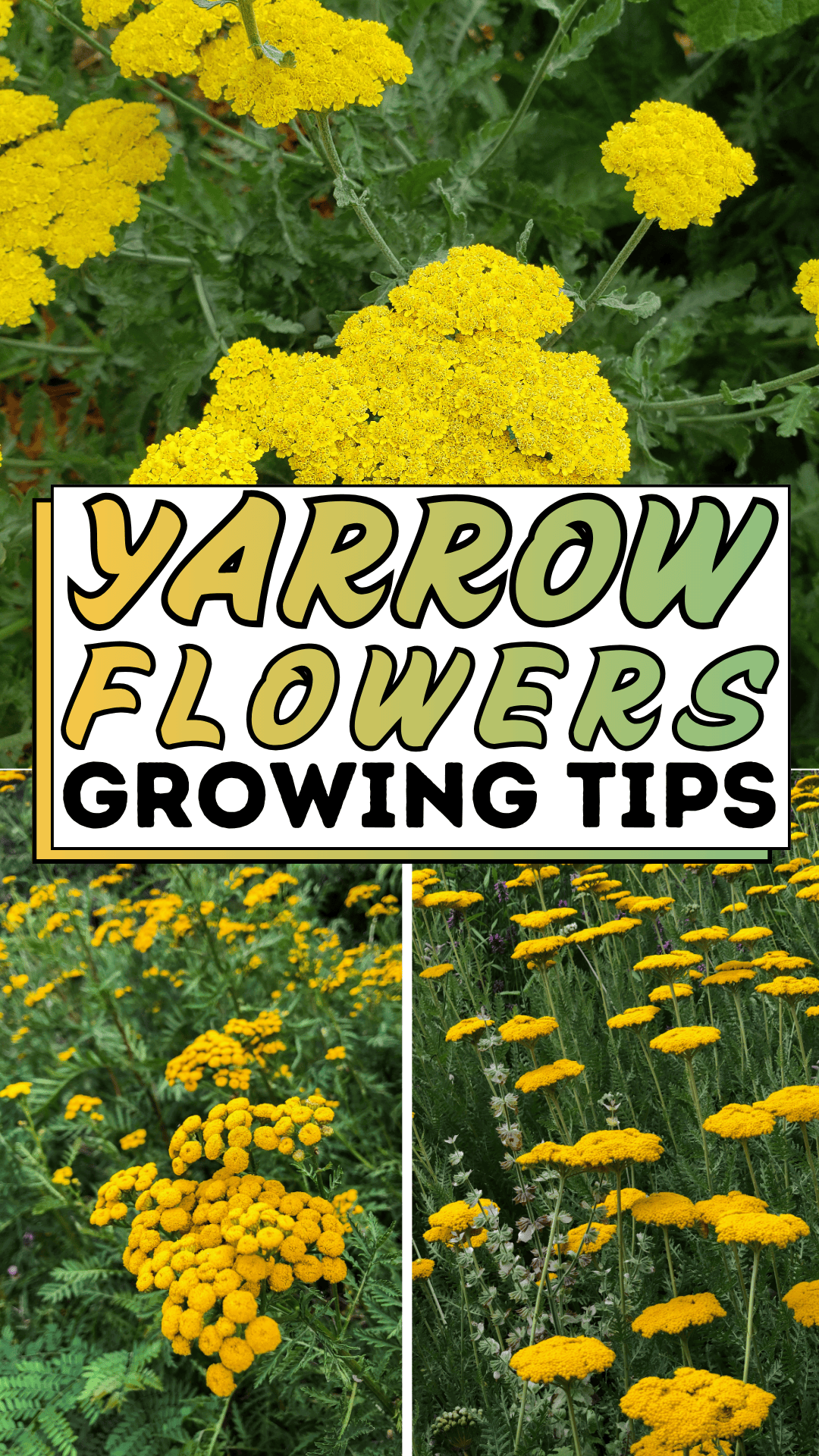
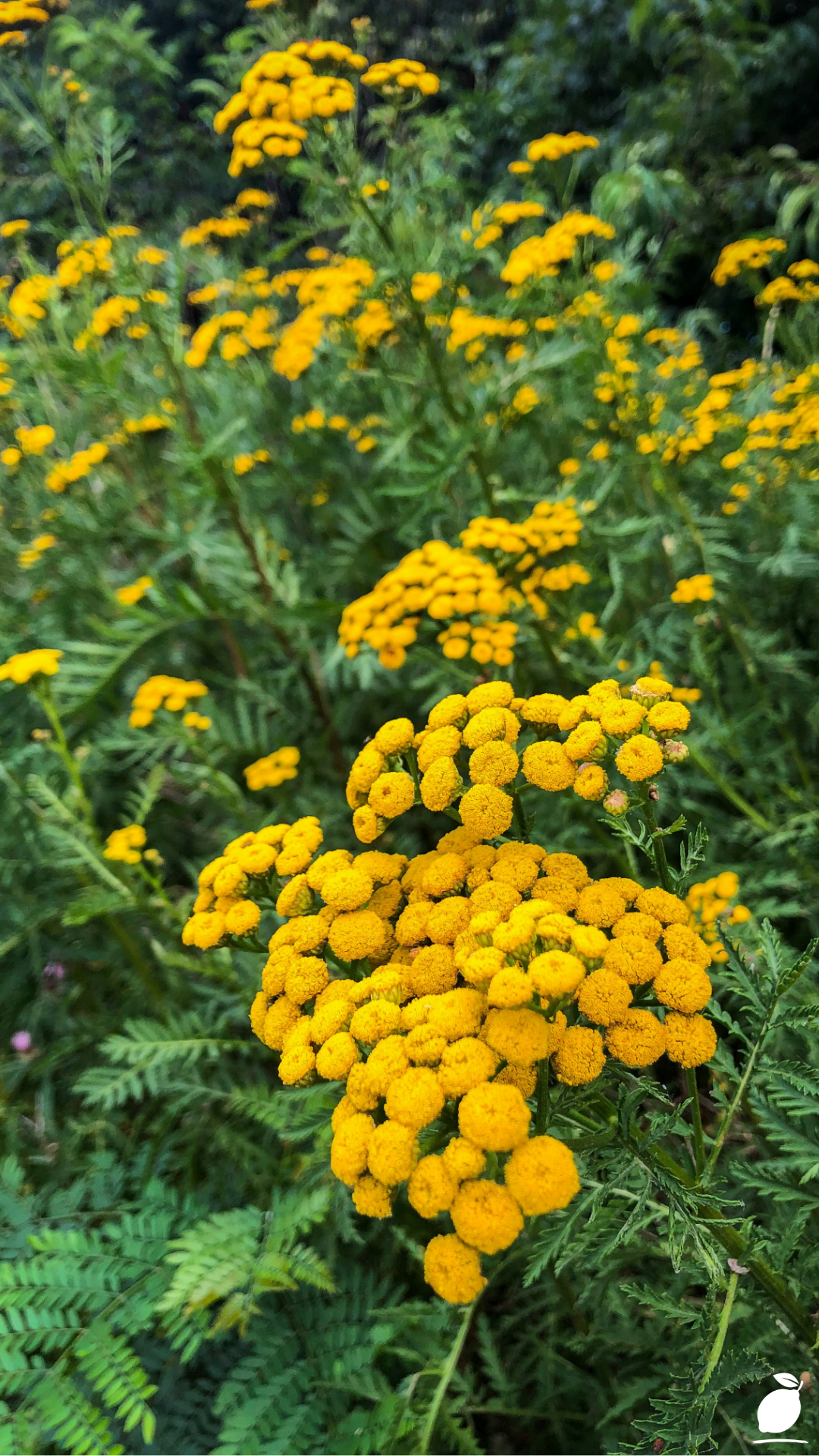
That’s exactly what led me to yarrow. I found real inspiration in a close-up photo of dense, flat-topped clusters of small, button-like blooms rising above soft, feathery, fern-like foliage the kind of textured, layered beauty that looks intricate but, as it turns out, requires almost none of the fuss my old annual bed did. That image reframed everything I thought I knew about a “good” flower garden, and it sent me down a genuine deep dive into yarrow flower care. Here’s everything I learned, covering exactly how to grow yarrow flowers successfully, season after season, with a fraction of the effort my old garden demanded.
The Yarrow Flower Blueprint
Growing yarrow flowers successfully isn’t complicated, but a handful of specific choices early on soil prep, sun placement, watering habits make the difference between a yarrow patch that merely survives and one that spreads, blooms generously, and genuinely thrives for years. Work through the following steps for the strongest results.
Step 1: Choose the Right Location
Yarrow flowers need full sun, ideally six or more hours of direct sunlight daily, to develop their signature dense, flat-topped blooms and to avoid the leggy, floppy growth that happens in too much shade. Choose an open area of your yard or garden bed with minimal overhead shading from trees, structures, or taller neighboring plants, since yarrow’s compact, upright form depends heavily on strong, consistent light exposure throughout the growing season.
Step 2: Prepare Well-Draining Soil
Unlike many flowering plants that crave rich, moisture-retentive soil, yarrow flowers actually prefer lean, well-draining soil, and they can struggle in overly fertile, heavily amended beds. If your native soil is heavy clay or tends to hold water, work in coarse sand or fine gravel to improve drainage before planting. Avoid adding excessive compost or fertilizer at this stage, since overly rich soil tends to produce weak, floppy stems rather than the strong, upright growth yarrow is known for.
Step 3: Choose Your Planting Method
Yarrow can be started from seed, purchased as an established nursery plant, or propagated by dividing an existing clump. Starting from seed is the most budget-friendly option and works well for filling larger areas over time, while nursery starts or divisions establish more quickly and typically bloom sooner in their first season. If you’re working from seed, plan to start six to eight weeks indoors before your last expected frost, or direct-sow outdoors once soil temperatures warm in spring.
Step 4: Space Plants Properly
Space individual yarrow plants or seedlings 12 to 18 inches apart, accounting for their tendency to spread via underground rhizomes over time. Proper spacing from the beginning prevents overcrowding down the line and gives each plant enough room to develop a full, healthy root system without immediately competing with its neighbors for nutrients and water.
Step 5: Water Consistently During Establishment
While mature yarrow flowers are remarkably drought-tolerant, newly planted yarrow still needs consistent moisture during its first several weeks in the ground. Water deeply two to three times per week until you see clear signs of new growth, which indicates the root system has begun to establish itself in its new location.
Step 6: Transition to Minimal Watering
Once established, typically after the first full growing season, yarrow flowers need very little supplemental watering beyond normal rainfall in most climates. Overwatering established yarrow is actually more likely to cause problems than underwatering, since consistently damp soil promotes root rot and can encourage the same weak, floppy growth associated with overly rich soil.
Step 7: Deadhead Regularly for Continuous Blooms
Remove spent flower clusters throughout the growing season by cutting the stem back to a set of healthy leaves or to ground level. Regular deadheading encourages yarrow to produce additional blooms rather than diverting energy into seed production, significantly extending your overall flowering season from early summer well into fall in many climates.
Step 8: Divide Established Clumps Every Few Years
Every two to three years, dig up and divide mature yarrow clumps in early spring or fall, replanting healthy sections with strong root systems. This practice keeps established plantings vigorous, prevents overcrowding at the center of the clump, and gives you free plant material to expand your yarrow flower collection into new garden areas.
Step 9: Prepare for Winter Dormancy
In most climates, yarrow foliage dies back naturally with the first hard frosts of the season. Leave the dried foliage in place through winter rather than cutting it back immediately, since it provides some natural insulation for the root system and habitat for beneficial insects. Cut back dead growth in early spring, just before new shoots begin to emerge.
Step 10: Monitor and Refresh Over Time
Check your yarrow patch each spring for signs of overcrowding, dead center growth, or reduced blooming compared to previous years, since these are all signals that a clump is due for division. A little seasonal attention keeps your yarrow flowers performing at their best year after year, rather than gradually declining in vigor.
Expert Secrets for Success
Pro-Tips for Better Results
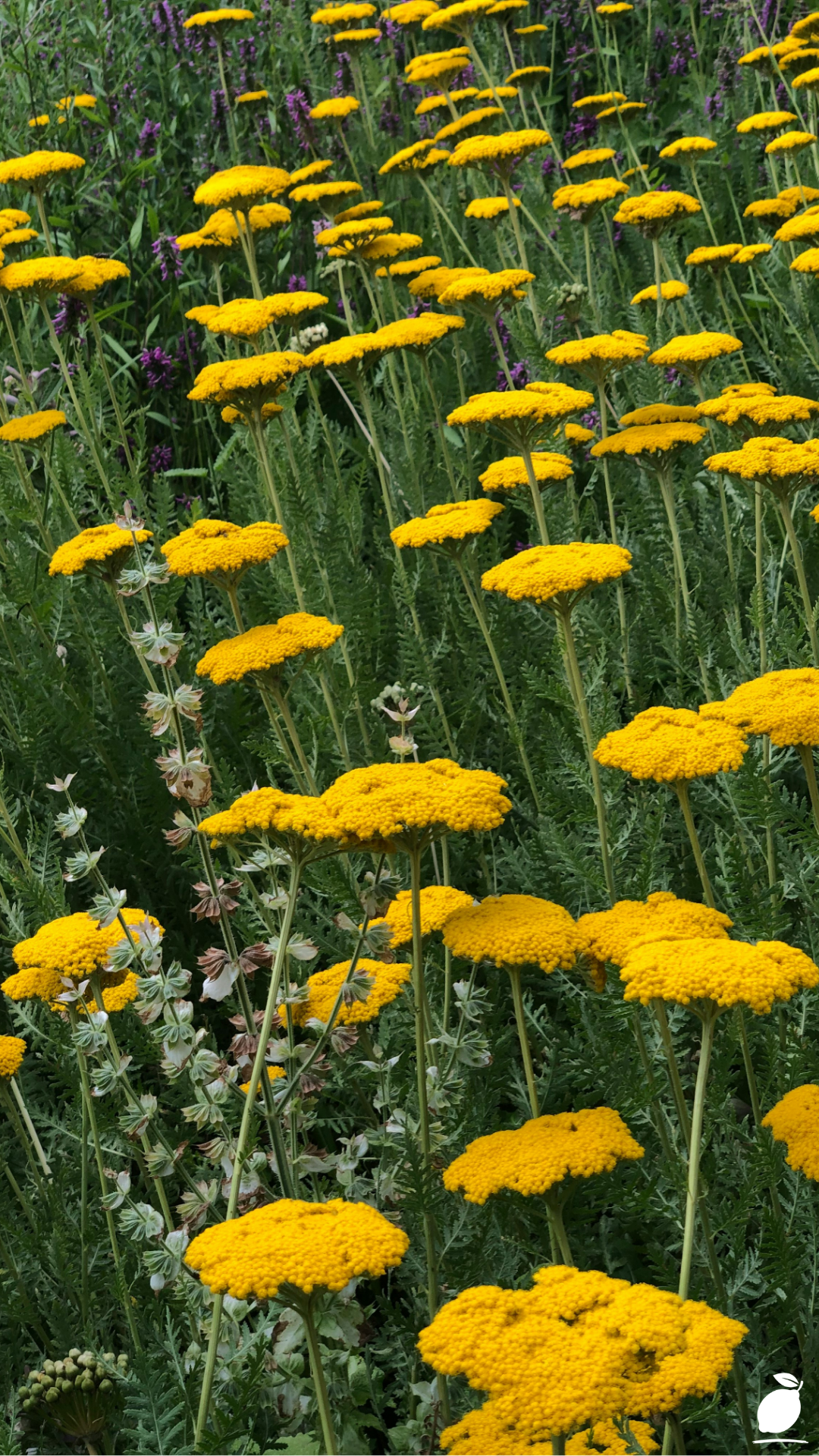
- Choose yarrow varieties suited to your specific climate and desired color palette; beyond the classic yellow, tansy-like blooms, yarrow is available in white, pink, red, and soft pastel shades, all sharing the same low-maintenance growing needs.
- Pair yarrow with other drought-tolerant perennials like Russian sage, coneflower, or ornamental grasses for a cohesive, low-water garden bed that thrives on benign neglect.
- Cut fresh yarrow blooms for arrangements regularly throughout summer; the more you cut, the more the plant tends to produce, making it an excellent cut-flower garden addition.
- Avoid heavy fertilization entirely once yarrow is established; a single light application of balanced fertilizer in early spring, if any, is typically sufficient for healthy growth.
- Use yarrow as a natural companion plant near vegetable gardens, since its flowers attract beneficial pollinators and predatory insects that help manage common garden pests.
- Dry cut yarrow blooms by hanging them upside down in a cool, dark space for two to three weeks, preserving their color and shape for long-lasting dried flower arrangements.
Common Mistakes to Avoid
- Don’t plant yarrow in rich, heavily fertilized soil expecting better growth; this common assumption actually produces weaker, floppier plants than lean, well-draining soil does.
- Avoid overwatering established yarrow plants; consistently damp conditions are far more likely to cause problems than the occasional dry spell this drought-tolerant plant can easily handle.
- Don’t crowd yarrow into deeply shaded garden areas; insufficient sunlight leads to sparse blooming and weak, leggy stems that struggle to support the plant’s flower clusters.
- Resist skipping division for many years; while yarrow is low-maintenance, neglected clumps can eventually decline in vigor and blooming without periodic division and renewal.
- Don’t assume yarrow needs the same care as more delicate garden flowers; treating it like a high-maintenance annual, with frequent watering and fertilizing, generally works against its natural growing habits.
- Avoid planting yarrow in poorly draining, low-lying areas of your yard where water tends to collect after rain, since prolonged soil moisture significantly increases the risk of root rot.
Why Yarrow Flowers Matter
There’s a particular kind of relief that comes from finally growing something that thrives instead of merely survives. After years of babying delicate annuals that demanded constant attention just to limp through a single season, discovering yarrow flowers felt like being let off the hook a genuinely beautiful plant that rewards a light touch rather than punishing any lapse in care. That shift, from anxious maintenance to confident, low-effort growing, changes how gardening actually feels day to day.
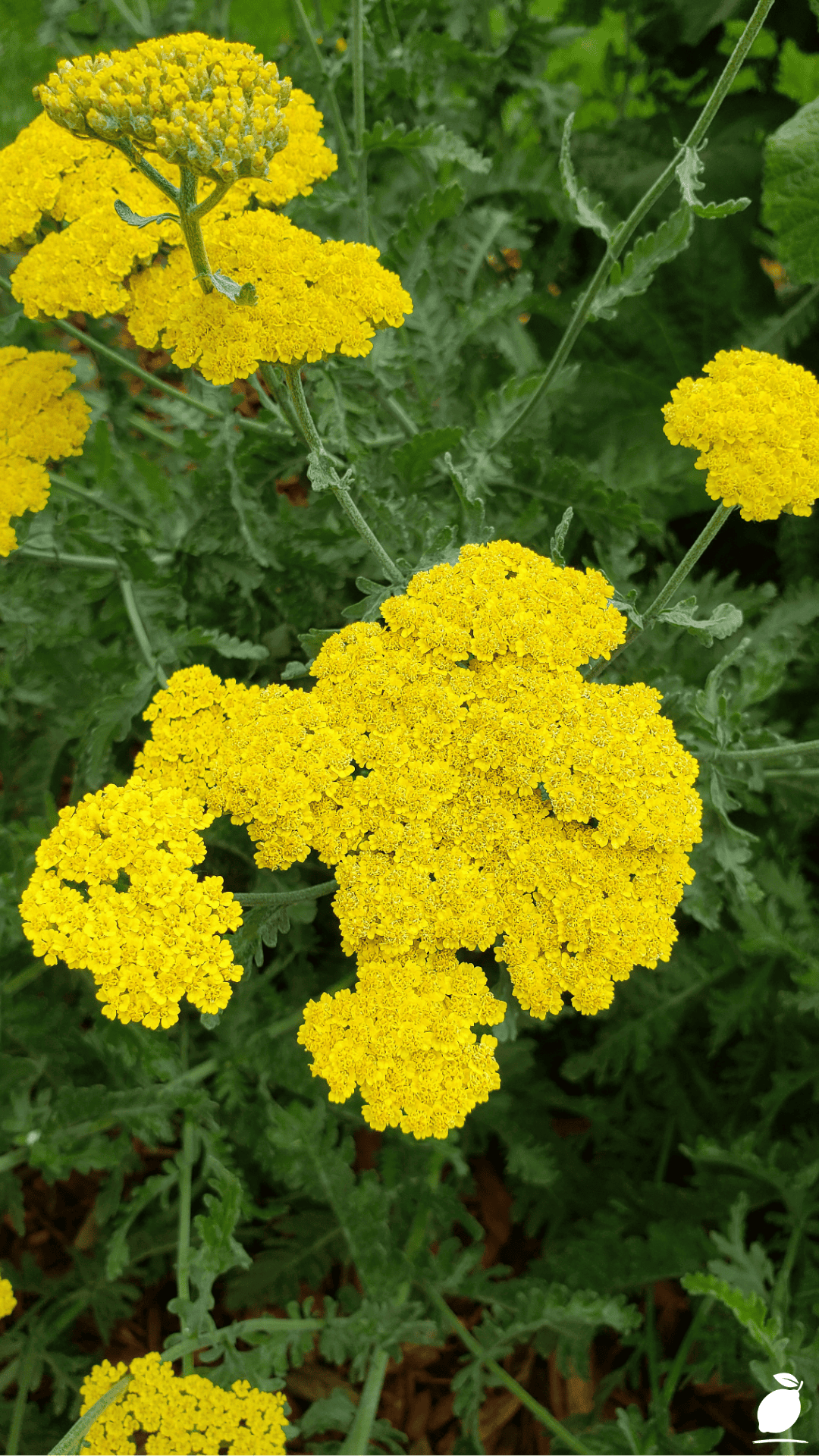
For families, a resilient, easy-care plant like yarrow also opens the door to actually involving kids in gardening without the constant stress of “don’t forget to water it or it’ll die.” Watching yarrow’s dense, textured blooms return reliably year after year, largely on their own, builds a quiet confidence in your own gardening abilities proof that you don’t need a perfect green thumb to grow something genuinely lovely. That confidence tends to ripple outward, making the whole yard feel a little less like a source of pressure and a little more like a source of calm.
There’s also something genuinely grounding about a plant that asks so little in return for so much. In a season of life that often feels like it’s constantly demanding more attention, more effort, more upkeep, a patch of yarrow quietly doing its own thing in the corner of the yard is a small, welcome exception. It blooms, it spreads, it comes back, and it does most of that without you having to think about it very often, which is exactly the kind of low-stakes success that makes a hobby feel sustainable instead of exhausting.
FAQ
How long does it take for yarrow flowers to bloom after planting?
Yarrow typically blooms within its first growing season when started from nursery plants or divisions, usually flowering in early to mid-summer, while seed-grown plants may take until their second season to reach full blooming maturity.
Do yarrow flowers spread aggressively in a garden bed?
Yarrow does spread via underground rhizomes and can become somewhat vigorous over time, though it’s generally manageable with occasional division and isn’t considered as aggressively invasive as plants like mint.
What soil conditions are best for growing yarrow flowers?
Yarrow strongly prefers lean, well-draining soil over rich, heavily amended beds, since overly fertile conditions tend to produce weak, floppy growth rather than the strong, upright stems and dense blooms yarrow is known for.
Can yarrow flowers survive in poor or rocky soil?
Yes, yarrow is remarkably tolerant of poor, rocky, or sandy soil conditions, making it an excellent choice for challenging garden areas where many other flowering plants struggle to establish.
Is yarrow considered a good pollinator plant?
Yes, yarrow’s flat-topped flower clusters are highly attractive to bees, butterflies, and beneficial predatory insects, making it a valuable addition to any pollinator-friendly or wildlife garden.
How often should established yarrow flowers be divided?
Most gardeners divide established yarrow clumps every two to three years in early spring or fall, which helps maintain plant vigor, prevents overcrowding, and provides new plant material for expanding your garden.
Can yarrow flowers be grown in containers instead of garden beds?
Yes, though yarrow generally performs best in open garden beds where its spreading root system has room to establish; if growing in containers, choose a large pot with excellent drainage and avoid overly rich potting mixes.