We have all felt that suffocating pull of the modern treadmill, the endless notifications, the grey concrete commutes, and the mental clutter that accumulates like dust in a forgotten corner. You try to find peace, but your “relaxation” often involves scrolling through photos of other people’s adventures while sitting in a room filled with unfinished chores and plastic overflow in Hippie Garden. The dream of a simpler existence feels out of reach, buried under the weight of a high-speed life that leaves very little room for the soul to breathe.

Now, imagine a different rhythm. Picture a soft, light-colored Volkswagen van tucked into the heart of an ancient forest. The air is cool, carrying the scent of damp earth and fallen autumn leaves. As the side doors swing open, the barrier between “home” and “nature” simply vanishes. There is no blue light here, only the soft, ethereal glow of mist filtering through tall trees and the grounding crunch of amber leaves beneath your feet. It is a scene of total environmental alignment, where every element exists in a state of calm, purposeful ease.
This transition from chaos to clarity is the heart of the hippie garden philosophy. It is not just about plants; it is about cultivating a lifestyle that prioritizes organic flow over rigid structure. By bringing this misty, forest-inspired intentionality into your own space, you can create a sanctuary that mirrors the freedom of the open road. At Easy Peasy Life Matter, we believe that reclaiming your peace starts with a single, mindful shift toward the natural world, turning your immediate surroundings into a living, breathing extension of your truest self.
The Hippie Garden System

Creating an outdoor or indoor-outdoor sanctuary requires more than just scattering seeds. It requires a system that honors the wildness of nature while maintaining a sense of curated peace.
Step 1: Prepare
Before you introduce a single botanical element, you must clear the “static.” In a hippie garden, this means removing artificial barriers and synthetic clutter. Just as the forest floor in our inspiration is covered in natural mulch rather than plastic edging, your space should prioritize raw materials. Clear out broken pots, rusted furniture, and anything that creates visual “noise.” Create a blank canvas of earth and stone, allowing the natural topography of your space to dictate where the life will grow.
Step 2: Implement
Integration is key to the hippie garden aesthetic. Start with “anchor” elements that provide a sense of history and shelter, think weathered wood, repurposed vintage containers, or a sheltered seating nook that mimics the cozy interior of a woodland van. Introduce plants in layers: tall, structural trees or shrubs to create the “dense forest” feel, followed by mid-level ferns and grasses. Focus on a palette of muted greens, deep ambers, and soft creams to replicate that misty, autumnal atmosphere.
Step 3: Maintain
The beauty of this system is that it thrives on “managed wildness.” You are not seeking a manicured lawn; you are nurturing an ecosystem. Maintenance in a hippie garden involves observing more and interfering less. Allow fallen leaves to remain on the ground to nourish the soil, much like the forest path. Prune only when necessary for the health of the plant, and let the mist and natural dew do the heavy lifting for hydration. By mimicking the forest’s self-sustaining cycle, you keep the work “easy peasy.”
The Secrets to Hippie Garden
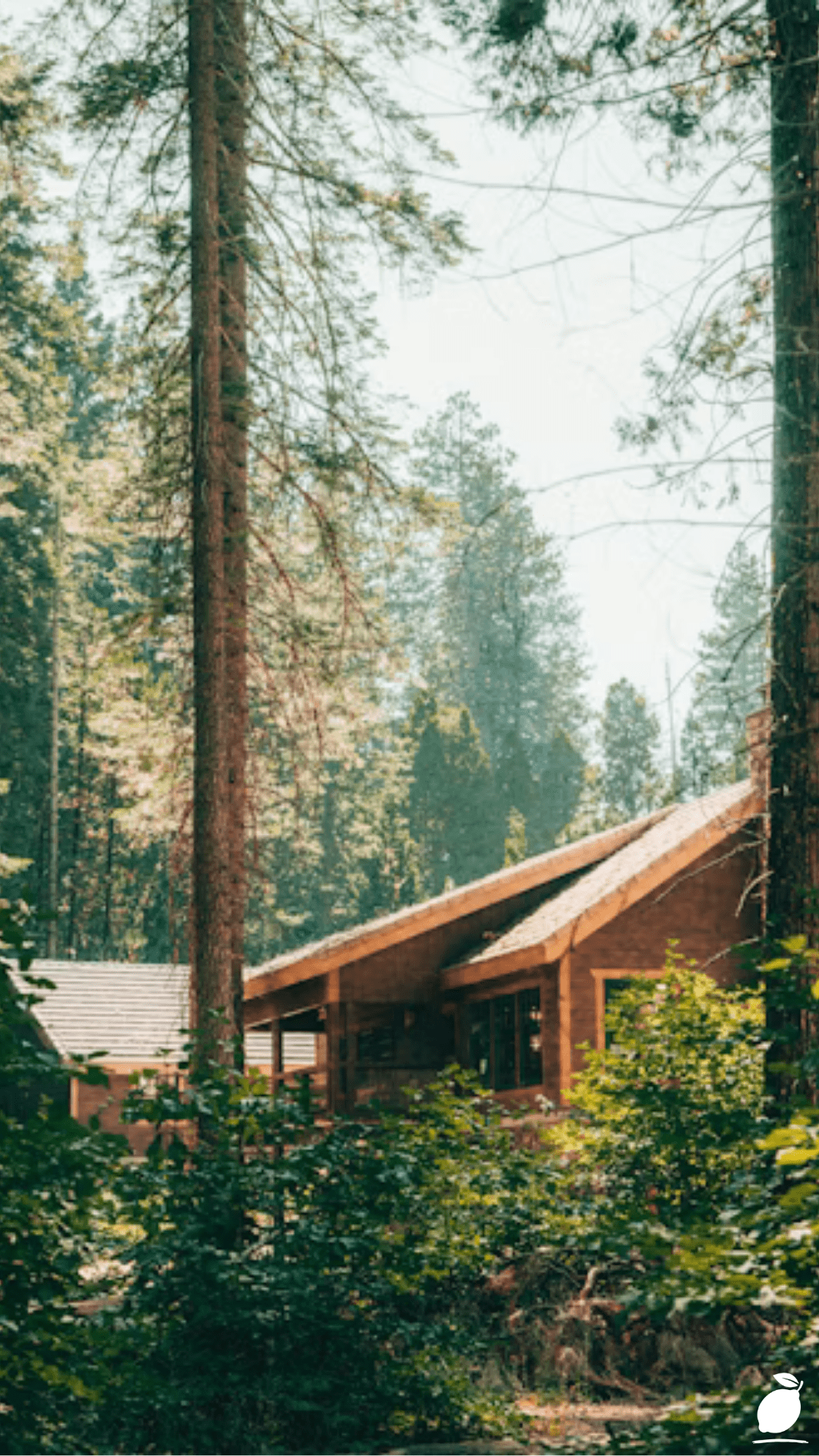
To achieve that high-end, Kaboompics-style finish, you need to understand the subtle art of intentional imperfection.
Expert Pro-Tips
- Use “Living” Hardscapes: Instead of concrete or pavers, use reclaimed logs, flat river stones, or thick layers of wood chips. These materials age beautifully and blend seamlessly into the greenery, creating a path that looks like it was carved by time rather than a contractor.
- Incorporate “Mist” Elements: You can replicate the ethereal forest fog by using fine-mister irrigation systems or placing water features in shaded areas to encourage natural evaporation. This adds a layer of sensory depth and cooling moisture to your sanctuary.
- Repurpose with Purpose: A true hippie garden celebrates the vintage. Use a weathered wooden ladder as a plant stand or an old metal trunk as a planter. The key is to ensure these items look like they have been “found” in the forest, adding a sense of nomad-inspired storytelling to the space.
Common Mistakes to Avoid
- Over-Defining Borders: Rigid lines are the enemy of this aesthetic. Avoid plastic garden edging or perfectly straight paths. Nature moves in curves and soft edges; your garden should do the same.
- Using High-Gloss Finishes: Shiny plastics or polished metals break the earthy illusion. Opt for matte, rusted, or weathered finishes that absorb light rather than reflecting it.
- Choosing “Nursery-Perfect” Plants: Avoid plants that look like they were grown in a lab. Seek out heirloom varieties, wilder-looking grasses, and species that have a natural, slightly unkempt grace to them.
Why Hippie Garden Matters
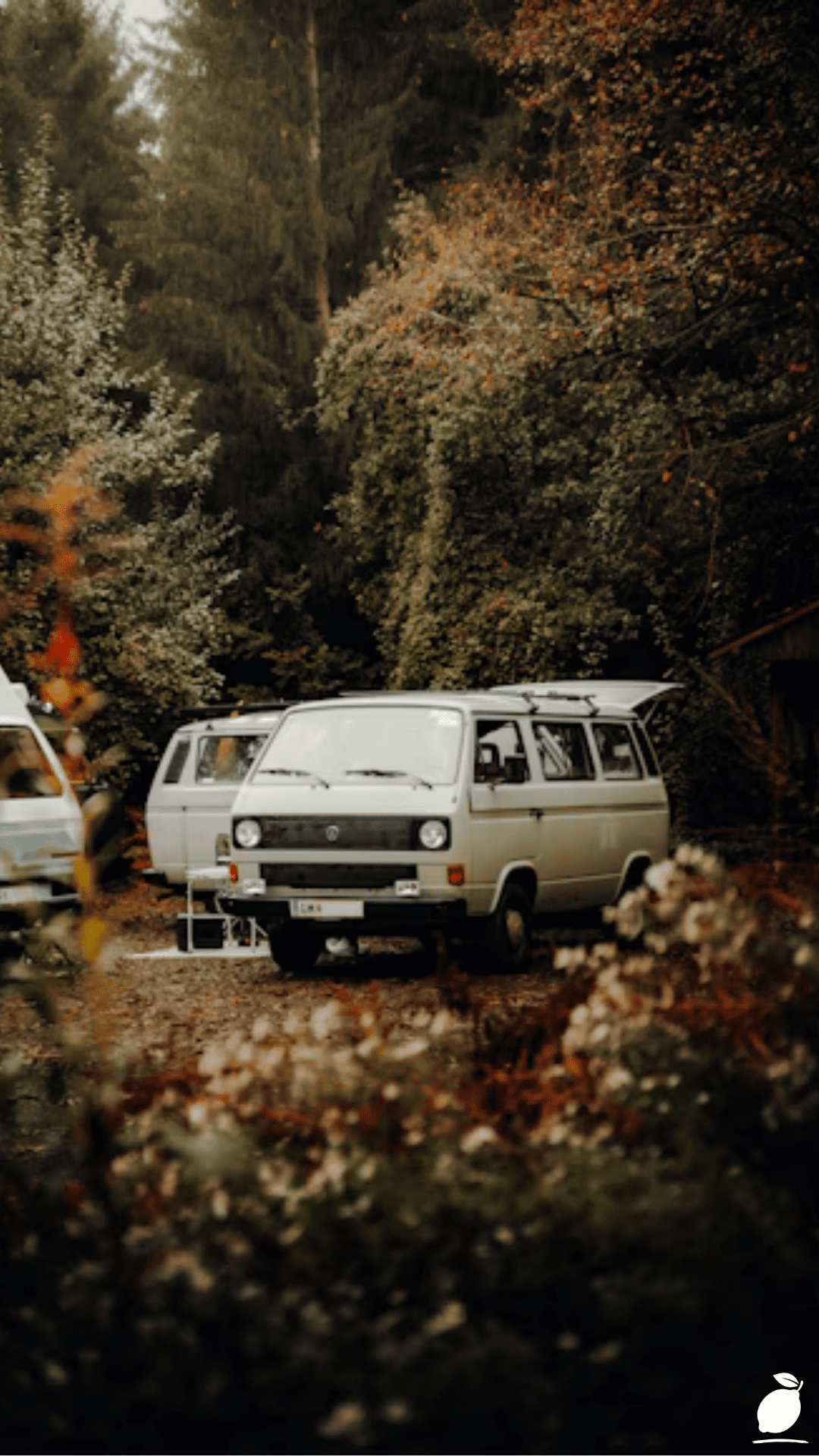
The connection between our environment and our mental health is undeniable. When we live in spaces filled with sharp angles and artificial materials, our nervous systems remain in a state of subtle “alert.” In contrast, the organic shapes and soft textures of a hippie garden act as a physiological “reset.” The act of tending to a space that values slow growth over instant results teaches us patience and presence.
By organizing your life around these natural principles, you reduce decision fatigue and sensory overload. Stepping into a misty, forest-inspired garden, even if it is just a corner of your patio, lowers cortisol levels and encourages deep, rhythmic breathing. It is a form of self-care that doesn’t require a spa appointment; it simply requires you to step outside and reconnect with the leaves, the wood, and the quiet.
FAQ
Can I create a hippie garden in a small urban space?
Absolutely. The hippie garden philosophy is about the spirit, not the acreage. You can achieve this look on a small balcony by using vertical wooden planters, layered ferns, and soft, warm string lighting. Use a textured outdoor rug to mimic the forest floor and focus on creating a “cocoon” effect with your greenery.
What are the best plants for that “misty forest” look?
Seek out plants that thrive in dappled light and provide soft textures. Ferns (such as Maidenhair or Sword ferns), Hostas, Mosses, and Japanese Maples are excellent choices. For that touch of autumn color, incorporate Heucheras or ornamental grasses that catch the light.
How do I keep the space from looking just “messy”?
The difference between a hippie garden and a messy yard is intentionality. Use the “rule of three” for your repurposed items to keep them looking like a collection rather than junk. Ensure paths are clear of tripping hazards, and keep your “wild” growth contained within specific zones so the eye has a place to rest.