The border had potential when you planted it. You remember the vision clearly: a sweeping edge of colour flowing from the lawn into the garden, something layered and full and reliably beautiful from early summer through late autumn. Two seasons in, the reality is somewhat different. The spring bulbs that were supposed to give way gracefully to perennials left bare patches that weeds colonized before anything else had the chance. The tall plants at the back have flopped into the middle-height plants, which have sprawled into the path. There are gaps where the plants you chose did not survive the winter, and the plants that did survive have expanded enthusiastically into territory they were not assigned. The border is not a failure exactly; it is just not what you had in mind when you planted it.
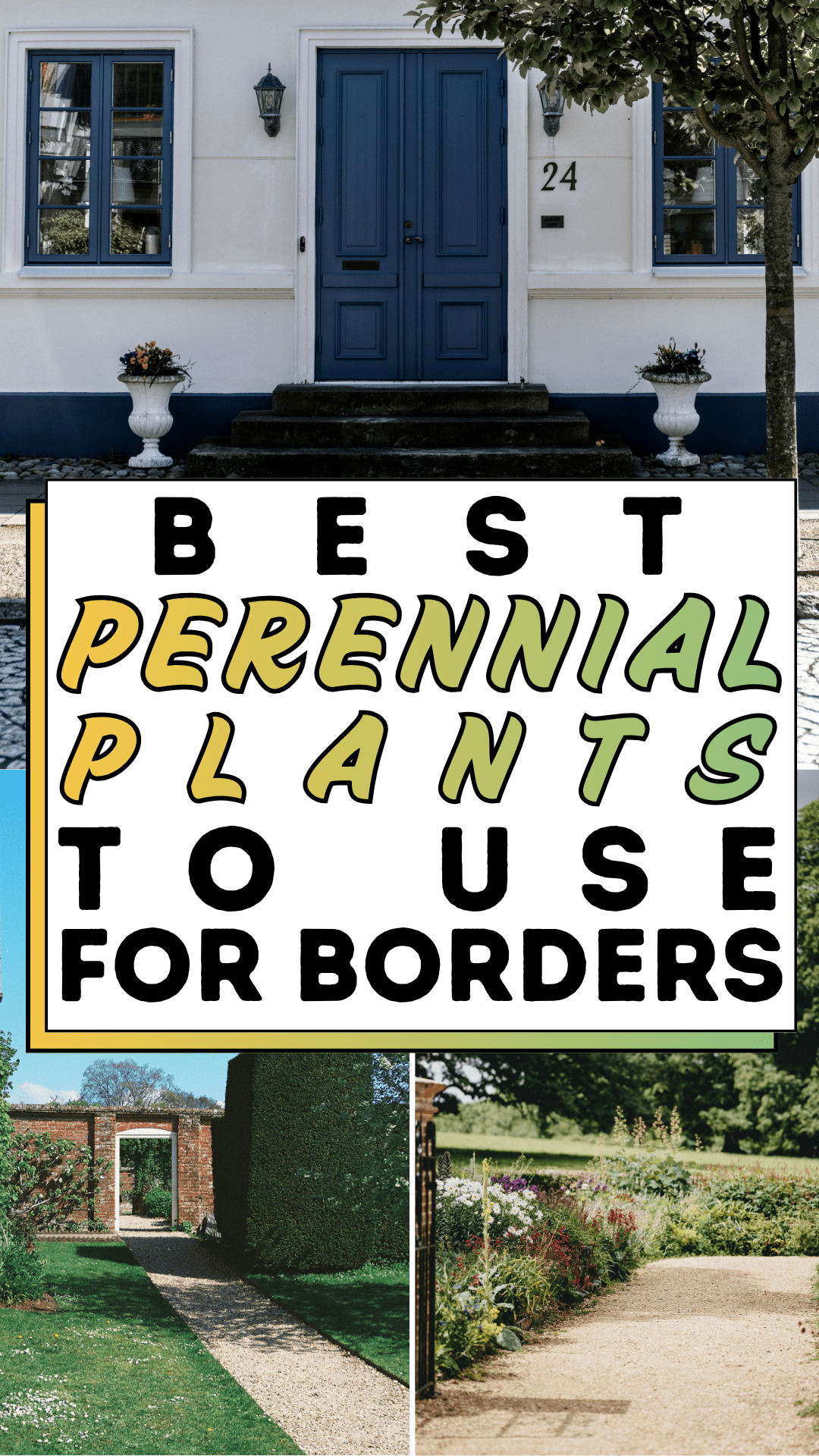
Border design and border planting are two different skills, and most gardeners approach them as one. The design of where plants go, at what heights, and in what color combinations gets the attention and the planning time. The planting, which includes specific perennial varieties that are reliable enough to return each year, fills their space without becoming invasive, requires minimal staking, and blooms in sequence so that the border is never empty, gets considerably less. The result is a border that looks good in a catalogue photograph and unpredictable in real life: brilliant when a combination works and blank when a plant fails to establish or bloom on its planned schedule.
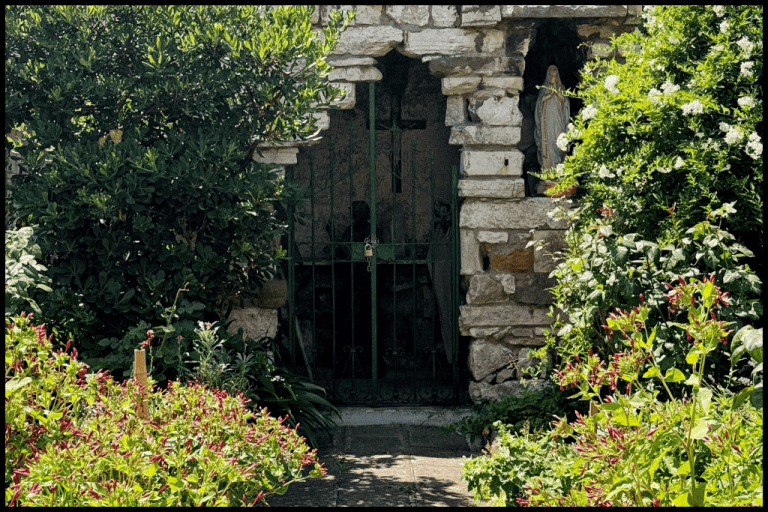
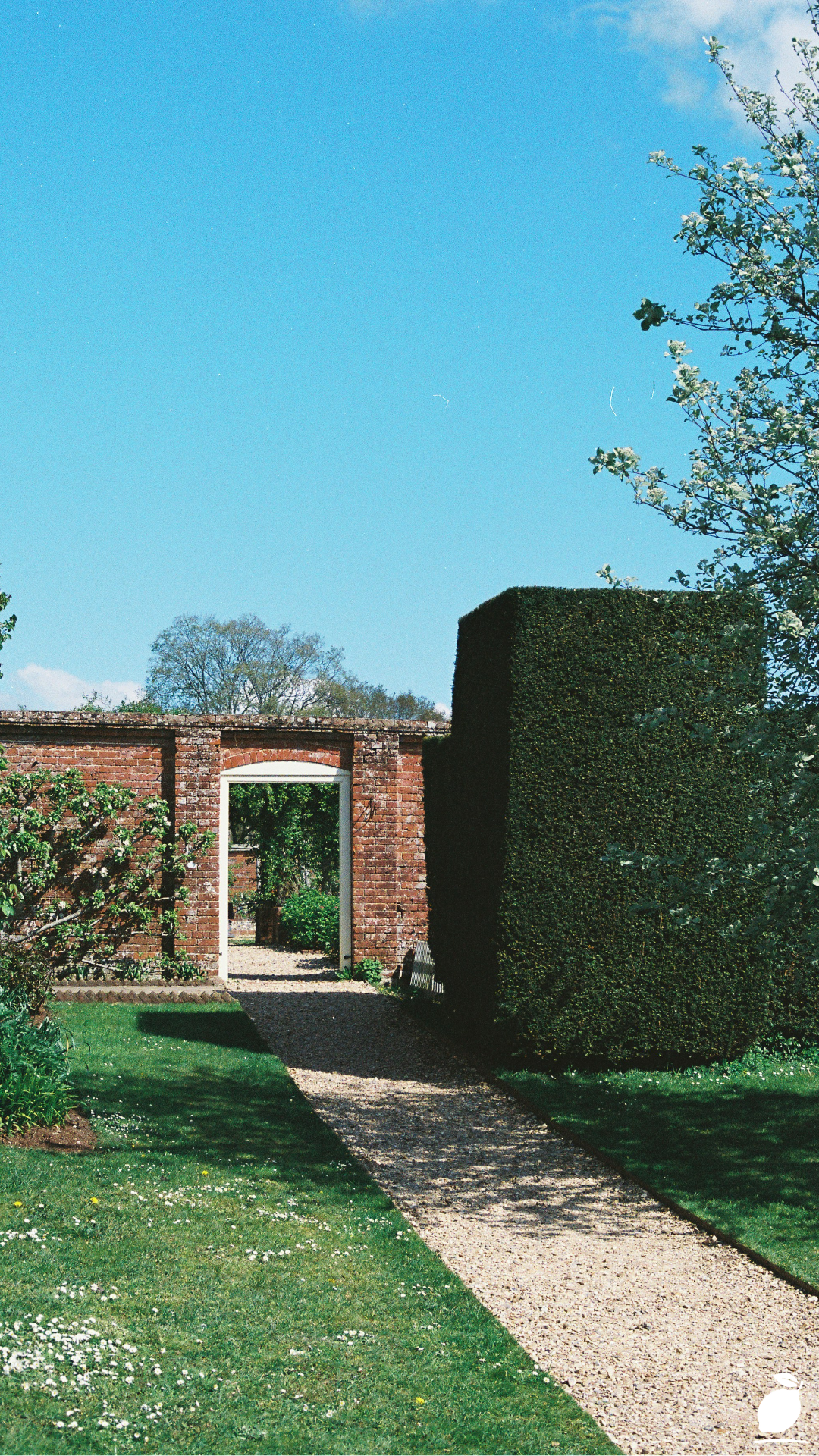
The image of a formal English garden pathway, gravel path, manicured hedge, climbing plants on a brick wall, and a white archway framing the view beyond represents the principle that makes great borders possible: structure first, then planting. The hedge is the reliable, permanent element against which the softer planting reads. The climbing plants on the wall are the vertical layer. The path is the edge from which the borders extend with confidence. Every border that works well is built on the same logic: permanent structural elements that hold the composition in every season, and perennial plants chosen for their reliability, longevity, and complementary bloom times. These are the perennials that deliver on all three counts.
The Borders Guide
The title calls for a roundup, a curated selection of the best perennial plants for garden borders, each chosen for reliability, seasonal contribution, and the specific qualities that make a border beautiful without requiring constant intervention. These are the plants that experienced gardeners and professional border designers return to consistently because they perform year after year, fill their space appropriately, and give the border its character across every season.
Lavender (Lavandula angustifolia)
Lavender is the quintessential border perennial, its silvery-green foliage providing year-round structure, its purple flower spikes appearing in June and July with an intensity of colour and fragrance that no other border plant at this scale matches. It is fully evergreen, drought-tolerant once established, and resistant to most pests and diseases. ‘Hidcote’ and ‘Munstead’ are the most compact and most reliably hardy varieties for borders in temperate climates. Cut back by one-third immediately after flowering to maintain a compact, non-woody habit.
Why it works: Lavender in borders provides reliable structure in every month of the year the silver-green mound reads as composed and intentional even in January. It defines border edges beautifully when planted in repeated groups, creates a soft division between path and planting that the image’s gravel-path-to-planted-border transition exemplifies, and its fragrance makes walking past a well-planted lavender border one of the more genuinely sensory garden experiences available without specialist effort.
Salvia (Salvia nemorosa and hybrids)
Hardy salvias are among the most reliably productive perennial plants for borders, producing vertical spikes of rich violet, blue, or white from May through to September with consistent deadheading or a mid-season cut-back that stimulates a second flush of bloom. ‘Caradonna’ is the most architecturally elegant, with its deep purple stems contrasting with violet flowers in a way that reads well from a distance. ‘May Night’ produces the deepest indigo of any border perennial at this compact size. Both are fully hardy, long-lived, and virtually pest-free.
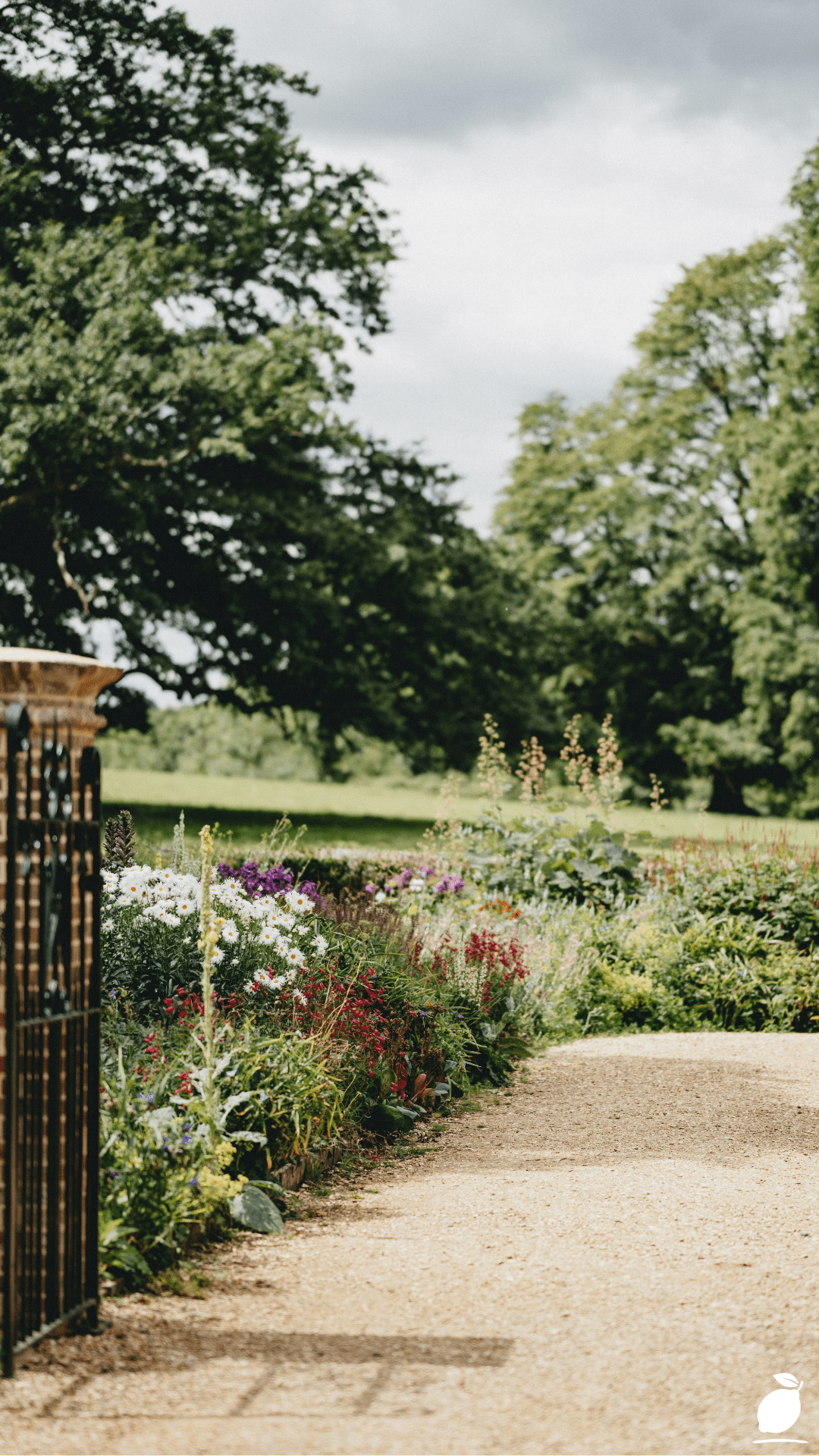
Why it works: Salvia’s vertical flower spike is the architectural element that flat, mounded border perennials need alongside them to create visual rhythm and depth. In borders, the combination of salvia spikes above and lower sprawling or mounded plants at their base is one of the most effective and most frequently used design devices in formal English garden planting, the precise combination visible in the border plantings of gardens like the one in the image. Salvia is also one of the most valuable pollinator plants available at this scale, attracting bumblebees and hoverflies through its entire flowering period.
Echinacea (Purple Coneflower)
Echinacea purpurea is the defining perennial of the late summer and early autumn border, with its large, daisy-like flowers in pink, white, and increasingly orange and yellow from the newer hybrid series, providing the colour mass that sustains borders through the weeks when earlier performers have finished. It is long-lived, drought-tolerant once established, and produces seed heads that feed goldfinches and other birds through autumn and winter if left standing. ‘Magnus’ and ‘White Swan’ are the most reliable species hybrids for traditional borders.
Why it works: Echinacea fills the midsummer gap in borders that planting plans heavy in spring and early summer performers leave behind. Its bold, structural flower heads hold their form well into autumn, even as the petals drop, and the persistent seed heads provide border interest through winter without the visual chaos of rotting herbaceous material. In borders designed to be viewed from a path or gravel walk, exactly the garden composition in the image echinacea’s upright, self-supporting habit and long display period make it one of the most useful structural perennials available.
Geranium (Hardy Cranesbill)
Hardy geraniums, not to be confused with the tender pelargoniums sold in bedding sections, are the most versatile and most widely used ground-level border perennials in the temperate garden. Varieties like Geranium ‘Rozanne’ (long-flowering, violet-blue), Geranium psilostemon (magenta with black eye, tall), and Geranium macrorrhizum (semi-evergreen, shade-tolerant) cover virtually every size, color, and position requirement in a border planting scheme. Most bloom from May through to October with deadheading and a mid-season cut-back.
Why it works: Hardy geraniums as border perennials are the problem-solvers of the planting world, able to fill the mid-height and ground-level positions where taller plants have not yet covered, suppress weeds through their dense foliage canopy, and produce continuous flowering color without demanding specialist care. ‘Rozanne’ in particular has become the benchmark long-flowering border perennial against which others are measured, its violet-blue flowers appearing without interruption from June through October in an almost self-maintaining display that requires only an occasional tidy rather than regular deadheading.
Peonies (Paeonia lactiflora)
Peonies are the aspirational choice of the formal English border. Their large, fully double, intensely fragrant blooms in white, pink, and deep burgundy make a brief but spectacular appearance in late May and early June that no other border perennial matches for sheer opulence. They are extraordinarily long-lived individual peony plants that have been recorded performing in the same border position for over a hundred years; their deep green, divided foliage provides attractive border structure from spring emergence through to autumn. Once established, they are entirely self-sufficient.
Why it works: Peonies bring a quality to borders that no other perennial delivers: the combination of extraordinary floral beauty, intense fragrance, and the particular satisfaction of a plant that is not just long-lived but genuinely permanent. A peony planted in a well-positioned border location this year will be flowering in the same spot when it is fifty years old, a continuity that formal English garden borders are built around and that gives the garden its sense of deep, established rootedness that the image captures so clearly. The brief flowering period is the trade-off, but the foliage contribution across the full season makes it a worthwhile one.
Rudbeckia (Black-Eyed Susan)
Rudbeckia fulgida ‘Goldsturm’ is the most reliably and most generously flowering of all late-summer border perennials, its golden-yellow, black-centered daisy flowers appearing in July and persisting through to November in an uninterrupted display that carries borders through the season when most earlier performers have faded. It is fully hardy, spreads slowly into generous clumps, and is virtually indestructible once established. Its seed heads are attractive through winter and as valuable to birds as those of echinacea.
Why it works: Rudbeckia in borders provides the warm golden mass that sustains the visual energy of the planting through the hottest months and well into autumn, when the quality of light is lower, more golden, more directional, making the combination of yellow rudbeckia flowers and deep green border foliage particularly beautiful. In a formal border backed by a hedge or brick wall, exactly the setting in the image, a drift of rudbeckia glowing against dark green creates one of the most satisfying border vignettes available at this scale of perennial planting.
Nepeta (Catmint)
Nepeta catmint is the border perennial that softens everything around it. Its lavender-blue flower spikes appear in late May and continue through summer with two or three cut-backs that stimulate repeat flowering. Its silver-grey foliage creates a soft, mounding presence that blurs hard edges and connects contrasting border plants into a cohesive visual. Its fragrance is attractive to bees and distinctive to gardeners throughout its long flowering season. ‘Walker’s Low’ is the most widely grown and most reliable border catmint for temperate climates.
Why it works: Nepeta in borders performs a connective function that individual specimen perennials cannot achieve alone. It fills the space between plants, softens path edges with its sprawling front-of-border habit, and creates the visual continuity that makes a collection of individual plants read as a composed border planting rather than an unrelated assembly. In a formal border beside a gravel path, the precise setting in the image, nepeta tumbling gently over the path edge, creates the soft-formal quality that is one of the defining characteristics of the English garden aesthetic.
Expert Secrets for Success
Pro-Tips for Better Results
- Plant perennials in odd-numbered groups. A single specimen of each variety creates a spotty, disconnected border that reads as a plant collection rather than a composed planting. Groups of three, five, or seven of the same perennial create colour and texture drifts that read as intentional from a distance and hold the eye in the way a border is supposed to. For borders viewed from a path or lawn, this single planting tip transforms the visual quality of the result more than any other.
- Plan your borders in three distinct layers. The most enduring formal border planting structure uses tall perennials, echinacea, phlox, taller salvias at the back against the hedge or wall; mid-height perennials, hardy geraniums, rudbeckia, peonies in the main body; and low, sprawling border edging perennials, nepeta, lavender, alchemilla mollis at the front. This layering creates depth, allows every plant to be visible from the path, and ensures the border reads well from every viewing angle.
- Add structural evergreen elements to hold borders through winter. A border composed entirely of deciduous perennials disappears in autumn and leaves bare soil through winter, the period when the garden is most visible from the house and most in need of something to see. Including evergreen or semi-evergreen perennials, lavender, some hardy geraniums, and bergenia alongside the deciduous performers ensures borders retain structure and form through the months when deciduous perennials are dormant.
- Feed borders with a slow-release fertilizer in early spring. Perennial borders are intensively planted growing systems that deplete soil fertility faster than lightly planted spaces. An annual application of a balanced slow-release granular fertilizer across the border surface in early March before the main spring growth flush provides the nutritional baseline that sustains the heavy flowering output expected of productive border perennials through a full season.
- Cut back in late autumn or leave until late winter, but decide and commit. The timing of border cut-back affects wildlife value, disease pressure, and the visual character of the garden through winter. Leaving borders standing through autumn and winter maximizes seed head value for birds and overwintering habitat for beneficial insects. Cutting back in late autumn reduces slug habitat and fungal disease pressure in spring. Whichever approach is chosen, the borders benefit from a decision and a consistent execution rather than a half-cut that leaves them looking neither intentionally naturalistic nor deliberately tidy.
Common Mistakes to Avoid
- Planting borders too shallowly. Many border perennials, peonies, echinacea, and rudbeckia in particular are deep-rooted plants that need a well-prepared planting bed to a depth of at least 40cm for their root systems to establish fully. Planting into a shallowly prepared border produces stunted, drought-stressed perennials that never reach their potential size or flowering productivity. Prepare borders deeply before planting, and the perennials will reward the effort in their second season and every one thereafter.
- Dividing too infrequently. Most border perennials need dividing every three to five years to remain vigorous and productive. An undivided clump becomes congested at the center, produces fewer and smaller flowers, and competes with itself for water and nutrients. Regular division digging the clump, splitting it into healthy outer sections, and discarding the exhausted center keeps border perennials at peak flowering performance and provides free plants for extending or filling gaps in the border.
- Ignoring the bloom sequence. A border planted for peak performance in June and July produces a spectacular two-month display followed by five months of relative barrenness. Plan the bloom sequence of border perennials, specifically early-season performers like nepeta and salvia in May, midseason performers like hardy geraniums and echinacea in July and August, and late-season performers like rudbeckia and asters in September and October, to maintain continuous border interest from April through November.
- Planting vigorous border perennials without checking their spread. Some perennials described as “border plants”, such as certain varieties of hardy geranium, lysimachia, and persicaria, spread aggressively through their root systems and can overwhelm less vigorous neighbors within two seasons. Check the spread habit of every perennial before placing it in borders alongside less vigorous species. Plants with running or invasive habits are useful in isolated positions or large naturalistic schemes, but disruptive in a composed formal border.
- Expecting immediate full coverage. Border perennials establish from relatively modest plants and take two to three full growing seasons to fill their intended space. The instinct to plant at a density that produces instant coverage results in overcrowding and plant stress within two years, as everything reaches its mature spread simultaneously. Plant at correct spacing, accept temporary gaps, and fill them in the first season with annual flowers rather than additional perennials that will eventually compete.
Why Borders Matter
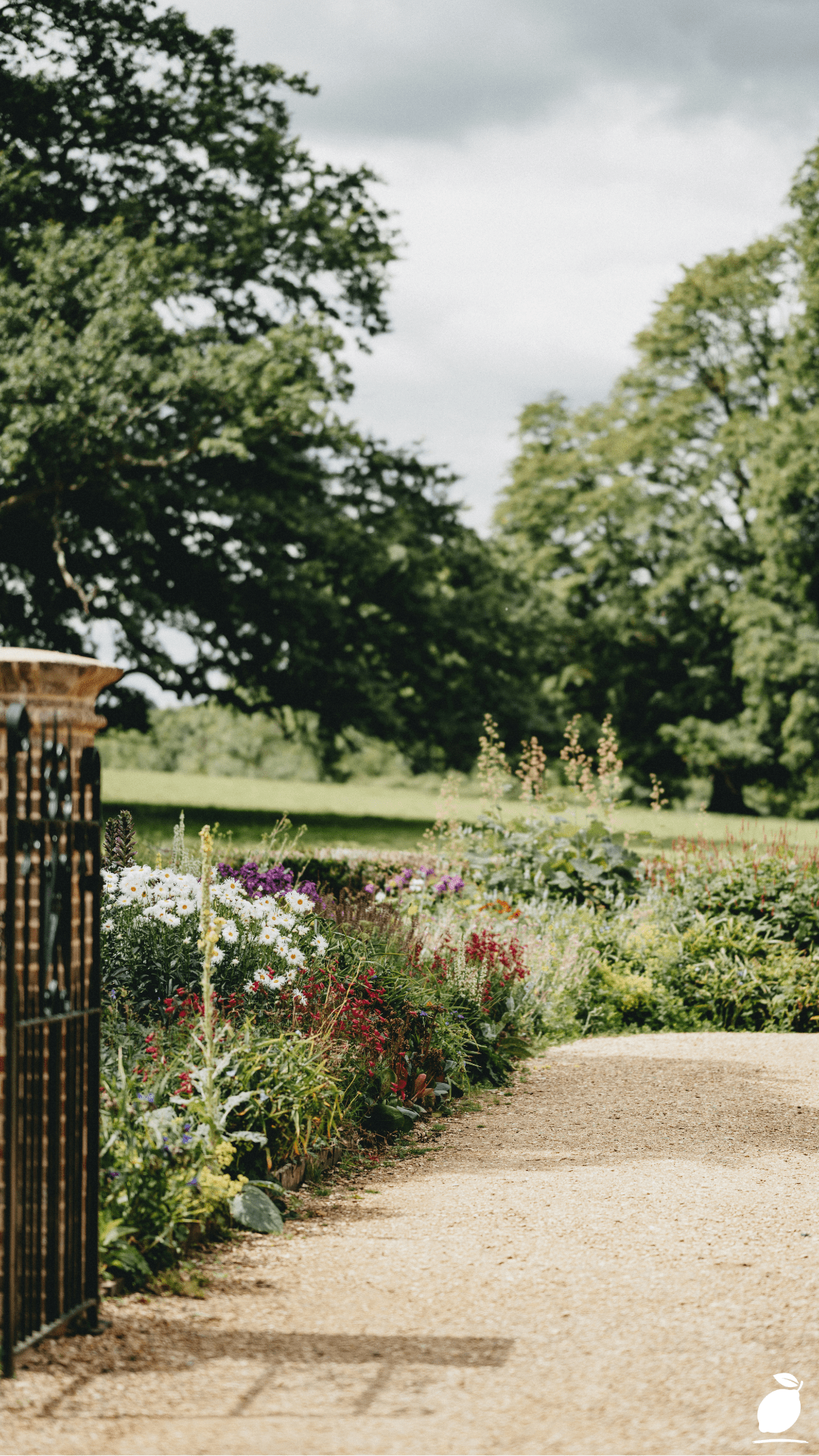
A well-planted perennial border is one of the most enduring and most personally meaningful garden achievements available to a home gardener. Unlike annual plantings that require renewal, unlike vegetable beds that cycle through seasons of productivity and bare soil, a perennial border continuously improves the plants, deepening their root systems, expanding their clumps, and refining their relationships with each other season after season until the whole composition achieves an interconnected richness that no first-year planting can anticipate. A border genuinely comes into its own in its fourth and fifth years, when the plants have found their space and the design has had time to prove itself against reality rather than intention.
For families, the perennial border is the garden feature that teaches seasonal observation most naturally and most compellingly. The anticipation of the peonies in late May. The satisfaction of the rudbeckia holding the border through September, when everything else has gone. The structural constancy of the lavender and nepeta through winter, when the border’s deciduous perennials have disappeared. These are rhythms that children absorb without being taught. The calendar of the garden becomes a parallel calendar to the school year, equally reliable in its progression and equally anticipated in its seasonal moments. A family that shares a border shares an attention to the natural world that accumulates quietly and meaningfully across every year the border is tended.
And for the gardener who designs, plants, and maintains it, the perennial border is the form of gardening most directly analogous to a long-term creative project, one that requires vision, patience, revision, and a willingness to let the living material of the garden inform and improve the original plan. The border you plant this year and the border you tend in five years are not the same border. The second one is richer, more considered, more fully itself because you have learned from it, corrected what did not work, and built on what did. That ongoing conversation between intention and outcome, played out in plants across a well-prepared strip of soil, is one of the most satisfying creative practices available to any gardener willing to commit to it.
Frequently Asked Questions
How far apart should I plant perennials in a new border?
Spacing depends on the mature spread of each species, but as a working guide for most border perennials: smaller front-of-border plants like nepeta and lavender at 30 to 40cm centers; mid-height border perennials like hardy geraniums, salvia, and rudbeckia at 45 to 60cm centers; and larger back-of-border perennials like echinacea and peonies at 60 to 75cm centers. These spacings allow plants to reach their full spread without immediately crowding their neighbors, and accept that the border will take two to three seasons to reach full coverage at correct spacing.
When is the best time to plant border perennials?
Autumn, September through November, is the optimal planting time for most border perennials in temperate climates. The soil is still warm from summer, allowing root establishment before the plants enter dormancy, and the combination of autumn rainfall and cooler temperatures reduces the watering requirement of new plantings significantly. Spring planting, March through May, is the second-best option and is preferable for less winter-hardy plants, such as some agapanthus varieties and tender salvias, which benefit from a full season of growth before facing their first winter in the border.
How do I keep borders looking good through winter?
The most effective strategies for maintaining border interest through winter combine three approaches: leaving structurally attractive seed heads standing echinacea, rudbeckia, salvia, and nepeta all provide winter skeletal interest including evergreen border perennials like lavender and bergenia that provide form and colour through the coldest months, and adding a layer of composted bark mulch across the border surface in late autumn that enriches the soil through winter and makes the bare sections between standing plants look deliberately managed rather than neglected.
How often do I need to water established border perennials?
Most border perennials are significantly more drought-tolerant once established than in their first growing season. An established border two years or more in the ground typically requires supplementary watering only during extended dry periods of three weeks or more in the growing season. The exceptions are moisture-loving border perennials, including astilbe, hostas, and ligularia, which need consistent moisture through the growing season regardless of establishment. Installing a deep mulch of composted material across the border surface significantly reduces supplementary watering requirements across all perennial types by retaining moisture in the root zone through dry periods.