The summertime evenings can begin with so much optimism, with the sun setting over the patio and a drink in hand, and a citronella plant. These evenings, however, can often take a turn for the worse with nature. First, you may find yourself being bitten by bugs, so you begin to swat at them.
Second, as you begin to spray your dinner guests with bug repellants that consist of chemicals, the optical illusion of an outdoor oasis disappears, and your dinner preparation turns into a battlefield. Between these two actions, it is quite difficult to relax and enjoy your lovely outdoor space and finish the evening on a positive note.
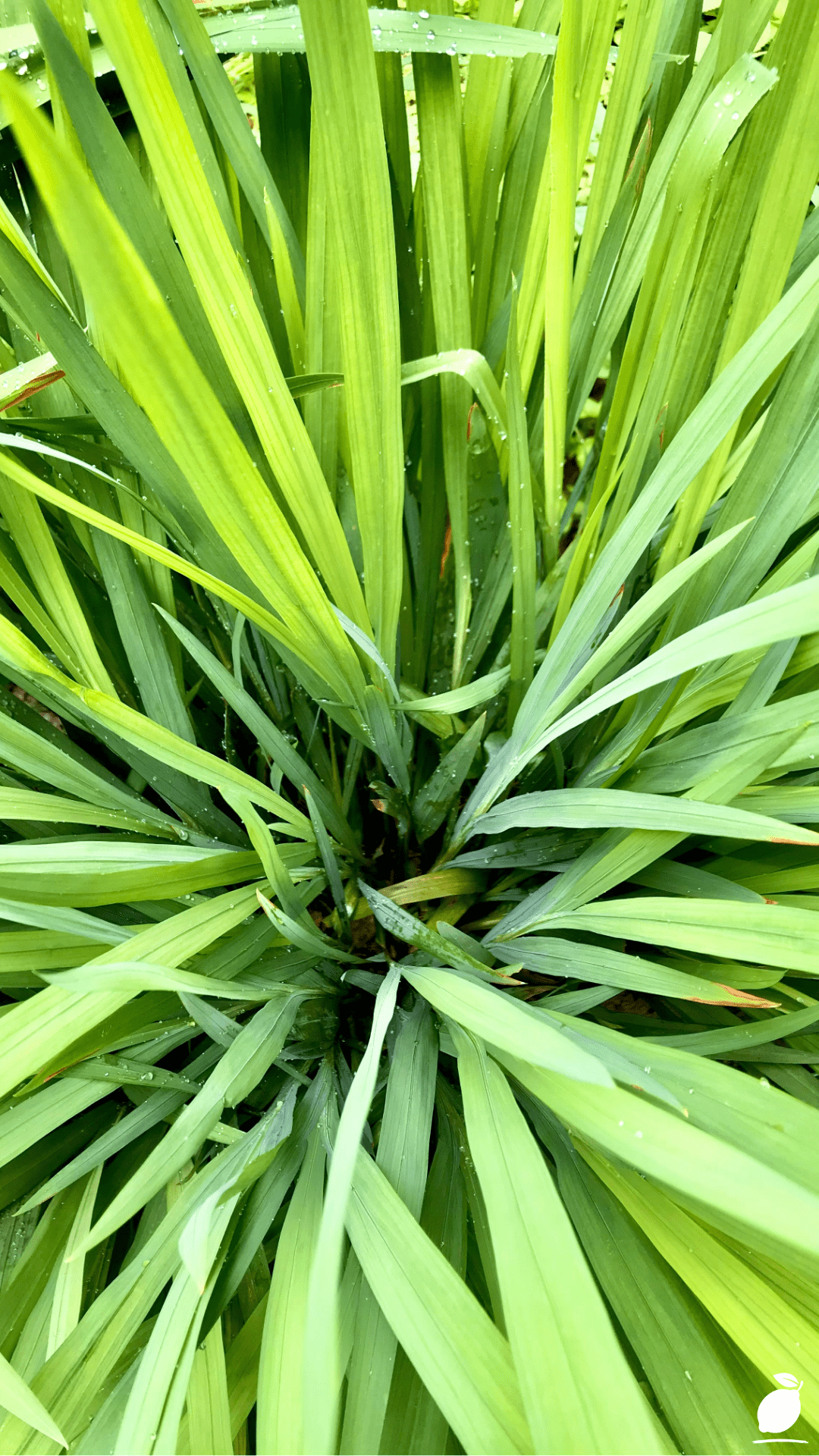
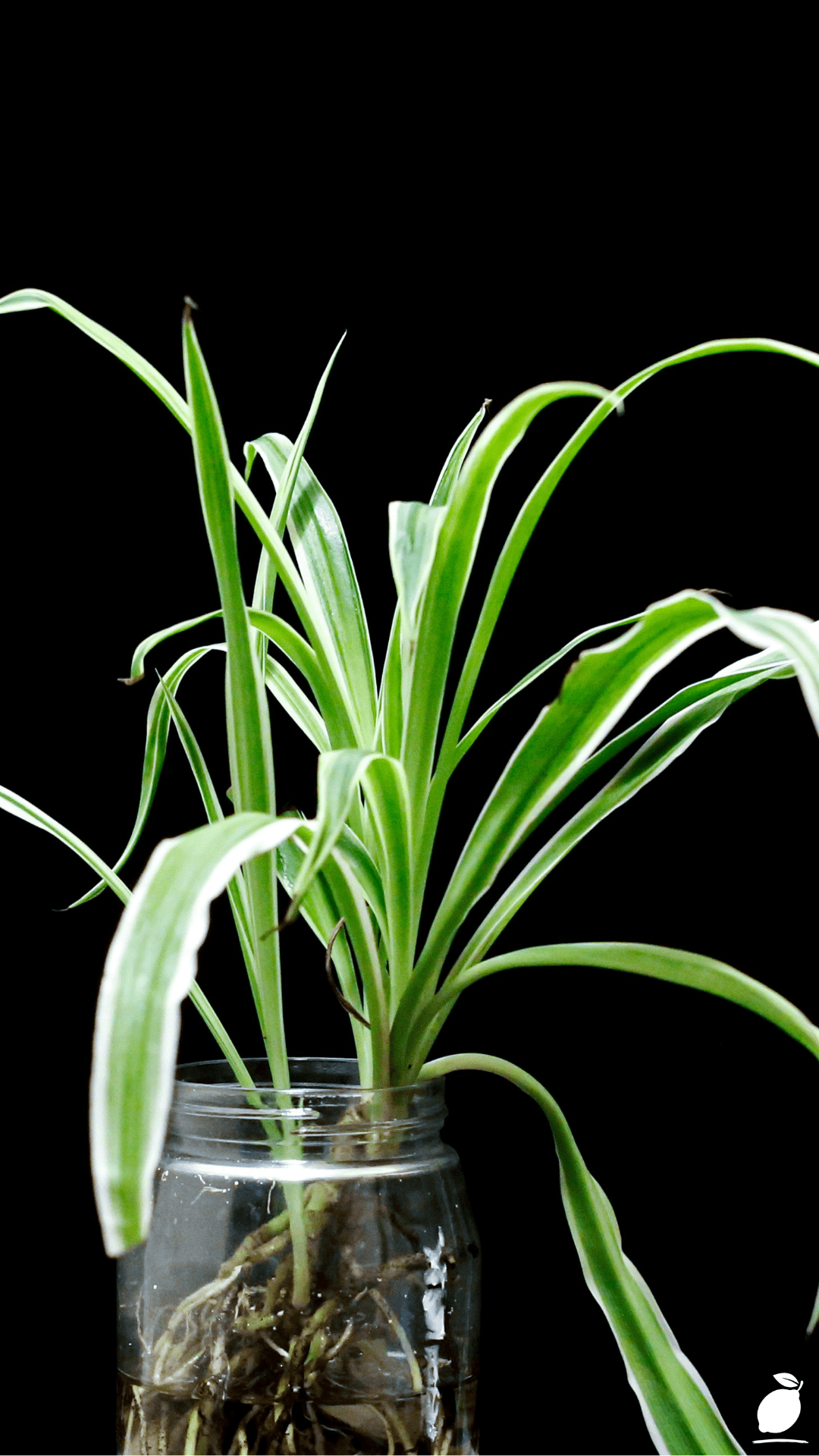
Now, imagine that instead of dealing with the aforementioned issues, you have transformed your space into an elegant, high-end botanical gallery. For instance, at your bistro table, you may have a lime green citronella plant as the centerpiece. Viewed from above, the citronella plant’s long leaves will radiate out from a central point, creating a stunning geometric spiral.
The waxy texture of the leaves will reflect light, adding a beautiful layered texture to a space that feels modern and grounded. When you brush against the citronella plant, you will release its lemony scent into the air, providing you with an invisible shield of citronella that now replaces the chaotic scene of bugs with the serene scene of a well-designed garden.
The Citronella Plant System
Growing a lush, mosquito-repelling border is about more than just digging a hole. Use this three-step system to ensure your lime-green spirals thrive with zero stress.
Step 1: Prepare
The foundation of a healthy Citronella Plant is high-quality light and drainage. These plants are sun-seekers; they need at least six hours of bright, natural light to develop the oils that give them their signature scent. Before planting, choose a spot with loose, well-draining soil. If you are planting in containers, which we highly recommend for portability, ensure your pots have large drainage holes. Use a peat-based potting mix to create that airy, lightweight environment that keeps the roots from getting “swampy” and stressed.
Step 2: Implement
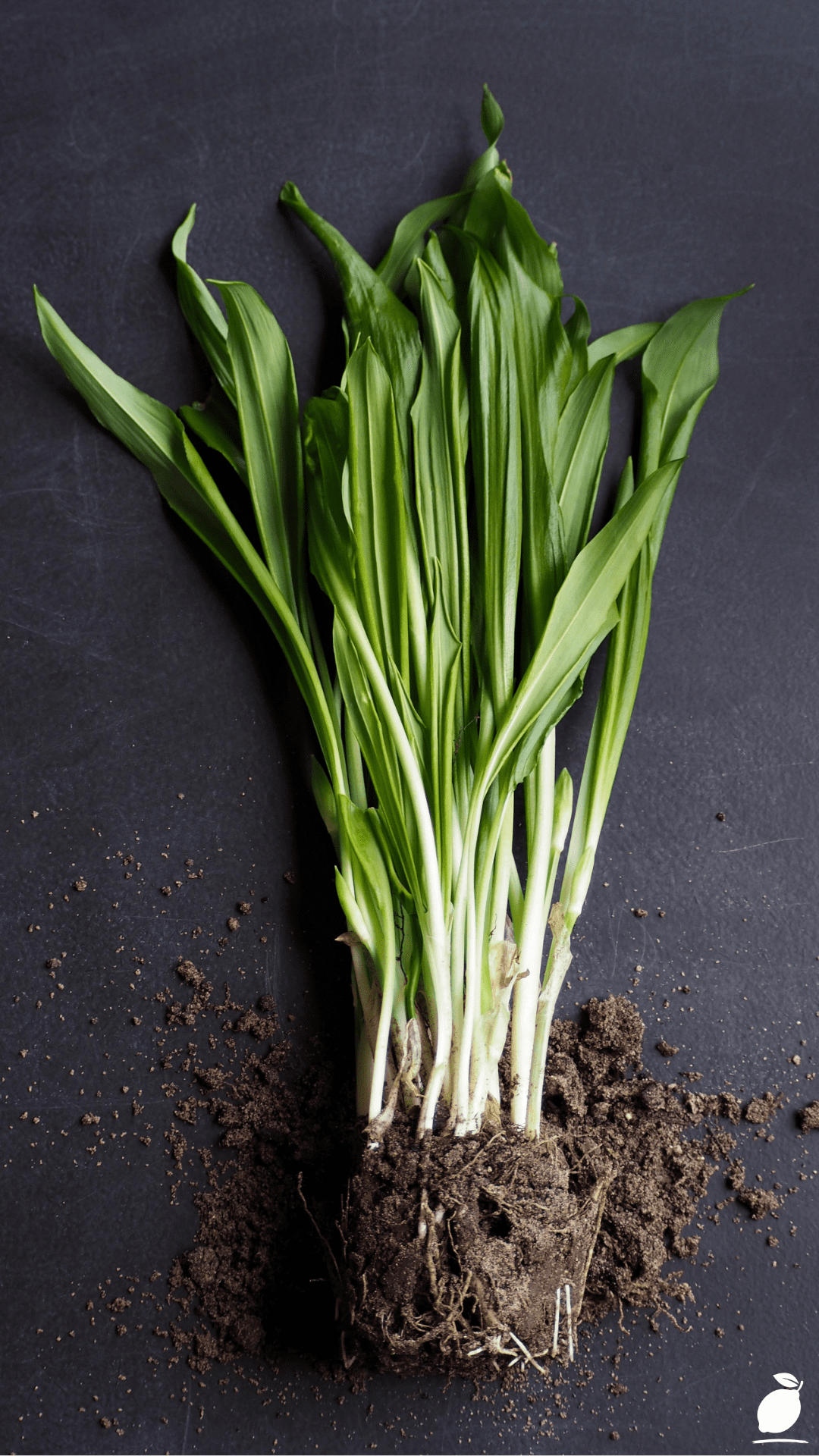
When it is time to plant, focus on “Geometric Placement.” To create the layered effect seen in professional photography, plant your Citronella Plant in clusters of three or five. Dig a hole twice as wide as the root ball but no deeper, ensuring the crown of the plant sits slightly above the soil line. This prevents water from pooling at the center of the spiral, which can lead to rot. Once in the ground or pot, give it a deep, saturating drink to settle the roots and kickstart that vibrant lime-green growth.
Step 3: Maintain
Maintenance for a Citronella Plant is remarkably easy-peasy if you follow the “Wait and Water” rule. These plants prefer to dry out slightly between waterings; stick your finger an inch into the soil, and if it feels dry, it is time to hydrate. To keep the leaves radiating in that tight, circular pattern, rotate your pots every week so every leaf gets equal access to the sun. This prevents the plant from “leaning” and keeps the intricate geometric pattern sharp and symmetrical for your summer gatherings.
The Secrets to Citronella Plant
Achieving that cinematic, vibrant look requires a few expert maneuvers that move your plant care from amateur to lifestyle pro.
Expert Pro-Tips
- The Scent Release Hack: The plant doesn’t release its lemon scent just by sitting there. Place your Citronella Plant in high-traffic areas where people will naturally brush against the leaves. This physical contact breaks the tiny oil sacs on the foliage, releasing the repelling fragrance into your immediate space.
- Pinch for Density: If your plant starts to look leggy, “pinch” off the top inch of the stems. This signals the plant to grow outward rather than upward, resulting in a much denser, more layered circular pattern.
- Over-Wintering Interior Design: Since these are tropical plants, bring them inside when the temperature drops. Position them in a bright, south-facing window to act as a vibrant, air-purifying indoor plant until spring returns.
Common Mistakes to Avoid
- Confusing it with “Citronella Grass”: Many people buy Citronella Grass (a tall, clumping grass) thinking it is the Citronella Plant (which is actually a scented geranium). The geranium variety is much better for small patios and table-top decor.
- Over-Fertilizing: Too much fertilizer will give you a massive plant but very little scent. The plant pours its energy into “stretching” rather than producing the essential oils. Use a balanced fertilizer only once a month during the growing season.
- Using Pot Saucers: Leaving your plant sitting in a saucer of standing water is the quickest way to kill it. Always empty the saucer after watering to keep the roots oxygenated and healthy.
Why Citronella Plant Matters
At Easy Peasy Life Matter, we believe that environmental organization is the key to mental clarity. A space that is “under attack” by pests is a space where you cannot relax. By intentionally growing a Citronella Plant, you are practicing “Protective Gardening.” You are creating a boundary that allows your mind to switch from “alert mode” to “rest mode.”
There is a profound emotional ROI in watching the intricate geometric patterns of these leaves grow. The spiral arrangement provides a sense of mathematical order that is inherently soothing to the human eye. The vibrant lime-green color acts as a natural mood-booster, signaling freshness and vitality. When you organize your patio with functional plants, you are removing a significant source of summer stress. You are reclaiming your time, your space, and your peace, one lemon-scented leaf at a time.
FAQ
Does a Citronella Plant actually keep mosquitoes away?
While the plant itself provides a mild repelling effect, it works best when the leaves are crushed or brushed against to release the oils. For the best results, place several plants around your seating area to create a “scent zone” of protection.
How big will my Citronella Plant get?
In the right conditions, these plants can reach about 2 to 3 feet in height and width. However, they respond very well to pruning, so you can easily keep them smaller and more compact for table-top use.
Why are the leaves on my Citronella Plant turning yellow?
Yellow leaves are usually a sign of over-watering or poor drainage. Ensure the soil is drying out between waterings and that the plant is receiving enough bright, natural light. Once you fix the drainage, the new growth should return to that healthy lime-green color.