Everyone has been there, installed a beautiful hydrangea, hoping it would look like a peaceful, blue ocean in a sea of mulch, only to find that a couple of weeks later, it looks like a sad, isolated shrub sitting in mulch and hydrangeas. The disconnect between it and the other plants around it creates such a mess of disarray that it feels more like a chore list to be completed, rather than a calming space to relax in.
And while adding different, random annuals gives you something to put in the gaps, a whole new set of problems arises because of colour clashes, height differences, and your place now looks too cluttered. It adds to the daily stress of drinking your morning coffee by turning what should be an enjoyable sight into a reminder of yet another project left unfinished.
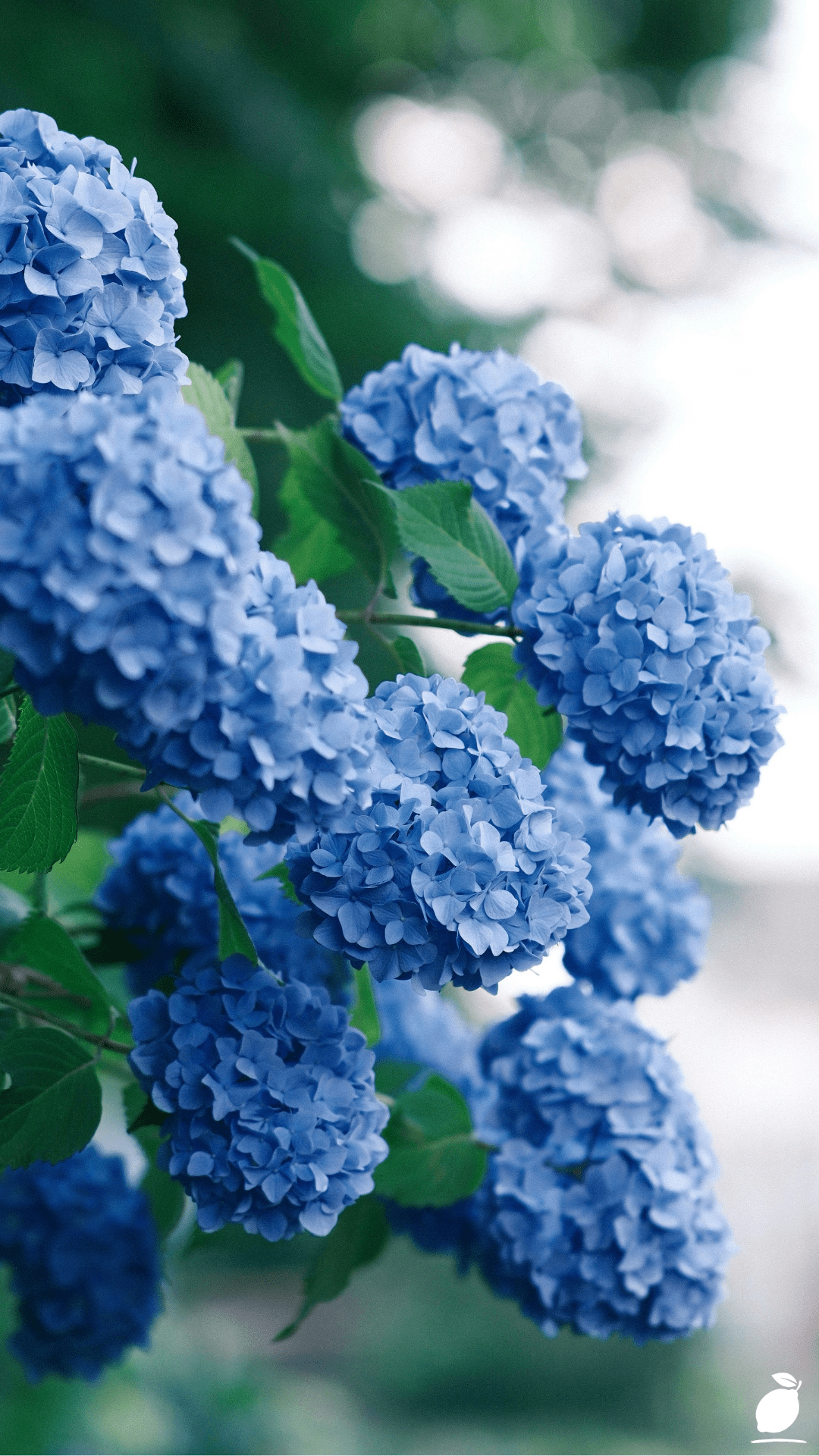
Now, think about how wonderful it would feel to have a completely different rhythm to your outdoor environment; a high-quality Kaboompics Free Stock Photo Gallery comes to mind. Images of giant spherical clusters of flowers, with many blooms so densely packed & fluffy they appear as though they are going to fall from the sky like soft summertime clouds. Flowers that no longer stand as an individual cluster, but rather, as part of a complete cluster anchored together with a solid support system, creating a complementary effect by highlighting the delicate characteristics of each flower.
All flowers in the foreground are intentionally blurred so that they create a dreamy soft bokeh effect in the blurred out areas, and only the flowers in the foreground, which are where the camera focuses, are perfectly sharp in relation to the intended focus. The overall image is not merely an image of a garden, but rather, a beautiful, complete ecosystem that utilizes plants throughout to create fluid and graceful transitions from one shade of green to another.
The Hydrangeas System
Creating a professional-grade landscape requires a tactical approach to layering. Follow this three-step system to build a cohesive look around your favorite blooms.
Step 1: Prepare
Before you introduce any companions, you must synchronize the environment. Hydrangeas are notoriously thirsty and prefer dappled shade and acidic soil. To prepare the space, ensure your companions share these exact needs. Hostas and Ferns are classic choices because they crave the same moist, rich soil. Amend the entire planting bed with organic leaf mold or compost to create a unified underground network. This “shared foundation” ensures that when you water your primary shrubs, you are nourishing the entire system simultaneously, keeping your maintenance Easy Peasy.
Step 2: Implement
Design your layout using the “Rule of Three Heights.” Position your hydrangeas as the mid-level anchor. In the background, implement tall, structural plants like Japanese Maples or Foxgloves to provide a dark, textured foil for those light blue petals. In the foreground, use low-growing “carpet” like Sweet Woodruff or Creeping Phlox. This tiered approach mimics natural forest edges and provides that sought-after shallow depth of field, making your garden look professionally shot even on a standard smartphone camera.
Step 3: Maintain
A high-vibe system stays that way through “seasonal editing.” Because hydrangeas have large, broad leaves, they can sometimes overshadow smaller companions as they grow. Every spring, check that your ground covers aren’t being completely buried. Prune back any low-hanging branches to let light reach the smaller plants below. Additionally, apply a uniform layer of dark pine bark mulch across the entire bed. This visual “anchor” hides the messy dirt and ties the different textures of your companions together into one clean, modern aesthetic.
The Secrets to Hydrangeas
Achieving a garden that feels like a sanctuary requires a few “insider” moves that protect the health of your blooms and the clarity of your design.
Expert Pro-Tips
- Contrast the Leaf Shapes: Hydrangeas have large, bold foliage. To make them pop, choose companions with fine, feathery textures like Bleeding Hearts or Astilbe. This “heavy vs. light” contrast creates instant visual interest.
- Use White as a Buffer: If you are worried about color clashing, use white-flowered companions. White acts as a “visual palate cleanser,” making the light blue of your hydrangeas look more vibrant and intentional.
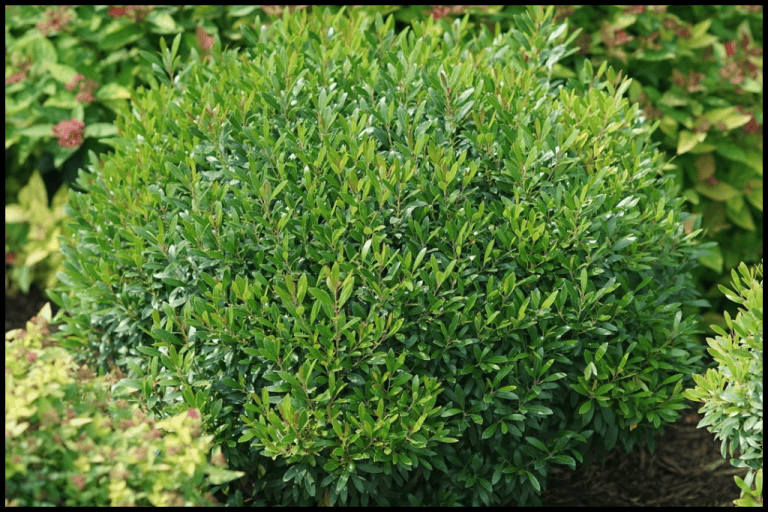
- Plan for Winter Structure: Choose at least one evergreen companion, like Boxwood or Sarcococca. This ensures that when your shrubs go dormant and lose their leaves, your garden bed still has an organized, structural shape rather than looking like an empty patch of sticks.
Common Mistakes to Avoid
- Planting Sun-Lovers Nearby: Never pair your shade-loving hydrangeas with plants that need 8 hours of direct sun. One of them will inevitably suffer, leading to a patchy, “sickly” look that ruins the calm vibe.
- Overcrowding the Root Zone: Hydrangeas have shallow, aggressive root systems. Avoid planting large perennials too close to the base of the shrub; give them at least 18-24 inches of “breathing room” to prevent competition for water.
- Ignoring Bloom Times: A common mistake is choosing companions that all bloom at the same time. Aim for a “relay race” of color spring bulbs first, then the hydrangeas, followed by late-summer anemones to keep the energy high all year.
Why Hydrangeas Matter
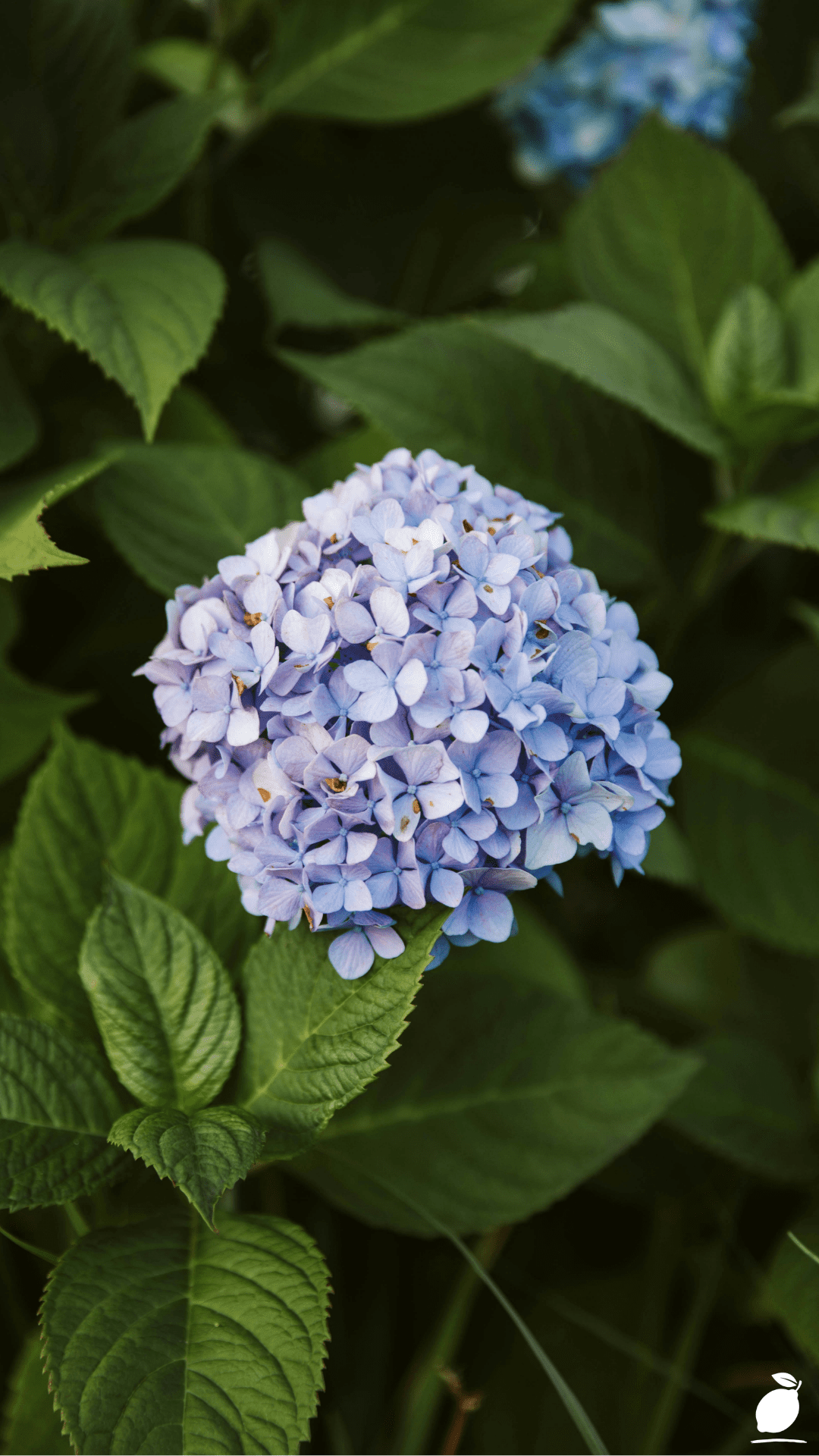
At Easy Peasy Life Matter, we advocate for the “Organized Exterior” as a tool for mental health. A disjointed, messy garden can act as a subtle psychological weight, a visual representation of unfinished business. Conversely, a well-curated bed of hydrangeas and their companions offers a sense of “Biological Order.”
When you look out and see a soft, spherical flower head perfectly framed by a lush fern, your brain registers a signal of harmony. This natural symmetry lowers cortisol levels and encourages a state of “soft fascination,” which is essential for recovering from digital fatigue. The act of organizing your plants into a supportive system is a form of active meditation; it reminds us that beauty is rarely a solo act, but rather the result of a well-supported environment. By curating your garden, you are curating your peace of mind.
FAQ
What are the best low-maintenance companions?
Hostas and Heuchera (Coral Bells) are the ultimate Easy Peasy companions. They are incredibly hardy, love the shade, and come in a variety of colors that can either match or contrast with your blue flower clusters.
Can I plant spring bulbs under my shrubs?
Absolutely. In fact, it is encouraged! Bulbs like Alliums or Wood Hyacinths will bloom and fade just as your hydrangeas are waking up and putting out new leaves, effectively hiding the dying bulb foliage and maximizing your space.
Will companion plants change the color of my flowers?
Not directly. However, the organic matter you add to support your companions (like pine needles or sulfur-based compost) can lower the soil pH. Since acidic soil is what turns hydrangeas blue, a well-fed companion bed often results in deeper, more vibrant blue tones.