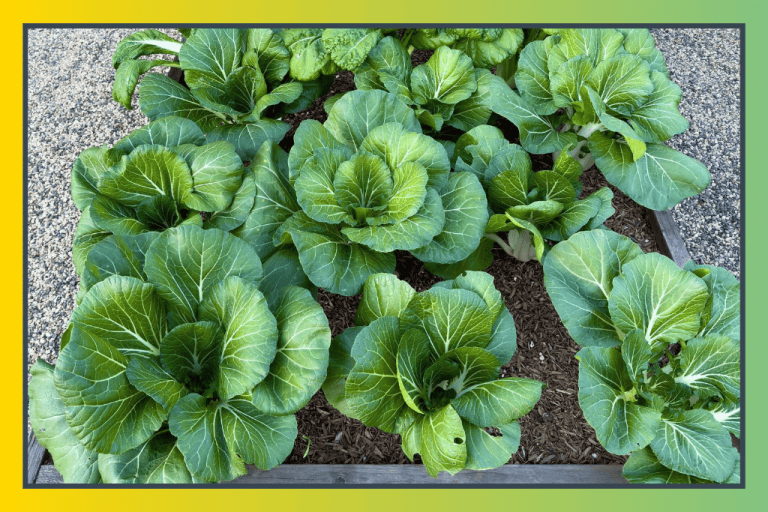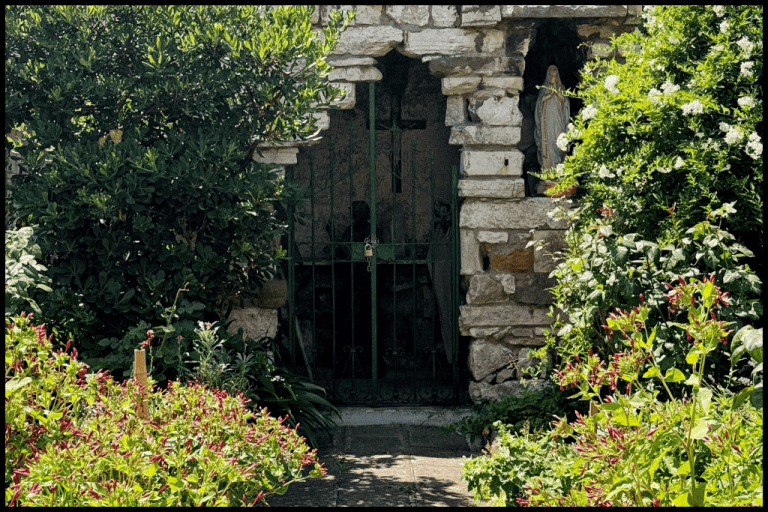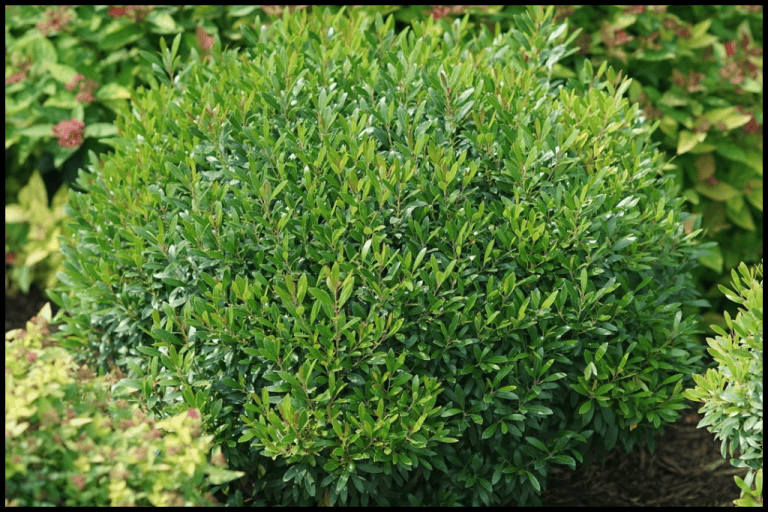
We have all experienced a specific type of frustration having purchased a few lovely, luscious hostas (perfect for a shady spot) to define the space; however, once planted, your hostas appear as lonely, floating islands of green color in a sea of brown mulch the space has not been filled with adequate layers to provide shade to properly fill in your empty area and hosta companion plants.
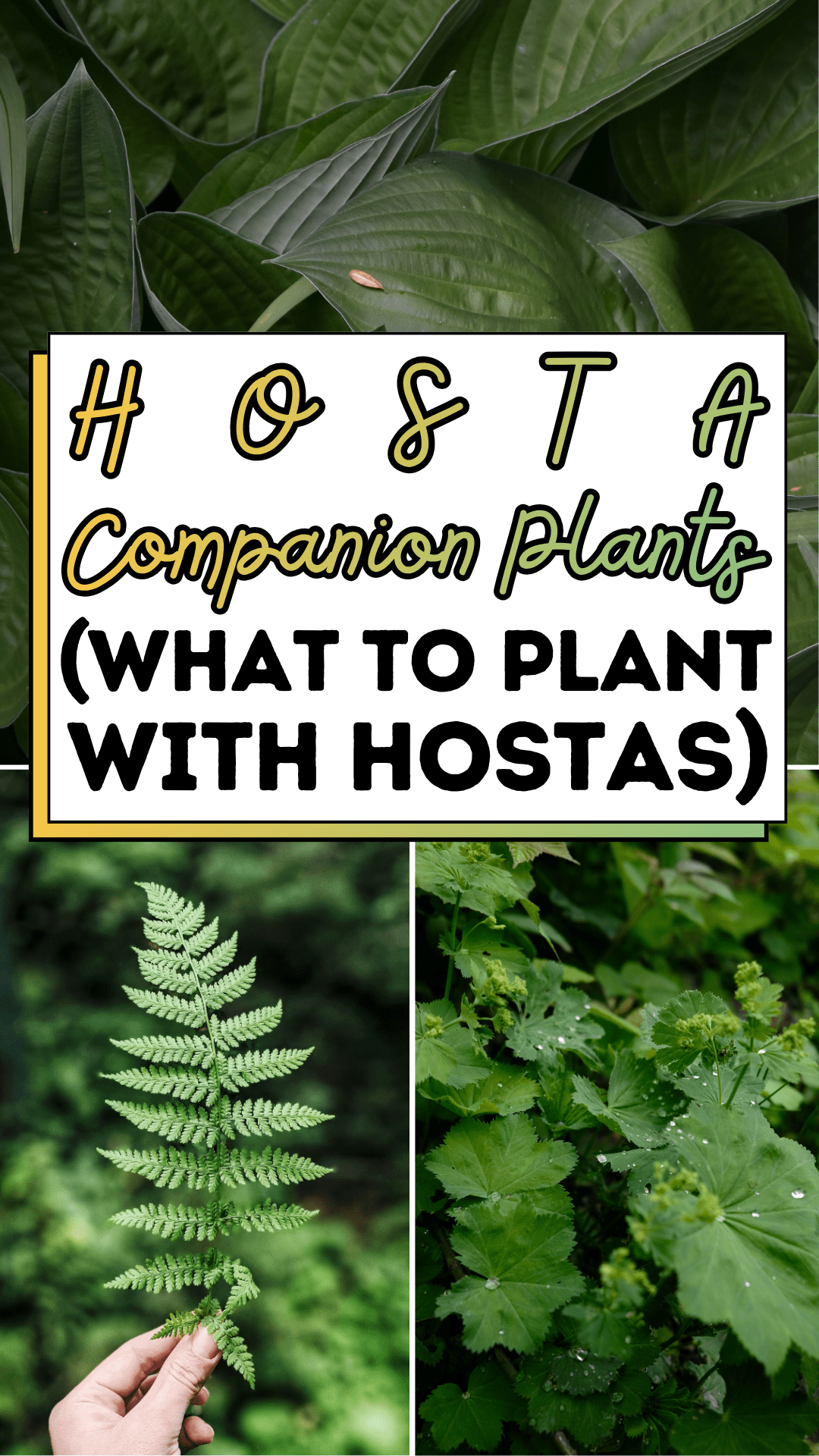
So the shade appears to be flat and uninspired, leaving your outdoor sanctuary as an additional ‘to-do’ list because it appears incomplete. This disjointedness creates mental fatigue since your outdoor sanctuary is more of a disorganized storage facility for plants instead of a purposeful area for relaxation.
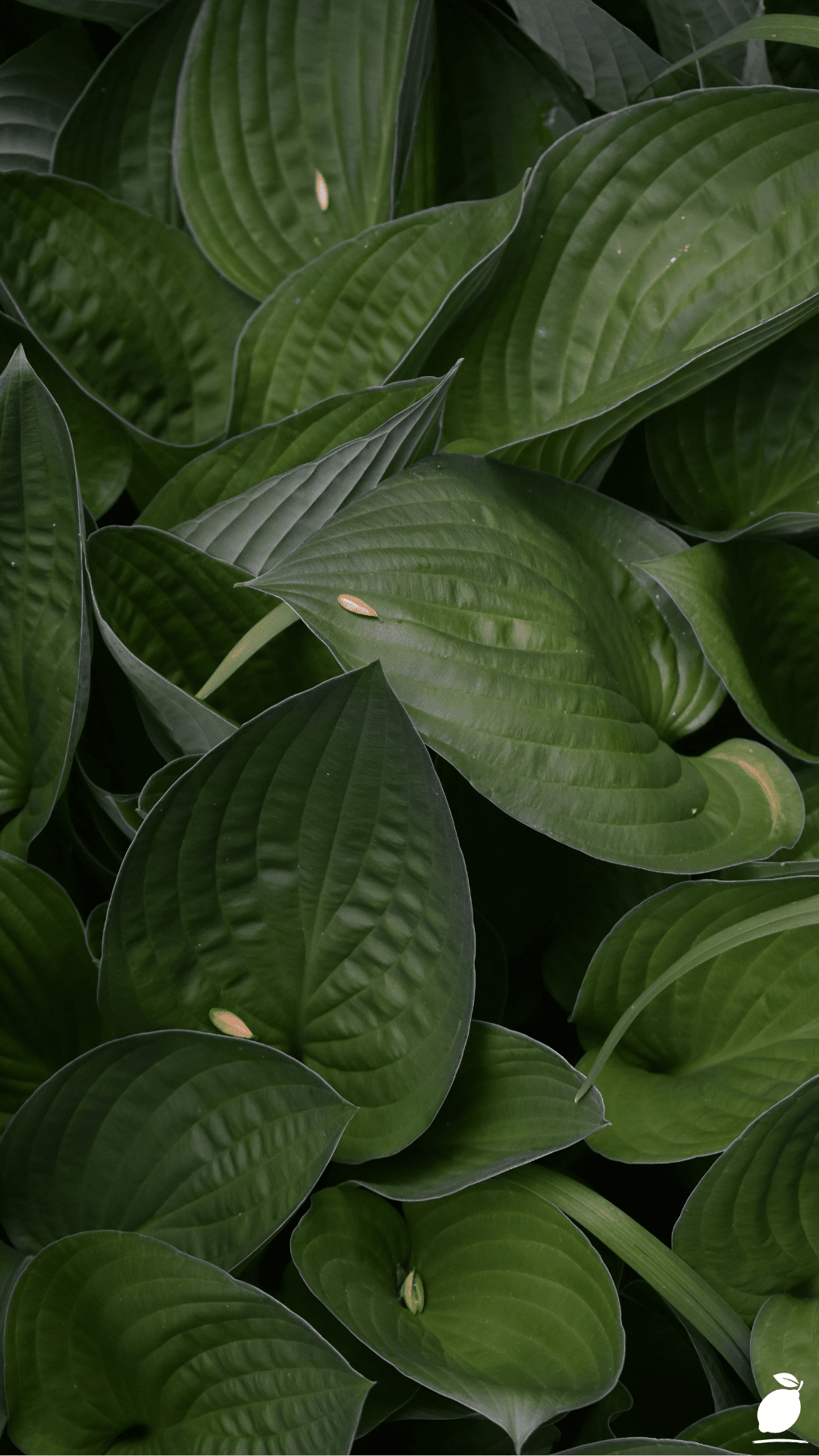
Now consider the alternative option of utilizing a botanical gallery vibe with an abundance of forest green foliage forming a tapestry of overlapping plant material. The large, broad hosta leaves create a tremendous amount of interest to the eye with their very defined, parallel leaf veins.
The reflective properties of the leaves, caused by their waxy, glossy finishes, help create highlights/soft light on the foliage, giving the appearance of expensive, carefully curated plants. Adding additional small orange-brown seed pods within this area will provide natural texture to the area. This is not just an area filled with dirt; this area is the Kaboompics® Award Winning Masterpiece of layering and dimension!
The Hosta Companion Plants System
Creating a professional-grade shade border is about more than just variety; it is about mechanical and visual compatibility. Follow this three-step system to build a garden that feels as organized as a high-end interior.
Step 1: Prepare
The secret to a thriving shade ecosystem starts beneath the surface. Because hostas have expansive, fleshy root systems, their hosta companion plants need to be able to coexist without competing for every drop of moisture. Before planting, amend your soil with rich organic compost to create a “forest floor” environment. This ensures the soil remains friable and moisture-retentive. Map out your light levels. Hostas love the shade, but their companions like Heuchera or Tiarella need just enough dappled light to maintain their vibrant leaf colors.
Step 2: Implement
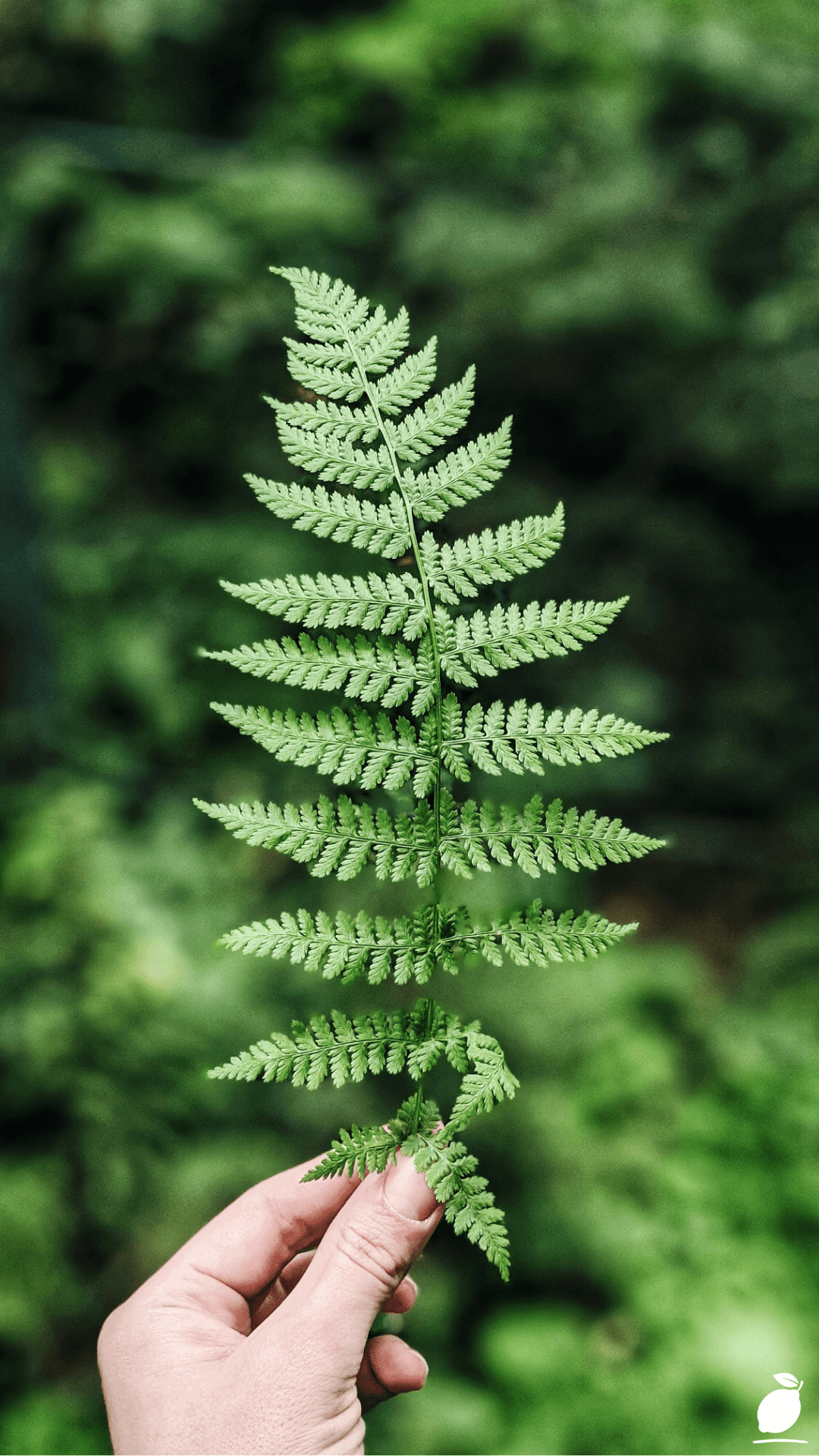
Design your space using the “Texture Contrast” rule. Hostas provide a bold, broad-leafed “heavy” texture. To balance this, implement companions with “light” or feathery textures. Plant delicate ferns or airy bleeding hearts in between your hostas to break up the dense, waxy leaves. Arrange them in a staggered, overlapping pattern rather than a straight line. This mimics the natural, layered effect seen in high-end botanical photography and ensures that as the hostas expand, they “nestle” into their neighbors rather than crowding them out.
Step 3: Maintain
A low-friction garden stays beautiful through consistent “moisture monitoring.” Hostas are thirsty, and their broad leaves can act like umbrellas, preventing rain from reaching the roots of smaller hosta companion plants tucked beneath them. Every spring, apply a fresh layer of dark mulch to unify the look and lock in hydration. As the season progresses, snip off any spent flower stalks or seed pods if you prefer a cleaner, more minimalist foliage look. This simple “edit” keeps the focus on the rich forest green textures and ensures the system remains high-vibe.
The Secrets to Hosta Companion Plants
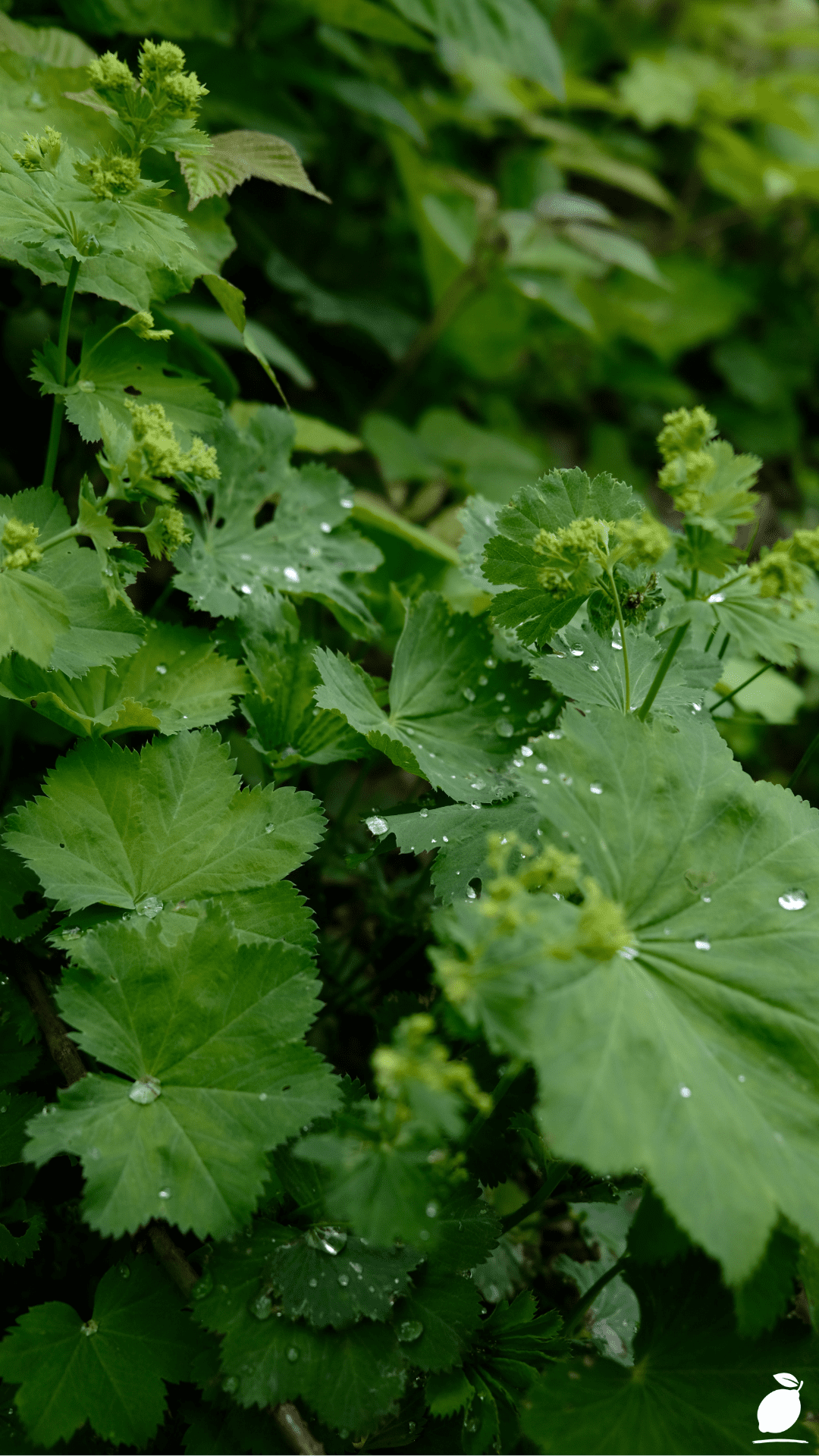
To achieve that cinematic, organized garden look, you need to look past the green and focus on the architecture of the plants.
Expert Pro-Tips
- Play with Color Temperature: Pair the deep forest green of your hostas with “cool” blue-toned ferns or “warm” chartreuse Hakone grass. This creates a sophisticated color gradient that makes the shade feel brighter.
- The Spring Bulb Hack: Plant Alliums or Bluebells directly under the hosta canopy. The bulbs will bloom early, and as their foliage turns messy and yellow, the emerging hosta leaves will grow over and hide them perfectly.
- Use “Spillers” for Edges: Incorporate low-growing hosta companion plants like Lamium or Creeping Jenny at the very front of the border. They will “spill” over the edges of your pathway, softening the concrete and creating a professional, finished look.
Common Mistakes to Avoid
- Planting Sun-Lovers: It sounds obvious, but many people try to force “partial sun” plants into deep hosta shade. This leads to leggy, weak growth that ruins the dense, textured aesthetic.
- Ignoring Slug Zones: Hostas are slug magnets. Avoid companions that also attract pests (like Marigolds) and instead choose slug-resistant friends like Astilbe or Japanese Painted Ferns.
- Overcrowding the Crown: Give your hostas breathing room. Planting companions too close to the center “crown” of the hosta can lead to crown rot and prevent the leaves from unfurling into their full, broad potential.
Why Hosta Companion Plants Matter
At Easy Peasy Life Matter, we believe that visual clutter leads to mental clutter. A garden that feels “half-done” or disjointed is a subtle psychological weight that signals a lack of control over your surroundings. By intentionally choosing hosta companion plants, you are practicing a form of environmental organization that has a direct impact on your mental health.
There is a profound sense of calm that comes from looking at a perfectly layered shade bed. The parallel veining of the hostas provides a sense of linear order, while the variety of companion textures creates a “soft fascination” that allows your brain to recover from the fatigue of digital screens. Organizing your outdoor space into a supportive, thriving system is a reminder that beauty is found in the way different elements support one another. It is a living testament to the fact that with a little preparation and the right system, even the darkest corners of our lives can be transformed into something lush, stable, and incredibly beautiful.
FAQ
What are the best hosta companion plants for deep shade?
Ferns, particularly the Japanese Painted Fern or Ostrich Fern, are the gold standard. They crave the same moist, dim conditions as hostas and provide a stunning feathery contrast to the broad, waxy hosta leaves.
Can I plant hostas with flowers?
Absolutely. Astilbe and Bleeding Hearts are fantastic flowering hosta companion plants. They offer vertical interest and soft colors that pop against the rich forest green background without requiring the intense sunlight that most flowers demand.
Do I need to fertilize my hosta companions differently?
Generally, no. Most shade-loving hosta companion plants thrive on the same organic-rich soil. A single application of a balanced, slow-release fertilizer in early spring is usually all that is needed to keep the entire system looking glossy and vibrant all year long.