The Monday morning rush usually starts with a frantic search for matching socks and the realization that the kitchen counter is buried under a mountain of mail and half-finished school projects. It is that familiar, messy tug-of-war between the life we have and the peace we crave. We often find ourselves settling for the convenient over the quality, grabbing flavorless, heirloom tomatoes, mealy produce from a plastic bin, because we simply do not have the bandwidth to imagine a better way. The chaos of a cluttered home often mirrors the clutter in our diets, leaving us feeling disconnected from the very things that should nourish us.
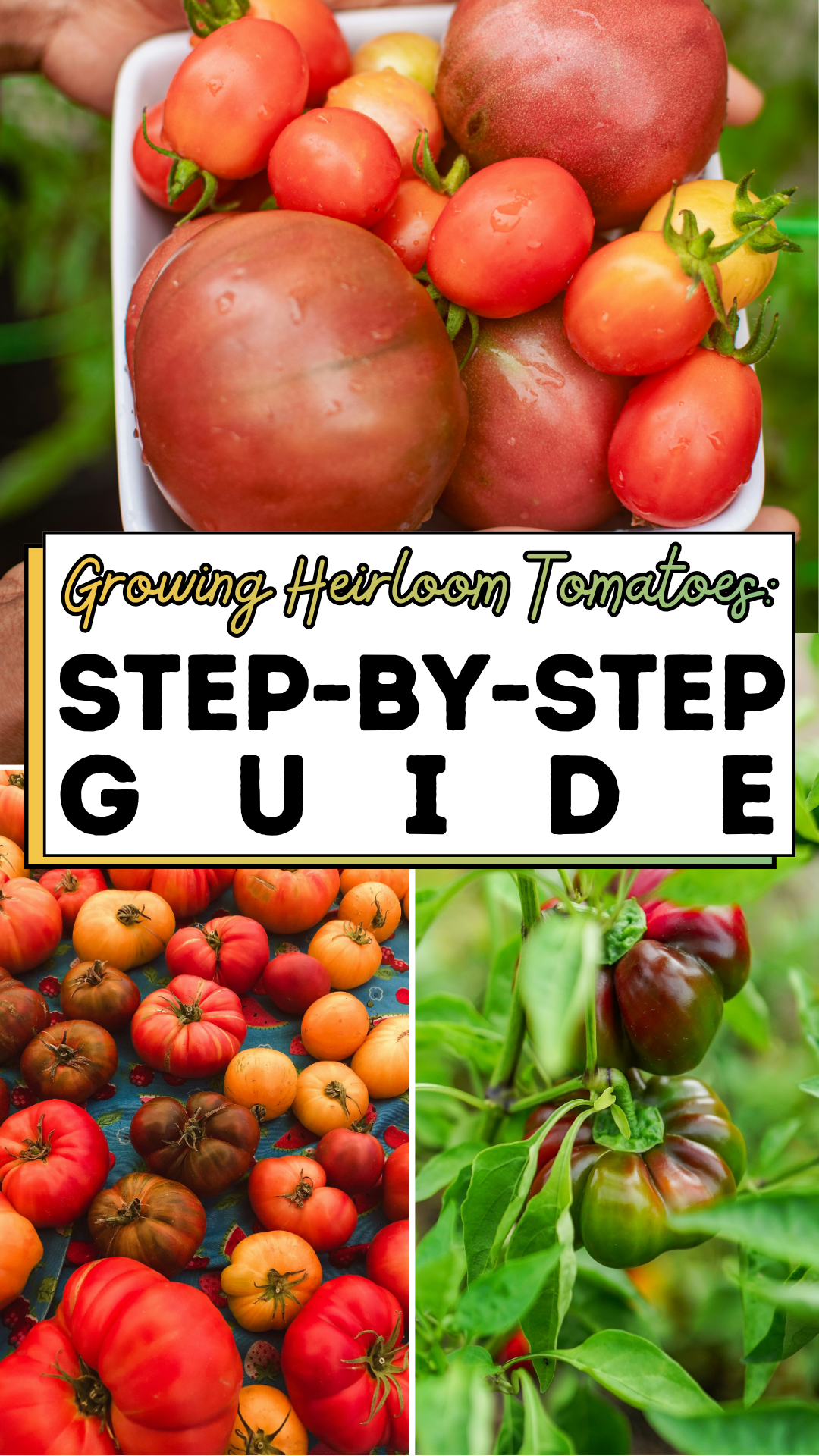
I remember a summer when my kitchen felt more like a transit station than the heart of the home. I was tired of the bland, uniform red globes from the grocery store that tasted like water and disappointment. I wanted something real, something that felt like it had a soul and a history. Standing over my sink, staring at a pile of dishes, I realized that the solution to my mental fatigue wasn’t just another organization app; it was a return to something grounded, colorful, and tactile. I needed a project that allowed me to slow down and appreciate the beautiful irregularities of life.
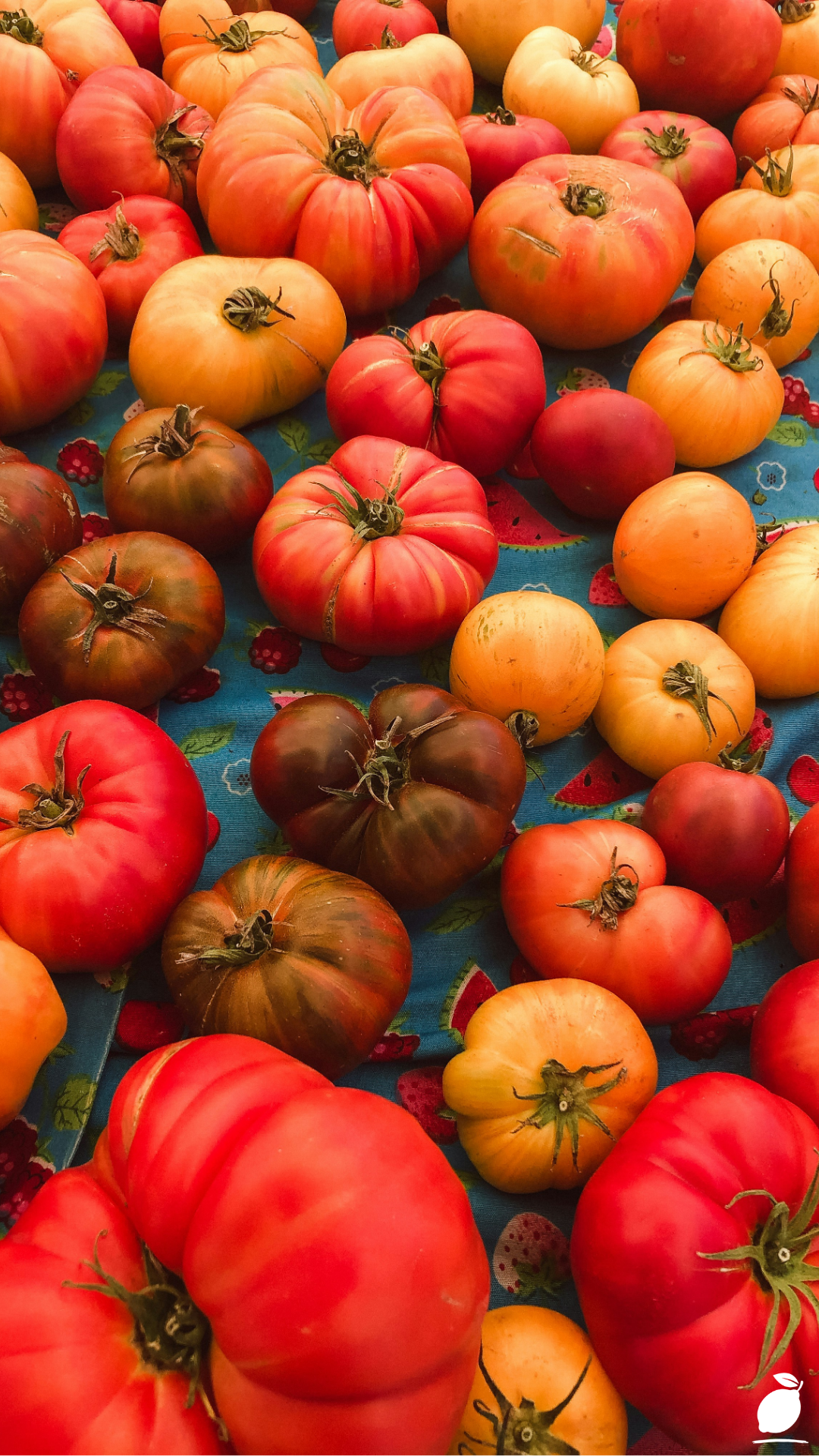
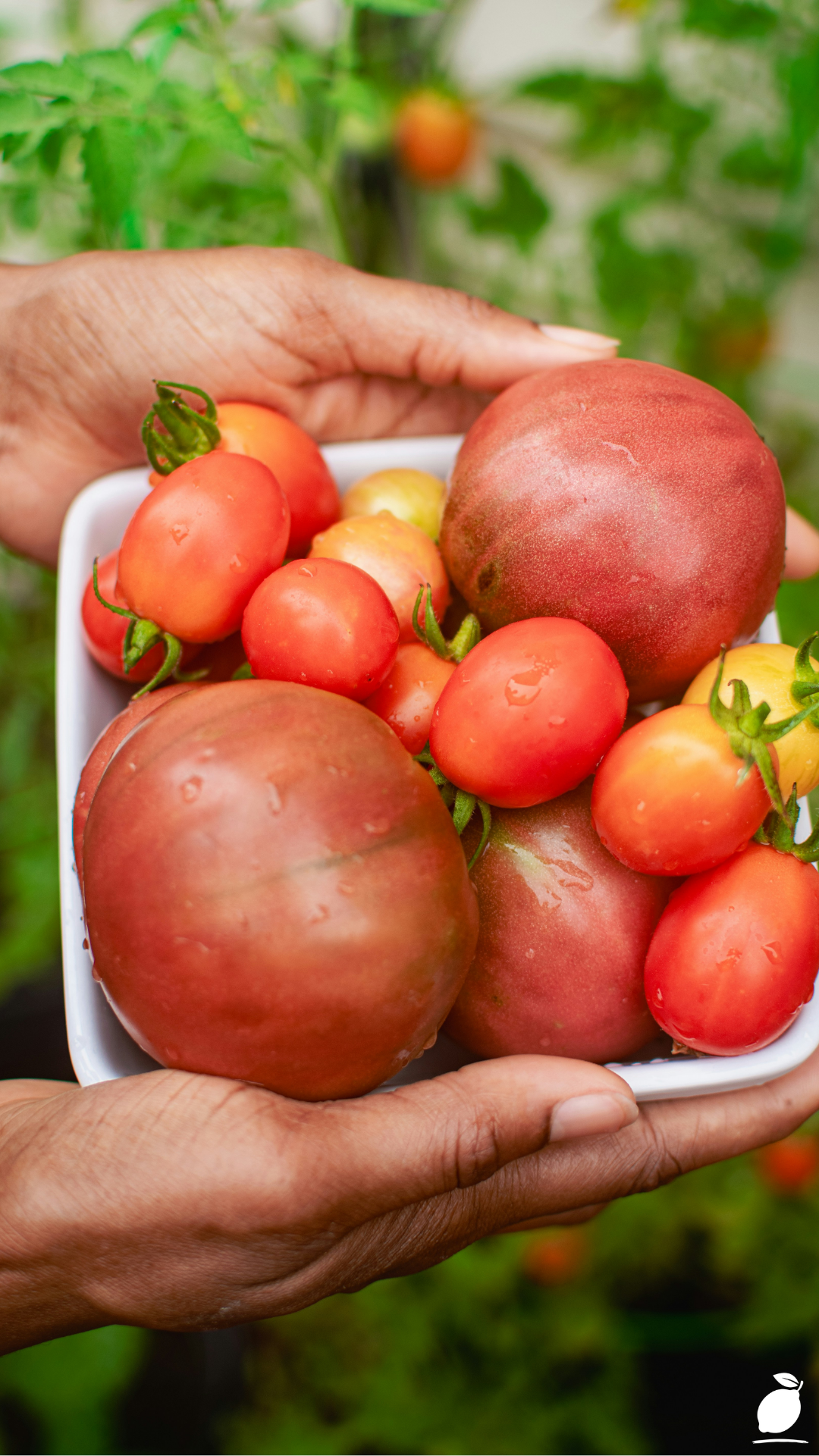
That is the magic found in a harvest of heirloom tomatoes. When you see a vibrant spread of deep chocolate browns, golden yellows, and salmon pinks resting on a blue floral tablecloth, you aren’t just looking at food; you are looking at the antidote to the mundane. Each plump, irregular fruit is a reminder that beauty often lies in the natural blemishes and the unique shapes we usually try to hide. Growing these gems is the ultimate easy-peasy way to transform your backyard into a gallery of flavor and your dinner table into a sanctuary.
The Heirloom Tomatoes Blueprint
Cultivating these historic varieties requires a bit more intention than standard hybrids, but the sensory reward is incomparable. Follow this structured path to ensure your garden is overflowing with heirloom tomatoes.
Step 1: Choosing Your Heritage Seeds
Success with heirloom tomatoes starts with selecting the right variety for your palate and climate. For a rich, smoky flavor, the Cherokee Purple is an iconic choice. If you prefer something sweet and bright for summer salads, look for the Kellogg’s Breakfast variety, known for its stunning orange hue. Because these seeds have been passed down through generations, they offer a diversity of flavors that store-bought versions simply cannot match.
Step 2: Preparing the Foundation
Heirloom tomatoes are heavy feeders that demand nutrient-rich soil. Before planting, work several inches of aged compost or well-rotted manure into your garden bed. These plants thrive in slightly acidic soil with a pH between 6.0 and 6.8. Ensuring your soil is loose and well-draining is essential, as heirloom tomatoes are particularly sensitive to compacted earth, which can stunt their distinctive, irregular growth.
Step 3: Proper Spacing and Support
One of the most common mistakes is crowding the plants. Heirloom tomatoes need plenty of airflow to prevent the foliage diseases to which they are sometimes susceptible. Space your seedlings at least 24 to 36 inches apart. Since many heirlooms are indeterminate, meaning they keep growing all season, you will need sturdy cages or a cattle panel trellis to support the weight of the large, plump fruit.
Step 4: Mastering the Watering Rhythm
Consistency is the secret to preventing the skins of your heirloom tomatoes from cracking. Water deeply at the base of the plant early in the morning, keeping the leaves dry. Aim for about one to two inches of water per week. Mulching with straw or shredded leaves helps maintain even moisture levels in the soil, protecting the delicate skins of varieties like the Brandywine from the stress of a dry spell.
Step 5: Pruning for Quality
To focus the plant’s energy on producing those massive, salmon-pink, and chocolate-brown fruits, you must prune the suckers. These are the small shoots that grow in the V-shape between the main stem and the branches. By removing these, you allow more sunlight to reach the center of the plant, which speeds up ripening and improves the overall sugar content of your heirloom tomatoes.
Expert Secrets for Success
Pro-Tips for Better Results
- The Magnesium Boost: Stir a tablespoon of Epsom salts into the planting hole. The magnesium helps heirloom tomatoes take up nutrients more efficiently and can lead to a more vibrant color in the skins.
- Harvest at the Blush: Do not wait for heirloom tomatoes to be fully colored on the vine. To avoid pests and cracking, harvest them when they are about 60 to 70 percent ripe (the blush stage) and let them finish ripening on a counter out of direct sunlight.
- Companion Planting: Tuck some basil and marigolds around your heirloom tomatoes. The marigolds help deter nematodes, while many gardeners swear that growing basil nearby actually improves the flavor of the fruit.
Common Mistakes to Avoid
- Overhead Watering: Never splash water onto the leaves of heirloom tomatoes. This is the fastest way to invite early blight and septoria leaf spot, which can ruin a harvest before it begins.
- Over-Fertilizing with Nitrogen: Too much nitrogen will give you a massive, beautiful green bush, but very few heirloom tomatoes. Once the plant starts flowering, switch to a fertilizer higher in phosphorus and potassium.
- Refrigeration: This is a culinary sin! Never put your heirloom tomatoes in the fridge. The cold temperatures break down the volatile flavor compounds and turn the texture mealy, destroying months of hard work in the garden.
Why Heirloom Tomatoes Matter
In the philosophy of Easy Peasy Life Matters, we recognize that the act of nurturing a garden is a direct path to mental clarity. When the world feels loud and unpredictable, the steady, rhythmic needs of heirloom tomatoes offer a grounding influence. There is a profound sense of family peace that comes from gathering around a table and sharing a meal made from food you grew yourself.
The diversity of heirloom tomatoes, the chocolate browns, the golden yellows, and the deep reds reminds us that our own “blemishes” and “irregularities” are what make life vibrant and interesting. Achieving DIY success in the garden translates to confidence in other areas of life. It proves that with a little patience and the right blueprint, we can create something extraordinary out of the messy dirt of our daily existence.
FAQ
Why are my heirloom tomatoes shaped so weirdly?
That is actually one of their best features! Heirloom tomatoes are not bred for the uniform, round look of commercial varieties. Their irregular shapes, lobes, and ridges are a result of their natural genetics and often indicate a much more complex flavor profile.
Are heirloom tomatoes harder to grow than regular ones?
They can be slightly more sensitive to diseases because they haven’t been genetically modified for resistance. However, with proper spacing, good airflow, and consistent watering, growing heirloom tomatoes is very manageable and significantly more rewarding in terms of taste.
Why is it called an heirloom?
A tomato is generally considered an heirloom if the seeds have been passed down for at least 50 years within a family or community, or if the variety was introduced before 1940. They are open-pollinated, meaning the seeds you save will grow into the same type of plant next year.
How do I know when my heirloom tomatoes are ripe?
Because they come in so many colors, you cannot always rely on redness. Give the fruit a very gentle squeeze; it should have a slight “give” similar to a ripe peach. Also, check the bottom of the fruit; this is often where the color changes first.