My view of my yard, from the Wednesday afternoon slump perspective, made me feel as if I only had half of what I needed to soak my feet in. A chain link fence rusted at the bottom and bare at the top surrounded my yard, and, therefore, passion flower made me painfully aware of my lack of privacy, and the fact that I had never even started my gardening projects.
My vision of an inviting outdoor space had become a hodgepodge of empty plastic pots and a patio with a heap of dry leaves and random toys strewn across it – it looked like it was all in my head; that there were no spatial boundaries, only chaotic blobs of time and effort that failed to meet the adrenaline-fueled deadline of every week.
There is a kind of fatigue that is very specific to living in an unfinished space. We tend to believe that creating a lovely home requires either a huge remodel or a whole landscaping crew to come in and make our properties look like the set of a movie. So, we wait for the “perfect moment,” which never arrives.
All the while, the bare wall or dull fencing continues to suck the life out of us while we think of all the good things we could do with our yard if only we could manage the renovation and create the yard we want. For months, I stressed myself out worrying about getting my yard transformed, and believed that everything I would plant would die, and add to all of the chores I already have on my plate.
The Passion Flower Blueprint
Growing the Passiflora plant is a rewarding project that combines vertical gardening with exotic aesthetics. Follow this care guide to ensure your vine reaches its full, blooming potential.
Step 1: Selecting the Right Passiflora Variety
Before you dig, research the specific Passion Flower variety that suits your hardiness zone. While many tropical types are grown as annuals in cooler climates, the Passiflora incarnata is surprisingly hardy and can survive frost. Choosing a variety that aligns with your local weather is the first step toward a thriving, low-stress garden.
Step 2: Optimal Site Selection and Soil Prep
Passion Flower vines are sun worshippers. Find a spot that receives at least six to eight hours of direct sunlight daily. These plants prefer well-draining soil rich in organic matter. If your garden has heavy clay, mix in some compost or aged manure to improve drainage. This prevents root rot and gives the vine the nutrients it needs to produce those glossy, dark green leaves.
Step 3: Installing Vertical Support
A Passion Flower is a vigorous climber that uses tendrils to pull itself upward. You must provide a sturdy trellis, fence, or wire grid from the start. As the vine begins to grow, gently guide the young tendrils toward the support structure. Once it finds its grip, the plant will rapidly cover the area, transforming bare vertical surfaces into a lush green backdrop.
Step 4: Watering and Feeding for Blooms
During the growing season, keep the soil consistently moist but not waterlogged. A deep watering once or twice a week is usually sufficient. To encourage the development of the striking white and purple blooms, use a balanced, liquid fertilizer every four to six weeks during the spring and summer. Avoid high-nitrogen fertilizers, as these will give you plenty of leaves but very few flowers.
Step 5: Pruning and Maintenance
To keep your Passion Flower from becoming unmanageably messy, prune it in the early spring. Remove any dead or damaged stems and cut back overgrown vines to encourage new, flowering wood. This regular maintenance ensures the light can reach the center of the plant, keeping the inner foliage as healthy and vibrant as the outer blooms.
Expert Secrets for Success
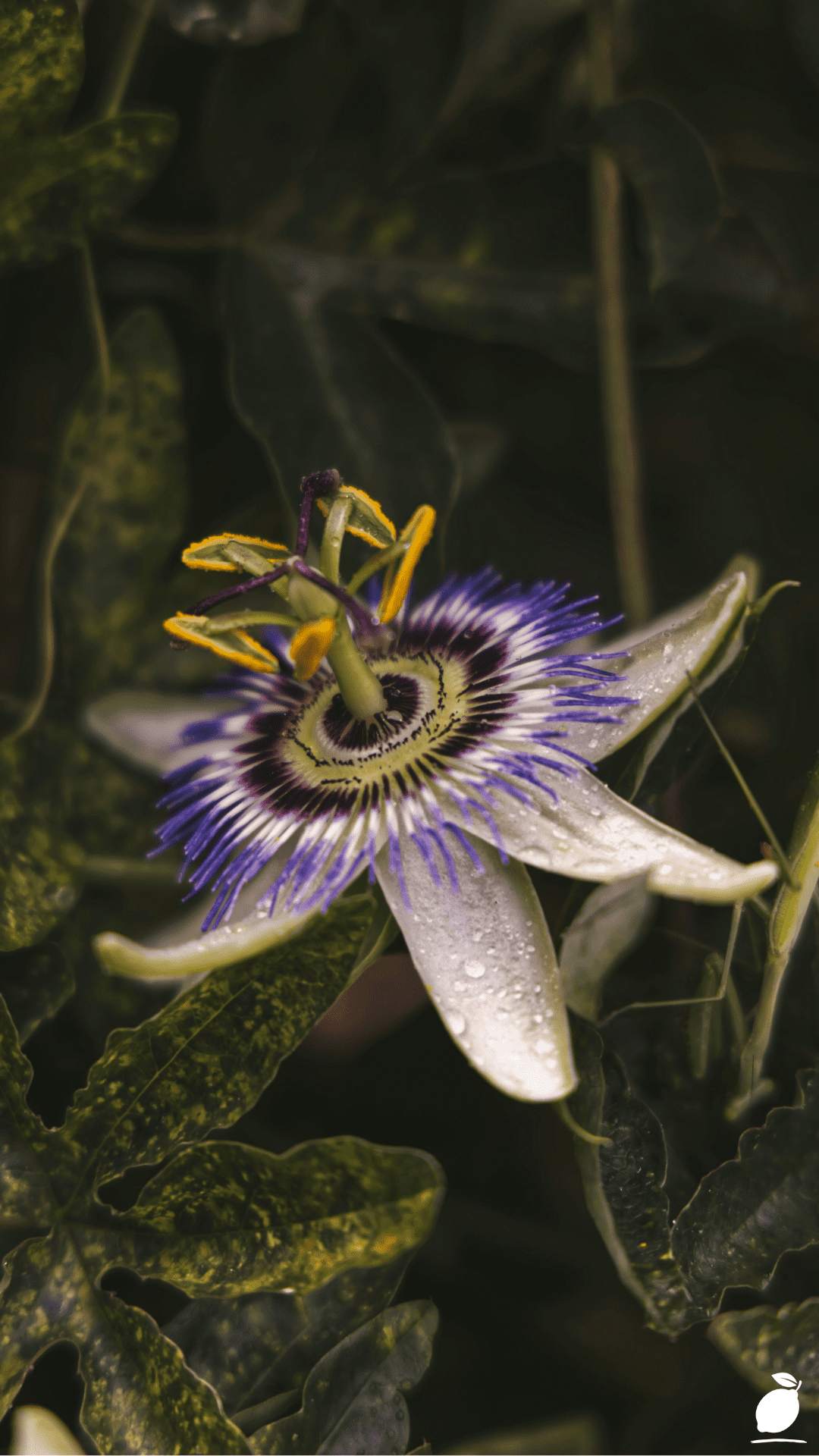
Mastering the Passion Flower involves understanding its tropical nature and its desire for consistent environments.
Pro-Tips for a Better Result
- Mulch for Moisture: Apply a two-inch layer of organic mulch around the base of the vine. This keeps the roots cool in the heat of summer and helps retain the moisture that the Passion Flower craves.
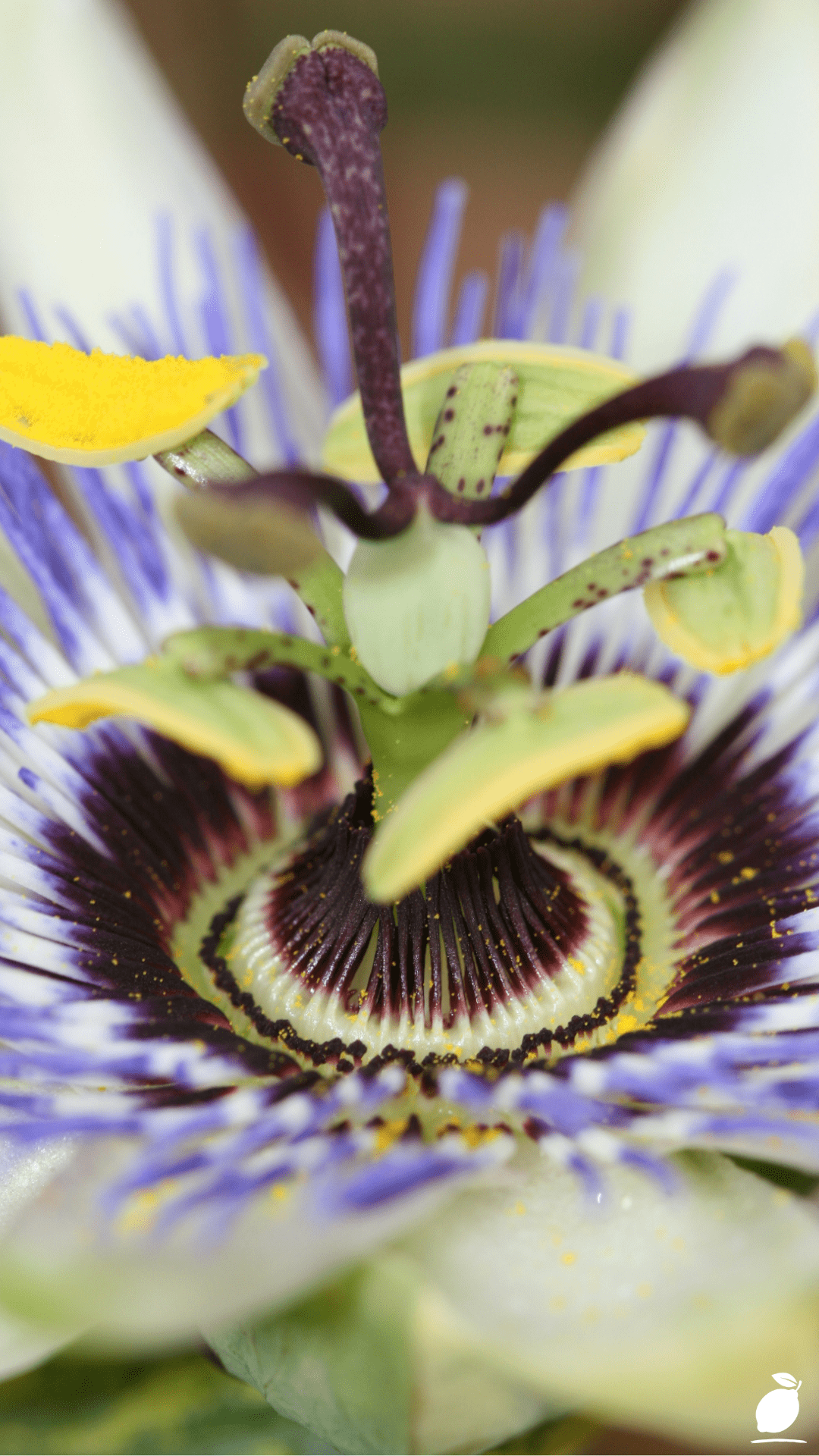
- Pollination Boost: If you aren’t seeing fruit (maypops), try hand-pollinating. Use a small brush to transfer pollen from the yellow pistils to the purple stamens.
- Container Growing: If you have limited space or a cold climate, the Passion Flower thrives in large pots. This allows you to move the plant indoors or into a garage during the harsh winter months.
Common Mistakes to Avoid
- Over-Fertilizing: Too much food can lead to “lazy” vines that grow rapidly but never produce a single bloom. Stick to a moderate feeding schedule.
- Poor Drainage: The Passion Flower does not like “wet feet.” Ensure your pot or garden bed allows excess water to escape quickly to prevent fungal diseases.
- Ignoring Tendrils: Check your vine weekly. If left to its own devices, a Passion Flower can quickly jump from its trellis to nearby trees or gutters, creating a tangled mess that is difficult to untangle later.
Why Passion Flower Matters
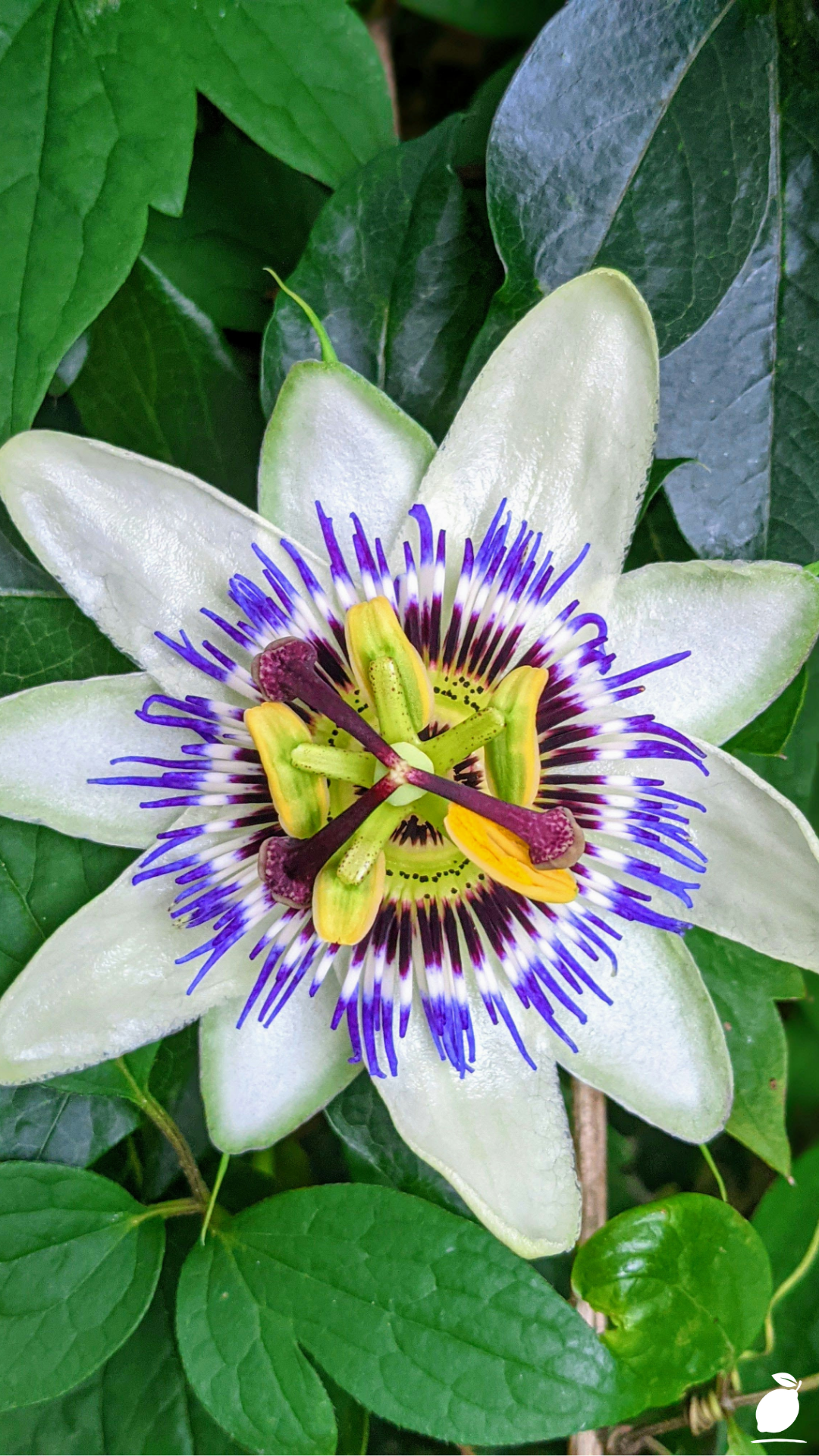
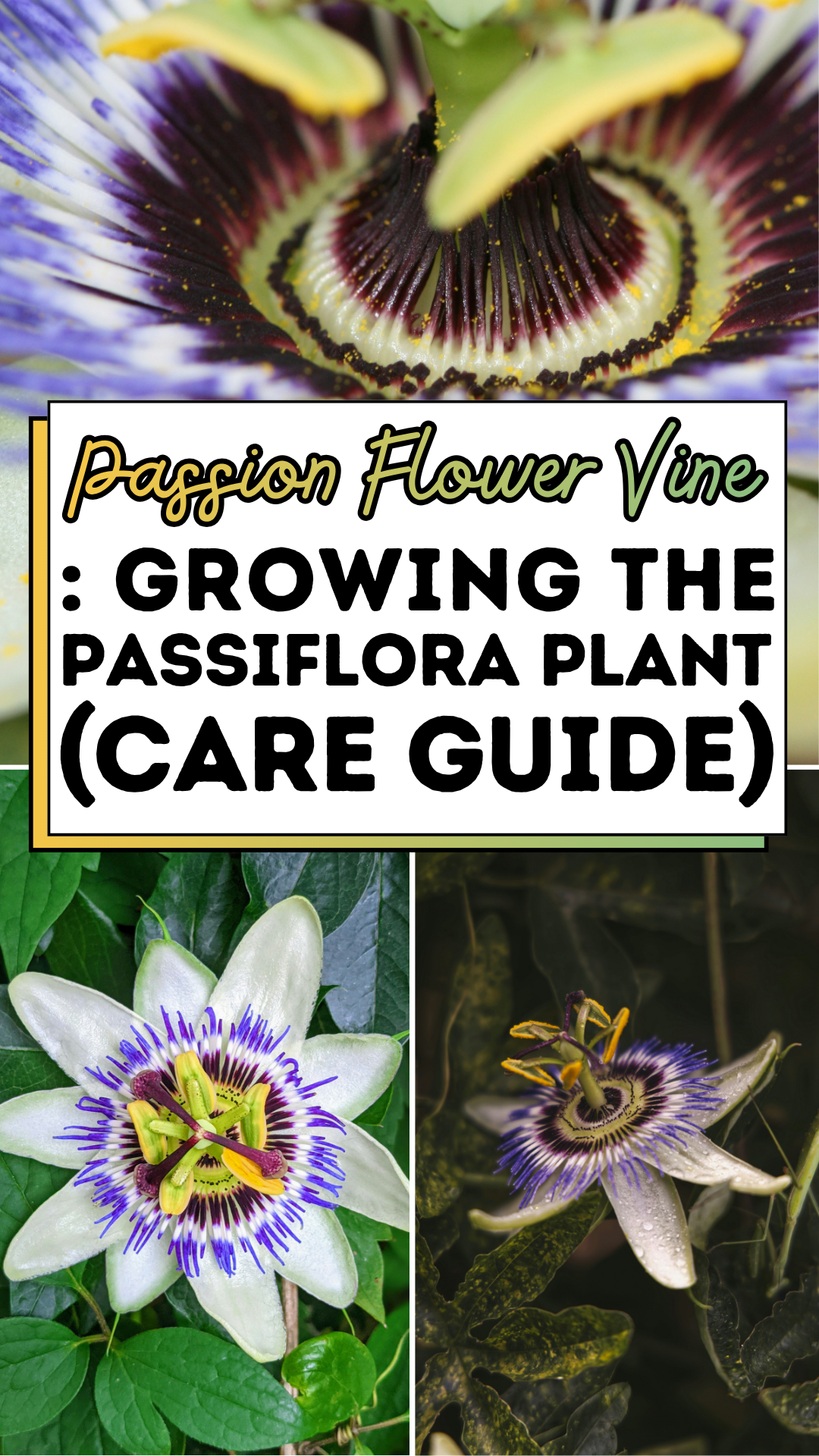
In the world of home maintenance, success is often measured by what we fix, but with a Passion Flower, success is measured by what we cultivate. The act of tending to a Passiflora vine provides a profound sense of mental clarity. It forces a shift in focus from the “to-do” list to the “growth” list. When you witness the intricate, almost mathematical beauty of a bloom opening for the first time, the stresses of the day seem to lose their grip. It is a reminder that beauty can flourish even in the corners of our lives that we previously neglected.
For the family, a thriving Passion Flower vine serves as a centerpiece for peace. It creates a private, shaded area for shared meals and quiet conversations, effectively expanding the living space of the home into the outdoors. DIY success with such a complex-looking plant builds confidence and encourages a culture of stewardship within the household. By bringing order and exotic beauty to a simple fence or wall, you aren’t just gardening; you are creating an intentional environment where family peace can truly bloom.
FAQ
How long does it take for a Passion Flower to bloom?
When grown from a nursery start, you can expect blooms in its first growing season. If growing from seed, it may take one to two years before the plant is mature enough to produce flowers.
Is the Passion Flower toxic to pets?
While wide varieties are safe, some types contain cyanogenic glycosides, which can be harmful if ingested in large quantities. It is always best to check the specific variety of Passiflora and keep it away from curious pets.
Why are the leaves on my Passion Flower turning yellow?
Yellowing leaves are often a sign of overwatering or a nutrient deficiency. Check the soil drainage first, and if that is fine, consider a dose of balanced fertilizer to boost the plant’s health.
Do I need to cut the Passion Flower back for winter?
In colder zones where the plant is hardy, you should cut it back to about 12 inches above the ground after the first frost. This protects the crown and prepares the plant for vigorous regrowth in the spring.