The modern kitchen often feels like the headquarters of a never-ending storm. Between the stacks of unopened mail, the lingering scent of last night’s takeout, and the wilting grocery store herbs turning into a sad brown puddle in the crisper drawer, aquaponics vs hydroponics, the messy reality of trying to live a fresh, healthy lifestyle can feel like a full-time job. We start the week with high intentions, only to find ourselves overwhelmed by the clutter of plastic packaging and the guilt of food waste, wondering if there is a simpler way to bring a sense of natural order back into our homes.
I remember the specific frustration of standing over a sink full of dishes, trying to wash dirt off a bunch of store-bought parsley that was already starting to yellow. My countertop was a disaster zone of half-used produce and forgotten lists, reflecting the internal chaos of a schedule that left no room for the garden I always promised myself I would start. I desperately needed a reset, a way to cut through the noise and reclaim a sense of control over what my family was consuming. I wanted a solution that wasn’t just another chore, but a source of quiet, organized joy.
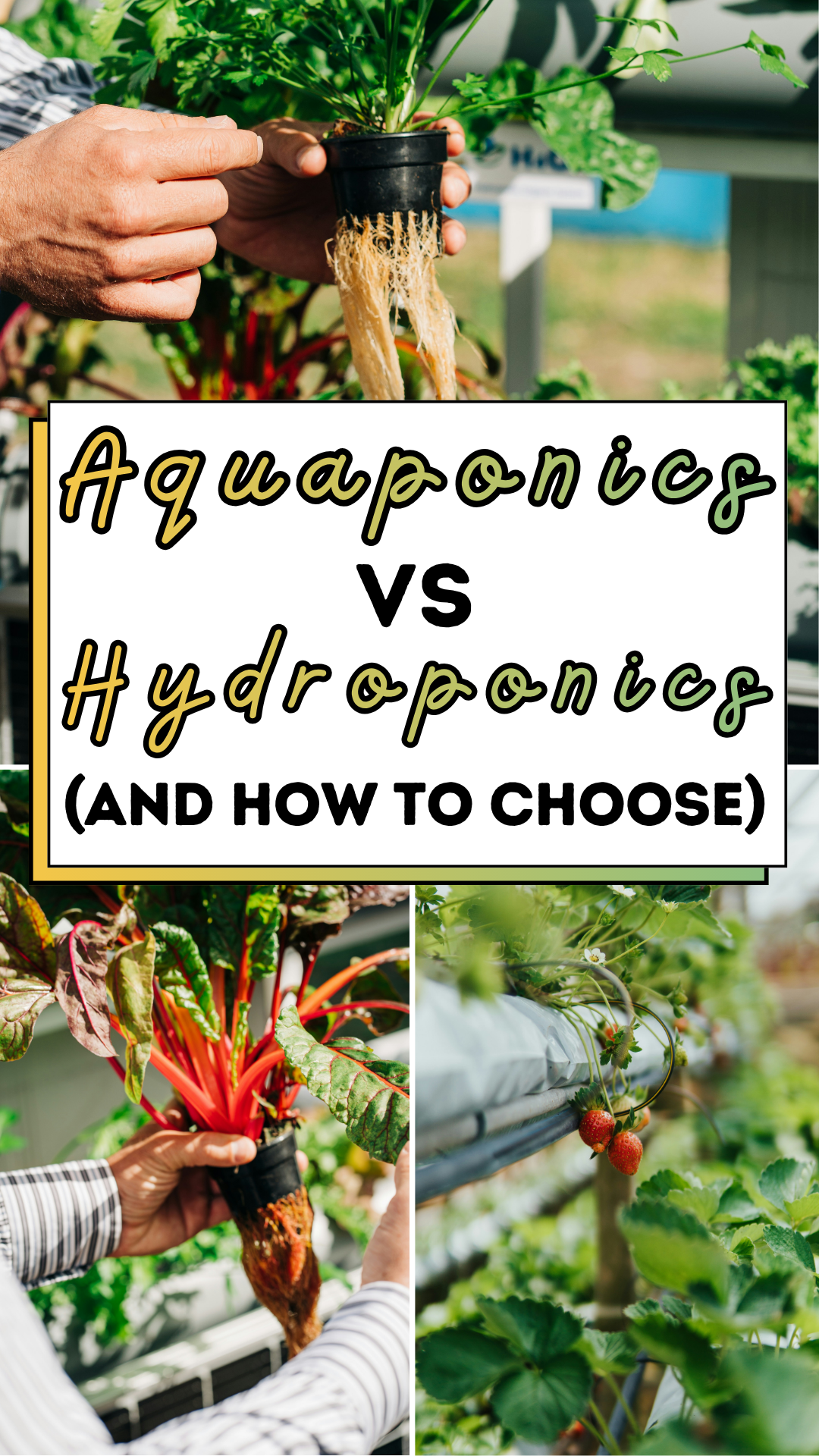
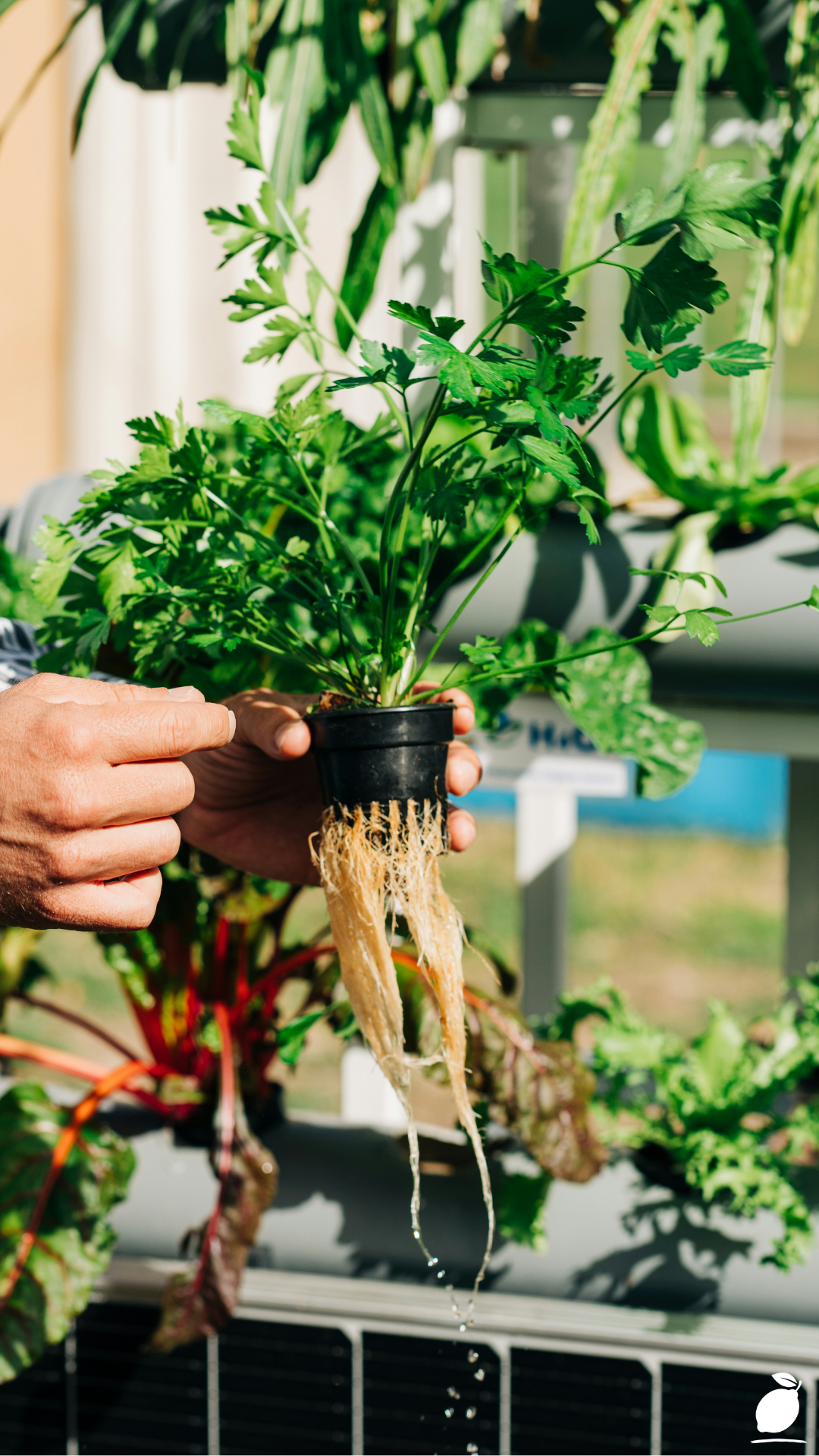
That transformation began when I looked away from the soil and toward the water. Imagine a morning where you reach for a small potted plant, lifting it to see a dense, healthy network of light brown roots dripping with clear, life-giving water. The vibrant green frilly leaves are crisp and bursting with flavor, grown right in your own living space without a grain of dirt in sight. This is the calm after the storm. By understanding the core differences in the Aquaponics vs Hydroponics debate, you turn that messy kitchen struggle into a streamlined, high-tech sanctuary of growth that fits perfectly into your easy-peasy lifestyle.
The Aquaponics vs Hydroponics Guide
Choosing between these two soil-less powerhouses depends entirely on your goals, your space, and how much of an ecosystem you want to manage. Here is the breakdown to help you decide which path leads to your personal backyard or kitchen oasis.
The Hydroponic Method
Hydroponics is the art of growing plants in a nutrient-rich water solution without any soil. It is a precise, clean system where you are the master of the minerals. You add liquid fertilizers directly to the water, which the plants, like that vibrant parsley, absorb through their fibrous root structures.
Why it works: When comparing Aquaponics vs Hydroponics, this method is incredibly efficient and easy to control. If you want a minimalist, low-maintenance setup for your apartment or a small kitchen corner, hydroponics is the easy-peasy choice. It’s predictable, fast-growing, and perfect for the busy professional who wants fresh greens without the learning curve of a complex biological ecosystem.
The Aquaponic Method
Aquaponics takes things a step further by combining aquaculture (raising fish) with hydroponics. In this closed-loop system, the fish provide the nutrients. Fish waste is converted by beneficial bacteria into the very nitrates that your plants need to thrive. In return, the plants filter and clean the water for the fish.
Why it works: This is the ultimate sustainable DIY project. In the battle of Aquaponics vs Hydroponics, this version works because it mimics a natural pond environment. If you have the space and the desire to raise both protein and produce, aquaponics offers a deeply rewarding sense of self-sufficiency. It’s a living classroom for the kids and a beautiful, bubbling focal point for a peaceful home.
The Hybrid Approach
In 2026, many lifestyle enthusiasts are opting for small-scale hybrid systems that use the principles of both. You might start with a simple hydroponic herb tower and eventually integrate a small decorative fish tank to provide supplemental nutrients.
Why it works: It allows for a gradual transition. You get the immediate success of hydroponics while slowly building the biological stability required for a full aquaponic system. It’s the perfect compromise for someone weighing Aquaponics vs Hydroponics who wants the best of both worlds without the initial overwhelm.
Expert Secrets for Success
Pro-Tips for Better Results
- Oxygen is Everything: Whether you choose Aquaponics vs Hydroponics, your roots need to breathe. Use an air stone to keep the water highly oxygenated; this prevents root rot and ensures those light brown fibrous roots stay healthy and vibrant.
- Master the pH Balance: Plants are picky about their water. Keep your levels between 5.5 and 6.5 for hydroponics, or closer to 6.8 for aquaponics, to keep both the fish and plants happy. A simple digital tester is a lifestyle game-changer.
- Start with Leafy Greens: If you are a beginner exploring Aquaponics vs Hydroponics, stick to parsley, lettuce, or kale. These plants are incredibly forgiving and show rapid results, giving you that much-needed boost of DIY confidence.
Common Mistakes to Avoid
- Overfeeding the Fish: In the Aquaponics vs Hydroponics comparison, remember that aquaponics requires managing animal life. Too much fish food leads to ammonia spikes that can kill your plants and your fish. Feed only what they can eat in two minutes.
- Ignoring Water Temperature: Water that is too warm holds less oxygen and encourages algae growth. Aim for a cool-room temperature to keep your Aquaponics vs Hydroponics system clear and serene.
- Neglecting Light Cycles: Plants need rest, too! Ensure your system has a timer. 14-16 hours of light is great, but those 8 hours of darkness are when the plant does its most important metabolic work.
Why Aquaponics vs Hydroponics Matters
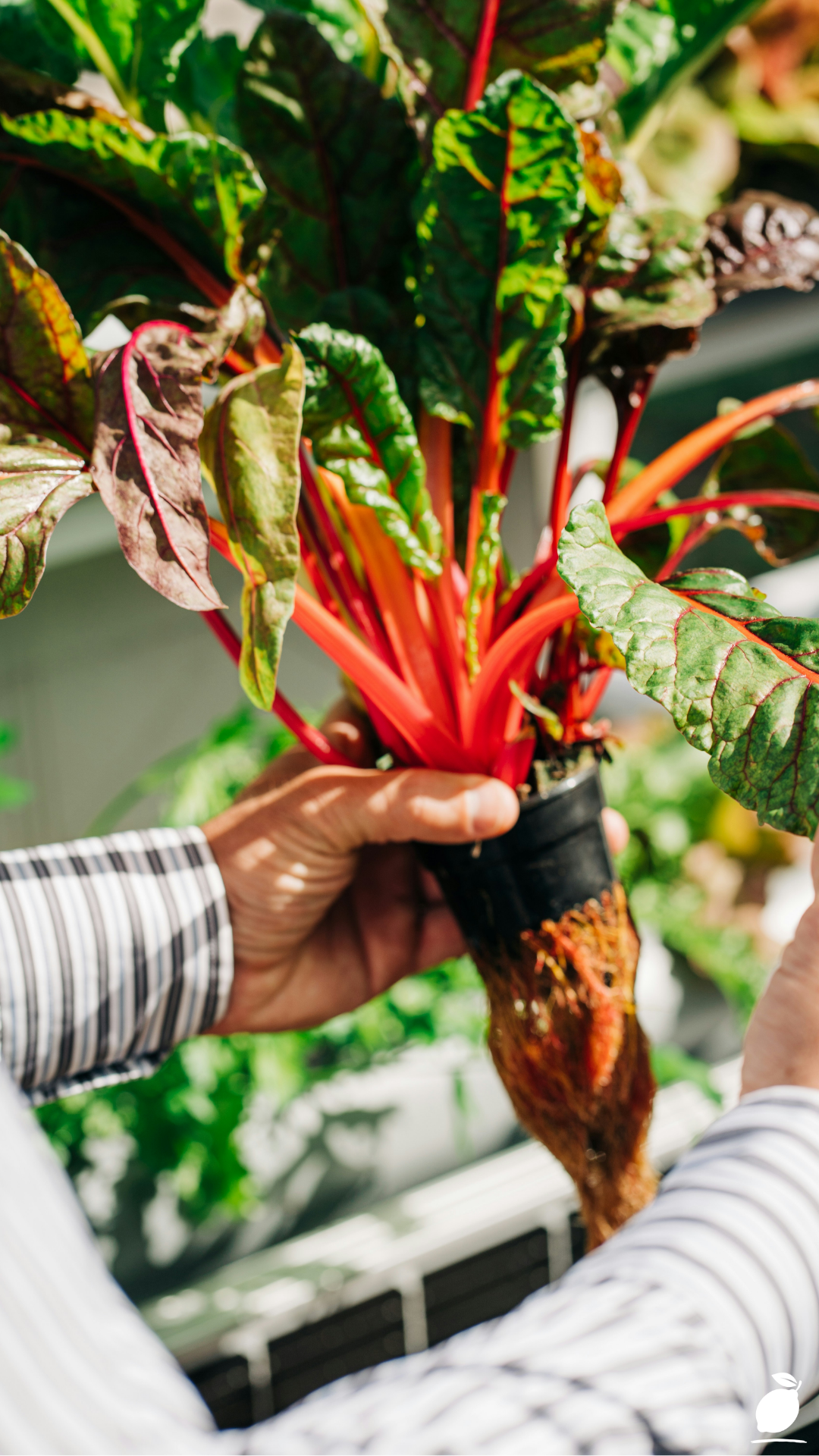
In the world of Easy Peasy Life Matters, we believe that the act of growing your own food is a powerful tool for mental clarity. There is a profound psychological shift that happens when you move from the messy struggle of the grocery store to the quiet, rhythmic maintenance of a water-based garden. Watching water droplets fall from a healthy root system as you harvest your dinner provides an immediate sense of accomplishment that spills over into every other area of your life.
Whether you choose the precision of hydroponics or the beautiful cycle of aquaponics, you are creating a blue zone of sorts in your own home. The debate of Aquaponics vs Hydroponics encourages family peace by involving everyone in a shared project that is both educational and delicious. Success in these DIY systems proves that you don’t need a massive farm to be a producer; you just need the right blueprint and a little bit of water to transform your living space into a sanctuary of health and tranquility.
FAQ: Choosing Your System
Which is cheaper to start, Aquaponics or Hydroponics?
Generally, if you are looking at the initial investment of Aquaponics vs Hydroponics, hydroponics is cheaper and easier to start. You can set up a simple Kratky or DWC system with a bucket and some liquid nutrients for under $50. Aquaponics requires the additional cost of a fish tank, pumps, and the fish themselves.
Can I grow anything in these systems?
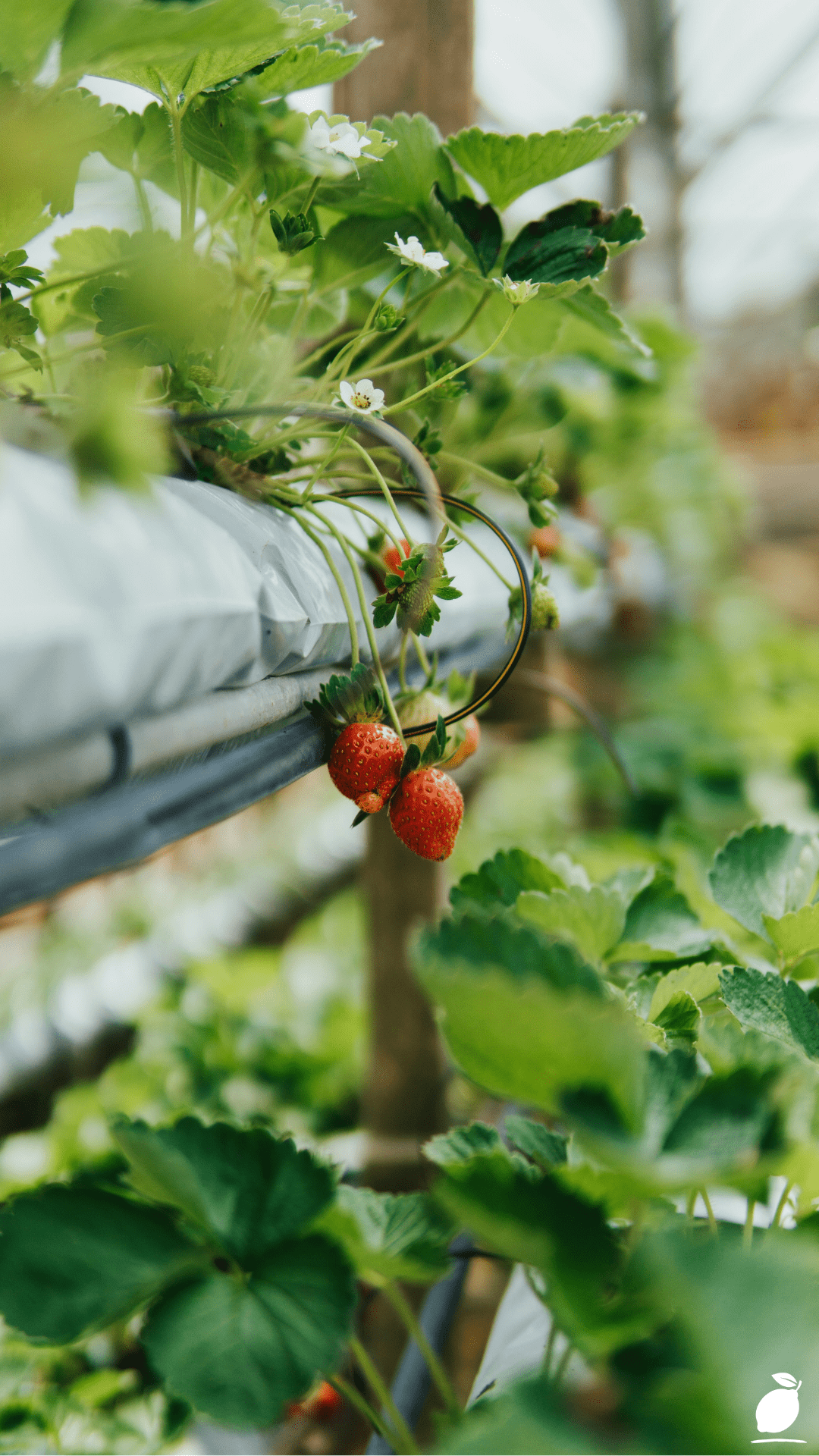
While leafy greens and herbs are the easiest, you can grow almost anything, including tomatoes, peppers, and even strawberries, once you master the nutrient balance. However, in the context of Aquaponics vs Hydroponics, root vegetables like carrots are much more difficult in water-based systems.
Does the food taste different?
Many people find that aquaponic produce has a more complex or earthy flavor similar to organic soil-grown food, while hydroponic produce is incredibly clean and crisp. Both are vastly superior to store-bought options that have been sitting in a truck for days.
How much time does maintenance take?
Once established, a hydroponic system takes about 15-20 minutes a week to check nutrients and water levels. In the comparison of Aquaponics vs Hydroponics, aquaponics takes a bit more time, perhaps 30 minutes a week, as you also need to care for the fish and monitor the biological filters.