It’s a Saturday morning, your kitchen windowsill is crowded with seedlings that have outgrown their starter pots, your backyard looks like a patchwork of half-dug holes and confused intentions, and you’ve already Googled “why are my plants dying” three times this week. Nobody gave you the planting tips you actually needed, just a seed packet and good intentions. You wanted a thriving garden. You got a mud-speckled anxiety spiral. If that sounds familiar, you’re not alone. Most beginner (and even intermediate) gardeners hit this exact wall somewhere between inspiration and execution.
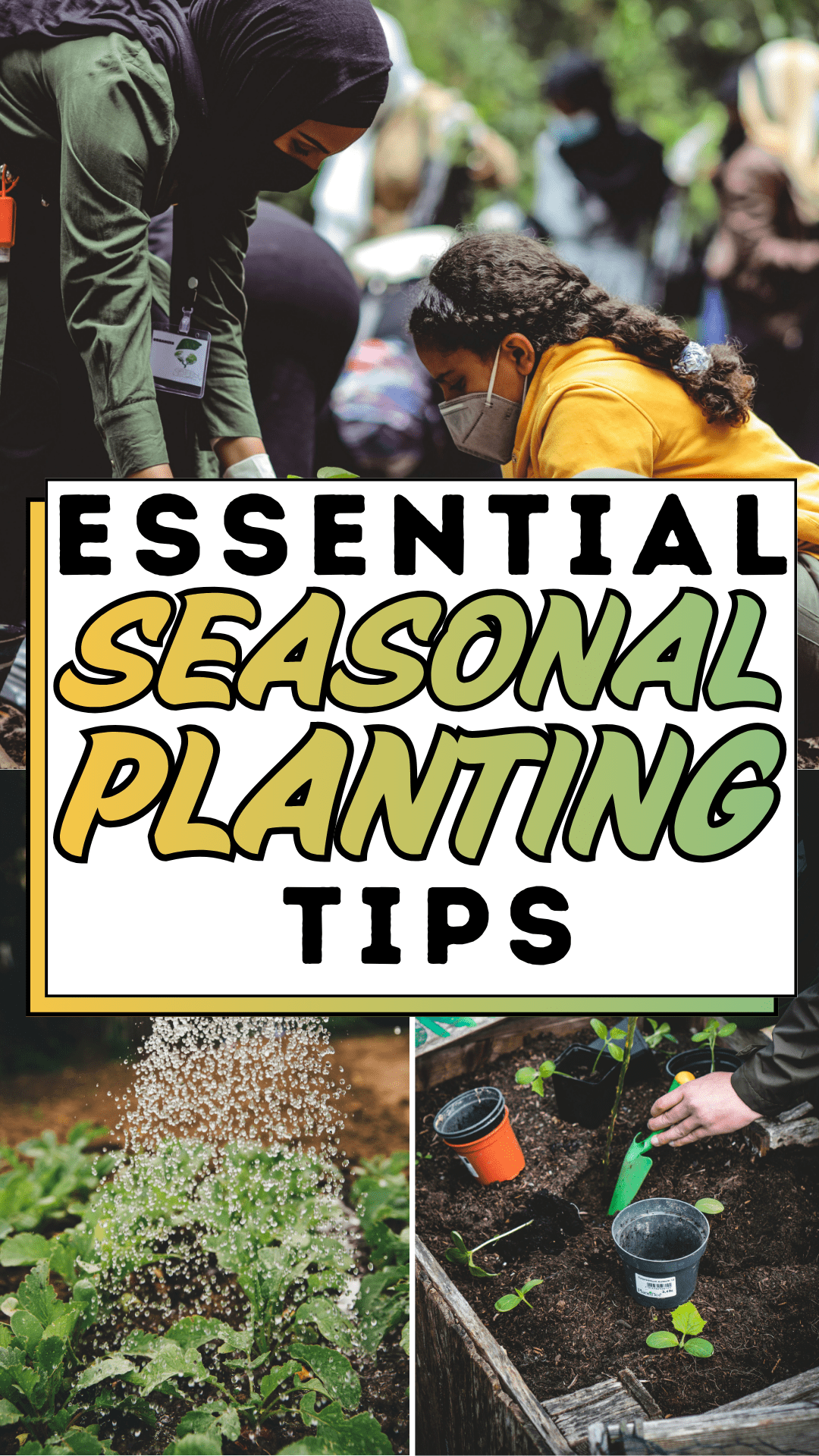
The good news is that the chaos usually isn’t about effort. It’s about timing, technique, and a little bit of community wisdom. The right planting tips can genuinely change everything, and there’s something deeply grounding about watching a mother and daughter kneel side by side in freshly turned soil, gloved hands gently pressing seedlings into the earth, surrounded by the quiet energy of neighbors doing the same. That image, unhurried, intentional, joyful, is what seasonal planting can actually feel like when you understand a few fundamentals.
This guide is here to bridge that gap. Whether you’re planting a kitchen herb corner, a community plot, or your first full raised bed, these essential seasonal planting tips will give you the clarity and confidence to go from overwhelmed to genuinely excited every time you step outside with a trowel.
The Planting Tips Blueprint
Step 1: Know Your Season and Your Zone
Before you buy a single seed packet, identify your USDA Hardiness Zone (or equivalent in your country). This is one of the most foundational planting tips any gardener will ever receive. It determines which plants thrive in your climate and when to plant them. Spring is prime time for cool-weather crops like lettuce, peas, and spinach, while summer calls for heat-lovers like tomatoes, basil, and peppers. Planting at the wrong time, with perfect technique, almost always leads to disappointment.
Quick action: Search “[your city] planting calendar” to find a free, localized guide that maps out sow dates month by month.
Step 2: Prepare Your Soil Before Anything Else
Healthy plants begin below the surface. One of the most essential planting tips you’ll ever follow is this: before placing a single seedling, loosen your soil to at least 12 inches deep and work in organic compost roughly 2 to 3 inches mixed throughout. Dark, crumbly, earthy-smelling soil is what you’re aiming for. Compacted, clay-heavy, or sandy soil will stunt growth no matter how much you water or fertilize later.
Quick action: Do the “squeeze test” grab a handful of damp soil and squeeze it. If it holds shape but crumbles when you poke it, your soil structure is good. If it stays in a slick ball or falls apart instantly, it needs to be amended.
Step 3: Understand Spacing and Sunlight Requirements
One of the most overlooked planting tips for beginners is spacing. Each plant on your seed packet or nursery tag comes with spacing guidelines for a reason: overcrowding leads to poor airflow, fungal disease, and competition for nutrients. Similarly, placing a sun-loving tomato in a shady corner will produce weak, spindly plants and minimal fruit.
Quick action: Map out your planting area on paper first. Mark shady zones, sunny zones, and water access points before you commit plants to specific spots.
Step 4: Water Deeply, Not Frequently
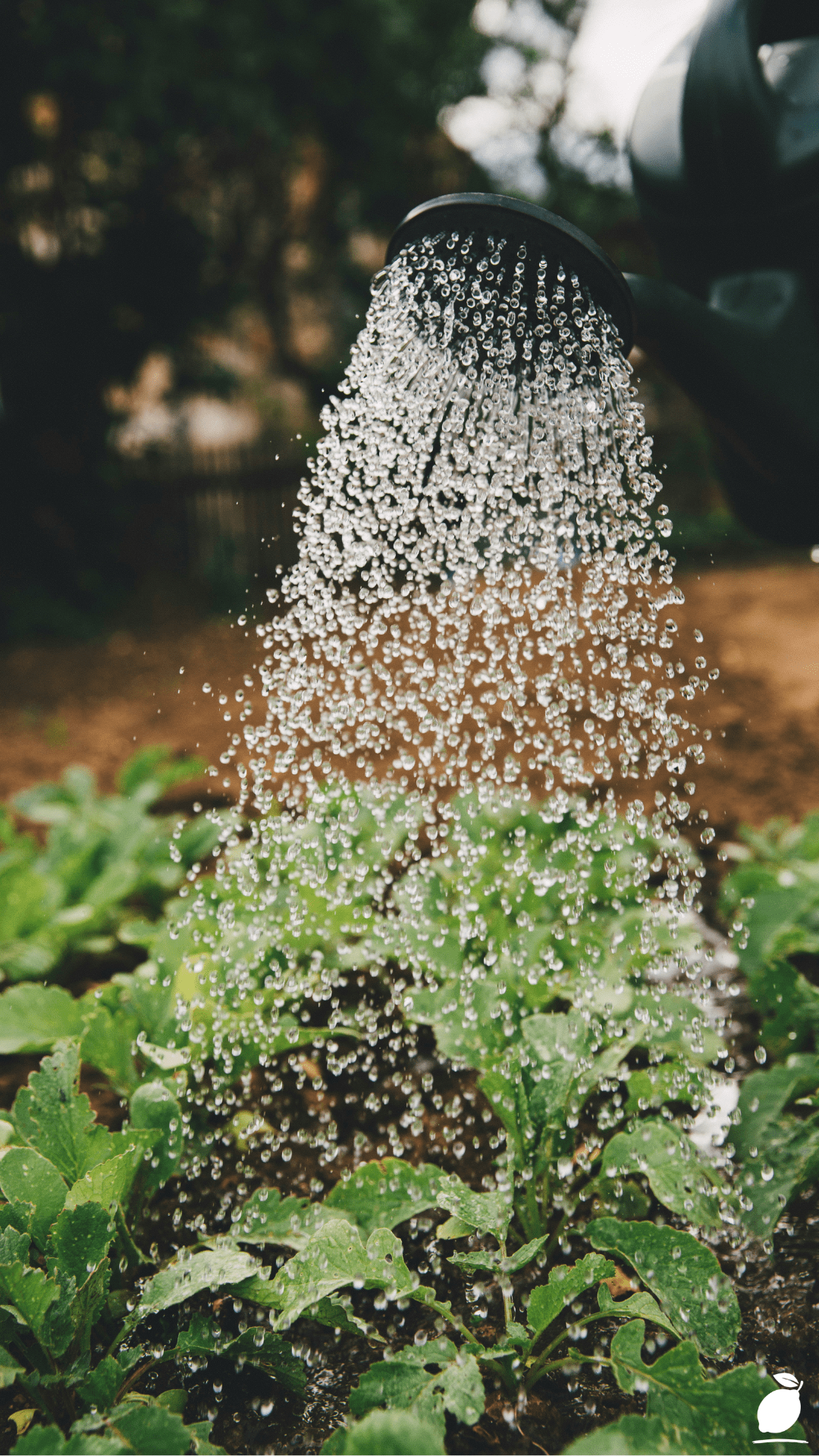
Shallow, daily watering encourages shallow roots, which means plants that wilt under stress. Among all the watering-related planting tips out there, this one saves the most struggling gardens: water deeply two to three times per week (depending on rainfall and temperature), allowing water to penetrate 6 to 8 inches into the soil. This tree’s roots grow downward where moisture is more stable.
Quick action: Push your finger 2 inches into the soil near your plants. If it’s dry, water deeply. If it’s still moist, skip that day’s watering.
Step 5: Mulch Generously After Planting
A 2 to 3 inch layer of organic mulch (straw, wood chips, shredded leaves) around your plants does three important jobs simultaneously: it retains moisture, suppresses weeds, and regulates soil temperature. This is one of those simple planting tips that experienced gardeners swear by, yet many beginners skip entirely and then wonder why they’re watering twice as often and pulling weeds every other day.
Quick action: Apply mulch immediately after planting, keeping it a few inches away from plant stems to prevent rot.
Expert Secrets for Success
Pro-Tips for Better Results
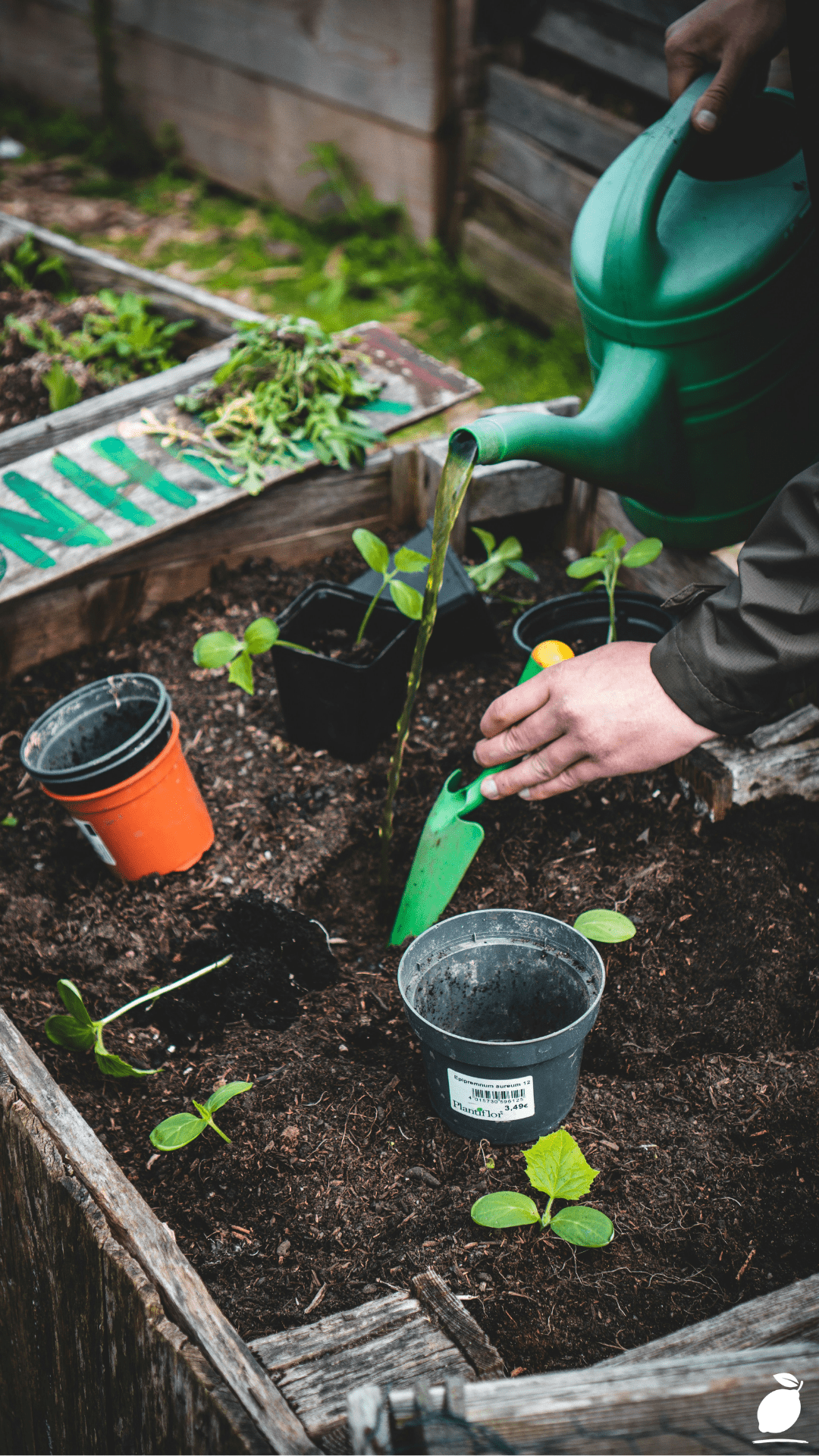
- Harden off seedlings before transplanting. If you’ve grown plants indoors or bought from a greenhouse, spend 7 to 10 days gradually exposing them to outdoor conditions before planting. Move them outside for a few hours each day, increasing the time gradually. Skipping this step leads to transplant shock.
- Plant in the late afternoon. Midday heat stresses newly planted seedlings. Late afternoon or overcast days give plants time to settle in before facing intense sun.
- Use companion planting strategically. Basil planted near tomatoes improves flavor and repels pests. Marigolds border any vegetable bed to deter aphids and nematodes. These natural pairings reduce the need for chemical intervention.
- Label everything. It sounds obvious until you have six rows of unlabeled seedlings and no idea which is parsley and which is cilantro. Simple popsicle sticks with a permanent marker do the job perfectly.
- Keep a garden journal. This is one of the most underrated long-term planting tips out there. Note planting dates, weather observations, what worked, and what didn’t. This habit compounds over seasons, your third year of gardening will be dramatically easier than your first because of it.
Common Mistakes to Avoid
- Overwatering. Perhaps the most repeated of all planting tips and still the most ignored. More plants die from too much water than too little. Waterlogged roots suffocate and rot. Always check soil moisture before reaching for the hose.
- Planting too early in spring. Enthusiasm is wonderful, but frost-sensitive plants planted too early can be killed overnight. Know your last frost date and respect it.
- Ignoring pH levels. Most vegetables prefer a soil pH between 6.0 and 7.0. If your soil is too acidic or alkaline, nutrients become unavailable to plants regardless of how much you fertilize. A simple soil test kit (under $15 at any garden center) reveals your baseline in minutes.
- Neglecting plant rotation. Planting the same crops in the same spot year after year depletes specific nutrients and encourages disease buildup in the soil. Rotate crop families each season.
- Skipping the plant tag. That small plastic tag in every nursery pot contains essential information: mature size, spacing, sun requirements, and water needs. Read it before you plant, not after.
Why Planting Tips Matter
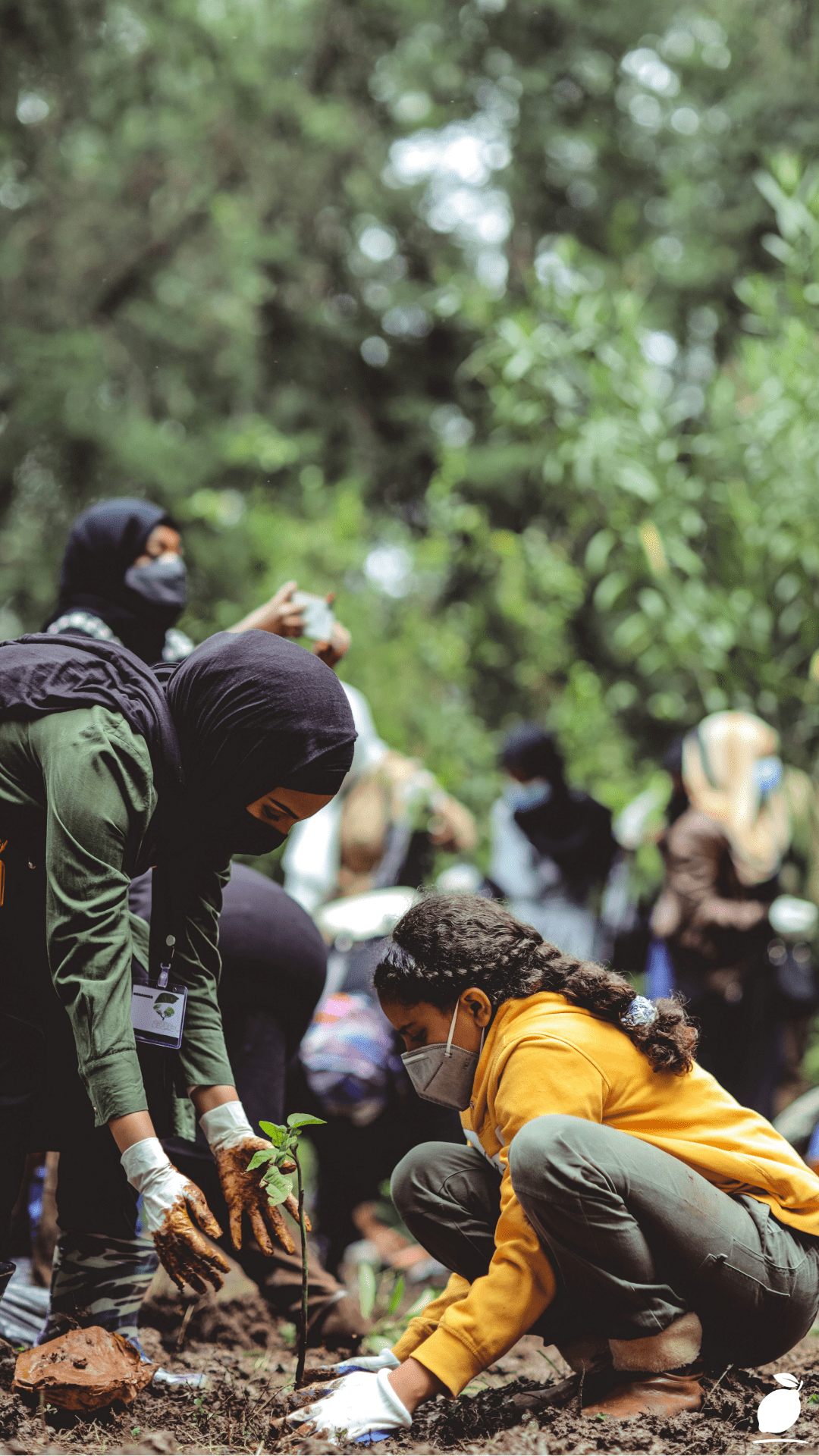
There is something quietly transformative about putting your hands in the earth with purpose. Gardening, when approached with the right knowledge, becomes less of a chore and more of a ritual. Studies consistently show that time spent in green spaces, particularly in active gardening, reduces cortisol levels, improves mood, and provides a sense of accomplishment that screens and productivity hacks simply cannot replicate.
When you have the right planting tips in your toolkit, the garden stops being a source of frustration and starts becoming a place of genuine restoration. That’s the moment it shifts from a project into a practice. For families, it becomes a shared language, a child learning to press a seed into the soil, a parent explaining why the roots need room to breathe, both of them returning the next day to check if anything has changed. These are small moments, but they are the kind that stay.
Easy Peasy Life Matters believes that practical knowledge is the bridge between intention and joy. Knowing when and how to plant doesn’t just improve your garden; it gives you permission to slow down, be present, and invest in something living. That mental clarity, that quiet pride in watching something grow because of your care, ripples into every corner of daily life.
Frequently Asked Questions
When is the best time to start planting seeds outdoors?
It depends on your climate zone and the specific plant, but a general rule is to start cool-weather crops (lettuce, spinach, peas, kale) 4 to 6 weeks before your last expected frost date. Warm-weather crops (tomatoes, cucumbers, beans, squash) should go in the ground after all frost danger has passed and soil temperatures have reached at least 60°F (15°C).
How do I know if my soil is ready to plant in spring?
Two reliable tests: First, the temperature test soil should be consistently above 50°F (10°C) for most vegetables, which you can check with an inexpensive soil thermometer. Second, the structural test squeezes a handful of moist soil. If it clumps but breaks apart easily when disturbed, the structure is workable. If it stays in a wet, dense ball, it’s still too cold and waterlogged from winter.
Can I plant in containers if I don’t have a yard?
Absolutely. Container gardening is one of the most accessible forms of planting and works beautifully on balconies, patios, and windowsills. The same planting tips apply to good drainage, quality soil, and correct sunlight, just scaled to a pot. Use containers with drainage holes, a high-quality potting mix (not garden soil, which compacts in containers), and choose varieties labeled “compact” or “patio” for best results. Herbs, cherry tomatoes, lettuce, and peppers all thrive in containers.
How often should I fertilize my plants during the growing season?
For most vegetable gardens, a balanced slow-release fertilizer applied at planting time, followed by a liquid fertilizer every 3 to 4 weeks during peak growing season, is sufficient. One of the most practical planting tips for feeding your garden: always water before fertilizing to protect roots from burn. Avoid over-fertilizing with nitrogen-heavy products, which encourages leafy growth at the expense of fruit and flowers.
What’s the easiest plant to start with if I’m a complete beginner?
Radishes, sunflowers, and zucchini are widely considered the most beginner-friendly plants for good reason: they germinate quickly, tolerate some neglect, and produce visible results fast enough to keep motivation high. One of the best planting tips for first-timers: start with a “quick win” plant to build the confidence to take on more complex crops in subsequent seasons.